
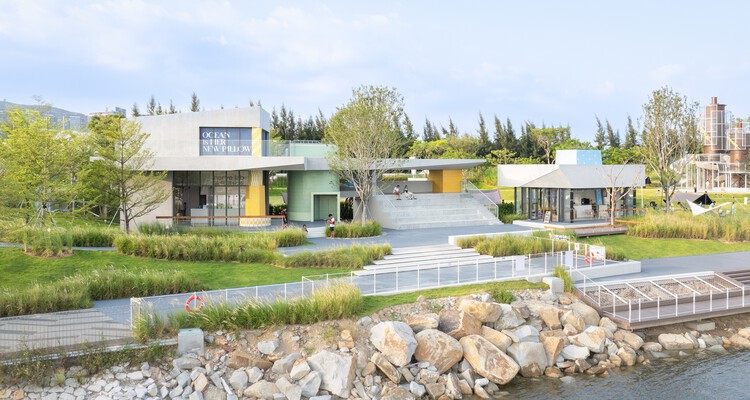
Nerve Lab. Experimental Sports Support Buildings on Double Happiness Island / Studio 10


https://www.archdaily.com/1038610/nerve-lab-experimental-sports-support-buildings-on-double-happiness-island-studio-10韩爽 - HAN Shuang
Reflecting on the International Day of Education: From Playful Environments to Youth Agency in Architecture

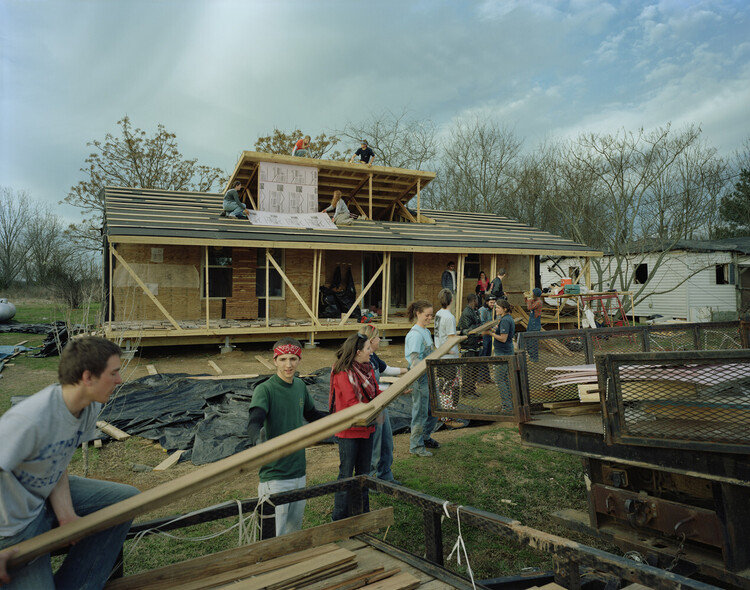
Education has long been understood as a cornerstone of social development, shaping not only individual futures but also the collective capacity of societies to respond to change. Observed annually on 24 January, the International Day of Education invites reflection on the role education plays in addressing global challenges and sustaining social progress. As the world confronts overlapping challenges, from technological transformation to deepening inequalities, the question of how education is imagined, governed, and experienced has become increasingly urgent.


https://www.archdaily.com/1038135/reflecting-on-the-international-day-of-education-from-playful-environments-to-youth-agency-in-architectureReyyan Dogan
Kengzi Cultural and Technology Centre / Tanghua Architects & Associates


-
Architects: Tanghua Architects & Associates
- Area: 72245 m²
- Year: 2024
-
Manufacturers: Crownhomes
https://www.archdaily.com/1037601/kengzi-cultural-and-technology-centre-tanghua-architect-and-associates韩爽 - HAN Shuang
Hermit Resort / Domain Architects


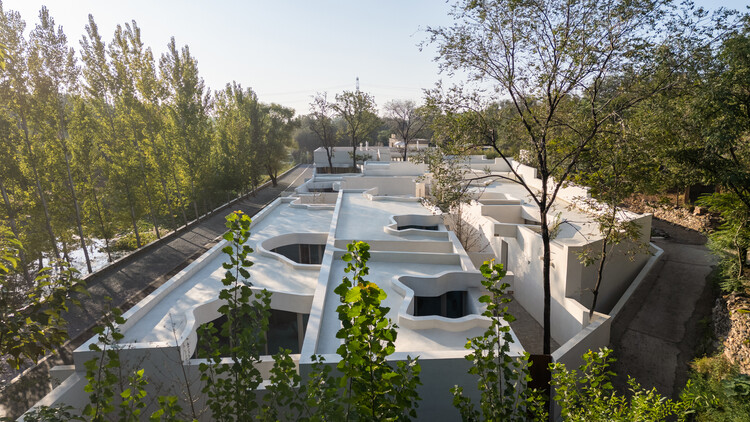
https://www.archdaily.com/1035439/hermit-resort-domain-architectsAndreas Luco
From Rapidity to Specificity: Multiple Dimensions of Shenzhen's Architectural Development

Shenzhen is China's first Special Economic Zone(SEZ), serving as a window for China's Reform and Opening-up and an emerging immigrant city. It has evolved into an influential, modern, and international metropolis, creating the world-renowned "Shenzhen Speed" and earning the reputation of the "City of Design." Architectural design stands as the most intuitive expression of Shenzhen's spirit of integration and innovation. Over the past decade (2015-2025), the development of urban architecture in Shenzhen has closely integrated with its open and inclusive urban character, ecological advantages of being nestled between mountains and the sea, and the local spirit of blending traditional culture with innovative technology, showcasing Shenzhen's unique charm and robust vitality across multiple dimensions.


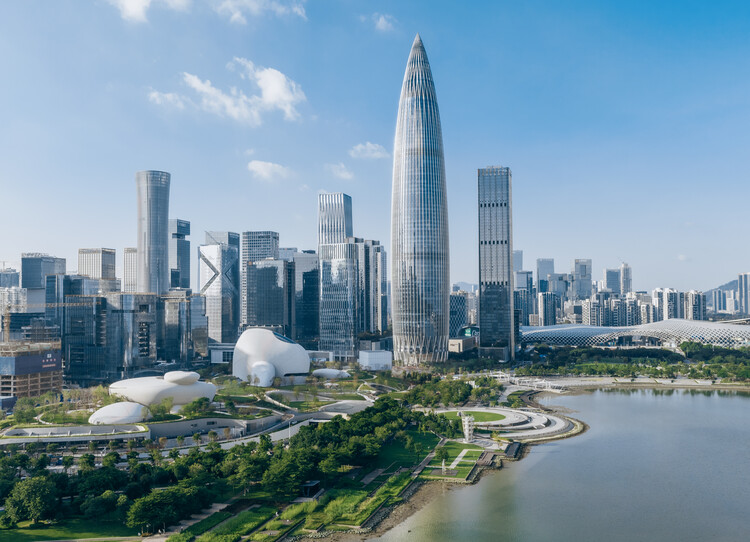
https://www.archdaily.com/1035112/from-rapidity-to-specificity-multiple-dimensions-of-shenzhens-architectural-development韩爽 - HAN Shuang
More Than Parking: 12 Projects to Reclaim Urban Space
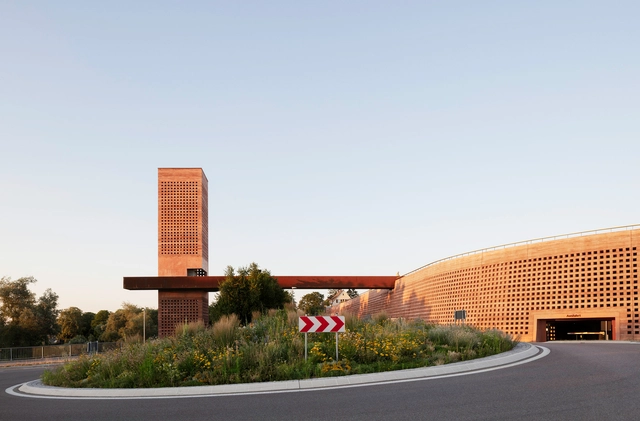
Marginalized in architectural discourse and often dismissed as purely functional, parking garages remain among the most ubiquitous structures in the urban landscape. Designed to accommodate the needs of private vehicles, they occupy central locations, shape skylines, and consume considerable resources, yet rarely receive the same attention — or architectural care — as cultural institutions, schools, or housing. Despite their prevalence, these buildings tend to fade into the background of daily life, treated as infrastructural necessities rather than as design opportunities.
This is beginning to change. As urban mobility undergoes profound transformations — from the decline of car ownership to the rise of electric vehicles and shared transport systems — the role of parking infrastructure is being redefined. Architects and planners are reimagining garages as adaptable frameworks that integrate public space, ecological functions, and mixed-use programs. These new approaches challenge the perception of parking as a residual typology and instead position it as a civic structure with the potential to support more inclusive, flexible, and sustainable urban models.

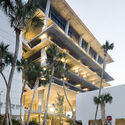
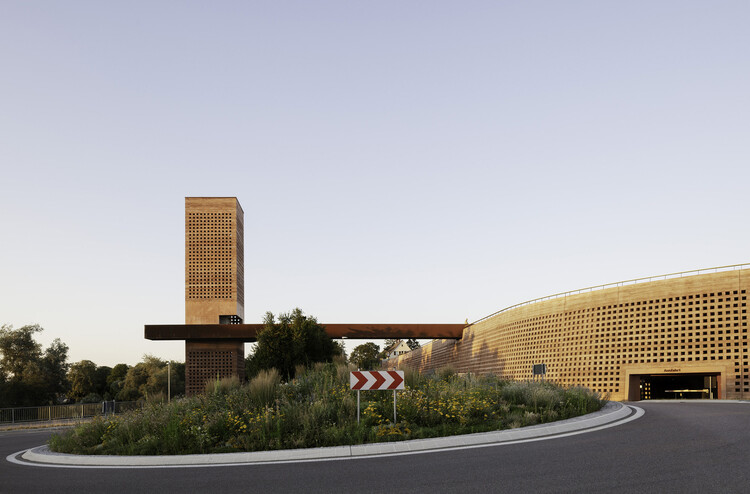
https://www.archdaily.com/1033620/more-than-parking-12-projects-to-reclaim-urban-spaceDiogo Borges Ferreira
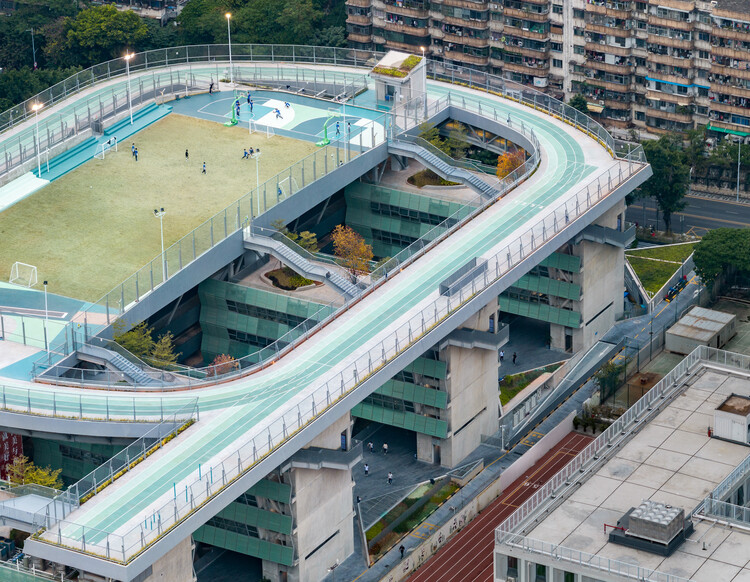
Shenzhen Art High School / O-office Architects
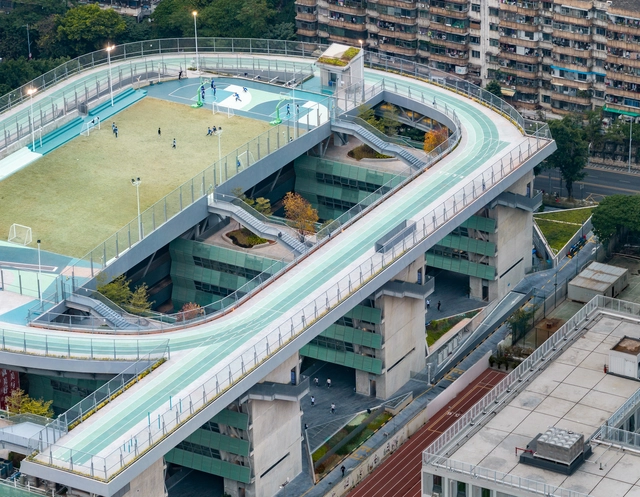


https://www.archdaily.com/1033122/shenzhen-art-high-school-o-office-architects韩爽
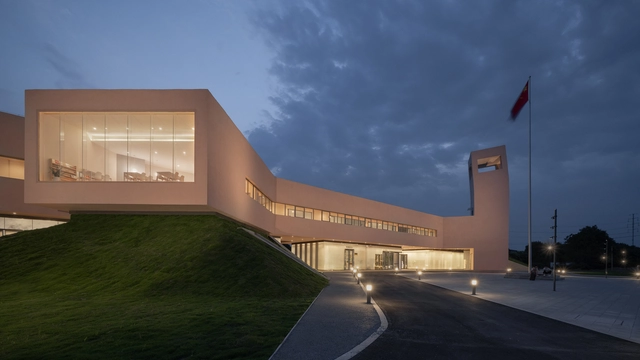
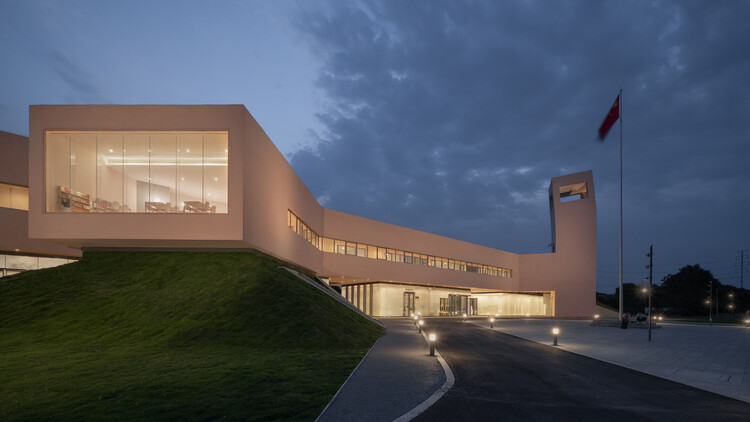
The Xue Village Community and Tourist Service Center / Studio 10


-
Architects: Studio 10
- Area: 2500 m²
- Year: 2024
-
Manufacturers: Appleton Special Glass
https://www.archdaily.com/1032505/the-xue-village-community-and-tourist-service-center-studio-10韩爽
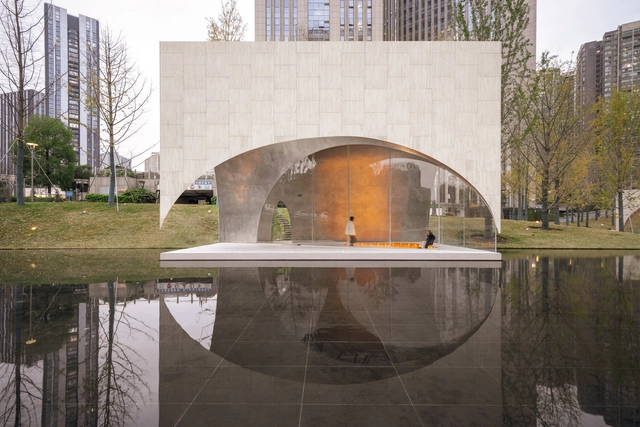
AYDC Public Art Center / Atelier XI


-
Architects: Atelier XI
- Area: 236 m²
- Year: 2024
https://www.archdaily.com/1031738/aydc-public-art-center-atelier-xi韩爽
Nanjing University Suzhou Affiliated Primary School / Tus-Design
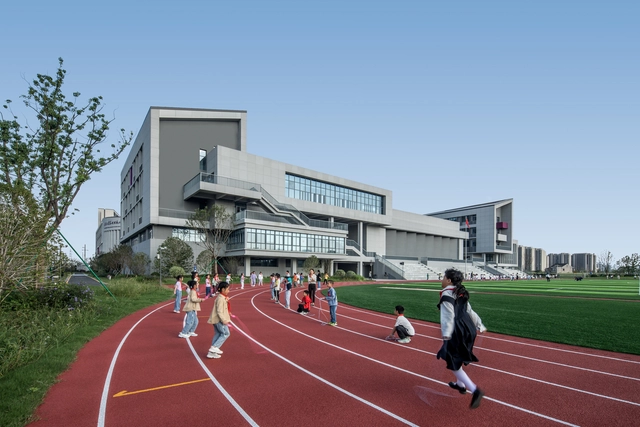


-
Architects: Tus-Design
- Area: 61175 m²
- Year: 2024
https://www.archdaily.com/1030903/nanjing-university-suzhou-affiliated-primary-school-tus-design-group-cltd韩爽
likeuu Concept Exploration Center / Studio 10
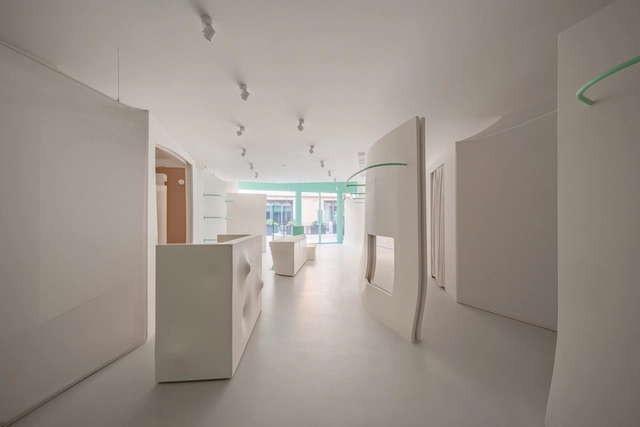


https://www.archdaily.com/1029957/likeuugai-nian-tan-suo-zhong-xin-kong-jian-she-ji-likeuu-concept-exploration-center-studio-102韩爽
How Biophilic Cities Address the Urban Health Crisis in the United States
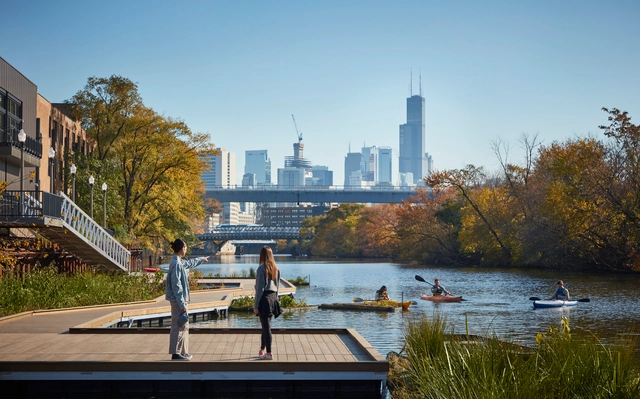
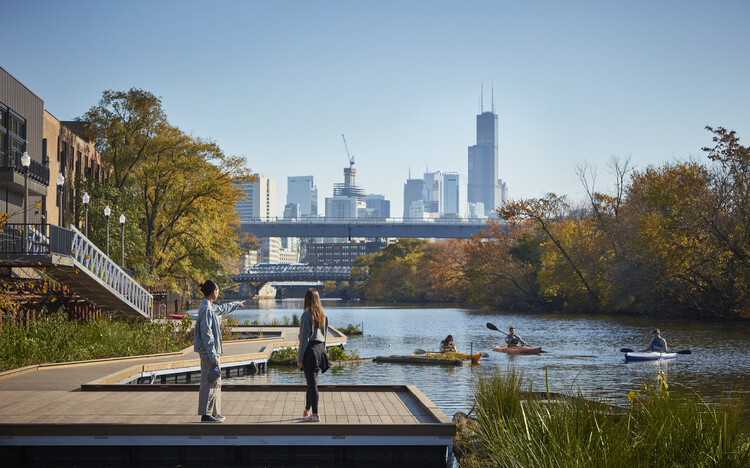
In the United States, nearly 1 in 10 children are affected with asthma, a condition with rates significantly higher in urban areas of the country. However, in a community just outside Atlanta with a population of more than 300 children, not a single case of the condition has been reported. This is by design. Most cities and neighborhoods across the country are not designed with human biology in mind, an oversight that contributes to the growing prevalence of cardiovascular disease and mental health challenges. Are we treating chronic conditions as purely medical, when they may actually be symptoms of poor design?
https://www.archdaily.com/1030715/how-biophilic-cities-address-the-urban-health-crisis-in-the-united-statesAnkitha Gattupalli
Shekou Cultural and Sports Park / Tanghua Architects & Associates
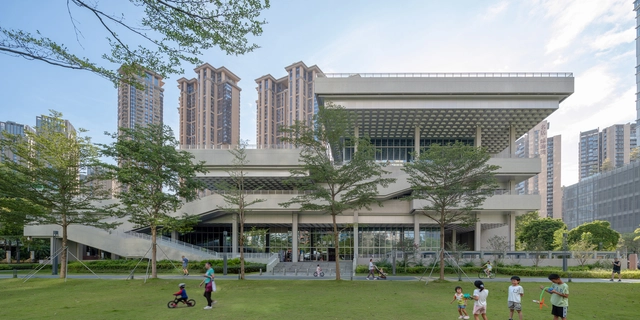


-
Architects: Tanghua Architects & Associates
- Area: 21547 m²
- Year: 2024
https://www.archdaily.com/1029683/shekou-cultural-and-sports-park-tanghua-architectsAndreas Luco
Designing for Companionship: Reimagining Urban Life with Pets
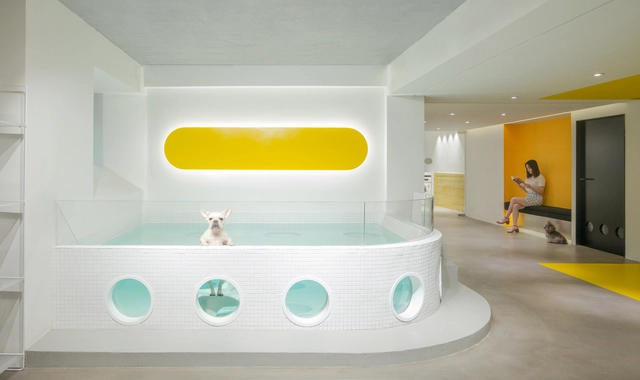
Humans and pets have long shared a deep and inseparable bond—and today, how we live alongside them is becoming increasingly important. Beyond offering companionship, pets are now often regarded as life partners, providing powerful support for mental health and emotional well-being. Yet it is not only the emotional connection that matters: the way we design and curate spaces for cohabitation with them plays a critical role in shaping meaningful spatial relationships between humans and their animal companions.
Whether through custom-designed furniture or more seamlessly integrated solutions like wall cavities and built-in nooks, an increasing amount of attention is being paid to how we can better coexist with pets in our homes. This shift reflects more than just affluence or pet ownership; it signals a broader evolution of companionship—one rooted in mutual support, emotional health, and shared environments.


https://www.archdaily.com/1029582/designing-for-companionship-reimagining-urban-life-with-petsJonathan Yeung
Winners of the ArchDaily China Building of the Year 2025 Awards

Another year, another successful ArchDaily China Building of the Year Awards! Once more, the award has proved to be the largest architecture prize centered around people's opinion. Crowdsourced, the most relevant projects of the year were nominated and selected by our readers.
The 2025 China Building of the Year Awards is brought to you thanks to Dornbracht, renowned for leading designs for architecture, which can be found internationally in bathrooms and kitchens.
https://www.archdaily.com/1028925/winners-of-the-archdaily-china-building-of-the-year-2025-awards韩爽 - HAN Shuang
Meet the 15 Finalists in ArchDaily China's 2025 Building of the Year Awards

Following two exciting weeks of nominations, ArchDaily's readers have evaluated over 500 projects and selected 15 finalists for the Building of the Year Award China. Architects and enthusiasts participated in the nomination process, choosing projects that exemplify what it means to push architecture forward. These finalists are the buildings that have inspired ArchDaily readers the most, which also reveal the growing trend of Chinese architecture.
Among the 15 finalists of the 2025 China Building of the Year Award, we can see a gradual shift in focus from large-scale public buildings to rural revitalization, community public spaces, exploration of new typology of school and small-scale interior spaces. People are paying more attention to their personal needs and living experiences as well as the surrounding spaces. We can also observe how different firms are responding to the needs of cities and users during the period of transformation in the real estate.
Before we get to shortlisted nominees, we want to highlight the values of this awards process — as the world's largest platform for architecture we are acutely aware of our responsibility to the profession, and to the advancement of architecture as a discipline. Since our mission is directly related to the architecture of the future—inspiring and educating the people who will design the urban fabric of the future—the trust placed in us by our readers to reflect architectural trends from regions around the whole world creates challenges that we are eager to rise to. The democratically-voted, user-centered Building of the Year Awards is one of the key pillars of our response to these challenges, aiming to tear down established hierarchies and geographical barriers. Here are the 15 finalists of the 2025 China Building of the Year Award, and the voting period will run from April 2nd to April 9th, 11:59 PM (Beijing Time), 2025. The final winners will be announced on April 10th, 2025. Click here to see the details and how to vote.
https://www.archdaily.com/1028643/meet-the-15-finalists-in-archdaily-chinas-2025-building-of-the-year-awards韩爽 - HAN Shuang
Transforming Industrial Heritage: Design Strategies for Creating a New Atmosphere in Cultural Spaces
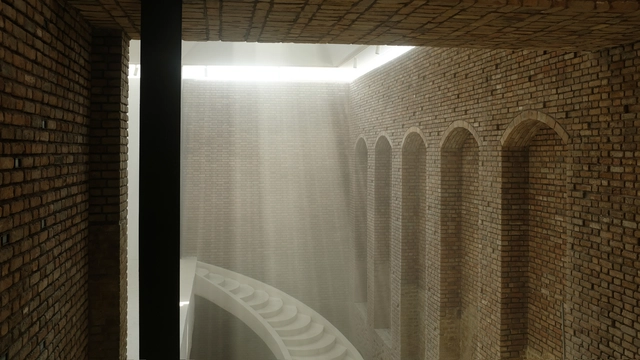
Creating an atmosphere that enhances exhibitions and enriches the visitor and user experience requires a thoughtful balance between preserving a space's unique character and adapting it to meet the needs of artistic and cultural production. The challenge lies in maintaining a building's industrial atmosphere while accommodating the specific requirements of exhibition design or the various uses the new building will require. This delicate task involves careful consideration of spatial layout, material choices, and lighting solutions, all of which play a significant role in shaping the new environment.


https://www.archdaily.com/1028095/transforming-industrial-heritage-design-strategies-for-creating-a-new-atmosphere-in-cultural-spacesPaula Pintos
Innovations in Public Spaces: Gardens, Plazas, and Landscape Parks of 2024
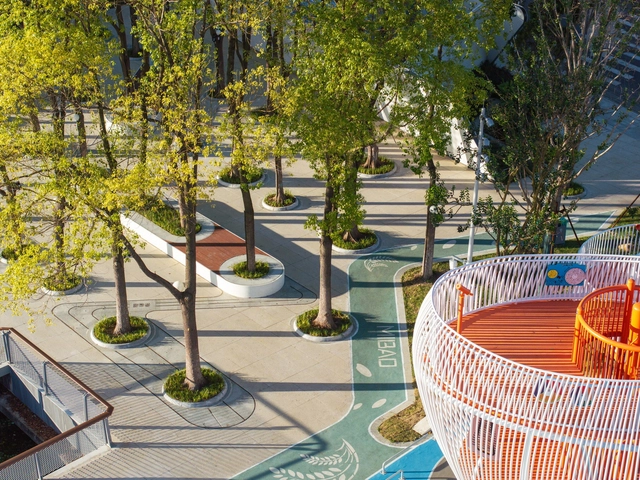
In a quest to enhance and attract new natural experiences to city centers, the design, planning, and revitalization of certain urban spaces align with strategies aimed at improving the quality of life for residents while maintaining a connection with nature rooted in the local landscape. Through technical solutions for wastewater treatment and stormwater drainage, improved accessibility, incorporation of recreational activities, introduction of native vegetation, and more, numerous parks, plazas, and gardens are integrated into urban and rural fabrics. These efforts seek to filter pollution, purify the air, address social issues, and promote experiences that foster connections between nature, biodiversity, and society.
https://www.archdaily.com/1024703/innovations-in-public-spaces-gardens-plazas-and-landscape-parks-of-2024Agustina Iñiguez