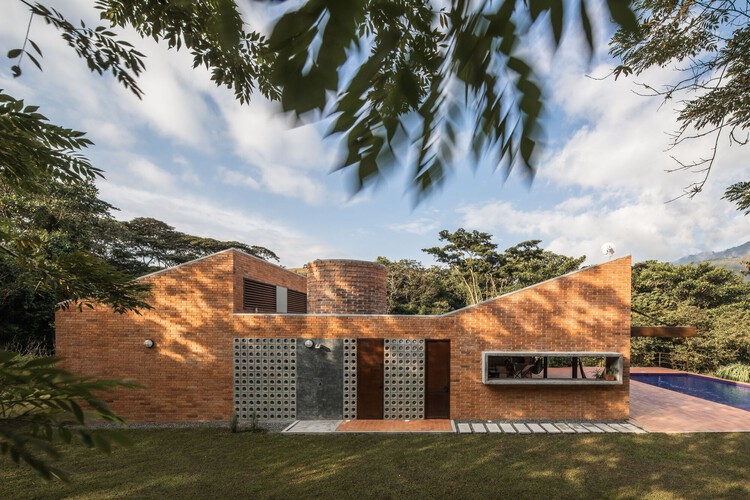
Brick is one of the most widely used materials in Colombia, helping local architecture stand out globally. This prominence is due to the exceptional quality of the clay found in several regions of the country. Beyond cladding the majority of the buildings that define Bogotá's urban landscape, the material is used in all its forms, from adobe to floor tiles in rural homes.
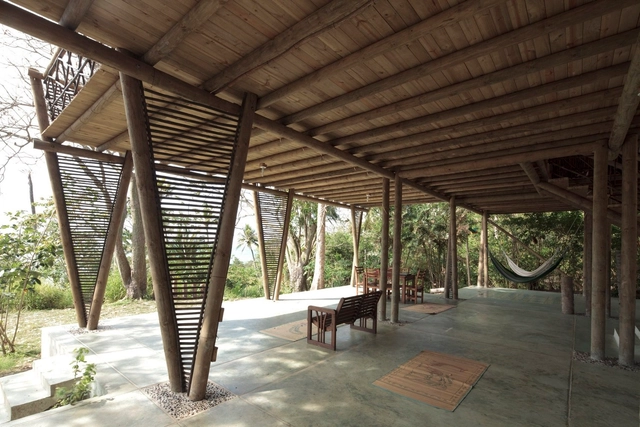
Wood is a noble material that has been used in construction since time immemorial, across all regions of the world where it is available. Although this material can be applied to almost any use, we have focused this article specifically on residential projects previously published on our site and located in Colombia.
In countries where architecture adapts to the seasons, projects must respond so that they are comfortable for the users, both in the hot summer temperatures and in the cold winter. Tropical countries, such as Colombia, are a bit luckier. The temperature of construction sites depends less on the seasons and more on where they are located geographically according to the altitude above sea level; the closer they are to the sea, the warmer it is. For this reason, it is not essential to seal or insulate the interior spaces. On the contrary, the good management of constant ventilation creates a more permeable and contextual architecture.
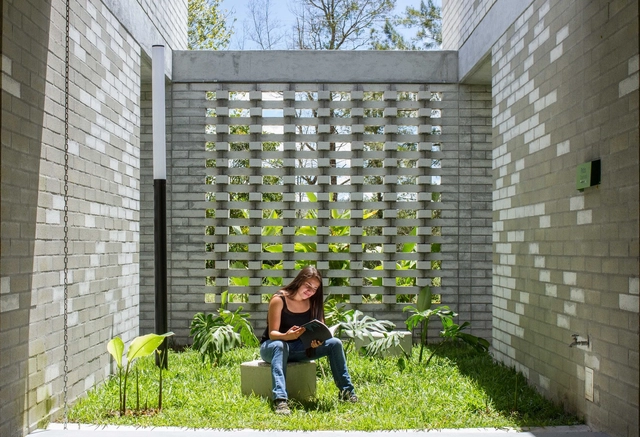
We have put together a series of projects with different architectural programs: local markets, health facilities, cultural, education and housing projects. They show that with different construction techniques, you can begin to control the permeability, air flow, privacy or solar heat gain. Explore each of these projects below.
Brick is one of the most widely used materials in Colombia, making the architectural designs in its capital city, Bogotá, stand out worldwide. Due to the excellent quality of the clay found in some regions of the country, brick is used in all aspects of construction, from adobe floor slabs to exterior facades.