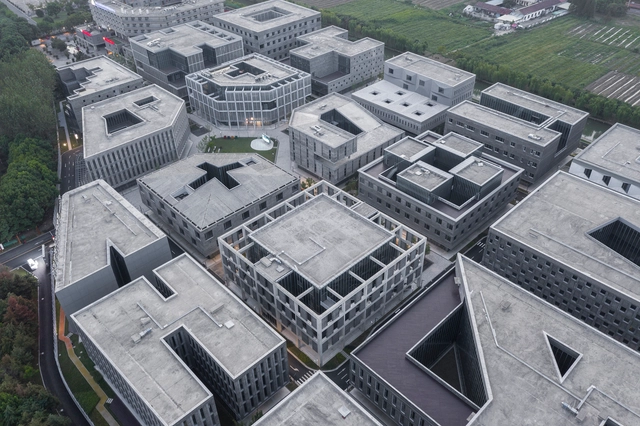
The human scale can best be described as the relationship between a body and its surroundings and a body is nothing if not the undeniable connection between our sensorial experience within the material world and how we perceive it within our own minds.
After its opening was curtailed this past winter by the coronavirus pandemic, the hotly anticipated Archigram Cities exhibition is now officially up-and-running throughout November 2020. Presented by the Hong Kong-based visual culture museum M+ and organized in collaboration with the Department of Architecture at the University of Hong Kong and Shanghai’s Power Station of Art, Archigram Cities has taken form as a hybrid virtual/in-person slate of happenings—talks, screenings, presentations, and more—that plumb and celebrate the vast legacy of British avant-garde architectural collective Archigram.
The COVID-19 Pandemic is a disruptive moment for our world, and it’s poised to spur transformative shifts in design, from how we experience our homes and offices to the plans of our cities. The webcast series Design Disruption explores these shifts—and addresses issues like climate change, inequality, and the housing crisis— through chats with visionaries like architects, designers, planners, and thinkers; putting forward creative solutions and reimagining the future of the built environment.
https://www.archdaily.com/951210/design-disruption-episode-6-design-and-the-just-city-with-toni-griffinArchDaily Team
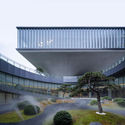
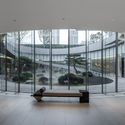
In the early modern period, Taoist monks cultivated Bonsai trees seeking to bring their beauty from the outside to the inside, considering them a link between the human and the divine. Likewise, in the 18th century, different tree-lined walks and avenues arose on the outskirts of some European cities, generating spaces for rest and socialization that were previously non-existent in cities at that time.
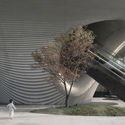
In cities today, trees are essential elements in the urbanization process and act as irreplaceable counterpoints to manmade constructions for spatial harmony. Choosing appropriate tree species and maintaining them correctly generates countless benefits, such as acoustic and visual insulation, temperature regulation, the generation of biological corridors, and control of wind speeds. The main mistake planners can make when choosing tree species is forgetting that they are living beings and have specific needs.





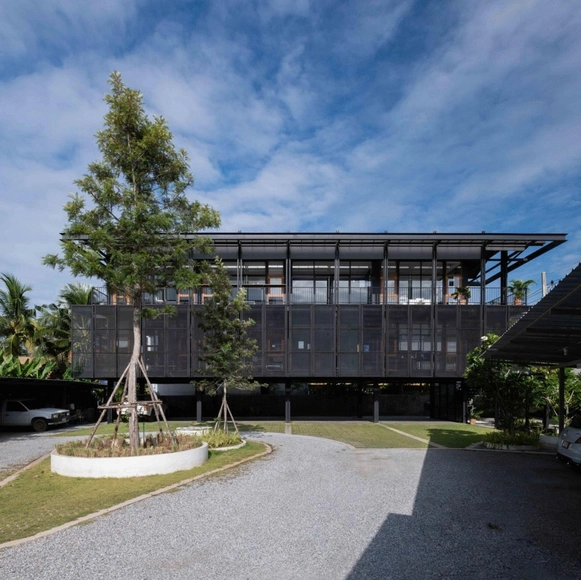











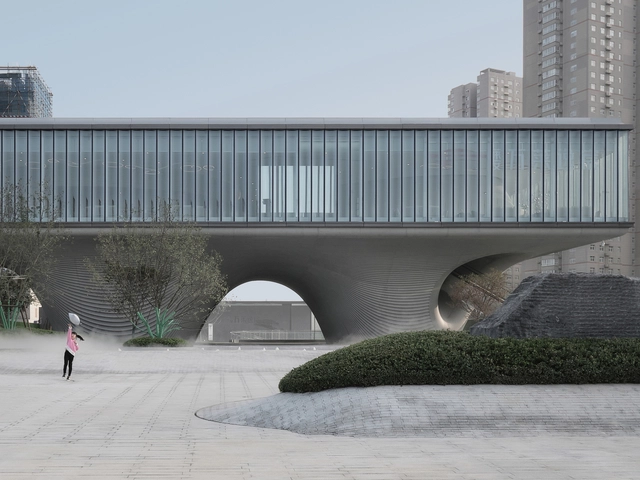




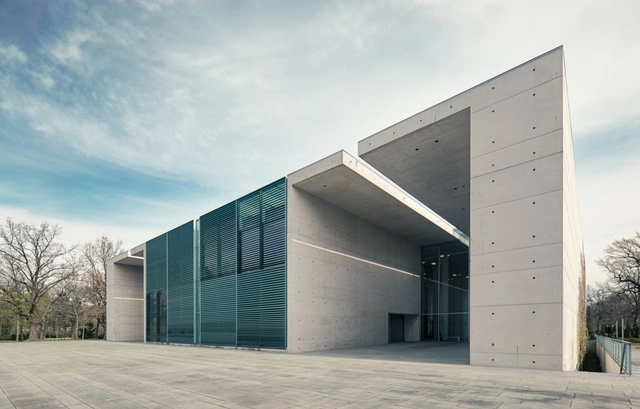
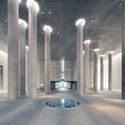
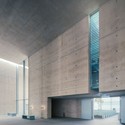







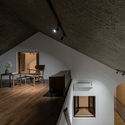







BTTRGmbH_04.jpg?1604713554 "© Bttr GmbH")
BTTRGmbH_03.jpg?1604713441 "© Bttr GmbH")
BTTRGmbH_10.jpg?1604713682 "© Bttr GmbH")
Trockland_14.jpg?1604713449 "© Trockland Management GmbH")