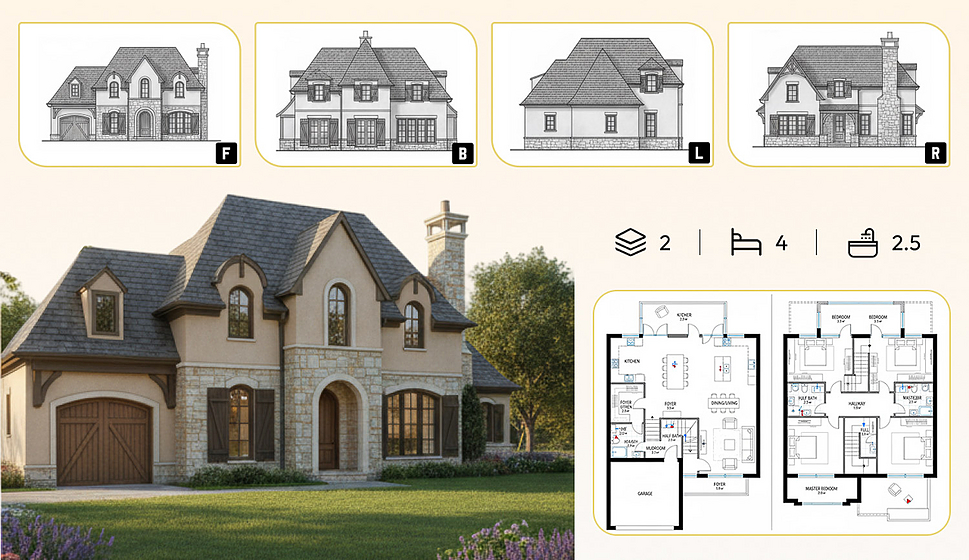
This guide covers a workflow that moves from project parameters to generated floor plans, 3D perspective views, exterior design exploration, and site context visualization, using AI tools in place of preliminary CAD and rendering work.
This guide covers a workflow that moves from project parameters to generated floor plans, 3D perspective views, exterior design exploration, and site context visualization, using AI tools in place of preliminary CAD and rendering work.

"Transcend, Beyond Time" is an international event hosted by the Jorge Montes Chair, aimed at exploring and reflecting on the technological advancements and design trends that have shaped the trajectory of architecture both nationally and internationally. The chair is named in honor of the architect who pioneered modern architecture in Guatemala.
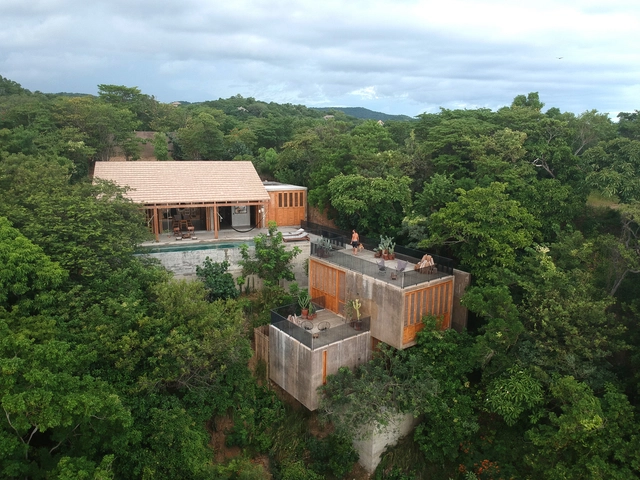
A popular saying goes, "Mexico is many Mexicos," a reality that manifests in various ways. The country's multiculturalism is highly pronounced; since pre-Columbian times, it has been clear that while there were commonalities linked to general human traits, material availability, and regional influence, architectural discourse and needs varied distinctly according to the geographical conditions of where it was built.
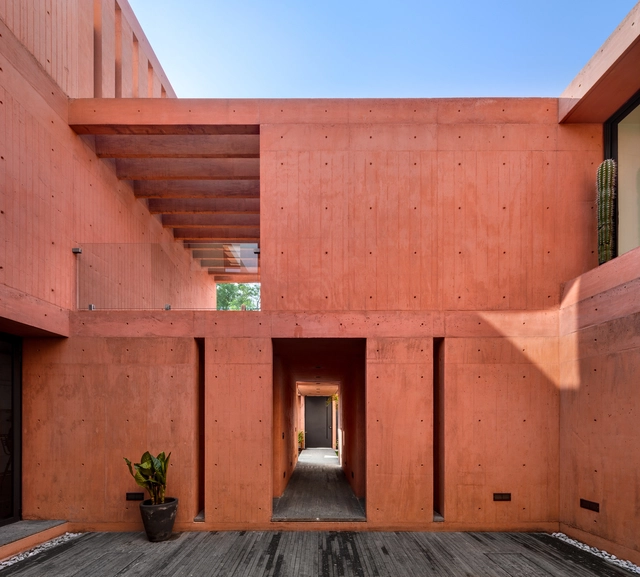
Pigmented concrete is created by adding pigments that provide a specific color to traditional concrete. From subtle touches to more intense hues, this approach allows architecture to play with surfaces and structures across a wide range of shades and finishes. Unlike surface coatings, pigmented concrete is integrated directly into the mix composition, preventing it from fading or wearing over time. Through its diverse aesthetic possibilities, pigmented concrete is a versatile and attractive alternative for adding color to architecture and design.
How can this material be applied in architecture? To achieve optimal and long-lasting results with pigmented concrete from Melón Hormigones, it is essential to correctly follow its application process, whether on walls, interior floors, exterior pavements, sculptures, or urban furniture. Below, we share a series of key recommendations for the proper use of pigmented concrete, from product selection to post-application care.
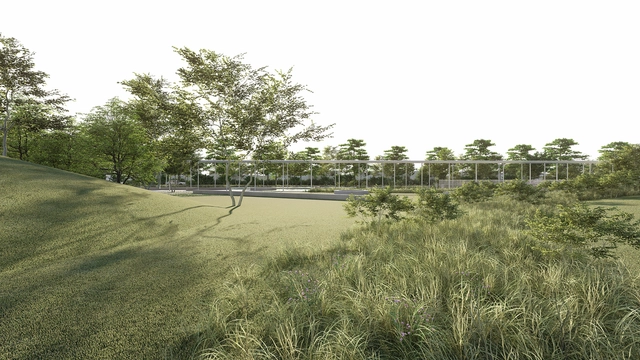
The Municipality of Miramar de Ansenuza, along with the Association of Architects of the Province of Córdoba, launched a National Ideas Competition for the creation of the Coastal Urban Park of Barrio 105 in Miramar de Ansenuza, Córdoba, Argentina. The objective was to gather ideas and proposals to integrate the park into the local public space network, creating high-quality environments that facilitate socializing, recreation, leisure, and outdoor activities.
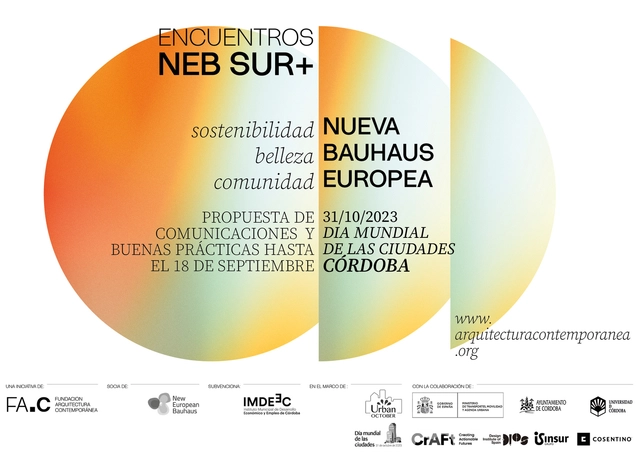
How can we foster more beautiful, sustainable, and inclusive processes and environments? What should be the vocation of Mediterranean cities in relation to the principles of the New European Bauhaus? What are the challenges and opportunities for an NEB center in Southern Europe?
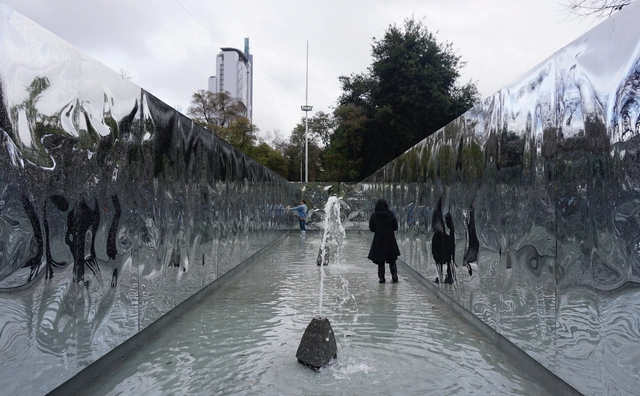
From July 11 to 16, the La Fuente Pavilion is open to the public in Balmaceda Park in Santiago, Chile. This new public space installation, designed by architect Camilo Palma (Abarca+Palma), invites visitors to engage in "contemplation and tranquility around the stimuli and sensations of water." The structure, composed of mass-produced, prefabricated building elements, sits atop the original 1931 fountain designed by Oscar Prager, Sergio Larraín, and Jorge Arteaga.
To experience the public space firsthand, ArchDaily visited the installation on a rainy day.
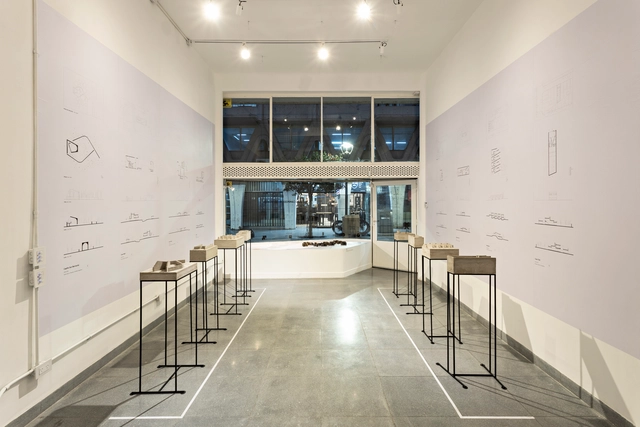
From July 7 to September 2, 2023, the exhibition “Nicolás Campodonico: Muros” is on display at the Bisman Ediciones Architecture Gallery and Residence, located on the Buenos Aires corner that houses the “Casa de Estudios para Artistas”, a 20th-century housing masterpiece in Argentina designed by Antonio Bonet, Abel López Chas, and Horacio Vera Barros.
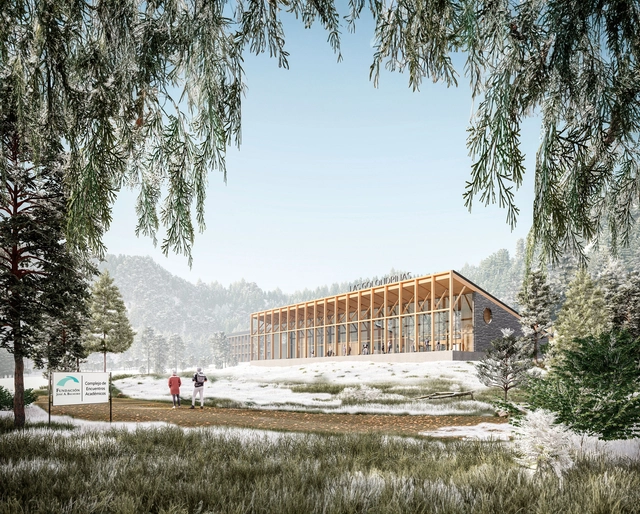
The José A. Balseiro Foundation, along with the Association of Architects of the Province of Río Negro District III (CARN District III) and the Argentine Federation of Associations of Architects (FADEA), launched the National Ideas and Preliminary Project Competition for the "Las Golondrinas" Academic Meeting Complex of the José A. Balseiro Foundation in San Carlos de Bariloche, Argentina. Aiming to strengthen the dialogue among the sciences, culture, education, and the business world, the complex seeks to establish itself as a reference center that positions science as a key driver in generating content and shaping societal decisions.
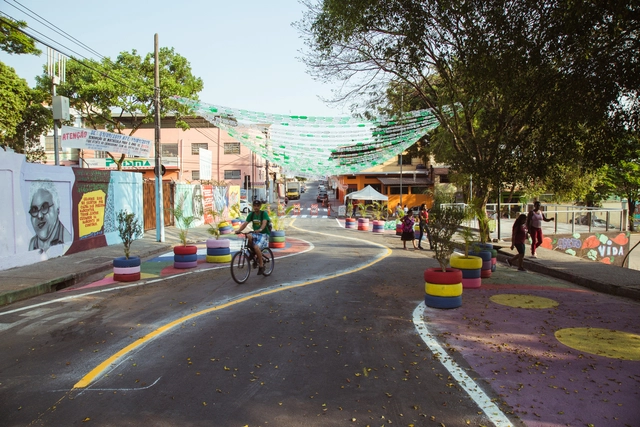
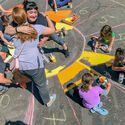
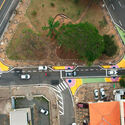
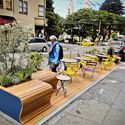
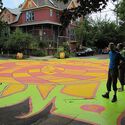
Tactical urbanism is a type of urban intervention that has gained prominence and sparked widespread discussion in recent years. It is based on the premise that low-cost, small-scale civic actions can have a significant impact on the urban environment, improving its dynamics and people's daily lives. Yet, starting as localized, temporary, or small-scale interventions, once accepted and recognized, many of these initiatives have transcended their initial ambitions. They have become catalysts for broader urban processes, triggering new actions that involve other stakeholders, spheres, and even the public administration itself.

Seeking more accessible school routes and initiatives that integrate children into urban mobility, the Cidade Ativa collective, in partnership with IDOM, has developed an action plan based on the assessment of two case studies in the city of São Paulo. Available online for free, this material serves as inspiration for other cities aiming to make their urban spaces safer and more accessible.
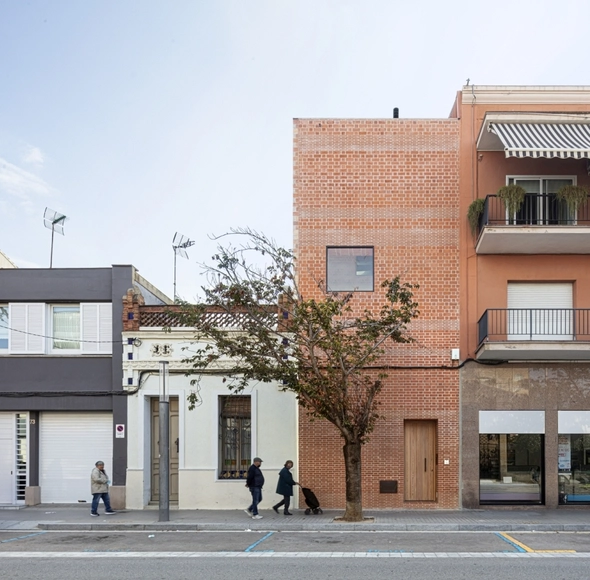
Out of a total of 576 submissions, the 2023 FAD Awards have announced the list of finalist and selected projects, which will be on display from October 5, 2023, to January 7, 2024, during the exhibition "The Best Design of the Year" at the Disseny Hub Barcelona.
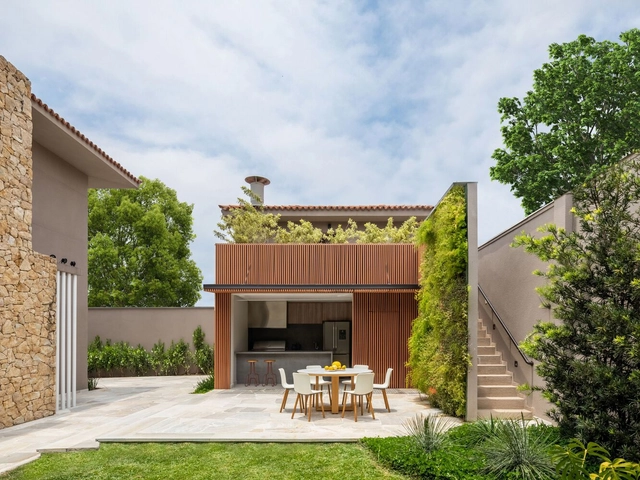
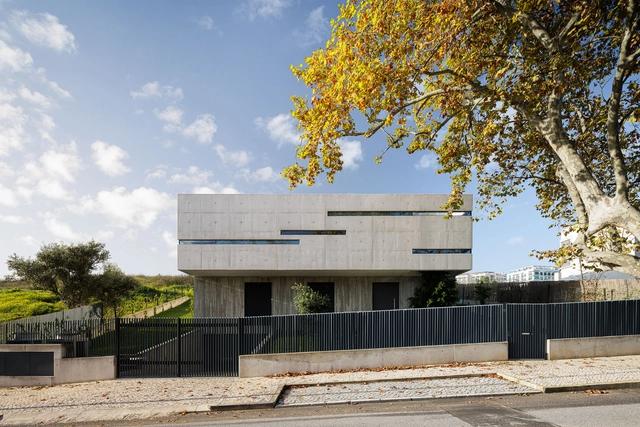
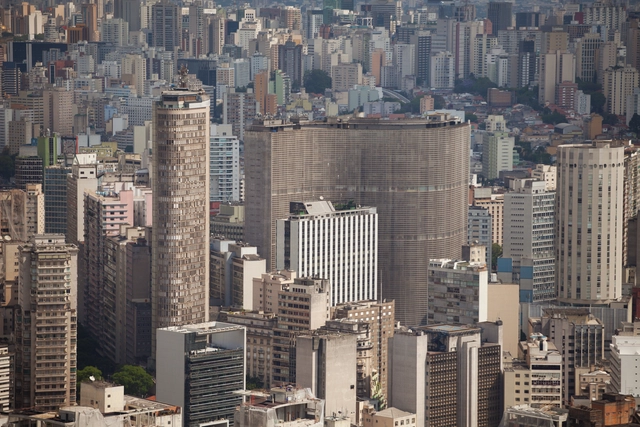
July 11th marks World Population Day, an annual event established by the United Nations Development Programme in 1990 to raise awareness of global demographic issues. This is a highly pressing issue today; not only is the global population projected to reach nearly 10 billion by 2050, but the latest UN-Habitat reports estimate that two-thirds of us will live in cities by then. Furthermore, this year is particularly notable because India has become the world's most populous country, reaching 1.4286 billion people—a milestone that naturally raises the question of what it means to build for billions.
World Population Review annually tracks urban growth and metropolitan populations to understand global development trends. Although the list of the 20 most populous cities in the world features familiar Asian hubs such as Tokyo in Japan, Delhi in India, and Shanghai in China, it also includes several Latin American giants. Among them are São Paulo, Mexico City and Buenos Aires, which recorded year-over-year growth rates of 0.85%, 0.89%, and 0.78%, respectively.
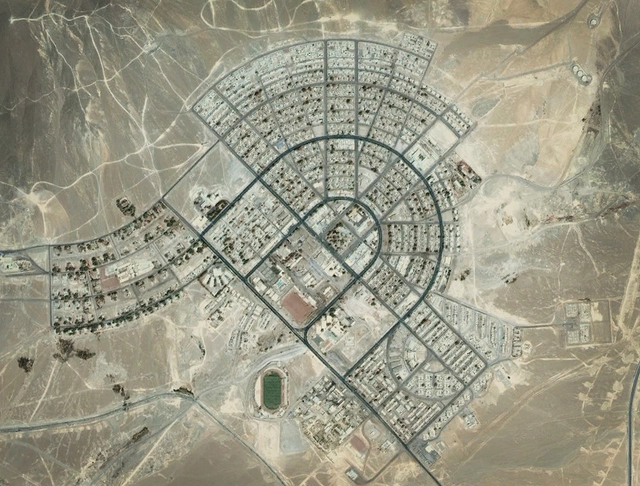
El Salvador was founded by the Andes Mining Copper Company in 1959, [1] in the southern area of the Despoblado de Atacama. It originated as a new copper company town [2] designed to fulfill residential and labor functions related to copper mining, based on a project by American architect Raymond Olson of Anaconda-Jurden Associates, Inc. It operates the underground Inca mine, as well as the Campamento Antiguo and Damiana Norte open-pit mines. It complements the smelter located in the company town of Potrerillos, 72 km away. El Salvador was first "Chileanized," later "nationalized," [3] and finally integrated into the Chilean state company CODELCO during the 1980s.

“Rodrigo de Castro: Between Forms and Colors”
For the first time, the artist presents steel sculptures with automotive paint, alongside recent canvases, at Galeria Patrícia Costa, curated by Vanda Klabin