With its sights set on the future, in 2024, the Universidad Católica del Uruguay is adding the Architecture, Design, and Environment program to its academic offerings. Felipe Reyno, PhD in Architecture and director of this new degree program, reflects on the need to train architects with a contemporary, contextual, diverse, critical, and collaborative perspective.
Aiming to promote independent design, contemporary craftsmanship, and Brazilian art, the Feira na Rosenbaum has chosen Belo Horizonte for another edition of "Feira pelo Brasil," taking place from November 23 to 26 at the historic Mercado Novo, located at 742 Olegário Maciel Avenue, in the city center.
The Museu A CASA do Objeto Brasileiro is hosting the SP Artesanal Christmas Fair, an initiative that blends art, solidarity, and culture, featuring over twenty exhibitors. The exhibition will take place from November 24 to 26 at the Espaço de Encontros of the Museu A CASA, located at 1216 Av. Pedroso de Morais, in Pinheiros, São Paulo.
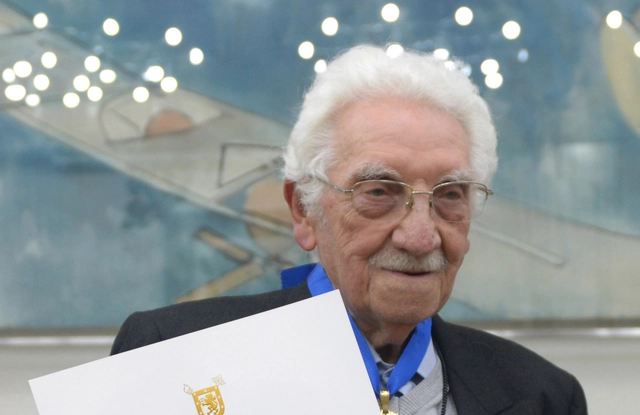
Courtesy of Communications Unit, Faculty of Architecture and Built Environment, University of Santiago, Chile
The Universidad de Santiago de Chile awarded its highest academic distinction to architect Miguel Lawner Steiman, who received an honorary doctorate on November 16.
Everyone is eager to return to the new routine of the future that lies ahead. The COVID-19 pandemic has demanded daily innovation as well as adaptation in the way we live. Solutions are highly diverse. Many of them were already available but, under normal circumstances, might have taken years to be tested and approved. Others are not only old acquaintances but have long been advocated and demanded by us. Now that they have had to be implemented in record time, our only certainty is this: nothing will be as it was before.
https://www.archdaily.com/1123792/pedestrian-mobility-in-times-of-pandemicWans Spiess, Kelly Fernandes e Ana Carolina Nunes
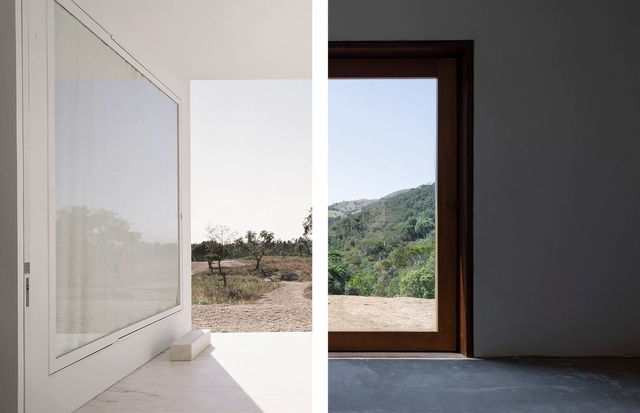
This Wednesday, April 22, FAU Encontros will host the first episode of tão longe, tãoperto, a debate series proposed by architect and professor Marta Bogéa. Lisbon-based architect Manuel Aires Mateus and São Paulo-based architect Marina Acayaba will join the conversation.
Among the diverse range of programs and typologies within architectural and urban practice, public and cultural projects perhaps have the greatest impact on urban life. This type of program is certainly compelling, as it involves designing buildings and spaces that will be appropriated by a vast number of users with diverse demands and ways of occupying space.
Repurposing an existing structure, either by assigning it a new use or simply improving its condition, is a smart strategy in our current environmental context of rapid resource consumption. While finding ways to rehabilitate a building is a core task of architecture, the mission becomes far more complex when the pre-existing structure is imbued with deep cultural and historical value. Indeed, intervening in—and altering—architectural heritage means redesigning the past and prescribing a future, which may or may not introduce new ways of using the space.
At 60, Brasília continues to command attention. No one seems indifferent to the flaws and merits of the first contemporary city to be designated a World Heritage Site. On the anniversary of the Brazilian capital, we look at its walkability, exploring why the controversies surrounding its lack of urbanity are well-founded.
In celebration of Brasília's 60th anniversary, filmmaker Pedro Rodolpho has made his documentary O Corpo e a Cidade Modernista available to the public for free. The film was screened at several of Europe's most prestigious film festivals in 2018, the year of its release.
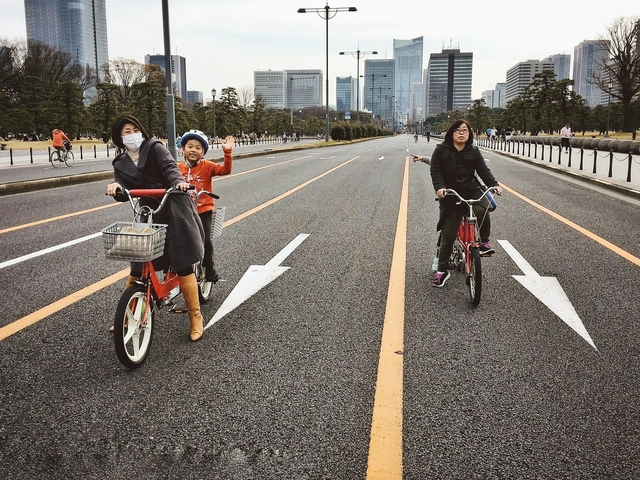
To promote greater physical distancing and encourage alternative modes of transportation—both for essential workers commuting during the novel coronavirus pandemic and for residents allowed to exercise outdoors—cities around the world are revising transportation policies and repurposing vehicle lanes for cyclists and pedestrians.
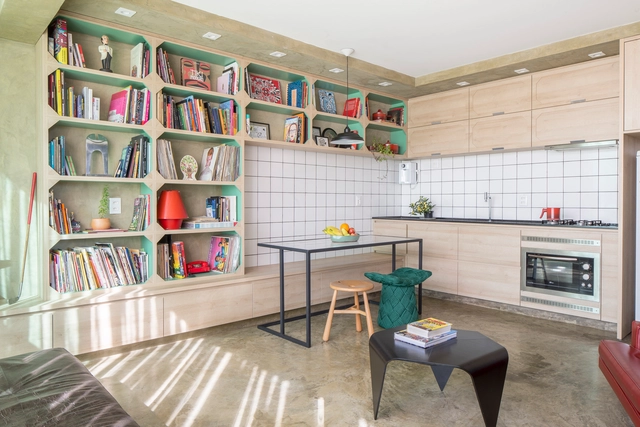
Have you ever heard of banquette seating? Frequently used in bars and restaurants, this layout features a sofa or fixed bench positioned directly against the wall next to the dining table. This saves space by eliminating the need for circulation behind those seated. Once used primarily in commercial settings, this design feature is now being widely embraced in residential projects, especially those with limited square footage.
The COVID-19 pandemic has caused a rapid increase in hospitalizations for severe acute respiratory syndrome (SARS) in Brazil, and is expected to severely strain the capacity of the Unified Health System (SUS). Major cities already have confirmed cases among socially vulnerable populations. In this context, it is crucial for healthcare planning to identify where socially vulnerable groups with limited access to the SUS live, and which healthcare facilities are likely to face the most severe bottlenecks in meeting the demand for hospitalizing critically ill patients.
https://www.archdaily.com/1124206/coronavirus-inequality-and-access-to-the-sus-where-the-most-vulnerable-liveITDP Brasil
While the first edition's theme was SHARE, and the second was CIRCULATE, the 3rd Tomie Ohtake Institute Leroy Merlin Design Award proposes REVIEW as its core concept—an opportunity to look at our social and environmental context, critically analyze it, and ask: how can a project contribute based on what is already in place?









.jpg?1587585598 "© jonas bjerre-poulsen")
.jpg?1587585773 "© jonas bjerre-poulsen")
.jpg?1587585945 "© jonas bjerre-poulsen")
.jpg?1587585310 "© jonas bjerre-poulsen")


.jpg?1587595972 "© Jonas Bjerre-Poulsen")
.jpg?1587594947 "© Jonas Bjerre-Poulsen")
.jpg?1587595064 "© Jonas Bjerre-Poulsen")
.jpg?1587595338 "© Jonas Bjerre-Poulsen")
