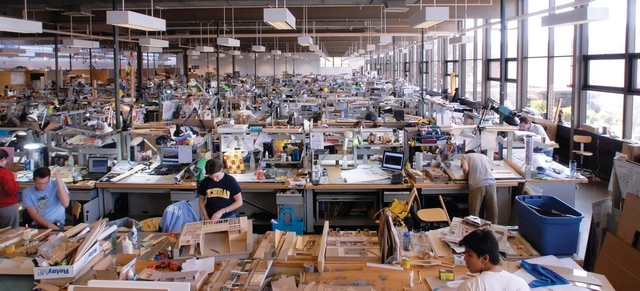
Is Apprenticeship the Way to Keep Architecture Education Relevant?. Image via University of Michigan
"I'm an architect... now what?" must be one of the most common questions for any recent graduate with an architecture degree in hand. Over the years, many will find jobs in different industries that do not necessarily involve working in an office designing and constructing buildings.
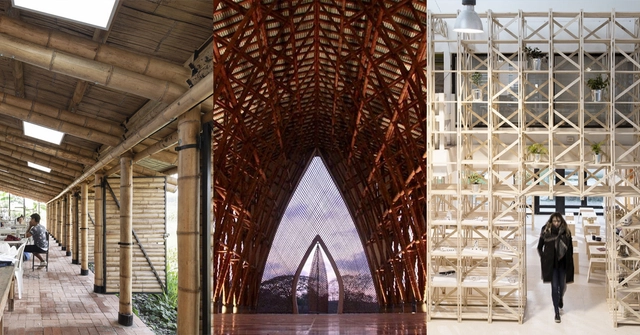
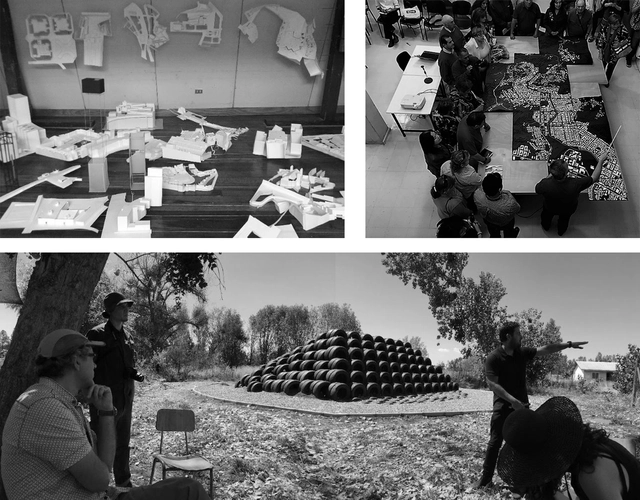
Abajo: U. de Talca. Arriba izquierda: Universidad de Valparaíso. Arriba Derecha: Taller de Barrios, GIDPRO (U. del Bío-Bío). Image Cortesía de Rodrigo Lagos Vergara y Macarena Paz Barrientos Díaz
Below, they present some of the most important points of their publication: three pedagogical actions in Chile that understand teaching as a central practice through the academic exercise of the design project.
https://www.archdaily.com/1132492/architecture-education-in-chile-1999-2019-ecological-potential-and-collective-political-senseRodrigo Lagos Vergara y Macarena Paz Barrientos Díaz
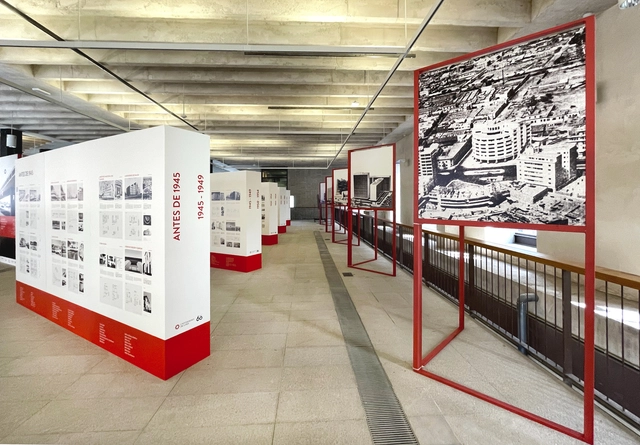
Catálogo de Arquitectura del Movimiento Moderno del Perú (CAMMP). Image Cortesía de Alejandra Acevedo
To promote Peruvian modern architecture internationally, the exhibition of the “Modern Movement Architecture Catalog of Peru (CAMMP)” opened on March 31 at the headquarters of the Official Association of Architects of Madrid (COAM) in Spain. The research, conducted by architects Alejandra Acevedo and Michelle Llona, was supported by the Architecture Program at the University of Lima and the Scientific Research Institute (IDIC), and will be open to the public until April 30 of this year.
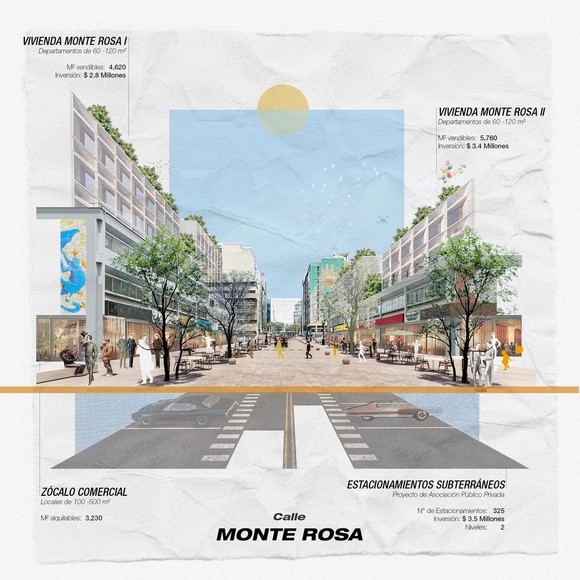
Cortesía de Nómena y Cuatro Cero Cuatro Arquitectura
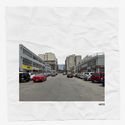
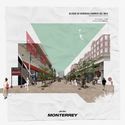
The power of visual representation in architecture fosters debate and reflection on various urban issues. "Imaginarios urbanos" (Urban Imaginaries) is a collective initiative by Nómena arquitectura and Cuatro Cero Cuatro Arquitectura. Through a series of evocative images, the project aims to raise awareness and drive change in the design of Lima's streets.
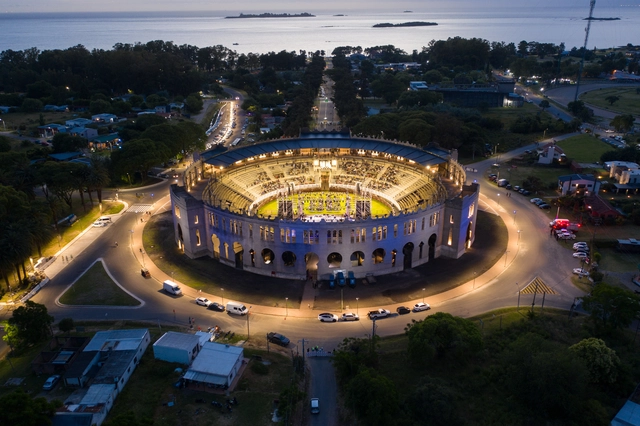
Recently opened in December 2021, the Plaza de Toros Real de San Carlos has been restored and repurposed to become a multi-purpose performance venue with a capacity for around 2,500 spectators in the stands and over 2,000 in the arena. Located in Colonia del Sacramento, Uruguay, this work, originally built by architect Josip Marković and engineer Dupuy, adopted a Neo-Mudéjar style, echoing the Spanish bullrings of that era.
When designing residential interiors, architects increasingly lean toward creating environments where flexibility and space optimization provide solutions tailored to programmatic and functional needs, helping to achieve the well-being and comfort that turn a house into a true home.
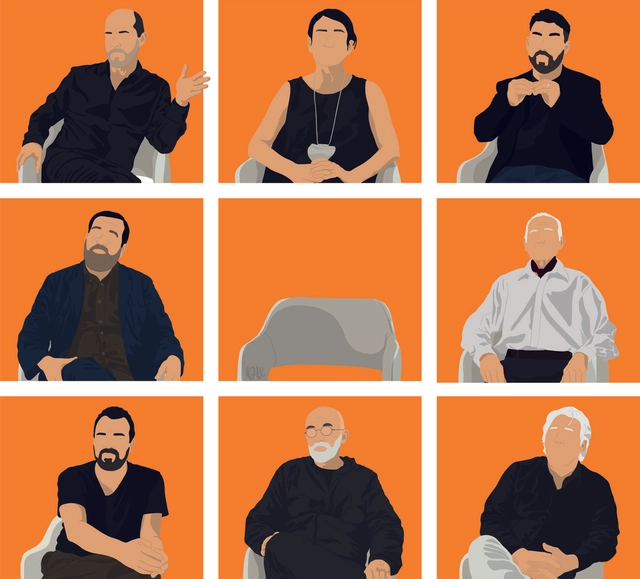
Desde la periferia is an audiovisual project directed by José Luis Uribe, PhD in architecture and professor at the School of Architecture of the University of Talca, Chile. The project consists of three documentaries to be released progressively over the next two years, exploring various aspects associated with contemporary Latin American architecture. The first installment, Volume I: Ugly, Dirty & Bad: A Contemporary Architecture in Latin America, is an audiovisual essay that gathers some of the initial thoughts on its current state through the oral accounts of a group of architects in a hotel room in Asunción, Paraguay.
Cortesía de Consejo Superior de los Colegios de Arquitectos de España
To promote the key, transformative role of architecture in improving quality of life and contributing to a better world, the Higher Council of Colleges of Architects of Spain (CSCAE) is revamping the awards it has presented since 1981 with the launch of the first edition of the ARQUITECTURA Awards.
Image by Enrique Guzmán. Corferias Active Edge. Image via BEP BOG 2021
Organized by the Colombian Society of Architects - Bogotá and Cundinamarca Chapter (SCA BC) and the Administrative Department of the Public Space Ombudsman (DADEP), the II Bogotá Public Space Biennial 2021 (BEP BOG) aims to recognize and showcase projects that contribute to the creation, recovery, and sustainability of public space in the city of Bogotá.
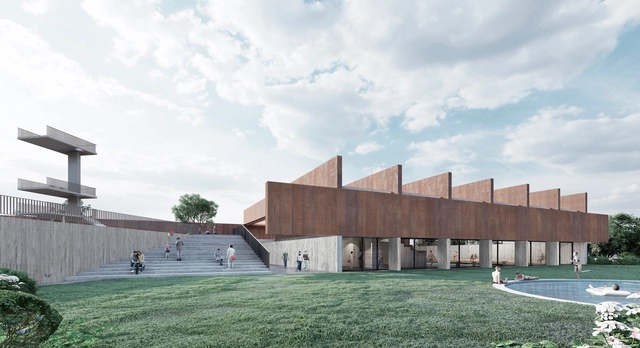
The New Municipal Swimming Pool of La Calera project in the Valparaíso Region is about to begin construction, as announced by the firm Gubbins Polidura Arquitectos on social media.
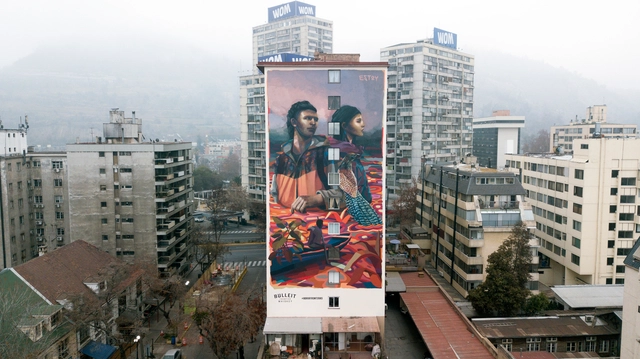
Arte Público de Estoy. Image Cortesía de Esteban Barrera
The city is in constant flux: monuments disappear, landmarks are forgotten, and new symbols emerge, prompting streets, plazas, and walls to redefine the urban landscape. In doing so, they offer new reference points, narratives, and ways of understanding the city, our history, and our society.
Thinking, discussing, and reconfiguring the city through art involves a series of processes. Researching territories, their inhabitants, sociocultural environments, and relational dynamics are essential pillars when designing and implementing installations that impact the city. The proliferation of large-scale artistic interventions that prioritize the purely aesthetic forces us to reflect on what we encounter in public spaces and how these encounters affect our daily lives.
August 19 is World Photography Day. To mark this occasion, we present the winning entries of the recent photography competition "Interculturality and Inhabited Heritage" ("Interculturalidad y Patrimonio Habitado").
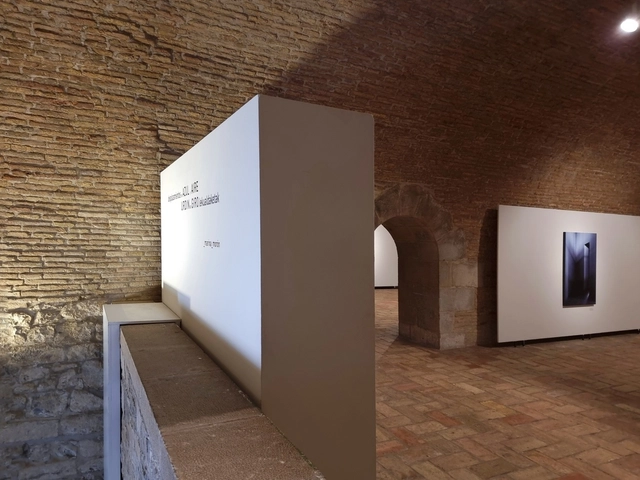
The internationally renowned art collective _marina_morón (comprising Dr. Jesús Marina, PhD in History, and architect Dr. Elena Morón, PhD) inaugurated their latest work at the Pabellón de Mixtos of La Ciudadela in the city of Pamplona. The exhibition is sponsored by the Basque-Navarrese Association of Architects and the Pamplona City Council, and will remain open to the public until March 15, 2022.
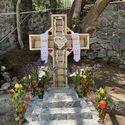
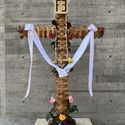
May 3rd is a holiday originating from the Finding of the Holy Cross (also known as May Cross or Feast of the Crosses), which traces its roots back to Roman rites celebrating the Cross of Christ. Over time, this commemoration has evolved and been adopted across cities in Mexico, Chile, Spain, Ecuador, El Salvador, Guatemala, Paraguay, Peru, Trinidad and Tobago, Argentina, Colombia, and Venezuela, where traditions include floral decorations, processions, and dances.
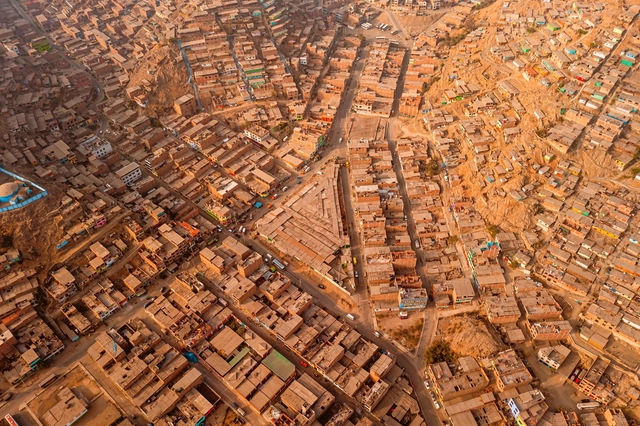
San Juan de Lurigancho, Lima, Peru. Image by MarcoRosales. Image via Shutterstock
The IPCC has published its latest report on the environmental crisis, "Climate Change 2022: Impacts, Adaptation and Vulnerability." The latest findings warn that urgent priority must be given to action on the adaptability of the built environment, noting that, globally, the most rapid growth in urban vulnerability has occurred in informal and unplanned settlements, as well as in small to medium-sized urban centers in low-income countries with limited adaptive capacity. This is a recurring reality across Latin America.
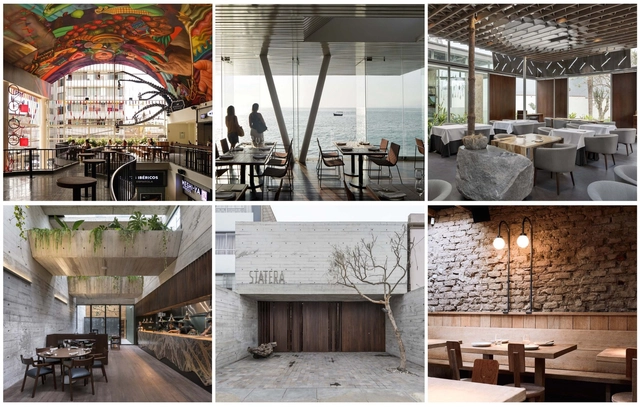
Collage: Kevin Fu Fang, Cristobal Palma, Eduardo Hirose, Renzo Rebagliati, Iván Salinero
The world of gastronomy is about far more than just food; space plays a vital role in the overall dining experience. To achieve this, architecture transcends mere functionality to cultivate distinct atmospheres through the meticulous curation of light, acoustics, color, texture, and form, ensuring both intimacy and comfort for diners.
The city of Lima—capital of Peru, a preeminent culinary destination—features a diverse array of restaurants and cafés that reflect the country's rich heritage. Below, we present a selection of 10 restaurants and cafés offering unique dining experiences across the city.
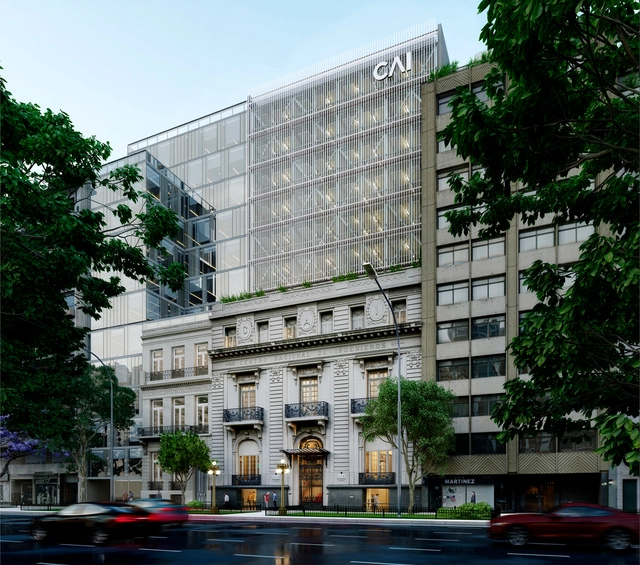
Sponsored by the Argentine Federation of Architecture Organizations (FADEA), the Argentine Center of Engineers (CAI) commissioned the Central Society of Architects (SCA) to organize and run the binding National Preliminary Design Competition for the Argentine Center of Innovation: Conservation, Preservation, and Adaptation of the CAI Headquarters, located in downtown Buenos Aires, Argentina.
Could a space be one and many at the same time? Under the name Minimum Common Multiple, Estudio BNAA has designed a space of minimal footprints—typically used for commercial premises or offices—with the unique feature of being able to transform into multiple spaces simultaneously. Located in San Luis, Argentina, the project references the mathematical concept of the least common multiple (LCM) but from a different approach and function, combining movement, flexibility, and the use of magnetism as a construction system.
In this conversation for LA ESCUELA___, Miguel Braceli and Cecilia Vicuña reflect on the artist's pedagogical experiences, her understanding of architecture as a transformative force, and the potential of precariousness in Latin America as a source of creation.
Cecilia Vicuña (Santiago, Chile, 1948) is a Chilean visual artist and poet; throughout her extensive career, she has explored themes related to nature, ancestral knowledge, and feminism. Based in New York, Vicuña safeguards and shares a deep wisdom regarding her Indigenous roots, as well as her experiences from nomadic journeys around the world, where acquired knowledge takes on intangible, "virtual," and collective forms through oral tradition and listening, weaving, and ritual.
Ana García, architect and founder of NeuronaLab, recently interviewed Aureli Soria-Frish from the company Starlab. They discussed how the latest technological advances are increasingly being used to objectify neural activity and the emotional states associated with architectural spaces. Below, she shares her key reflections.
https://www.archdaily.com/1132615/neuroscience-how-to-measure-the-perception-of-architectural-spaceAna García
Mexican interior designer and artist Olga Hanono has been invited to present her latest exhibition, DREAMVILLE, at La Biennale de Venezia Modigliani Opera Vision, from May 1 to July 31, 2022. The collection is inspired by the human capacity to dream, reflecting on imaginary objects that might exist within a dreamscape, along with the variety of colors and shapes found in distant stars, planets, and galaxies. Hanono has created art pieces and furniture using unconventional, luxurious materials.
For the third time since its founding in 2002, Colombia will host the Latin American Social Workshop of Architecture Students under the name 'Tejiendo Paisajes: TSL Manizales 2022', marking the event's first edition since the start of the pandemic.














.jpg?1653504502)