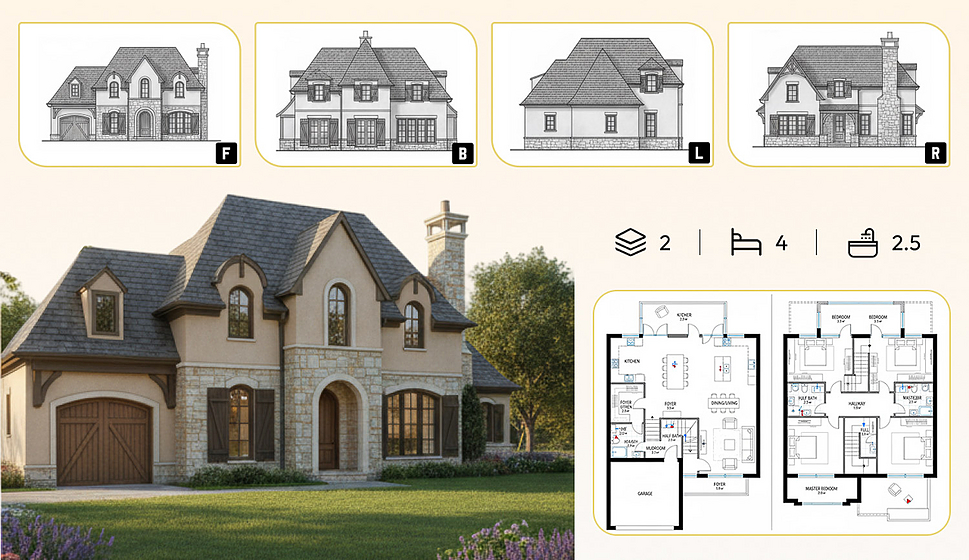
This guide covers a workflow that moves from project parameters to generated floor plans, 3D perspective views, exterior design exploration, and site context visualization, using AI tools in place of preliminary CAD and rendering work.
This guide covers a workflow that moves from project parameters to generated floor plans, 3D perspective views, exterior design exploration, and site context visualization, using AI tools in place of preliminary CAD and rendering work.
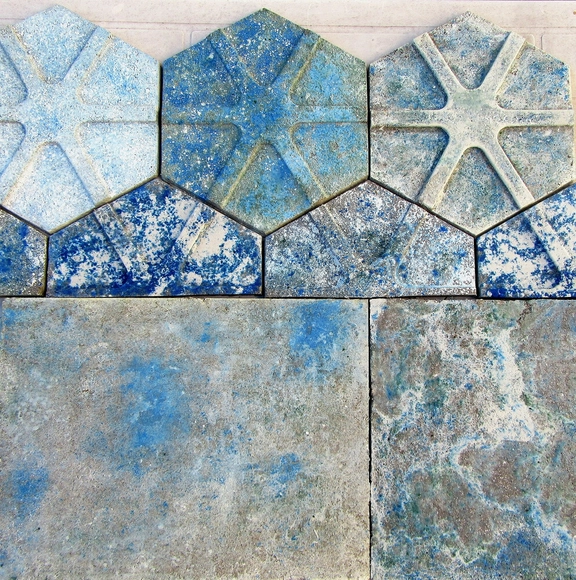
This research on cultivable components as a replacement for petroleum derivatives in products used to manufacture materials from waste is carried out within a UBACyT Project directed by architect Marta Yajnes, within the framework of the Centro Experimental de la Producción (CEP) of the School of Architecture, Design, and Urbanism at the University of Buenos Aires.
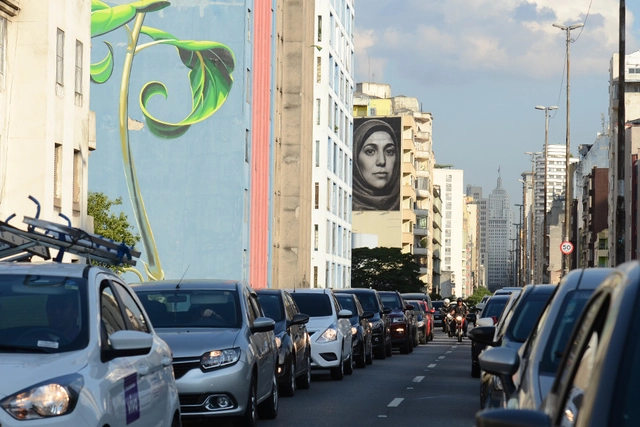
Over the last two decades, the reach of public transit and ridership in one of the world's largest cities, São Paulo, have grown, reducing the share of trips made by car. Yet, despite exceptionally strict restrictions on certain cars and trucks during business hours, congestion—as conventionally understood—remains virtually unabated.
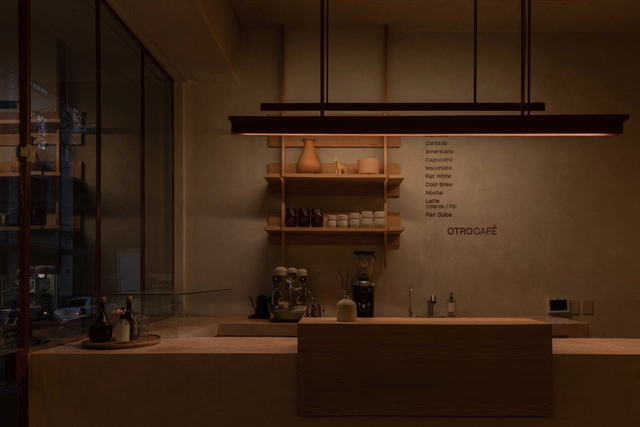
OTROCAFÉ is located on the ground floor of the iconic YWCA building, in the heart of Mexico City's Historic Center—a space steeped in over a century of history. The project was conceived as an integrated architecture and design proposal, a vision reflected in its creative framework. The cafe's design combines several key elements: subtle red accents, wood featured in both the custom furniture and as a continuous envelope wrapping the space, raw walls pigmented with a lime-based plaster, and soft, warm lighting that completes the atmosphere.
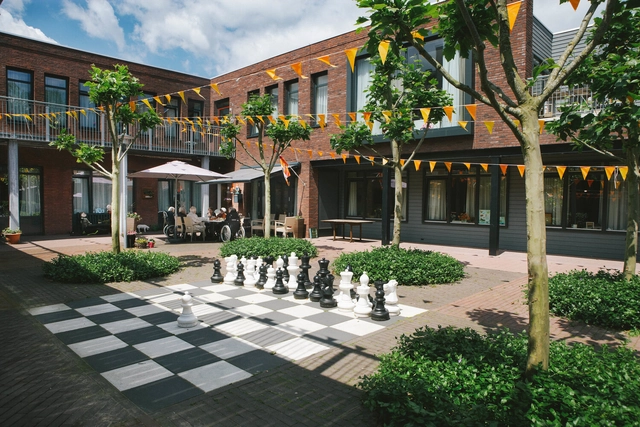
Dementia villages, or communities designed for people living with dementia, represent an innovative model of care for individuals experiencing cognitive decline, such as Alzheimer's disease. These environments are adapted and welcoming, fostering a sense of community while promoting resident autonomy and well-being.
Neuroarchitecture and dementia villages are closely linked, as both seek to create spaces that enhance the well-being and quality of life of those with dementia. Combining neuroscience with design, neuroarchitecture explores how the physical environment impacts the human brain and behavior.
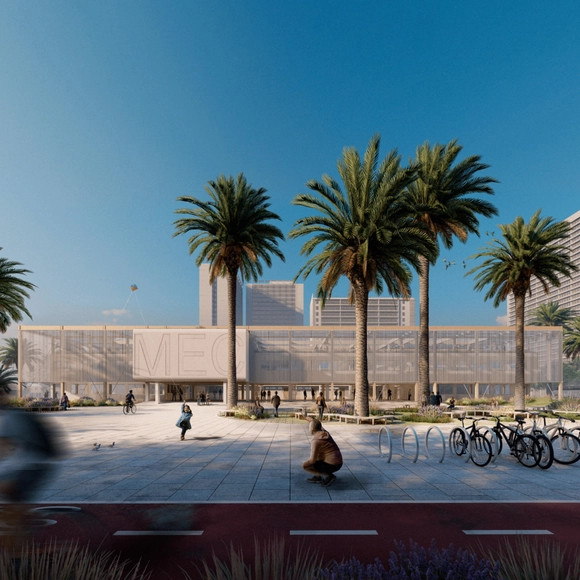
Greenhouse gas emissions from the operation of existing buildings are significantly higher than those generated by new construction—that is, from materials and their use during construction, which account for 25%, while building operations represent 75% of emissions. And this is without accounting for the vast number of buildings falling under the concept of energy poverty.
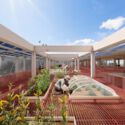
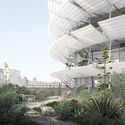
Against this backdrop, the 'Proyectar a Conciencia' (PAC) competition continues to advance the debate surrounding "building better versus improving what is already built" in its fifth edition. As always, the competition invited students and architects to present a vision of a better society through the energy retrofitting and partial physical transformation of institutional, private, or public infrastructure.
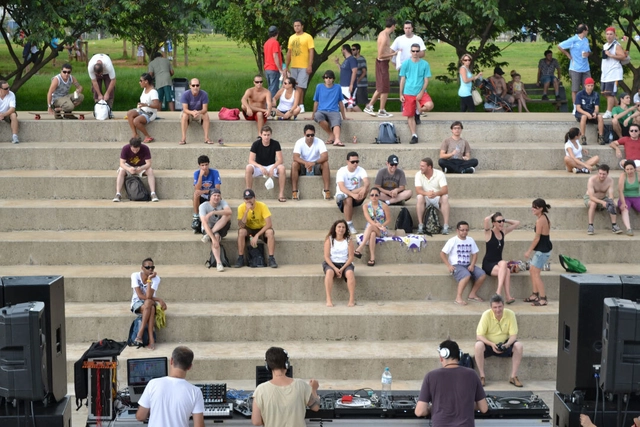
A few days ago, on a beautiful, sunny Sunday in the middle of winter, my wife and I decided to take our two young children to visit Villa-Lobos Park, in the far west of the city of São Paulo, nearly on the border with Osasco.
It is not a park we visit often nowadays, but it undoubtedly holds a special place in our personal history. She grew up in Cotia; I, in Osasco. Both cities lie in the western part of the São Paulo Metropolitan Area, and the park was perhaps the main public space relatively close to our homes during our childhood and youth. We even have photos from when we first started dating in 2013, capturing idle moments—sometimes stretched out on a broad green lawn, other times embracing under a blossoming tree.
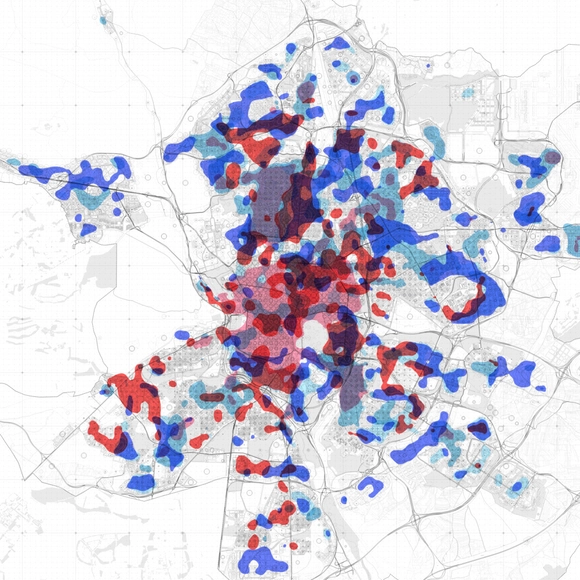
As if dealing with a culinary recipe, Cedric Price compared the evolution of cities to the multiple ways of cooking an egg, showing how the relationship between the yolk and the white (inherent to each preparation) resembled the configuration of different urban models that have emerged over the last couple of millennia. This evolutionary description moves from the almost perfect hard-boiled egg embodied by ancient cities (the result of walled settlements) to scrambled eggs, comparable to modern cities (sprawling shapelessly across the vast territory). It is a metaphor that exemplifies how, so often, the elements that make up the city resemble one another (like the yolk and the white) and yet, the way these ingredients intermingle is key to the final recipe—that which characterizes and explains them.
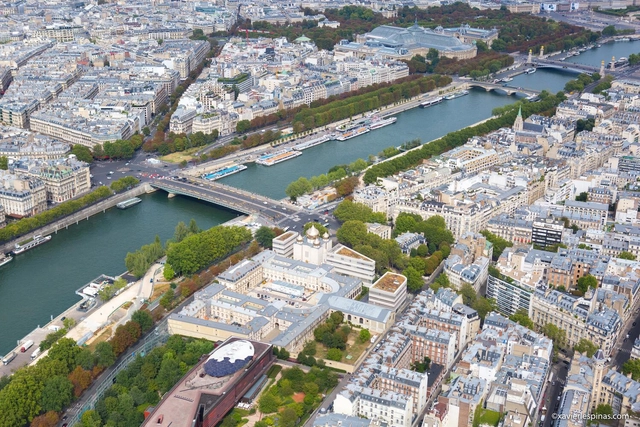
Until a few years ago, the right bank of the Seine River in Paris was a high-speed thoroughfare carrying more than 40,000 vehicles every day. Despite being designated a UNESCO World Heritage Site, the roadway was routinely gridlocked during rush hours or used as a speedway for cars. Consequently, it contributed to the city's air pollution levels—which frequently exceeded European Union limits—and to thousands of premature deaths in the French capital each year.
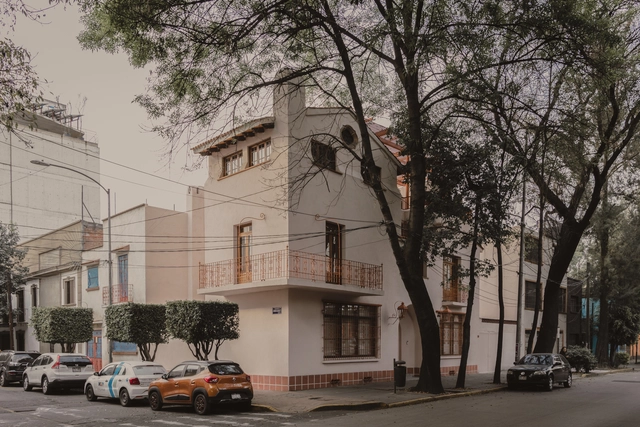
A new space has opened its doors in a 1930s house in the San Miguel Chapultepec neighborhood of Mexico City. This cultural enterprise, named ARCO, merges art, design, and architecture to create a collaborative venue housing the architecture firm WORC and the furniture-focused design studio VETA.
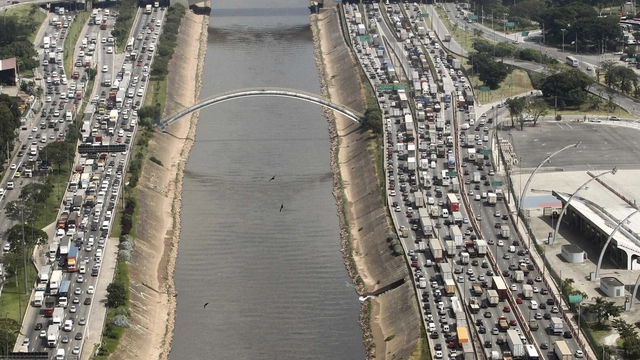
The construction of urban highways continues to expand worldwide. In Latin America, major projects are underway in Santiago (Américo Vespucio Oriente), Lima (Línea Amarilla), Quito (Solución Vial Guayasamín), São Paulo (Rodoanel Mário Covas), and Mexico City (Segundo Piso a Cuernavaca), to name just a few.
In Colombia, the national government announced a new program to improve access to urban areas during the 18th Congress of the Colombian Chamber of Infrastructure. In the words of Colombian President Juan Manuel Santos, “Our goal is also to transform access to cities. It is of little use to save time on intercity trips if that time is then lost within urban areas.”
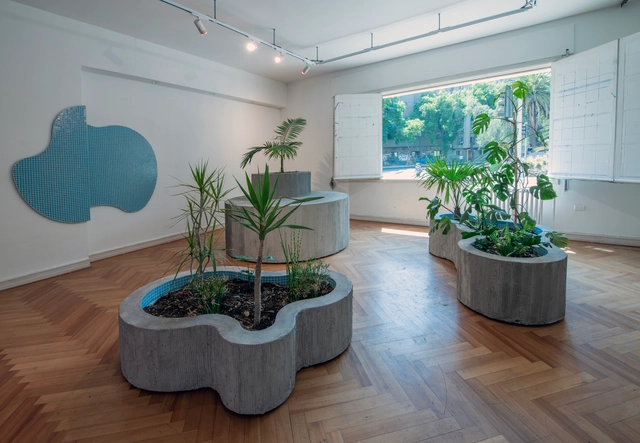
Barco gallery is located in downtown Santiago, right next to Santa Lucía Hill. It occupies an apartment in the homonymous building designed by Sergio Larraín, celebrating a pioneering work of Chilean modern architecture. It is a curatorial practice dedicated to the debate, research, and development of critical and innovative ideas concerning the discipline through exhibition cycles. Its most recent exhibitions include 1972: Cities for Downtown Santiago, You Will Only Have Stones and Additive Manufacturing Shelf.
In partnership with the Embassy of Brazil in Chile, they organized a tribute to the leading figure of Brazilian modern architecture: Lina Bo Bardi. The exhibition "Sirena" by artist Jessica Briceño, curated by Matías Allende Contador and Anton zu Knyphausen, places Bo Bardi's disciplinary work at the center of reflection through an immersive installation that brings together five pieces abstracting her most recurring motifs.
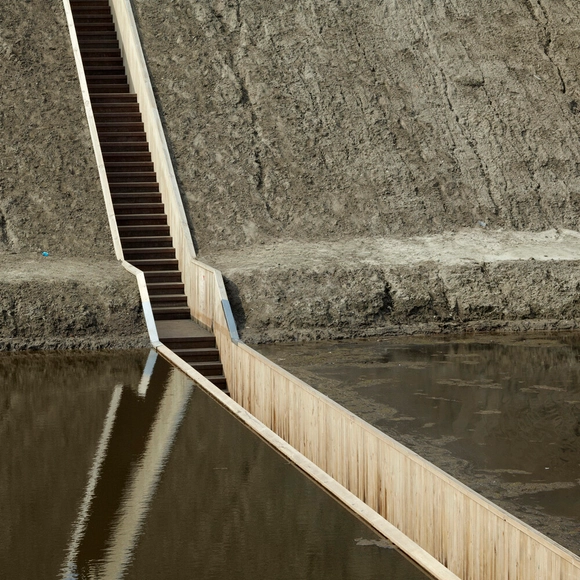
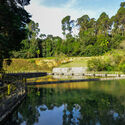
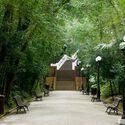
It is increasingly common to observe how current generations, characterized by greater respect and awareness of the environment, seek new ways to interact with nature while assuming a deep responsibility to protect it. Accordingly, the future of architecture is closely tied to the ability to balance these desires and obligations, particularly in the design of natural public spaces.
By integrating subtle paths and walkways, public space design can open up access for people of all ages and abilities. Combined with a natural material palette, architects and designers can create spaces that complement their surroundings. Yet, however beautiful these natural areas may be, making them safe and suitable for visitors can have detrimental effects on the environment. Consequently, design and material selection must be approached mindfully and with care.
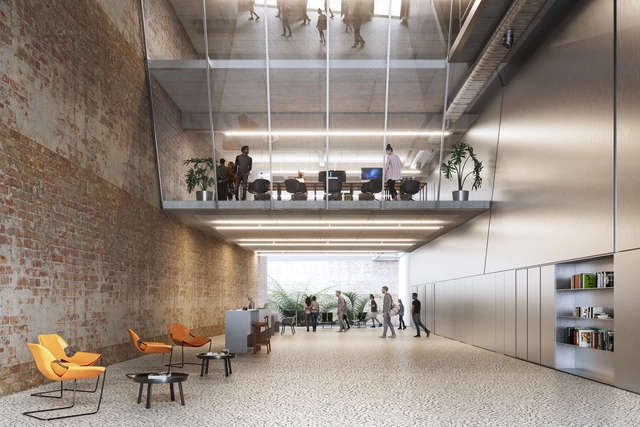
The Council for Architecture and Urbanism of São Paulo (CAU/SP) announced the three selected proposals in the first stage of the national competition to renovate the CAU/SP headquarters building, alongside honorable mentions and highlights. The competition registered 49 entries from firms across different regions of Brazil, receiving a total of 29 proposals.
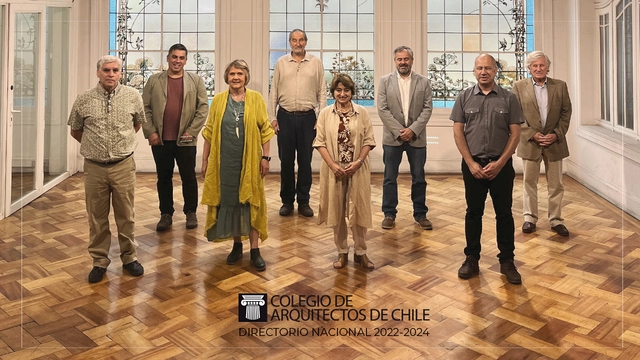
On Friday, January 20, 2023, during the Constitutive Session of the new National Board elected by our members in the 2022 CA Elections, the new Executive Board and officers of the Colegio de Arquitectos de Chile were chosen for the 2022–2024 term.
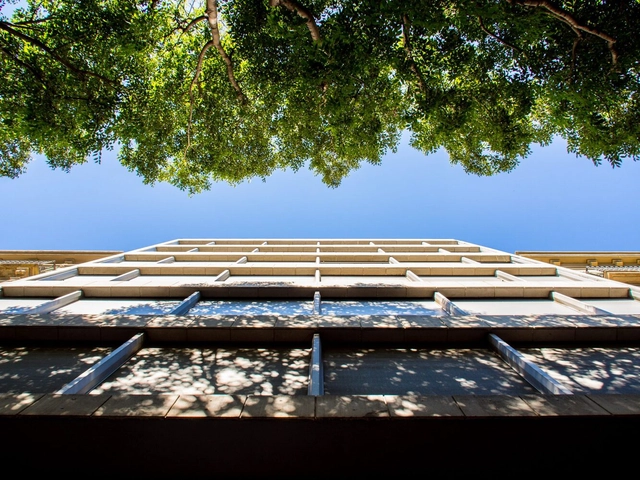
Over 4% of deaths in European cities during the summer months are due to urban heat islands, and one-third of these deaths could be prevented if tree canopy cover reached 30%. These are the main findings of a study recently published in the journal The Lancet and conducted by the Barcelona Institute for Global Health (ISGlobal).
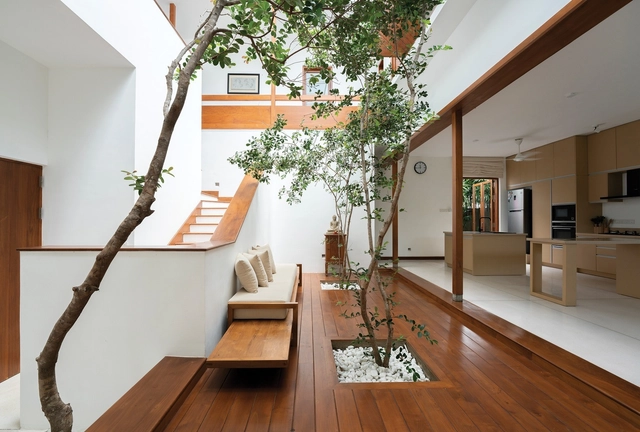
Residential architecture plays a vital role in people's lives, influencing their quality of life and well-being. To design environments that are truly tailored to the biopsychosocial needs of each user, it is essential to incorporate the principles of neuroscience applied to architecture. In this regard, Rudolf Steiner's Seven-Year Cycles theory offers a valuable conceptual framework for understanding the different phases of life and their implications for home design. This article addresses the stages of the architectural project, from briefing to execution, highlighting the relevance of cognitive and behavioral neuroscience concepts—such as priming, framing, nudging, wayfinding, salutogenic design, and biophilic design—in light of the Seven-Year Cycles theory.
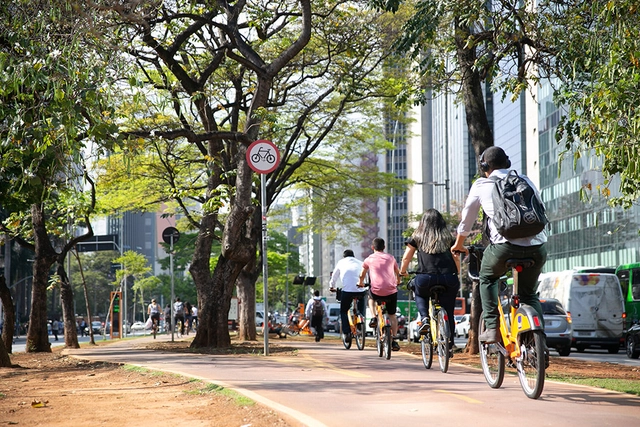
From the mid-20th century to the present day, time lost in traffic has become one of the primary sources of frustration in urban life. Historically, the classic formula for combating this problem has been to add more and more car lanes and build overpasses, based on the unfulfilled promise of improving traffic flow.
This consequence is well documented: every new car lane added represents a barrier to other modes of transportation and means longer travel distances for everyone. The result is induced demand—an invitation for more and more people to travel by car.
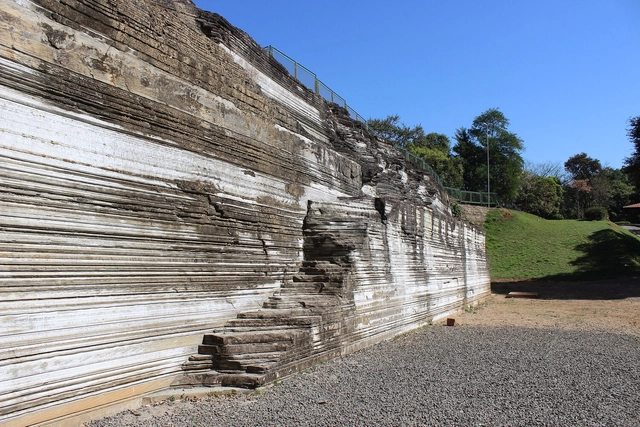
Studies link green areas to a reduction in anxiety and depression, boosted immunity in children, relief from loneliness in cities for adults, and even increased intelligence. Seeking outdoor leisure activities in contact with nature offers numerous benefits. To help you choose interesting places to visit in the state of São Paulo, we present a list of ten protected environmental heritage sites, compiled by the São Paulo State Secretariat of Culture and Creative Economy.
According to the Secretariat of Infrastructure and Environment, the State of São Paulo has 5,670,532 hectares of native vegetation in various stages of recovery. This area is equivalent to 22.9% of the state's territory. Below, check out some of the spaces that preserve this greenery. In addition to urban parks, trails, and campsites, the list even includes the headwaters of the Tietê River.
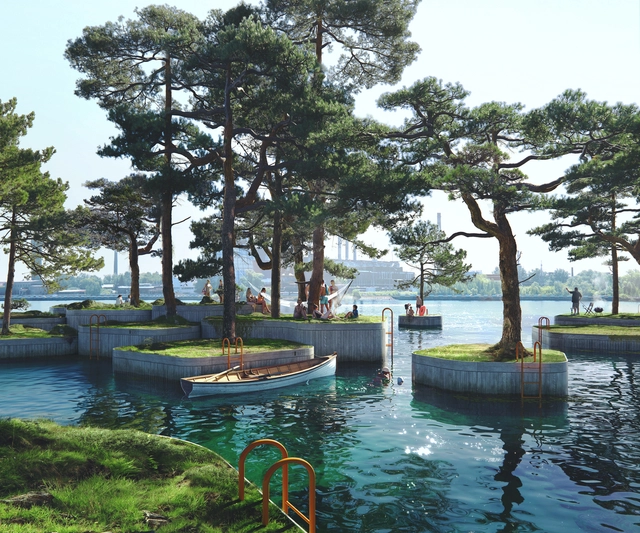
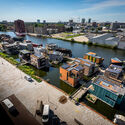
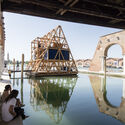
You are likely familiar with the story of a man who received a divine command to build an ark to shelter his family and animals of every species, saving them from a great deluge. This flood narrative, known as the story of "Noah's Ark," is found not only in the Bible but also in the Quran and many other cultures—with the Sumerian "Epic of Ziusudra" being the oldest known flood myth, dating back to 2000 BCE. These examples show that the forces of nature, by taking center stage in religious teachings, were already recurring concerns that inspired both fear and respect in early civilizations.
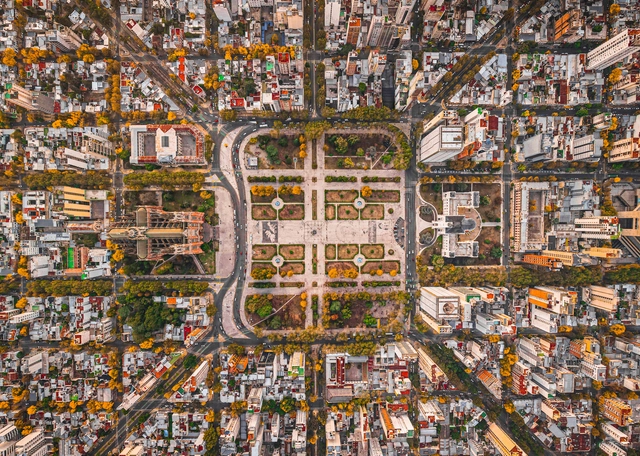
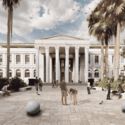
Located in Argentina, approximately 56 km (35 miles) southeast of the Autonomous City of Buenos Aires, stands the city of La Plata, founded on November 19, 1882, as the capital of the Province of Buenos Aires. As the product of the country's most ambitious urban and architectural undertaking, La Plata was conceived as a forward-looking city—one of the first in the world designed in accordance with the new principles of urban hygiene and rational construction generated by 19th-century scientific advancements. Furthermore, the city was showcased at the 1889 Paris Exposition Universelle, the grand exhibition celebrating the centennial of the French Revolution.
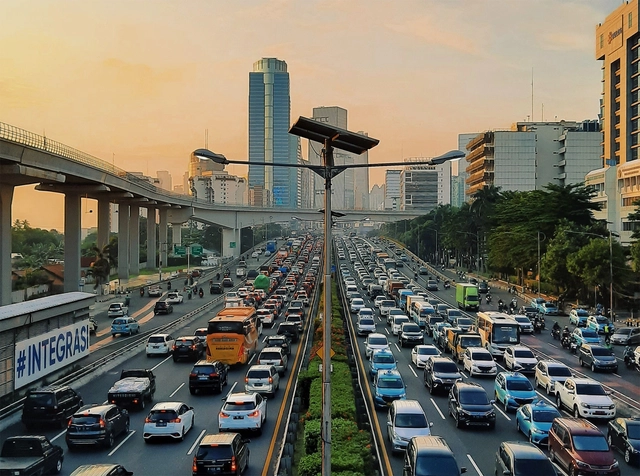
There is a stereotype that in poor countries, where few people own cars, alternatives to the automobile are flourishing. I saw a Mastodon post making this claim, and I pointed out in the comments that this is not quite true. This is a more detailed version of what I said in 500 characters. In short, across most of the Third World, public transit is poor, and almost all passengers who use vans and buses do so out of poverty, as do most people who walk.
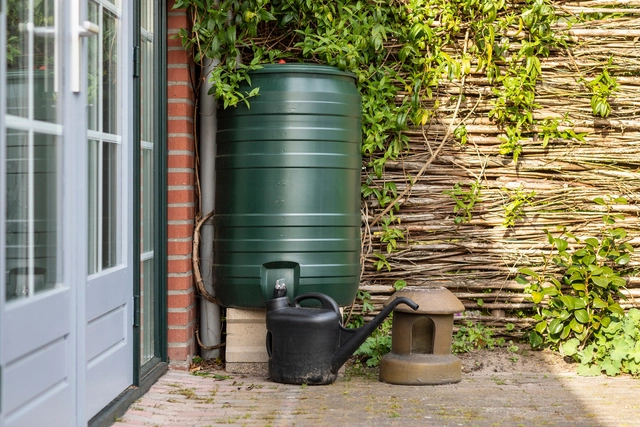
Each person needs about 110 liters of water to meet their daily consumption and hygiene needs. However, in Brazil, daily consumption can exceed 200 liters per person, according to Sabesp. Due to high water pressure in apartment buildings, this consumption can be even higher. Furthermore, the country loses about 40% of all treated water captured, according to 2022 data from Instituto Trata Brasil. Nonetheless, at least within the home, this waste of clean water can be mitigated through a few simple changes.
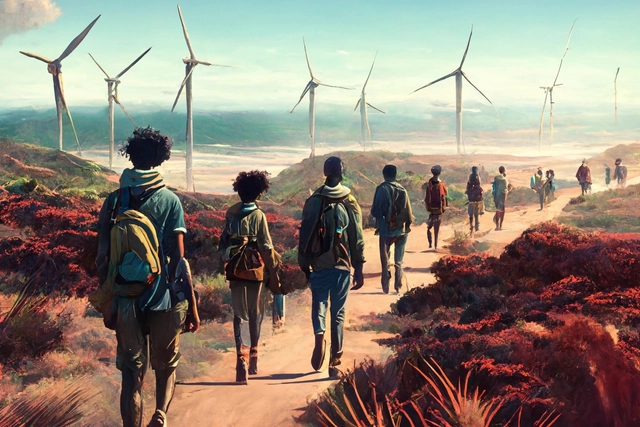
What does 2023 hold for development and the environment?
The end of 2022 certainly left us in an interesting—yet troubling—position. A three-year-old pandemic proved far from over, sickening millions and straining economies. Global inflation reached 9%, its highest level since 2008. Russia's invasion of Ukraine forced millions of people to flee their homes, triggering cascading effects in food and energy systems worldwide. Meanwhile, the impacts of climate change—from catastrophic flooding in Pakistan to scorching heatwaves in India and severe droughts in Africa—compounded these threats.
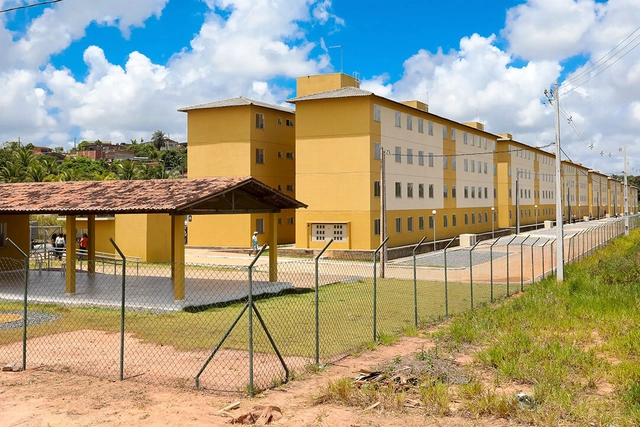
I suspect many readers here experience the same, shall we say, “predicament” as I do: as soon as we step outside our “bubble,” advocating for urban design principles that seem obvious to us — such as eliminating fences and walls, and promoting public access, visual permeability, mixed-use zoning, and active frontages — inevitably runs into the same obstacle: the lack of public safety.