
You are likely familiar with the story of a man who received a divine command to build an ark to shelter his family and animals of every species, saving them from a great deluge. This flood narrative, known as the story of "Noah's Ark," is found not only in the Bible but also in the Quran and many other cultures—with the Sumerian "Epic of Ziusudra" being the oldest known flood myth, dating back to 2000 BCE. These examples show that the forces of nature, by taking center stage in religious teachings, were already recurring concerns that inspired both fear and respect in early civilizations.

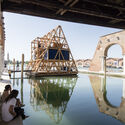
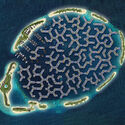


Today, many centuries and technological advances later, we remain plagued by the threat of environmental disasters—a vulnerability that, far from being under control, increases by the day. Focusing solely on the specific scenario "experienced" by Noah, studies estimate that by the year 2100, sea levels will rise by 1.5 meters. The Maldives and the Bahamas will disappear from the map, as will luxury cities and towns along the European coast. It is also estimated that more than 150 million people living in low-lying coastal areas will have their lives threatened, triggering an unprecedented wave of mass migration.


