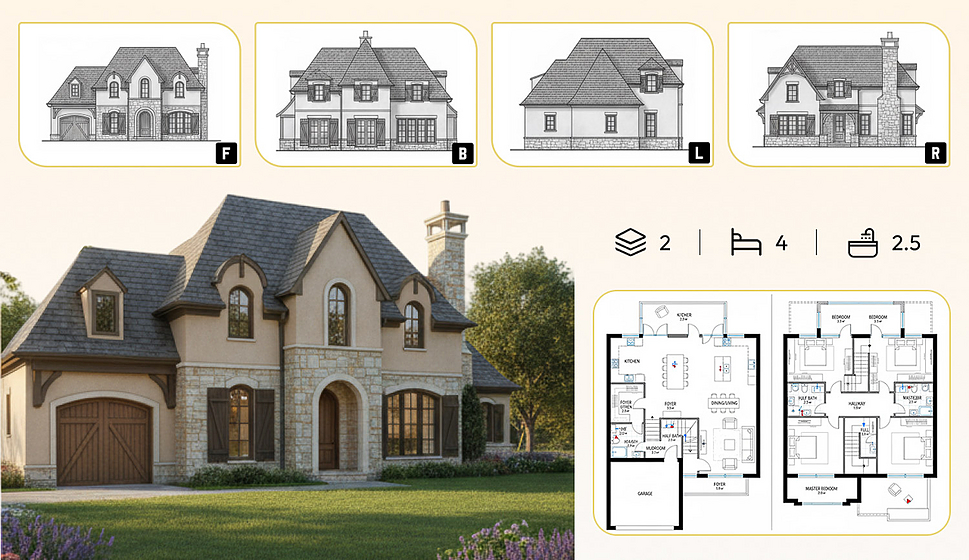
This guide covers a workflow that moves from project parameters to generated floor plans, 3D perspective views, exterior design exploration, and site context visualization, using AI tools in place of preliminary CAD and rendering work.
This guide covers a workflow that moves from project parameters to generated floor plans, 3D perspective views, exterior design exploration, and site context visualization, using AI tools in place of preliminary CAD and rendering work.
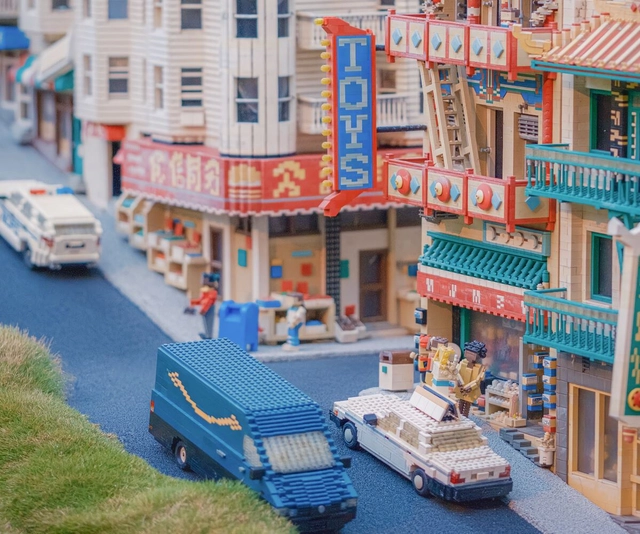
Cities are constantly evolving, and technological innovations play a significant role in this process. So-called "smart cities" have been a major topic of discussion in recent years, but what does this actually mean? How can technology contribute to better urban management? And how can we ensure that these new possibilities do not further deepen social inequalities?
With an academic background in biological sciences, psychology, environmental engineering, and energy management, Salvador Rueda speaks with ArchDaily in Costa Rica about sustainable mobility, urban planning, and the implementation of superblocks in Barcelona.
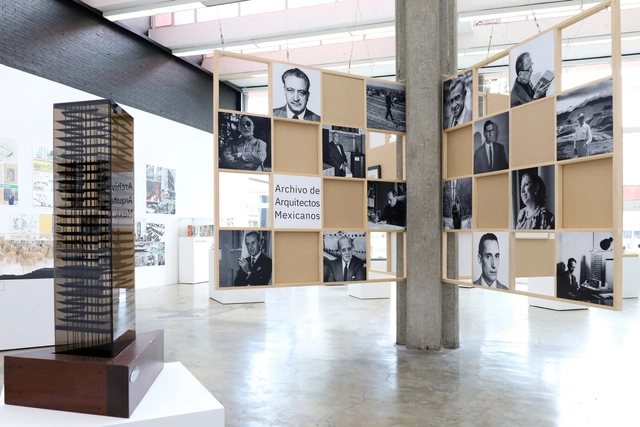
In November 2022, the María Luisa Dehesa Gallery of the Faculty of Architecture at UNAM hosted the first exhibition compiling twenty years of the Mexican Architects Archive, showcasing a variety of documents and objects preserved under its care. The AAM was founded in January 2002, and since its inception, it has become one of the most important archives in the country, thanks to donations by the families of some of the Modern Movement's most influential architects in Mexico.
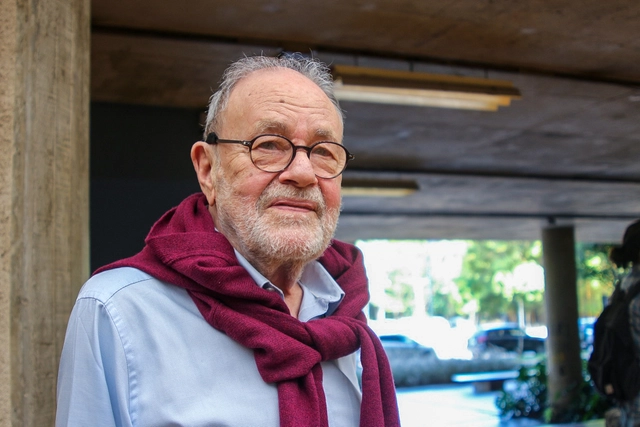
Sérgio Ferro is a Brazilian architect, artist, historian, and architectural critic who, due to his political activism during the military dictatorship, was imprisoned and exiled to France in the 1970s. Throughout his career, he has observed and intervened in the production spaces of civil construction, developing a critique of the production of plastic arts and architecture based on the construction process and its agents: the construction site, technologies, materials, and the builder.
In a historical context dominated by Eurocentric and male references, Ferro, along with architects Rodrigo Lefèvre and Flávio Império, formed Arquitetura Nova, a group that proposed debates centered on architectural production, the social role of the architect, and the relations of production on the construction site, challenging hegemonic thinking and practices, whether in design practice or academia. Following his exile, unable to practice as an architect, he dedicated himself to teaching at the École Nationale Supérieure d'Architecture de Grenoble.
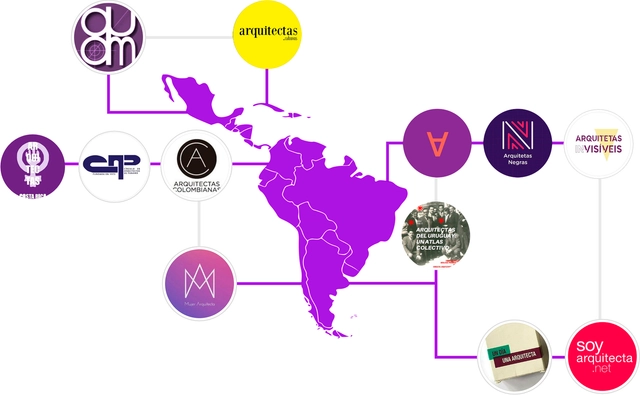
“Together we are stronger,” read the signs at the massive Latin American marches on International Women's Day. Women build networks across all their spheres of action: their families, communities, and workplaces. The world of architecture is no exception. Among women architects, these bonds foster connection, as seen in the nearly 30 networks of women architects in the region featured below.
Architects Smiljan Radic and Nicolás Schmidt designed an inflatable structure for the XXII Chilean Biennial of Architecture and Urbanism. Located in the urban setting of the Palacio de La Moneda in Santiago, it served as a temporary venue for meetings, debates, and lectures that brought public discussions to the forefront regarding the event's central theme: "Vulnerable Habitats."
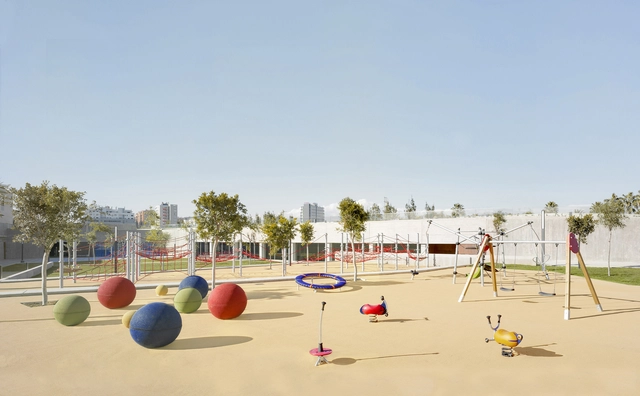
Play represents a key opportunity for children to acquire skills and knowledge in a natural and engaging way. Among the key innovations in early childhood and primary education, play stands out as a central axis of the learning process, serving as a fundamental pedagogical principle to achieve educational goals. Combining play with outdoor learning fosters exploration, experimentation, sensory stimulation, and motor development during childhood.
Featuring diverse materials, designs, and dynamics, the playground equipment represented by Urbanplay fosters open, spontaneous interactions, providing children with spaces to take risks, explore, and connect with nature.
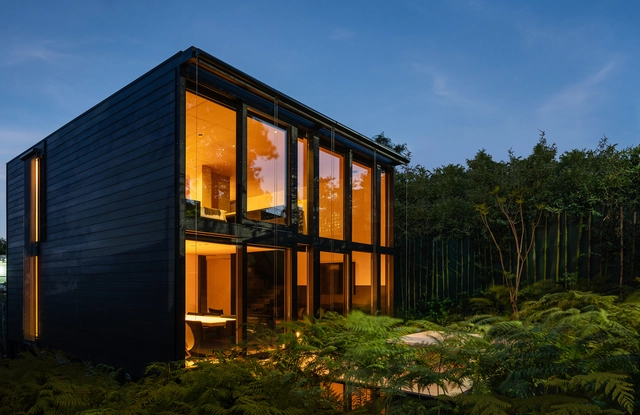
Buildings consume natural resources. Whether in their construction or during their operation, architecture can have a significant impact on the environment. Promoting sustainable practices to minimize energy, water, and material consumption is essential to reduce carbon emissions and help mitigate the climate crisis. With the ongoing debate surrounding sustainability, environmental consciousness has not only become vital, but it has also started to add value to properties built with this focus. Therefore, moving beyond mere greenwashing, we must look for solutions that make a real difference.

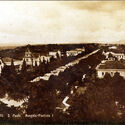
A major urban axis where thousands of people, subways, buses, cars, and bicycles pass daily. High-rise buildings, cultural centers, banks, and shopping malls. As the symbol of São Paulo, Avenida Paulista once looked very different. As difficult as it may be to imagine today, it was once lined with grand mansions of the most diverse architectural styles, and its destiny was altered in a matter of days by heritage preservation disputes and... a pizza.
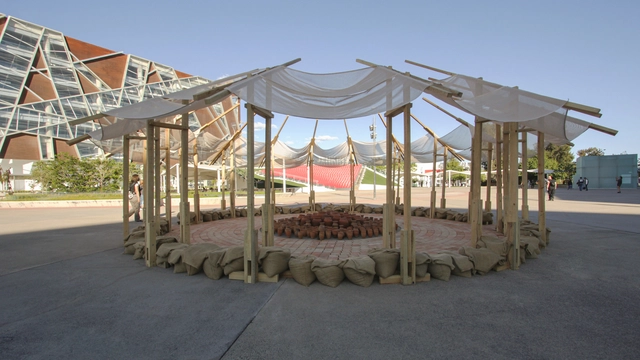
The TEMA Pavilion Competition was established to give young architects and students from the University of Guadalajara community the opportunity to design ephemeral projects that express ideas beyond the typical demands of an architecture or design school.
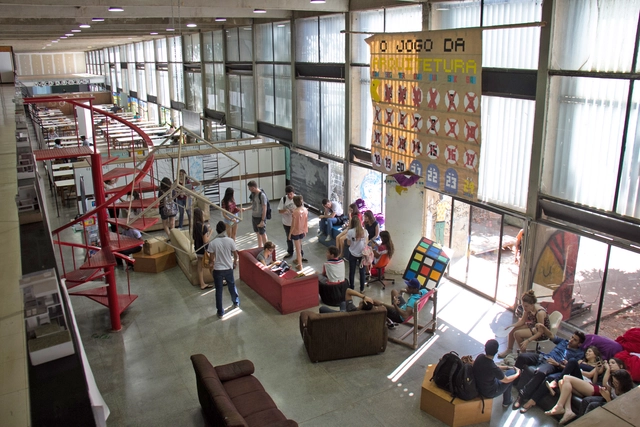
The purpose of this article is to expand on the relevant debate proposed in Marília Matoso's piece, titled We Need to Rethink Architecture Programs, published on ArchDaily in January 2023. Indeed, rethinking architecture education is a task that is not only necessary but also urgent. However, I believe this discussion is inseparable from debates about the profession itself and how we educate future professionals. Rather than simply attempting to formulate definitive answers, I think it is important to raise further questions that contribute to our collective reflection.

To us, architectural practice is an organic process of construction. Within this framework, we emphasize three dimensions of practice: research, design, and execution. Rather than being strictly sequential, these three aspects are parallel and intersecting. Refined through both built works and speculative projects, our daily collaboration has become increasingly grounded and stable. Consequently, our practice has crystallized around three main pillars: historical context, community placemaking, and a smart future. In recent years, guided by a diverse, multifaceted, and open-minded architectural perspective, we have strived to create vivid scenarios and spaces tailored to the unique narrative of each project, seeking enduring poetry and value. Our ultimate goal is to create dignified human habitats for society through precise and poetic architectural design.
Since 2021, to provide more specialized services for local projects in Hangzhou and the Yangtze River Delta region, ALYA established its Hangzhou studio and formed an urban design team. Over the years, the firm has received widespread international media attention, numerous awards, and exhibition invitations, including the ARCASIA Gold Medal, the UK's Dezeen Awards (Hotel Building of the Year), the UK's BUILD Award for Architecture and Sustainable Design, the DFA Design for Asia Awards, the Venice Architecture Biennale, Wallpaper* Design Awards, WA China Architecture Awards, and the IDEAT Future Award. In 2021, Yuyang Liu, founder of ALYA, was appointed by the Hangzhou Canal Group as the Chief Planning and Design Advisor for the Cultural and Tourism Integration of the Hangzhou Grand Canal. Following three challenging years of the global pandemic, ALYA will celebrate a series of project completions in 2023, while systematically launching high-quality, meticulous, sustainable, and highly creative projects aligned with future trends.
For those who are passionate about the healthy development of premier Chinese architectural practices, value a pioneering spirit and precision, enjoy exploring the unknown, and seek to grow with us into a world-class professional design team based in the Yangtze River Delta, we warmly invite you to join ALYA.
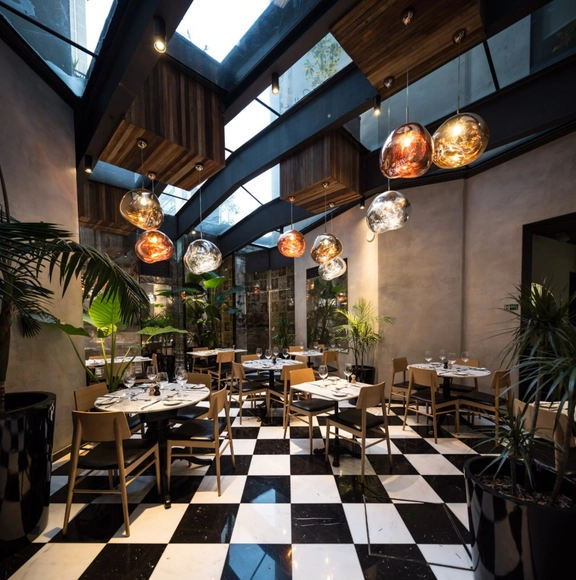
Hotel Magnolia, designed by architect Cazú Zegers and built in 2013 in Santiago, Chile, has been featured for the fourth consecutive year in the Condé Nast Traveler Readers' Choice Awards, ranking among the Top 20 Hotels in South America.
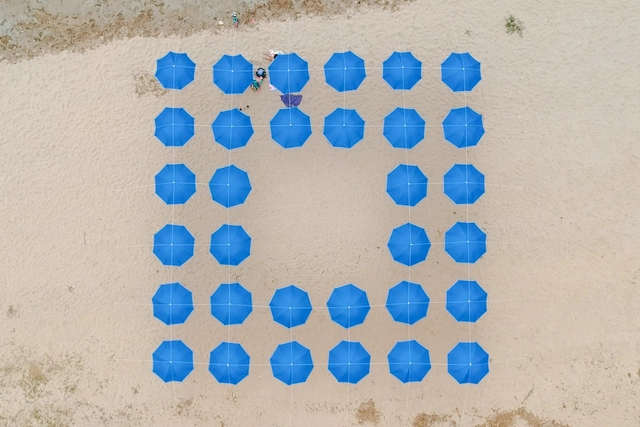
As part of the FUGAZ Greater Concepción Urban Interventions Festival, a team comprising Álvaro Parraguez, Beatriz Harriet, Bárbara Schumacher, Josefa Acevedo, and Luis Cambiaso developed an installation at the Villarrica coastal resort in Dichato (Concepción, Chile) that won the 2022 Ephemeral Installations Competition. The competition called for an ephemeral installation to serve as a functional venue for the festival, accommodating various daytime performances and activities across dance, theater, music, and other disciplines.

Recently, many Brazilian cities have turned to tactical urbanism as a way to intervene in the design of their streets, making them safer and more appealing—all at a low cost and on a short timeline.
The volume and nature of these interventions have been particularly remarkable in addressing the immediacy imposed by the pandemic in our cities. They seek to adapt street layouts to modes of travel that reduce the risk of transmission during daily commutes, even amidst scenarios of restricted activities.
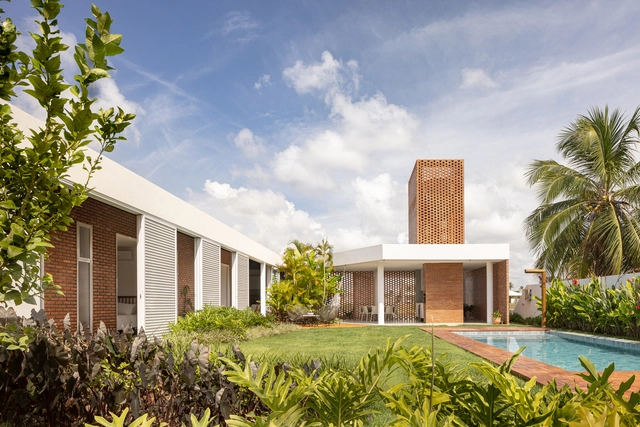
Review the best of architecture from the past week according to our readers and editors, featuring this selection of the most read articles, most visited projects, and most popular products on ArchDaily Brasil.
To make sure you don't miss the best of each week, subscribe to our weekly newsletter and receive these and other updates on architecture, cities, and the built environment directly in your inbox.
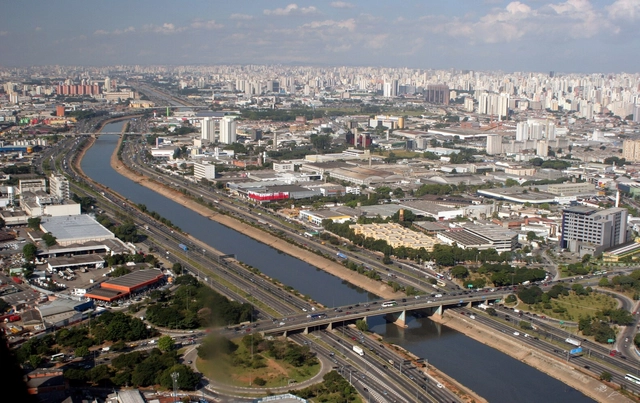
Swimming in the Tietê. Although many people did so until the 1930s — when the river was already polluted, though much less than today, and swimming and rowing competitions were held even along the stretch within the São Paulo capital —, no one believes this will be possible in the coming years. Cleaning the river, however, is a feasible ambition, provided we understand that there are various gradations within the category of “clean.”
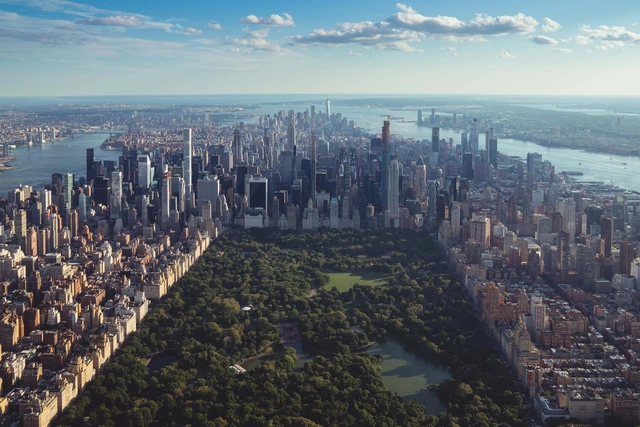
For two hundred years, New York City has been the largest metropolis in the United States and continues to outpace its competitors. The city is one of the oldest and most prosperous in the country. Its metropolitan area produces goods and services equivalent in monetary terms to half of Brazil's total GDP. Its urban structure, productive capacity, and high per capita income reflect its privileged global standing. One of the keys to understanding its rise lies in the very beginning of its history and its long developmental path. In 1624, the land of Manhattan Island was purchased from the indigenous Lenape people by Dutchman Peter Minuit of the Dutch West India Company, who founded New Amsterdam. The island is an extensive, flat 59-square-kilometer area situated at the mouth of the Hudson and East rivers. The bay allowed large ships to anchor and offered a strategic, easily defensible position.
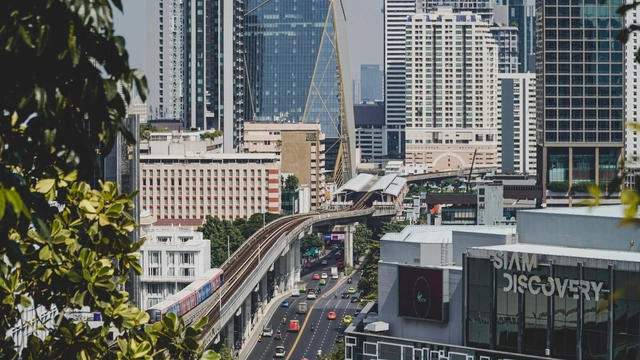
Cities occupy just 3% of the Earth's land surface, yet they account for most of the world's energy consumption and carbon emissions. Many are also highly vulnerable to climate change and natural disasters due to their high population densities and interconnected infrastructure. To prevent the worst impacts of climate change—including human, social, and economic losses—making cities more resilient and prepared for a changing climate is crucial. Yet, recent studies indicate we are still far from achieving this.
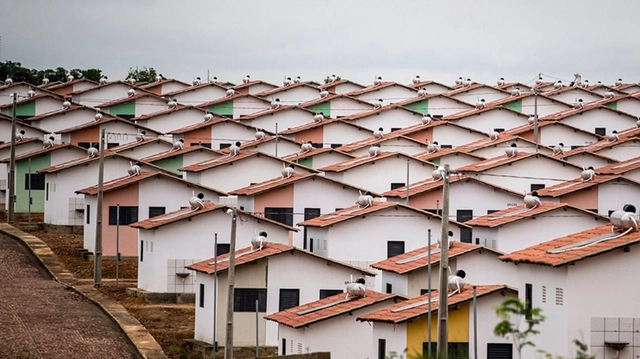
Among the updates to the new Minha Casa, Minha Vida (MCMV) program, recently launched by the Brazilian Federal Government, is the inclusion of a "housing improvement" modality. This is a necessary addition, as it addresses historically underserved populations—precisely those most vulnerable to the increasingly frequent and severe impacts of climate change. A new path toward sustainable, equitable, inclusive, and low-carbon development must be established. This transition depends not only on access to quality housing, but also on infrastructure and public services.
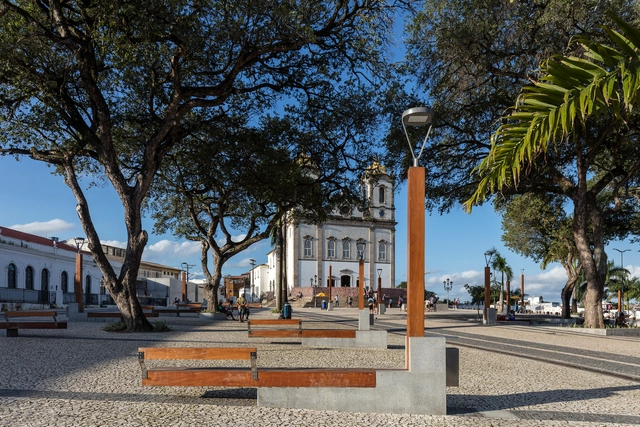
In this interview episode, Arquicast sits down with the founder of Sotero Arquitetos, architect Adriano Mascarenhas. A graduate of the Federal University of Bahia, his work spans a highly diverse range of scales and programs.
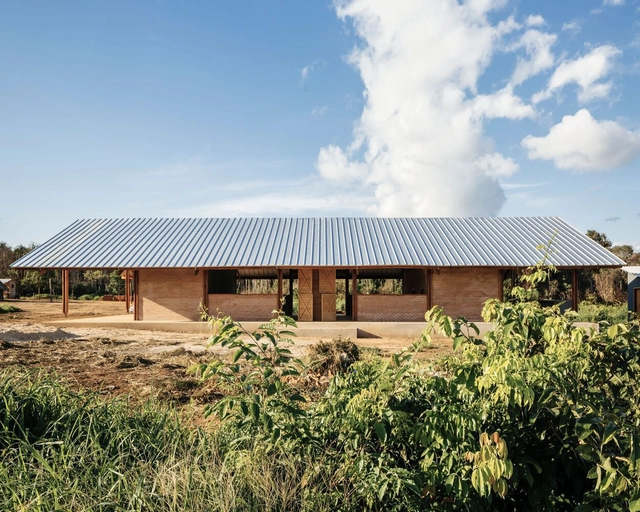
Arquicast sits down with Gustavo Utrabo, a Brazilian architect whose work stands out for its capacity for continuous experimentation and research. Having graduated in Paraná, his career includes academic and professional experiences at Harvard, MIT, Hong Kong, and Escola da Cidade. The episode covers his communication experience on the "Entre Mundos" podcast, the initial challenges of establishing an independent practice, the dynamics and structure of his current office, and notable projects like the Canuanã Children's Village. It also explores his vision for the future of the profession and a discussion on the role of social media.
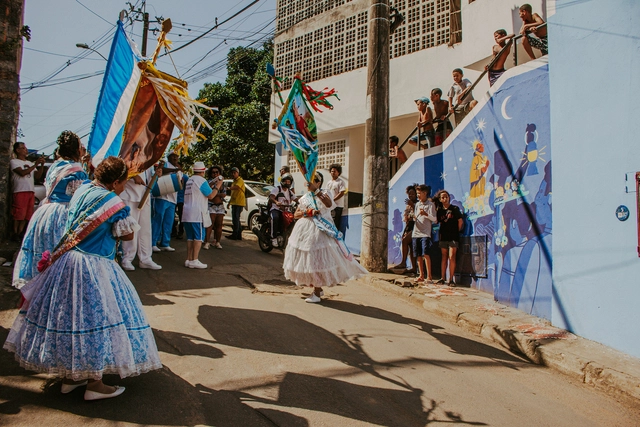
In this episode, Arquicast talks with the jury of the 9th Tomie Ohtake Akzonobel Architecture Prize about the behind-the-scenes of this prominent national award and the criteria used to select the projects. The conversation also explores the profile of each jury member, highlighting how their individual perspectives shaped the identity of this year's edition.
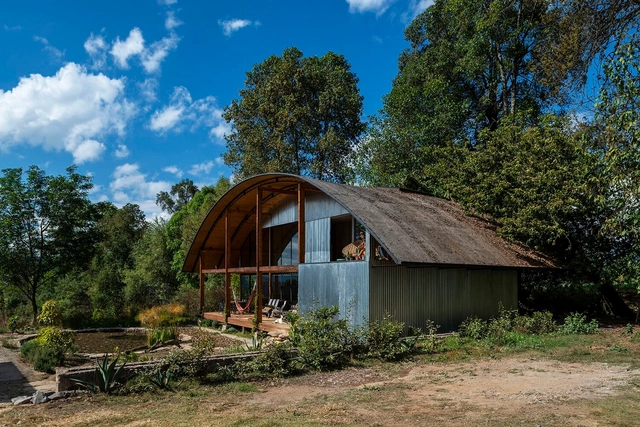
Agencia Social de Paisaje is a Mexico City-based practice driven by the conviction that landscape is a vital tool for designing new horizons. Drawing on logical and natural systems, they create coherent, functional, and holistic environments that foster a deep connection to place and its inhabitants. They are part of ArchDaily's Best New Practices of 2023.