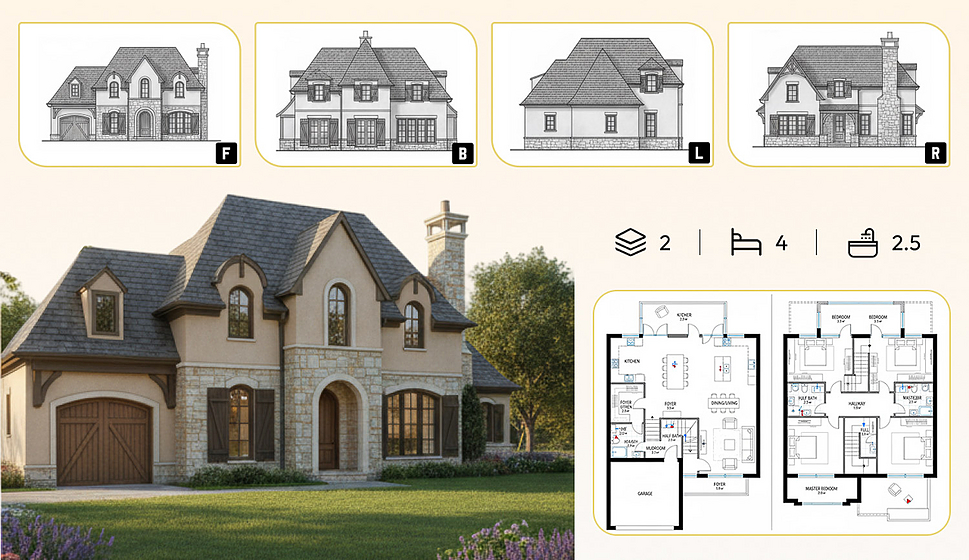
This guide covers a workflow that moves from project parameters to generated floor plans, 3D perspective views, exterior design exploration, and site context visualization, using AI tools in place of preliminary CAD and rendering work.
This guide covers a workflow that moves from project parameters to generated floor plans, 3D perspective views, exterior design exploration, and site context visualization, using AI tools in place of preliminary CAD and rendering work.
.jpg?1560957484&format=webp&width=640&height=580)
The exhibition “Organic Rational” on the work of architect Pedro Ramalho, curated by Nuno Brandão Costa and drawing on his archive recently donated to Casa da Arquitectura, is on view at the Gallery of Casa da Arquitectura – Portuguese Centre for Architecture, in Matosinhos, until September 8.
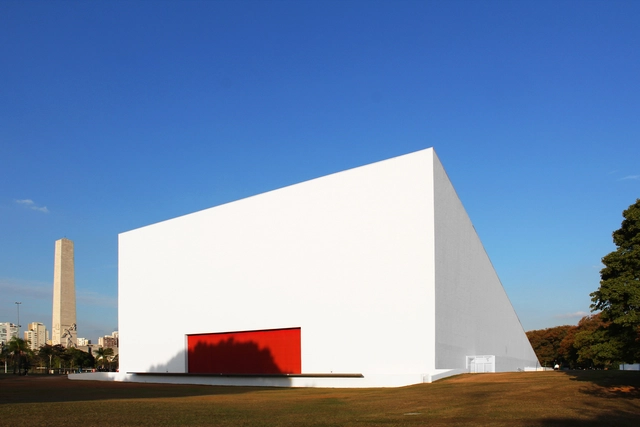
This week, the São Paulo municipal government resumed the bidding process for the concession of six public parks to the private sector. Suspended since July of last year due to disagreements with the state government, the project was revived by current mayor Bruno Covas.
In addition to Ibirapuera, the city's largest park at 158 hectares, the bidding process also includes the concession of Lajeado (east zone), Eucaliptos (south zone), Jacintho Alberto (north zone), Tenente Brigadeiro Faria Lima (south zone), and Jardim Felicidade (north zone) parks.

Although more than 1.35 million people lose their lives in traffic crashes every year, these fatalities do not receive the same attention from politicians and the media as airplane, train, or ship disasters. Some believe that deaths from vehicle crashes are simply a part of daily life or inevitable—but they do not have to be.
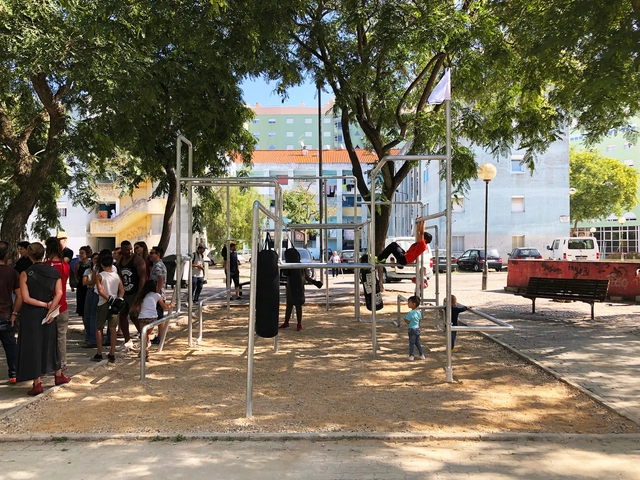
Boxing Boxes is a project resulting from two years of architectural research by Carlos Ortega Arámburo and Daniel de León Languré that combines boxing, as a tool for self-discipline and violence control, with a structure that activates civic space in marginalized areas. For this year's Lisbon Architecture Triennale, the Mexican architect, along with a local interdisciplinary team, installed the equipment in the Portugal Novo neighborhood, in Olaias, Lisbon.
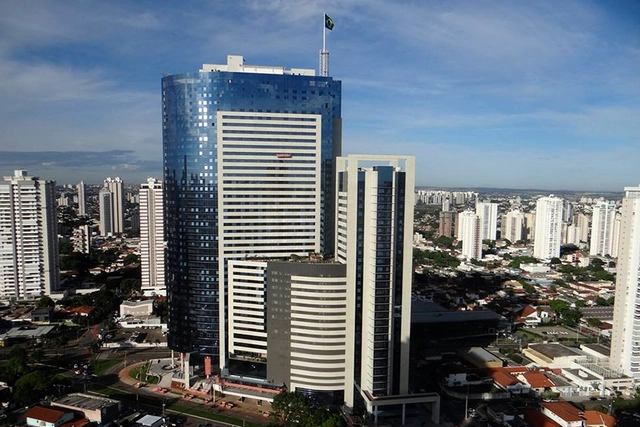
On flat terrain, where the horizon is visible in every direction, buildings with over forty stories rise across different areas of the city. Recently, a fifty-story building was completed; at 191 meters (626 feet) high, it is the tallest in the country. While some criticize this development model for its impact on the landscape, in a capital with rapid population growth, one would expect the cost of housing to rise steadily, along with the housing deficit. This, however, is not the case in Goiânia.

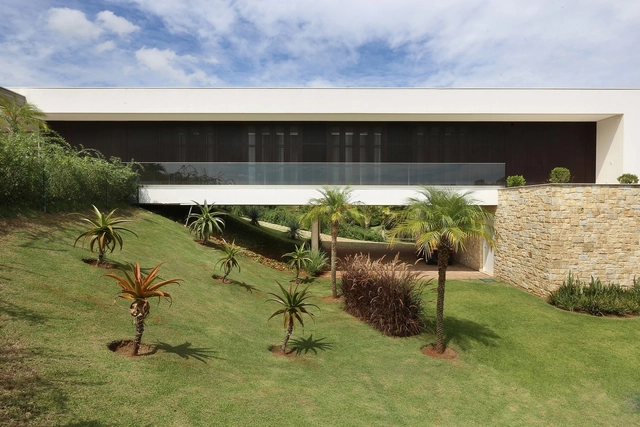
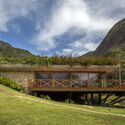
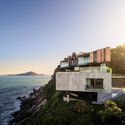
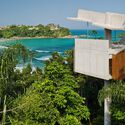
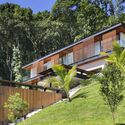
While steep slopes present a challenge, they also offer an opportunity to explore vertical relationships between spaces. Whether adapting to or subverting the natural landscape, these designs gain a powerful expressiveness and a strong sense of place. Negotiating the slope is a constraint for many program types, but in residential design, it often takes center stage, driving the core architectural strategy. Below is a selection of 25 Brazilian residences that exemplify the diverse approaches to addressing sloped terrains.

Since the 2013 protests, there has been a clear resurgence of the concept of the public sphere in Brazil, particularly in metropolises like São Paulo. Within a context of speculation and a commodified city—where both spaces and public services are driven by capital accumulation, and where public authority operates merely as power rather than in the public interest—a growing movement to reclaim urban spaces by previously marginalized actors has emerged.

Conceived by architects Vinicius Andrade and Beatriz Vanzolini, along with the team from the Arq.Futuro platform, the course “Aprendendo a viver na cidade” aims to awaken young people to the importance of understanding the city, while also discovering how to influence it. The course is delivered in a book format—which is already available in bookstores—and will be officially launched at Escola da Cidade on February 27. The course features videos and audio from the “Cidade Cidadão” series, accessible via QR Code or on the Arq.Futuro website. Teachers who wish to implement it in the classroom will have access to a digital Teacher's Guide (Caderno dos Professores) with pedagogical suggestions and activities.
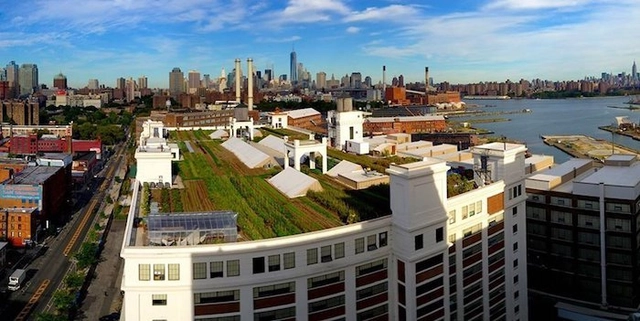
More than 36 tons of organic vegetables are grown on New York City rooftops every year. Beyond providing food, these green roofs also prevent pollutants from reaching the city's rivers.
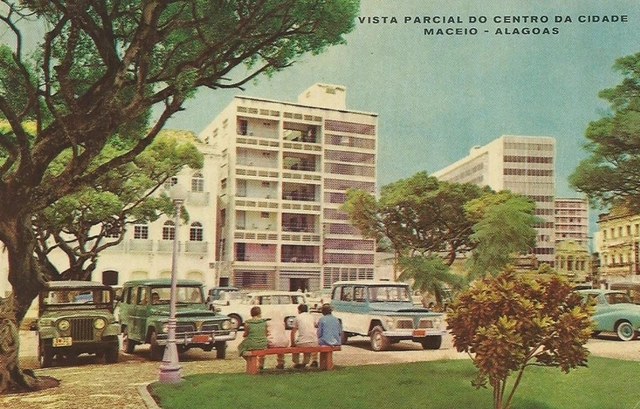
Students, faculty, and staff of the Faculty of Architecture & Urbanism & Design of Alagoas, led by professors Adriana Capretz Borges da Silva Manhas and Josemary Omena Passos Ferrare, alongside student Cecília Oliveira do Nascimento Rossé, have organized an online petition to award professor Zélia de Melo Maia Nobre the title of Doctor Honoris Causa from UFAL (Federal University of Alagoas).
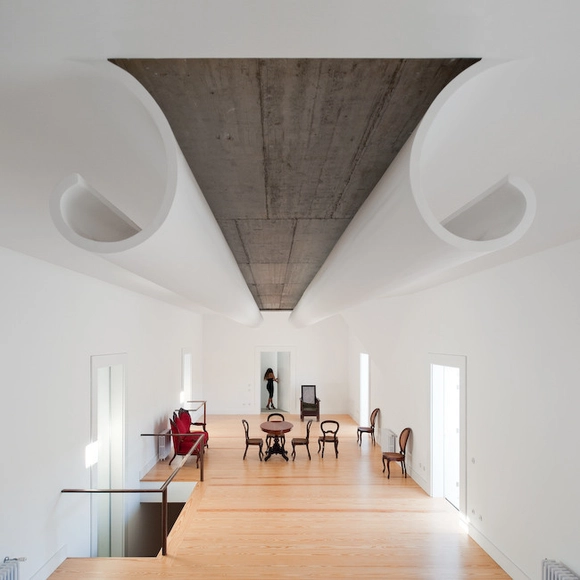
Many buildings pique the curiosity of passersby about what lies behind their doors. Instead of merely imagining the uses and privacy of these typically inaccessible spaces, next weekend—June 29 and 30—visitors will be able to explore the interiors of various architectural works in the cities of Porto, Matosinhos, and Gaia during the Open House Porto festival.
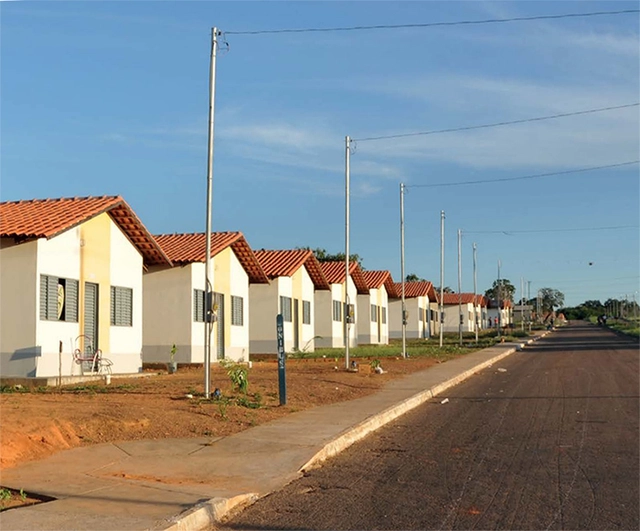
WRI Brasil has launched a free online publication detailing the benefits, costs, and barriers of adopting sustainability measures in social housing developments. Jointly produced by Lara Caccia, Henrique Evers, Luana Betti, and Camila Schlatter, the study examines simple, low-cost actions and technologies aimed at reducing water and electricity consumption in buildings.

The practice of the dérive is a subject that sparks great interest among urban scholars and professionals. The Situationists, a social critique movement founded in 1957, used this practice to propose new interpretations of the city based on individual lived experience. Jacopo Visconti, curator of the 34th Bienal de Artes de São Paulo, analyzed in his doctoral thesis artistic practices that incorporate the act of walking, seeking the characteristics that defined the Situationist practice of the dérive. Advised by Prof. Dr. Luis Antonio Jorge, Visconti defended his thesis in 2012, which was later published as a book by Martins Fontes. Read the thesis abstract below.
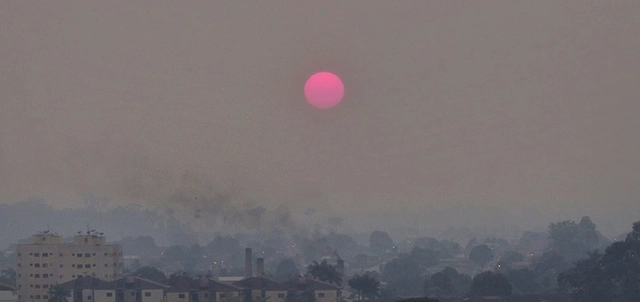
Since the beginning of the month, thousands of fire outbreaks have been recorded in Brazil's northern states, spreading through Acre, Rondônia, Mato Grosso, and Mato Grosso do Sul, and reaching the triple border of Brazil, Bolivia, and Paraguay. According to the National Institute for Space Research (INPE), the country is experiencing its worst wave of wildfires in five years.
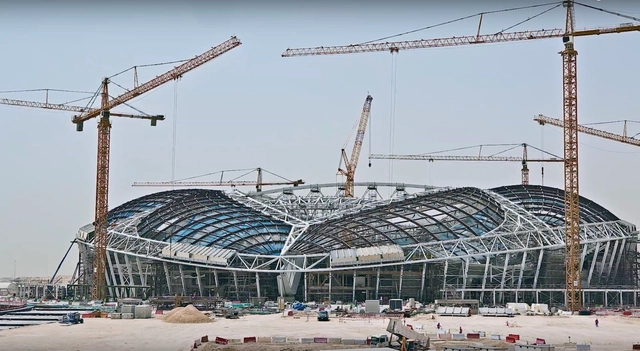

The year is 2010. As the first Arab country selected to host the 2022 FIFA World Cup, Qatar is already ramping up its preparations to host this highly anticipated and costly event 12 years down the line. Extensive construction and reconstruction efforts are being launched, targeting not only the facilities directly demanded by FIFA, but also, more broadly, the urban infrastructure systems of the country's major cities.

Infinito Vão: Brasil, the series of talks taking place on March 22 and 23 at IMS, is an extension of the program of activities for the exhibition of the same name, currently on view until April 28 at Casa da Arquitectura in Matosinhos, Portugal.
Curated by Fernando Serapião, Guilherme Wisnik, and Nuno Sampaio, Infinito Vão: Brasil will bring together architects, photographers, and cultural managers over two days for a series of talks and debates on the history of Brazilian architecture, its influence on daily and cultural life, and the connections it builds with other artistic expressions.

“Writing is like a city, for which words are a thousand gates.”
- Walter Benjamin
No roads or maps lead to them. Yet, many of the cities imagined in literature feel more tangible than real ones, capturing the human imagination with their fantastical sparks. The rich geographical, cultural, and social detail of cities like the famous Macondo, from One Hundred Years of Solitude, frequently places a magnifying glass over the relationship between territory and its inhabitants.
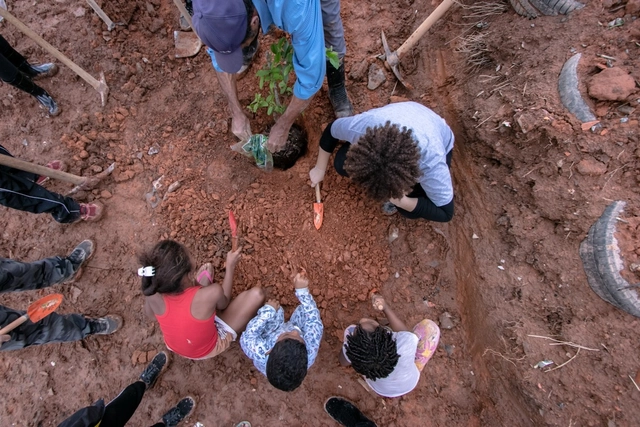
According to data released by the United Nations (UN, 2017), the global population has reached 7.6 billion, with more than half (54%) living in urban areas. In Brazil, according to data from the Brazilian Institute of Geography and Statistics (IBGE, 2010), 84.4% of the population lives in cities.

The work of the Catalan firm Barozzi Veiga is explored through the tension between tradition and invention in architecture in this article by João Paulo Rapagão, published in partnership with AMAG.
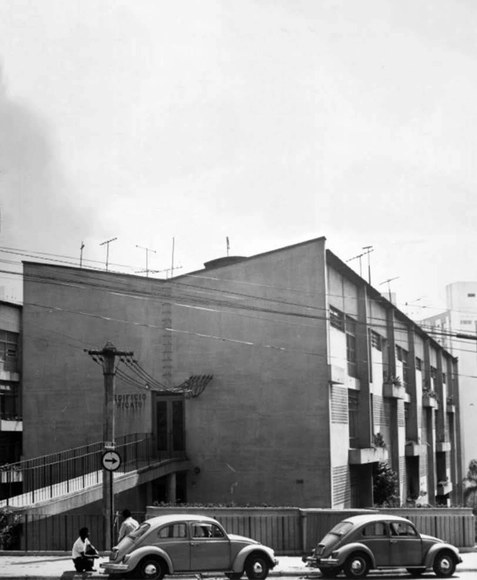

Conceived as a large-scale residential development in an expansion zone of São Paulo, the Jardim Ana Rosa Residential Complex began its subdivision design in 1950, in the Vila Mariana neighborhood, facing Largo Ana Rosa. The development, carried out by the Banco Hipotecário Lar Brasileiro, featured the participation of several prominent São Paulo architects of the time, such as Abelardo de Souza, Plínio Croce, Roberto Aflalo, and Salvador Cândia. In its initial version, the project planned for a few buildings bordering Vergueiro Avenue, with most of the area designated for single-family homes.
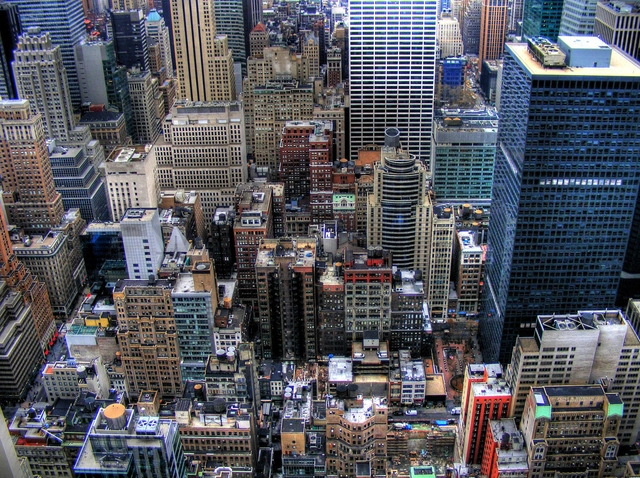
The Swiss Federal Institute of Technology in Zurich (ETH Zurich) is offering free online courses on smart cities and future cities. Available through the edX platform, which is shared by institutions worldwide, the courses last ten weeks and are conducted via video.
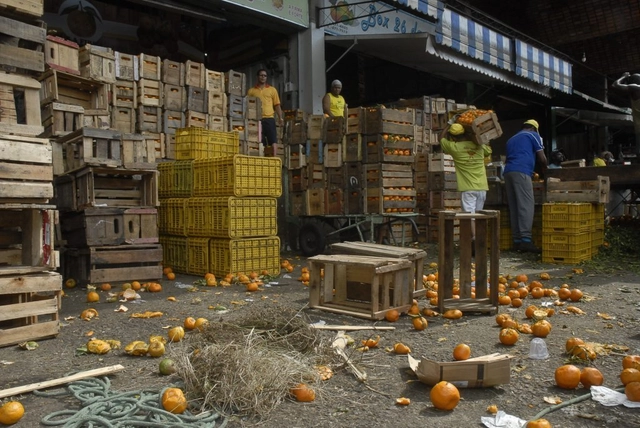
The United Nations, through its Food and Agriculture Organization (FAO), launched a publication this month focusing on strategies to integrate nutrition policies into urban planning. The document highlights best practices in reducing food waste, promoting healthy diets, and strengthening local production chains.
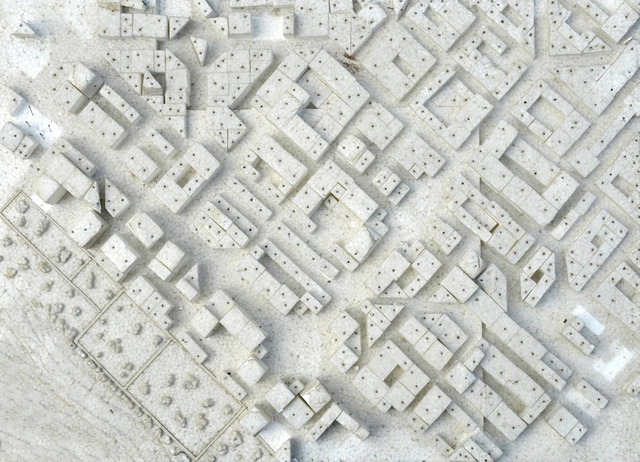
There is perhaps no concept so generic and comprehensive, yet at once so impersonal and difficult to reach consensus on, as that of the environment (focusing on the United Nations Conference's own definition of environment—the environment as the set of physical, chemical, biological, and social components capable of causing direct or indirect effects, in the short or long term, on living beings and human activities—we immediately find that establishing a stable, common, and assertive conceptual foundation is highly difficult to achieve, let alone universally recognize...)
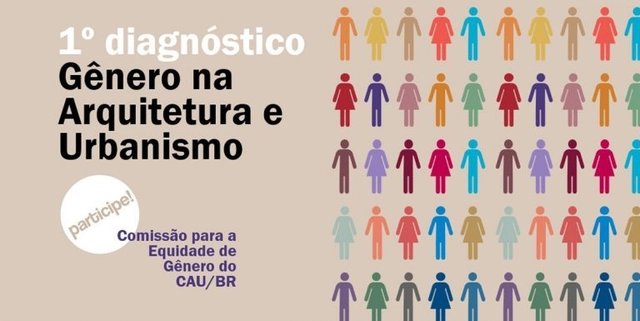
The Council of Architecture and Urbanism of Brazil, through its Commission for Gender Equity (CTEG), has launched a public survey to collectively build a women's agenda aimed at overcoming challenges in the practice of architecture and urbanism.