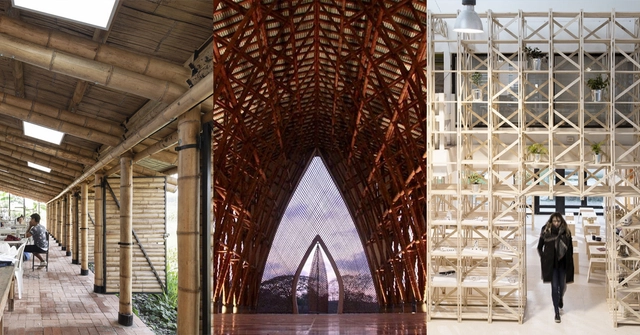
Three Brazilian projects have been chosen as the winners of the 2026 Obra do Ano Award by ArchDaily Brasil's readers. After three weeks of public voting, more than 700 projects were narrowed down to 15 finalists, concluding the process with three grand winners that represent the very best of Lusophone architecture.
https://www.archdaily.com/1054654/meet-the-winning-projects-of-archdaily-brasils-2026-building-of-the-year-awardArchDaily Team
Three projects have been chosen by the ArchDaily en Español community as the winners of the 2026 Obra del Año Award. Representing Peru and Ecuador, the winners were selected after three weeks of public voting from a pool of over 800 projects. The award recognizes the best of architecture in Latin America and Spain, as decided by its community.
https://www.archdaily.com/1054651/discover-the-winners-of-the-2026-archdaily-en-espanol-building-of-the-year-awardArchDaily Team
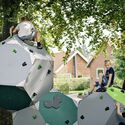
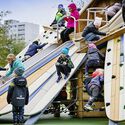
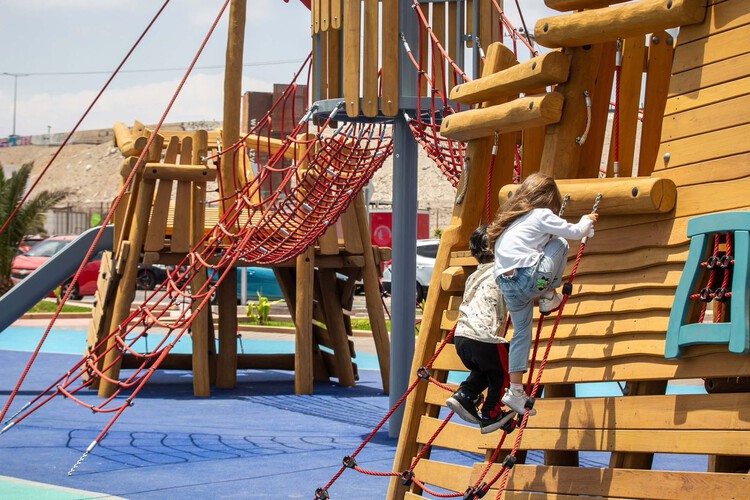
Understanding play as a social transformer and a key influence in defining public space, urban life is shaped by a diverse range of individuals across different ages, cultures, ideologies, interests, classes, and social groups. Thinking about how play inhabits cities means thinking about all generations, and about the need to build public spaces with urban equipment designed to endure and be preserved over time.
The performance of play structures calls for an examination of the different stages of their life cycle, along with their impact on the configuration of the urban environment. Analyzing the life cycle of urban play equipment means understanding everything from materials, durability, and maintenance to the role of certifications, applied manufacturing technologies, and environments that are more conscious of their ecological impact.
https://www.archdaily.com/1054664/jobs-in-chengdu-and-nanjing-modum-atelier-is-hiring-architectural-design-interior-design-commercial-research-brand-communications-interns韩爽 - HAN Shuang
It is eight in the morning, and the car's dashboard display reads 36°C on the streets of San Pedro Sula, Honduras. The sky is almost clear: an intense blue with a few bright, drifting clouds. The air conditioning in the cars—all with tinted windows—makes you forget that upon stepping out, the warm, humid air will immediately weigh on your shoulders and break a sweat.
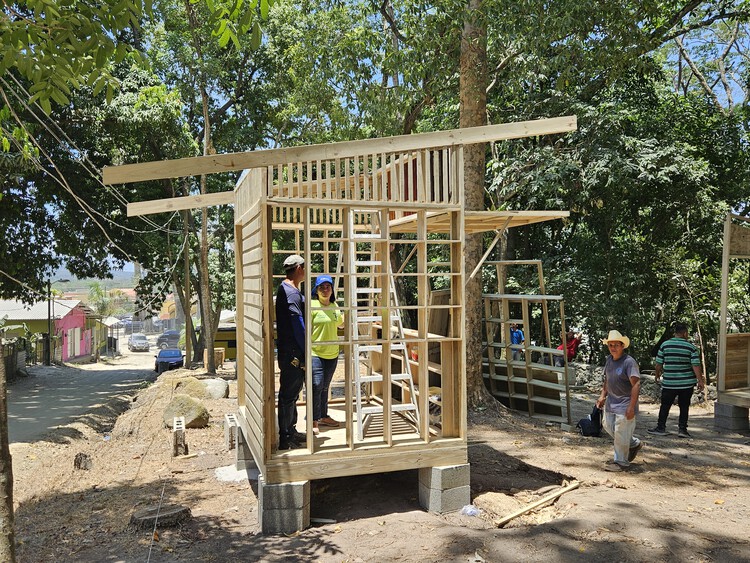
Puerto Cortés on the Caribbean coast is too far away for a quick dip, but in the neighborhood of Armenta, the eponymous river flows almost silently down from the Sierra del Merendón, running from west to east through gray stones. On the northern bank, tall, leafy trees along the upper edge of the ravine shade a long, dry, and dusty plaza, while thick, exposed roots give texture to the ground. The sun is less punishing.
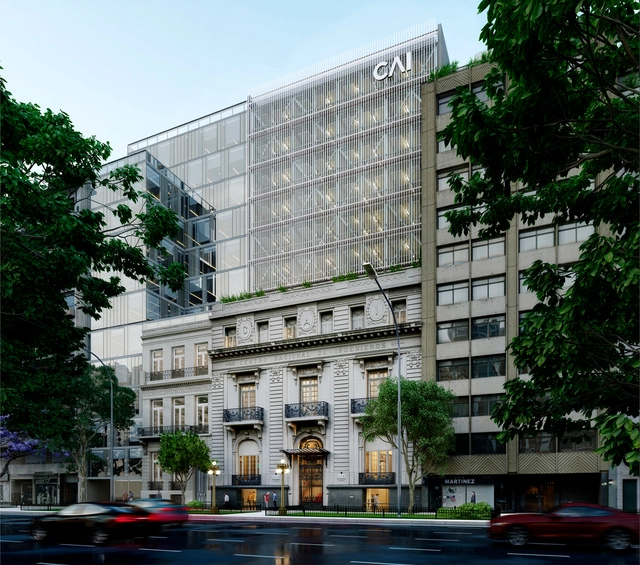
Sponsored by the Argentine Federation of Architecture Organizations (FADEA), the Argentine Center of Engineers (CAI) commissioned the Central Society of Architects (SCA) to organize and run the binding National Preliminary Design Competition for the Argentine Center of Innovation: Conservation, Preservation, and Adaptation of the CAI Headquarters, located in downtown Buenos Aires, Argentina.
Could a space be one and many at the same time? Under the name Minimum Common Multiple, Estudio BNAA has designed a space of minimal footprints—typically used for commercial premises or offices—with the unique feature of being able to transform into multiple spaces simultaneously. Located in San Luis, Argentina, the project references the mathematical concept of the least common multiple (LCM) but from a different approach and function, combining movement, flexibility, and the use of magnetism as a construction system.
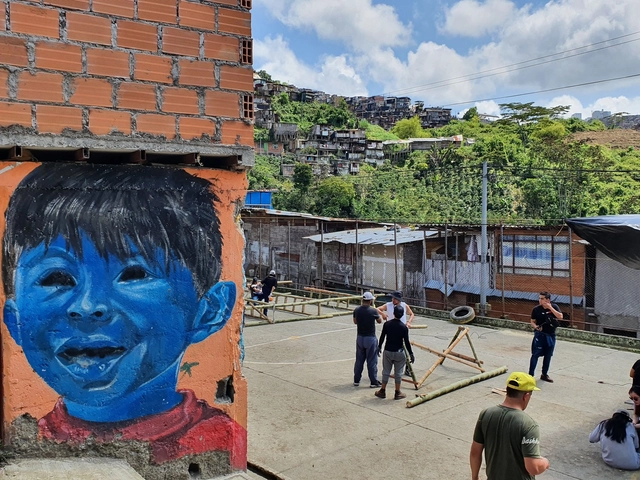
Twenty years after its first edition in Colombia, the Latin American Social Workshop returns to the South American country. In this edition, students from across Latin America, alongside architects from Colombia, Ecuador, and Chile, are intervening in three areas in the coffee-growing city of Manizales: a rural settlement in the middle of the mountain range, a self-managed park, and the slopes of an informal pedestrian neighborhood.
Here, we invite you to explore the progress made by the architectural teams participating in the 18th Latin American Social Workshop (TSL XVIII) in Manizales.
In this conversation for LA ESCUELA___, Miguel Braceli and Cecilia Vicuña reflect on the artist's pedagogical experiences, her understanding of architecture as a transformative force, and the potential of precariousness in Latin America as a source of creation.
Cecilia Vicuña (Santiago, Chile, 1948) is a Chilean visual artist and poet; throughout her extensive career, she has explored themes related to nature, ancestral knowledge, and feminism. Based in New York, Vicuña safeguards and shares a deep wisdom regarding her Indigenous roots, as well as her experiences from nomadic journeys around the world, where acquired knowledge takes on intangible, "virtual," and collective forms through oral tradition and listening, weaving, and ritual.
Ana García, architect and founder of NeuronaLab, recently interviewed Aureli Soria-Frish from the company Starlab. They discussed how the latest technological advances are increasingly being used to objectify neural activity and the emotional states associated with architectural spaces. Below, she shares her key reflections.
https://www.archdaily.com/1132615/neuroscience-how-to-measure-the-perception-of-architectural-spaceAna García
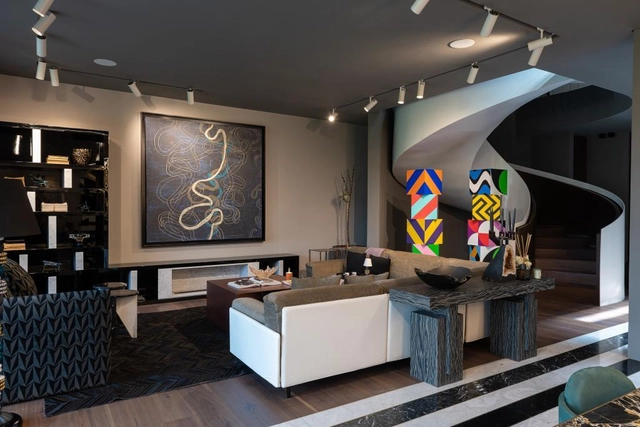
Mexican interior designer and artist Olga Hanono has been invited to present her latest exhibition, DREAMVILLE, at La Biennale de Venezia Modigliani Opera Vision, from May 1 to July 31, 2022. The collection is inspired by the human capacity to dream, reflecting on imaginary objects that might exist within a dreamscape, along with the variety of colors and shapes found in distant stars, planets, and galaxies. Hanono has created art pieces and furniture using unconventional, luxurious materials.
Collage: Kevin Fu Fang, Cristobal Palma, Eduardo Hirose, Renzo Rebagliati, Iván Salinero
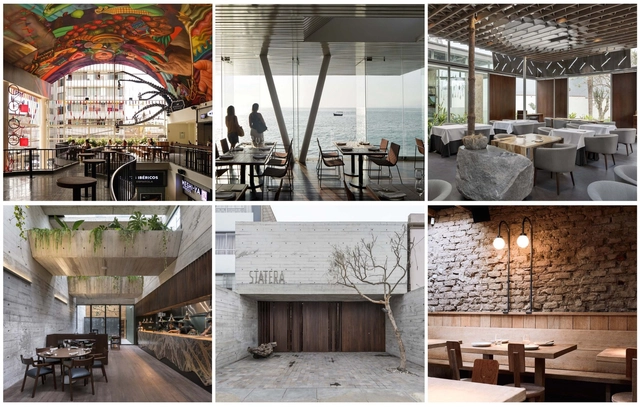
The world of gastronomy is about far more than just food; space plays a vital role in the overall dining experience. To achieve this, architecture transcends mere functionality to cultivate distinct atmospheres through the meticulous curation of light, acoustics, color, texture, and form, ensuring both intimacy and comfort for diners.
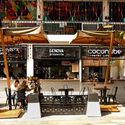
The city of Lima—capital of Peru, a preeminent culinary destination—features a diverse array of restaurants and cafés that reflect the country's rich heritage. Below, we present a selection of 10 restaurants and cafés offering unique dining experiences across the city.
CHINAS CHINAS is a research project conducted by FLORA. It maps a trajectory through the city of Buenos Aires, Argentina, based on a typological analysis of Chinese supermarkets. Its objective is to recognize and explore the modes of appropriation and domestic micro-scales that occur within them, demonstrating that urban architecture is shaped by everyday banalities. Ultimately, architecture takes on meaning when living conditions are defined by the people themselves. Inhabiting—beyond mere functionality—is precisely about this.
Cortesía de Pablo Senmartin (APS / Pablo Senmartin arquitectos)
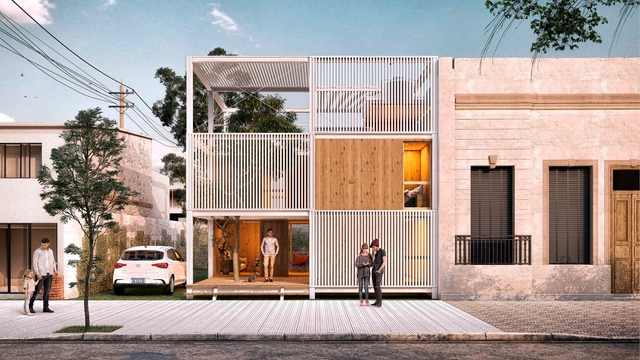
The Provincial Ideas and Preliminary Design Competition for the development of a prototype for Innovative Social, Urban, and Sustainable Housing (V.I.S.U.S.) was organized by the Architects' Association of the Province of Córdoba. Promoted by the Construction Cluster of the Province of Córdoba and supported by ADEC's Competitiveness Fund, the initiative seeks to address the growing housing deficit by fostering debate on how architects approach multi-family condominium housing as well as single-family social housing in Argentina.
Award-winning project for Buitrago del Lozoya, designed by architect Javier Senosiain Jauregui. Image via press release Pati Nuñez Agency
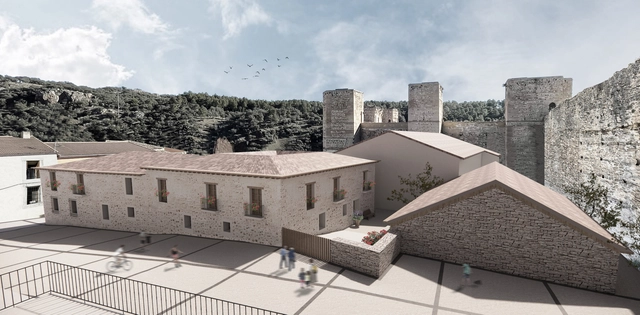
The winning projects of the 2020-2022 edition of the Richard H. Driehaus International Architecture Competition have been announced, aimed at honoring architectural and urban planning practices rooted in the culture, materials, and resources of each territory. With three Spanish sites selected for this edition, the goal is to preserve and promote local traditions and identity, as well as the circular economy, craftsmanship, and the use of sustainable, reusable materials from the surrounding area.
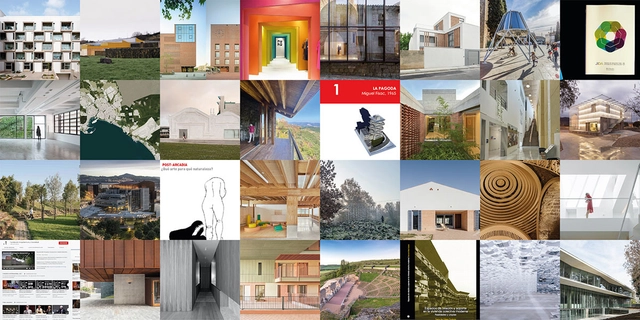
This year we celebrate the fourteenth edition of the Obra del Año 2022 award—the highest recognition in the Spanish-speaking architectural world, where the winners are chosen by popular vote. Starting today, Tuesday, March 8, our readers will be responsible for determining which projects inspired us during 2021, faithfully representing the identity of our local contexts while shaping the way architecture is practiced around the world.
With nearly a thousand projects published in 2021, you can easily find your favorites by browsing through each category and using the search engine to filter projects by country and architecture firm.
The 2022 Obra del Año Award is brought to you by Dornbracht, renowned for its design leadership in architecture, which can be found internationally in bathrooms and kitchens.
In 2019, the Governing Council of the URJC (Universidad Rey Juan Carlos) approved an infrastructure plan to remodel several of the university's campus buildings, including the classroom and departmental building on the Madrid-Vicálvaro Campus. This led to an agreement with the COAM (Official Association of Architects of Madrid) to organize an ideas competition to select the final design for the building, which was launched in February 2022.
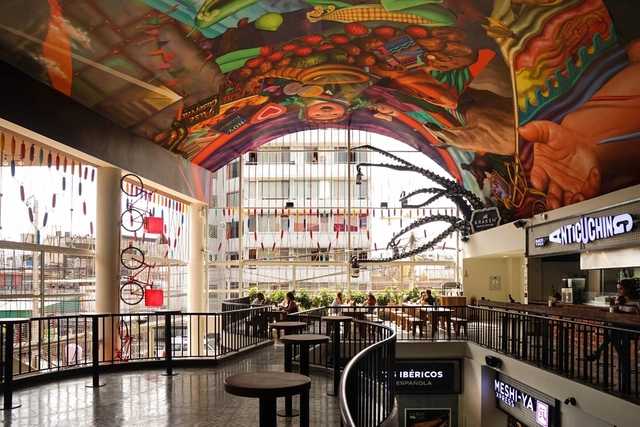
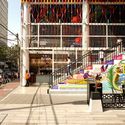
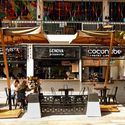
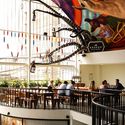
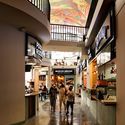
In the district of Miraflores, the tourist heart of Lima (the capital of Peru), the San Ramón Gastronomic Market opened in December 2021. It is located on the boulevard of the same name, in the picturesque district's well-known former Calle de las Pizzas. Open to the public, the project by the firm Arquitectura Verde aims to promote the enjoyment and awareness of the wide variety and richness of Peruvian gastronomy.
Through the construction of a narrative fiction, this work by Federico Lagomarsino, framed around the landscape, aims to depict everything that unfolds in contemporary society when a singular event occurs—in this case, the impact of the two largest meteorites detected to date in South America.
For the third time since its founding in 2002, Colombia will host the Latin American Social Workshop of Architecture Students under the name 'Tejiendo Paisajes: TSL Manizales 2022', marking the event's first edition since the start of the pandemic.
When designing residential interiors, architects increasingly lean toward creating environments where flexibility and space optimization provide solutions tailored to programmatic and functional needs, helping to achieve the well-being and comfort that turn a house into a true home.
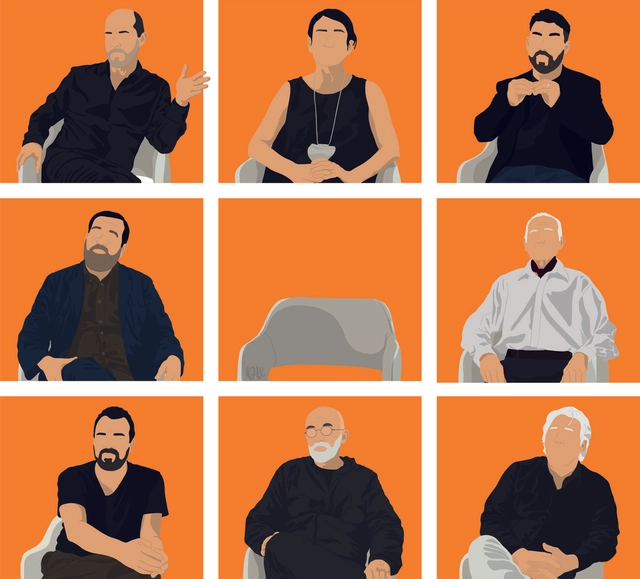
Desde la periferia is an audiovisual project directed by José Luis Uribe, PhD in architecture and professor at the School of Architecture of the University of Talca, Chile. The project consists of three documentaries to be released progressively over the next two years, exploring various aspects associated with contemporary Latin American architecture. The first installment, Volume I: Ugly, Dirty & Bad: A Contemporary Architecture in Latin America, is an audiovisual essay that gathers some of the initial thoughts on its current state through the oral accounts of a group of architects in a hotel room in Asunción, Paraguay.
Cortesía de Consejo Superior de los Colegios de Arquitectos de España
To promote the key, transformative role of architecture in improving quality of life and contributing to a better world, the Higher Council of Colleges of Architects of Spain (CSCAE) is revamping the awards it has presented since 1981 with the launch of the first edition of the ARQUITECTURA Awards.
Architects and designers, as well as psychologists and sociologists, recognize that aesthetics and its underlying philosophy have the power to change how we perceive the world around us. Consequently, a deeper understanding of what is beautiful holds the powerful potential to alter how people respond to their environment.
Exploring the different meanings of aesthetics in architecture, from 'form follows function' to the aesthetics of the metaverse, can help us understand the potential of our physical and virtual environments on the path toward a better world.
Much has been written on the subject, from Alberto Pérez-Gómez's "The Beautiful and the Just in Architecture" to Pablo Caldera's "The Failure of Beauty." Now, however, we want to open up the debate and invite you, our readers, to share your perspectives on what makes a building or a city beautiful.
Share your thoughts in the form below. Selected responses will be published in an upcoming article.







.jpg?1653504502)







 .
.



.jpg?1651685605&format=webp&width=640&height=580)