The construction sector, particularly the building industry, is one of the largest consumers of natural resources and is responsible for significant environmental impacts and CO2 emissions, according to data from the United Nations Environment Programme. According to data from the organization C40 Cities, buildings are one of the primary sources of greenhouse gas (GHG) emissions in cities, meaning there is substantial room to reduce these emissions—with CO2 being the primary GHG. Data from the National Energy Balance (MME, 2019) indicates that residential, public, and commercial buildings in Brazil consumed over 40% of all electricity produced in the country in 2018.
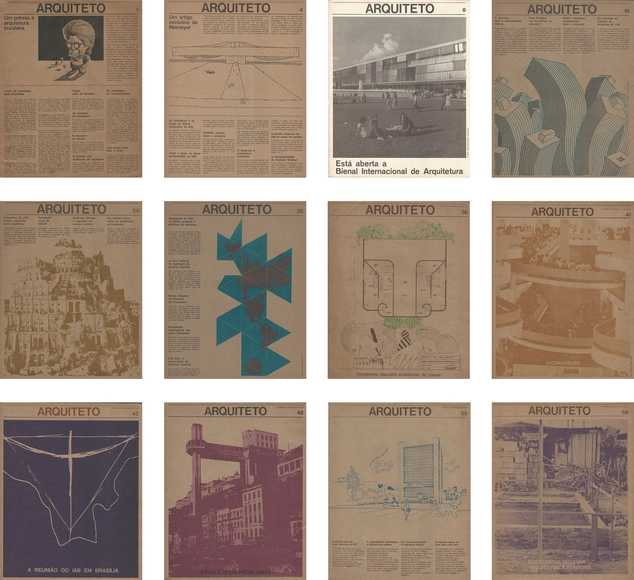
The Institute of Architects of Brazil - São Paulo Department (IABsp) has made all 74 editions of Jornal Arquiteto available online. This prominent publication in the field of architecture and urbanism was edited by IABsp in partnership with the Union of Architects in the State of São Paulo (SASP) between 1972 and 1980. Distributed nationwide, the newspaper aimed to be a "spokesperson for all architects."
Much like schools, restaurants, shopping centers, and other crowded venues, museums around the world had to close their doors with the arrival of COVID-19. Today, some cities where infection rates have significantly decreased are preparing to reopen non-essential services. As part of this group, museums—which sought new ways to connect with the public remotely during isolation—must now adapt to a new way of welcoming visitors.
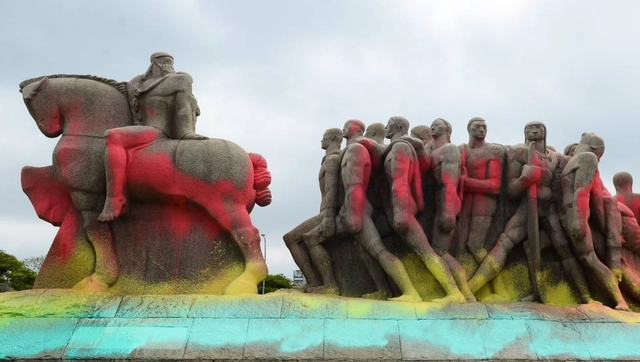
Monumento às Bandeiras, in São Paulo, covered in graffiti in 2016. Photo by Rovena Rosa / Agência Brasil / Fotos públicas
Architect Ayesha Luciano does not know much about her ancestors. Like other descendants of Afro-Brazilian and Indigenous populations, her family history was erased during the colonization of Brazil. This is what philosopher Sueli Carneiro calls epistemicide: the annihilation of knowledge and memories in countries with a history of slavery.
Yet the perpetrators of this genocide have their figures carved in stone, occupying central positions in the country's public spaces. Such is the case with the totemic statue of the bandeirante Borba Gato in the capital of São Paulo, or of Joaquim Pereira Marinho, a trafficker of enslaved people whose statue stands in the center of Salvador (BA). The architect comments:
Rino Levi believed that hospital design should dispense with pre-established models and that forms should emerge from the proper organization of three guidelines: functional program, circulation, and physical flexibility. These principles were taught during the Hospital Planning course, held in April 1953 by the IAB-SP and organized by Levi, Jarbas Karman, and Amador Cintra do Prado.
https://www.archdaily.com/1124048/iph-and-iabsp-make-the-book-planejamento-de-hospitais-featuring-teachings-by-rino-levi-available-for-downloadErick Vicente e Renata Baralle
The IAB has announced the selection of Brazilian works qualified to participate in the 3rd edition of the Oscar Niemeyer Award. Out of 33 submissions that met the open call requirements, 20 were selected by the evaluation committee. The "Oscar Niemeyer" Award for Latin American Architecture (ON Prize) is an initiative of the Latin American Network of Architecture Biennials (REDBAAL), founded in 2012 at the Pan-American Architecture Biennial of Quito.
Even before the new president of IPHAN was appointed in May 2020, guest professors Silvana Rubino and Alfredo Manevy spoke about the various challenges and contradictions guiding cultural policy in Brazil during a discussion at Escola da Cidade on June 5, 2019. Part of the course *Seminar on Contemporary Culture and Reality*, then coordinated by Professor José Guilherme Pereira Leite, the talk took the dissolution of the Ministry of Culture (MinC) as its starting point to discuss its repercussions, particularly in the fields of architecture and urbanism.
Escola da Cidade is hosting a discussion between Cape Verdean architect Patrícia (Patti) Anahory and the editors of América magazine, Marianna Al Assal and Maira Rios. The event marks the launch of the second issue and addresses the construction of identities through the reading of urban landscapes, as well as the displacement and production of knowledge in the fields of architecture and urbanism between the Americas and Africa today.
What is your idea of landscape? Landscape Architecture—a field of knowledge adjacent to architecture and urbanism—is often translated into Portuguese as landscaping (paisagismo), a term many resist because it fails to capture the discipline's true complexity. We suspect this discomfort stems from a common architectural tradition in Brazil that views the landscape as a purely designed, static entity.
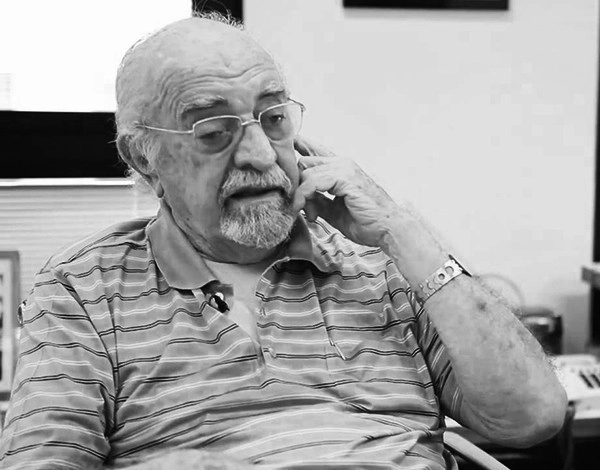
Architect Gian Carlo Gasperini passed away on the night of Wednesday, July 15, at the age of 93. He had been hospitalized for two days at Albert Einstein Hospital with pneumonia. Gasperini was responsible for several of São Paulo's landmark buildings, such as the Galeria Metrópole in the city center and the Pauliceia building on Paulista Avenue.
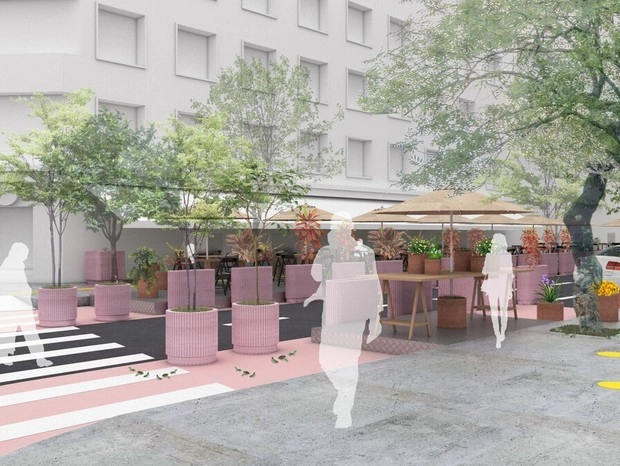
The city of São Paulo will test a pilot project that transforms streets and sidewalks normally reserved for parking spaces into outdoor areas for bars and restaurants. The initiative, named "Ocupa Rua" (Occupy the Street), is led by São Paulo City Hall, the architecture firm Metro Arquitetos Associados, and food critic Alexandra Forbes.
Polis is a (hypothetical) coastal metropolis with a growing population. However, most of its infrastructure was built 100 years ago, lacks maintenance, and is unable to meet the city's future needs.
Compounding these issues, Polis is experiencing damage from rising floods and coastal erosion. Its residents, especially those already impacted by environmental pollution, suffer from heat waves and poor air quality driven by industrial activity and traffic congestion.
https://www.archdaily.com/1124013/integrated-planning-of-nature-based-solutions-the-key-to-urban-resilienceLisa Beyer e James Anderson
The air humidity is famous, reaching mercilessly low levels for anyone who has never visited a desert. Trees with twisted trunks, thick bark, and fuzzy leaves rise from the soil, attempting to defy gravity, but they contort in such a way that it is as if the heat were pushing them back toward the ground. The red earth is omnipresent, adding a touch of drama to every corner, as if the searing temperature whipped the land until it bled. Here in the *cerrado*, there is none of the density of a damp, dark jungle—like some menacing forest out of a Jack London novel, or an immemorial witness in a trance, as seen in a Joseph Conrad novella.
Postponed to July 2021, the 27th World Congress of Architects will host virtual debates as part of an open, collaborative platform to gather insights and proposals for addressing contemporary urban challenges.
The countdown to the event begins this week with the release of special content on the social media channels of UIA2021RIO. This includes video testimonials and interviews with speakers, collaborators, and partners discussing post-pandemic urban transformations and the role architects and urban planners should play in society.
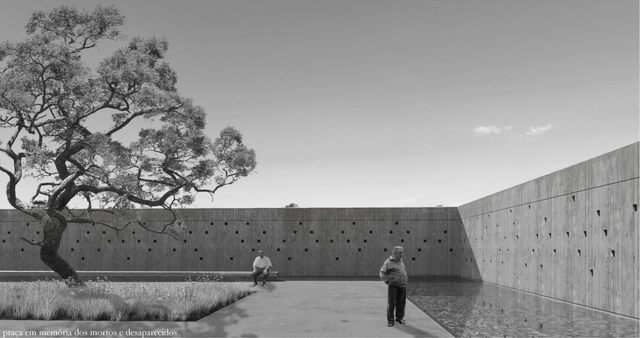
The 4th {CURA} Award continues the practice of hosting ideas competitions on themes aligned with current discussions on architecture, the city, and society, focusing on contemporary Brazil. The institutionalization of authoritarian and denialist discourse has become a real threat. For this reason, the competition's theme—a Museum of Democracy—brings forward a necessary discussion on how we treat memory and our history.
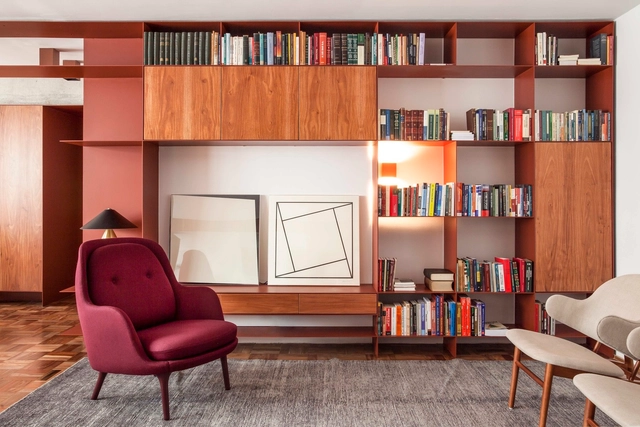
Sheet metal is characterized by an excellent strength-to-weight ratio, meaning it performs exceptionally well under heavy loads despite being lightweight and slender. Because of this, bookshelves made from sheet metal offer impressive storage capacity and have become increasingly popular in apartment design.
A faucet is a mechanical valve used to regulate (release or block) the flow of a fluid (usually water) from plumbing. While turning on a faucet seems almost mundane today, we rarely think about the vast knowledge and technology required to provide water at any given moment with a simple movement of the hand. Yet, between intake, treatment, and distribution to a kitchen or bathroom, water travels a complex path.
Escola da Cidade is broadcasting, for the first time, the inaugural lecture of the Seminar on Culture and Contemporary Reality, delivered in 2002 by Aziz Ab’saber, one of Brazil's most respected and renowned geographers and scientists.
Complexo do Alemão Housing Nucleus, arch. Jorge Mario Jáuregui – RJ 2009. Source: Jorge Mario Jauregui Collection
We must build the city through housing to address the country's housing deficit. Above all, we need not just “houses” but compact housing developments equipped with infrastructure, services, public facilities, and public spaces, featuring highly diverse housing typologies to accommodate a wide variety of family arrangements. The current incentives driving urban land speculation must be redirected through an Urban Reform.
https://www.archdaily.com/1123587/a-reading-of-social-housing-by-jorge-mario-jaureguiJorge Mario Jauregui
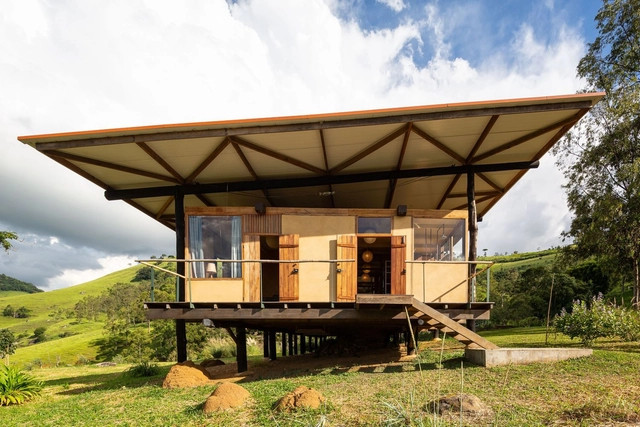
In recent years, metal roofing has increasingly gained ground in architectural projects, from the industrial to the residential scale, especially when there is a need to lighten structural loads or span large distances. In residential architecture, this solution offers a viable alternative to traditional ceramic tiles due to its low cost, rapid installation, and the wide variety of types and models available on the market.
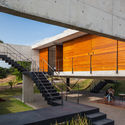
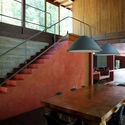
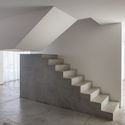
Certain acclaimed architectural works are recognized by details or specific elements designed with such care and inventiveness that they become the immediate reference that comes to mind when we think of these projects.
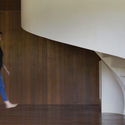
One such element that frequently takes center stage is the staircase. This is evident in classics like Lina Bo Bardi's Solar do Unhão, featuring a singular wooden staircase that organizes the entire open space and defines the scale of the structure, or the iconic helical staircase of the Itamaraty Palace, designed by Oscar Niemeyer with the precise curves that characterize his work.
Renovations of Brazilian modernist buildings prompt a necessary debate on how to preserve and what best practices to employ when intervening in architectural heritage. The challenges of this type of intervention are immense. These projects must be approached with great care to maintain respect for their historical significance, preserving key elements of their composition while simultaneously updating the building to meet contemporary and client demands.
Architects and urban planners seeking new sources of income during this period can find job opportunities across various regions in Brazil. For example, the City, Housing, and Health competition, organized by CAU/RJ, will award R$ 10,000 to the two best ATHIS (Technical Assistance for Social Interest Housing) proposals addressing housing and health in the era of Covid-19. Meanwhile, the Healthy House – Healthy City competition, hosted by CAU/RS, challenges participants to propose architectural solutions under different themes and will distribute R$ 100,000 in prizes.
Videos
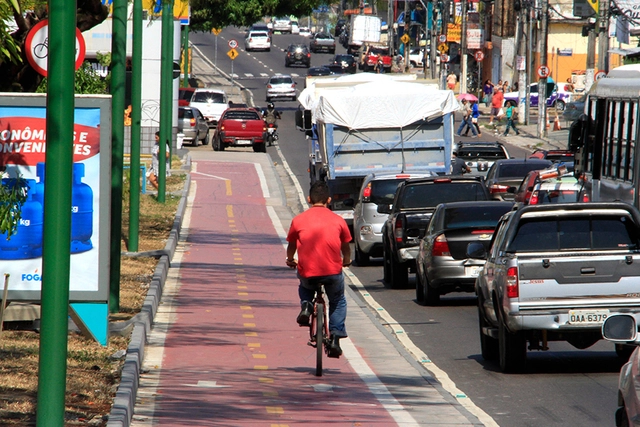
Bike lane in Manaus, AM. Courtesy of Caos Planejado
Cities are on the front lines of the fight against Covid-19. This pandemic has manifested as a global crisis, and the decisions made at this delicate moment by governments, policymakers, decision-makers, and the public will have profound consequences for the future. Countless contexts are already undergoing changes that alter—if only temporarily—human behavior. Social distancing measures, lockdowns, health protocols, and restrictions on urban mobility are major drivers in shaping new urban realities.




.jpg?1594383627&format=webp&width=640&height=580)
.jpg?1594383244 "The Milwaukee Art Museum in April, closed due to the Covid-19 pandemic. Image: Tom Barrett")
.jpg?1594383218 "Beeline, the Architectural Intervention by SO-IL, Is on Display as MAAT Reopens. Image: © Iwan Baan")

.jpg?1594383627)