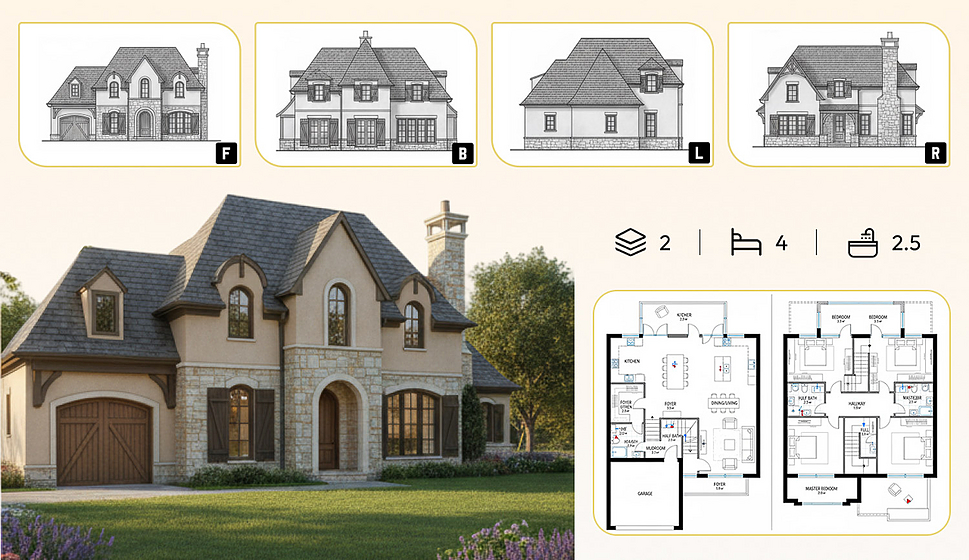
This guide covers a workflow that moves from project parameters to generated floor plans, 3D perspective views, exterior design exploration, and site context visualization, using AI tools in place of preliminary CAD and rendering work.
This guide covers a workflow that moves from project parameters to generated floor plans, 3D perspective views, exterior design exploration, and site context visualization, using AI tools in place of preliminary CAD and rendering work.
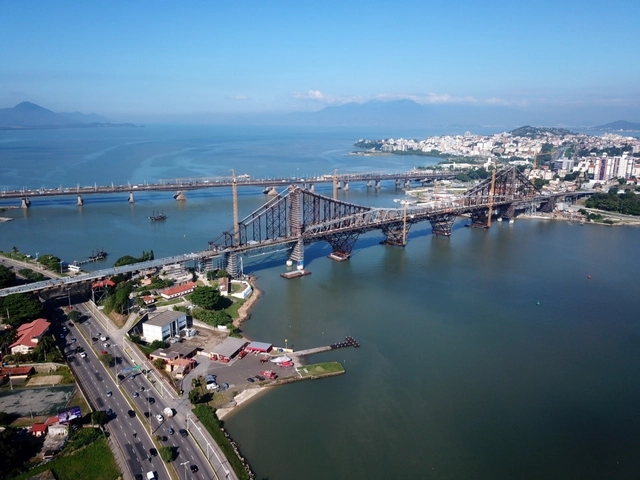
The City of Florianópolis and the Santa Catarina State Government plan to inaugurate the first phase of the urban redevelopment project for the famous Hercílio Luz Bridge and its surroundings by the end of the year. Named Ponte Viva: Hercílio Luz Para as Pessoas (Living Bridge: Hercílio Luz for People), the project encompasses not only the restructuring of the iconic landmark as road infrastructure, but also its activation for other uses, such as sports, leisure, and culture.
The city of Asunción hosted the XI Ibero-American Biennial of Architecture and Urbanism (XI BIAU). To mark the occasion, ArchDaily spoke with Paraguayan architect and coordinator of this edition of the international event, José Cubilla.
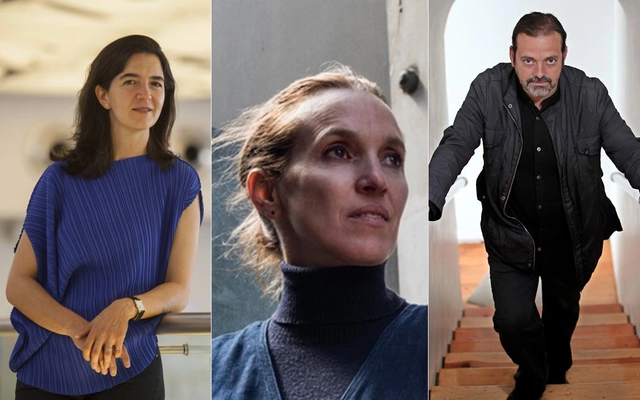
The National Academy of Architecture is a non-profit civil association whose primary objective is to study, promote, and recognize contemporary architecture, as well as to acknowledge, honor, and reward the outstanding performance of architects. The association has local chapters across various states of the Mexican Republic. It invites architects to join its ranks who, through the high caliber of their professional careers, have contributed to the advancement of architecture, the arts, and culture.
The Barcelona City Council, the Architects' Association of Catalonia (COAC), and the Mies van der Rohe Foundation, in collaboration with Barcelona Building Construmat and ArquinFAD, are organizing Architecture Week 2019, a public-facing initiative taking place at various venues across Barcelona from May 9 to 19.
During this time, Barcelona will become the epicenter of a wide range of activities related to architecture and the city, transcending disciplinary and territorial boundaries. Additionally, marking the centenary of the founding of the Bauhaus school of design and architecture, this year's edition will highlight the legacy of various early-20th-century architectural movements.
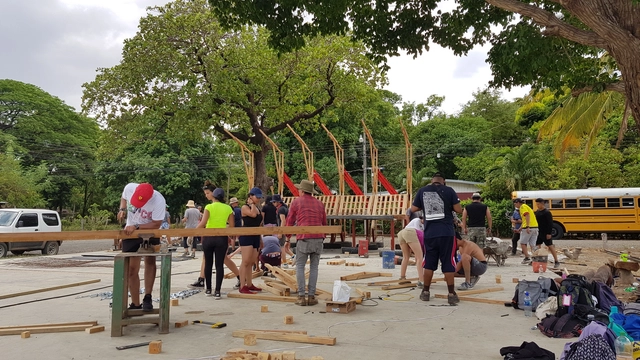

Nearly 200 students from 18 countries are currently working on TSL Costa Rica 2019 in the city of Santa Cruz, organized by the Latin American Coordinator of Architecture Students (CLEA) and the local organization Estudiantes de Arquitectura en Movimiento (EAM).

As a tribute to Mexico's rich and diverse chromatic palette, the Museo del Objeto del Objeto (MODO) presents its new temporary exhibition: “Mexico in Color,” curated by Ana Elena Mallet and Mariano Marroquín. The exhibition offers a cultural review of color perception in Mexico and its impact on art and design. One of the first experiences visitors will encounter is the conceptualization of color in folk art to forge identity. Subsequently, this element is adopted as a defining feature in the arts and, ultimately, as a driving force for the country's modernization.

In the article "trends that will influence architecture in 2019," we identified a digital future for the construction sector. Growing search volumes for both BIM systems, modular and prefabricated systems, as well as 3D Printing, Automation and Artificial Intelligence point to upcoming shifts in construction methods. Is architectural academia preparing for this future of human-free construction?
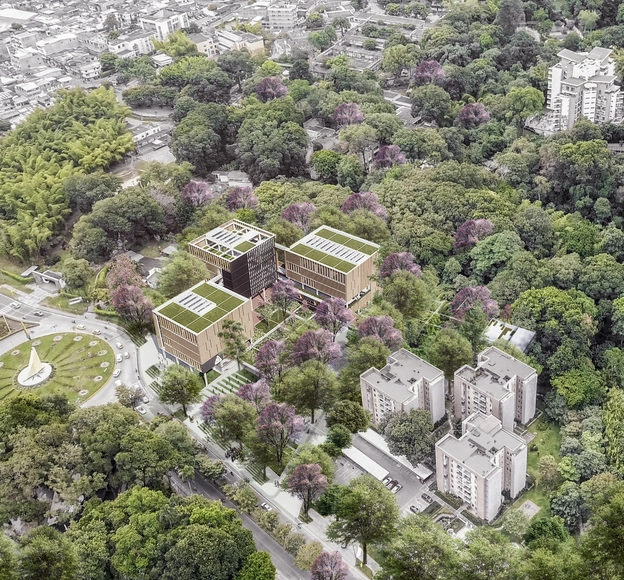
This month, DARP (De Arquitectura y Paisaje) was announced as the winning team of the public competition for the preliminary architectural design of Building A, part of the Physical Development Plan of the University of Ibagué. The project places the university within the contemporary academic architecture landscape that characterizes the national scene.

CityMakers is working alongside ArchDaily to publish a series of articles, conversations, and interviews with the diverse actors in city co-production behind the Barcelona CityMakers Lab 2019, an event taking place from October 14 to 20, 2019.
For this installment, we have compiled excerpts from a conversation with architect and urban planner Victor Torres, Creative Director of CityMakers, who invites us to reflect on the need to rethink traditional models of making and learning to build cities, and on CityMakers, a community that seeks to inspire change through on-site knowledge transfer in exemplary cities around the world.
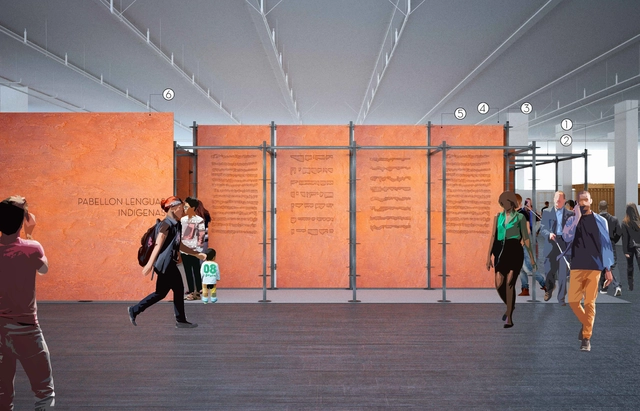
The Ministry of Culture, through the National Institute of Indigenous Languages, invited multidisciplinary teams, communities, and groups of graphic and industrial designers, architects, curators, exhibition designers, artists, and engineers, among other disciplines, to submit individual or co-authored conceptual design proposals for the Indigenous Languages Pavilion at the 2019 Oaxaca and Guadalajara International Book Fairs. This year, the Ministry of Culture's participation in these prominent international book fairs will not focus on book sales—which will be managed by the relevant institutions—but will instead align with the country's cultural policy.
For the 40th edition of BBConstrumat at Fira de Barcelona, Spanish architect Josep Ferrando shared exclusively with ArchDaily the details and design principles behind the 3,000 m2 of common spaces at Spain's leading construction trade fair.

Under the theme 'Factory of Ideas and Innovation,' the 33rd CAP Steel Design Competition for architecture students awarded first place to the team from Universidad Central, composed of students Hugo Valenzuela and Diego Lacazette, guided by professors Ricardo Atanasio and Álvaro Herrera, for their proposal "Biome and Seed Research Center."
The student team's proposal consists of "a controlled space for experimentation and observation of crop species in the face of desertification," as explained in the official project description.
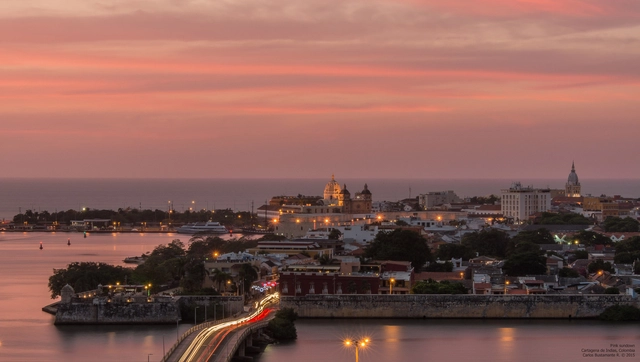
The degree to which heritage is crucial for the tourism and commercial value of cities like Cartagena is highly debated. As this value rises, the real estate sector invests more heavily in buildings that clash with the historic urban landscape. Especially since Cartagena is a warm, Caribbean, coastal vacation city, massive high-rise developments like Miami are often used as benchmarks. How far can real estate ambition go?
The answer is likely: until the city's long-term interests override those of private developers. This is the case of the controversial Aquarela building, whose already advanced construction was halted following a statement by UNESCO warning that they would remove the walled city of Cartagena from the World Heritage list. Consequently, the mayor of Cartagena reaffirmed his commitment to demolishing the unfinished structure.

The Spanish Architecture Prize (Premio de Arquitectura Española) has been awarded biennially by the Higher Council of the Colleges of Architects of Spain (CSCAE) since 1993 to promote the quality of architectural works built across Spain.
The award has recognized built works by architects such as Enric Miralles, Mansilla y Tuñón, Sara de Giles, and Francisco Mangado Beloqui, among others, with projects including the Royal Collections Museum and the Palma Convention Center and Hotel. Explore all the winning projects below.

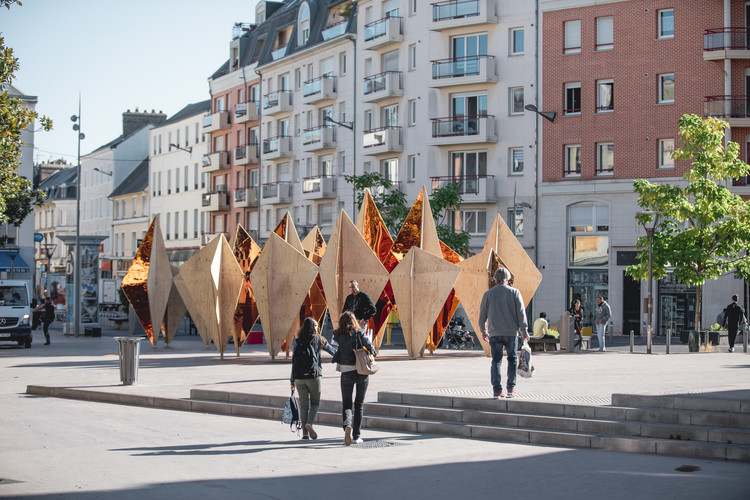
The Forêt Monumentale is a sustainable art and architecture exhibition featuring temporary works and pavilions designed as "site-specific" installations, created especially for a 4-kilometer trail in the Green Forest of Rouen, Normandy.
.jpg?1558985953&format=webp&width=640&height=580)
A few months ago, the first exhibition by Zaha Hadid Architects (ZHA) in Latin America concluded. It was held at the Museo Universitario de Arte Contemporáneo (MUAC) within the Centro Cultural of Ciudad Universitaria in Mexico City. The exhibition featured some of architect Zaha Hadid's projects through models, audiovisual materials, paintings, and photographs. It explored the creative process of her practice, highlighting the importance and complexity of design as the central axis linking form and construction processes in her work.
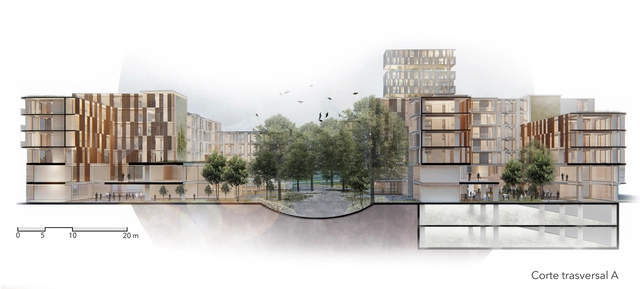
The "Microcentralidad la Y" ideas competition, organized by the Metropolitan Institute of Urban Planning (IMPU) and the Pichincha College of Architects (CAE-P), aimed to develop a plan for the former "La Y" northern station, proposing a management model for its execution that incorporates environmental sustainability aligned with the New City Model outlined in Vision Quito 2040. The jury awarded first place to the team from Raíz Estudio. Read on to learn more about the winning project in the words of its designers.
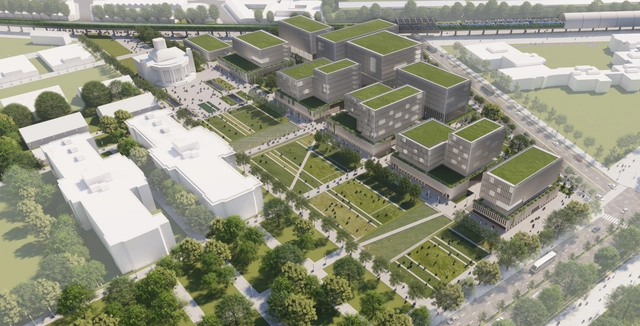
The National Ideas Competition for the Pabellón del Centenario and its surroundings, promoted by the State Property Management Agency and organized by the Sociedad Central de Arquitectos, closed on April 22, yielding a total of 65 proposals and the participation of architects from across the country.
The significance of the competition lay, on one hand, in the opportunity to restore the architectural value of the Pavilion which, designed by Virginio Colombo, is the only standing building of the 20 constructed for the Centennial celebrations in 1910. At the same time, it presents an opportunity to enhance and revitalize the adjacent areas, generating urban-scale impacts that will drive the future development of the area and integrate a wide variety of scenarios.
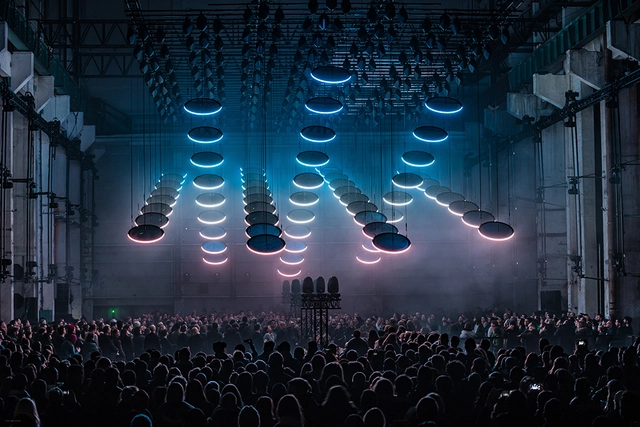
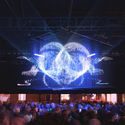
This November, Mexico City cements its status as one of the most exciting creative capitals in the world, featuring a circuit of activities designed to highlight the avant-garde, experimentation, and new digital art models that the city attracts and inspires. After 16 years of continuous work, MUTEK Mexico is proud to be part of this circuit, collaborating with other organizations to offer the public one of the year's most intense and stimulating weeks dedicated to digital art and sound.
.jpg?1559517037&format=webp&width=640&height=580)
The Venice Architecture Biennale is arguably one of the most influential exhibitions in the world. Established in 1895 as the "Venice International Art Exhibition," the Biennale has become one of the most prominent cultural institutions worldwide, serving as a universal platform for nations to showcase their work. Consequently, every two years, the global spotlight turns to Venice.

In September, we launched the fourth edition of our open call in Colombia, inviting architects to submit their undergraduate thesis projects. In this edition, the call received 104 submissions from more than 15 cities and 25 universities across the country, marking an 11% increase in proposals compared to 2018.
Following an exhaustive evaluation, and to celebrate Architects' Week in Colombia, we present the 13 thesis projects selected as winners by our editorial jury (Fabián Dejtiar, Mónica Arellano, and Santiago Baraya). The evaluation criteria prioritized projects that directly addressed current issues, such as urban, local, social, and environmental contexts.
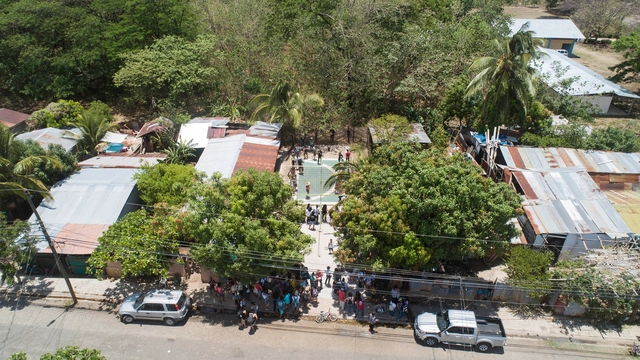
Following ten days of analysis, design, community engagement, and construction, more than 200 students and architects from across Latin America inaugurated three public amenities in late April, marking the 16th edition of the Latin American Social Workshop (TSL Costa Rica 2019) in the city of Santa Cruz.

Today, discussing infrastructure means discussing geopolitics and connectivity as a key driver of global competitiveness. Connectivity, however, should not be understood solely as physical infrastructure, even if we are talking about roads for autonomous vehicles or hyperloop tunnels.
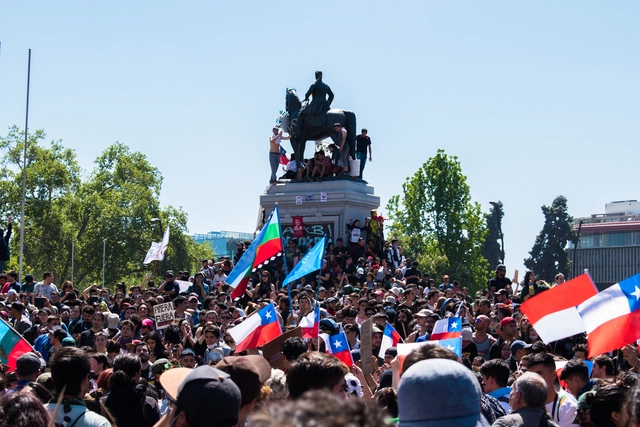
Amid the ongoing social crisis in Chile, the National Council for Urban Development (CNDU) issued an official statement acknowledging "broadly the diagnosis of deep segregation in our cities and the urgent need for greater social integration."





.jpg?1570822093 "Courtesy of Hugo Valenzuela and Diego Lacazette")



.jpg?1571341153 "© lan Aubry - Métropole Rouen Normandie")
.jpg?1571341420 "© lan Aubry - Métropole Rouen Normandie")
.jpg?1571341659 "© lan Aubry - Métropole Rouen Normandie")
.jpg?1571341878 "© lan Aubry - Métropole Rouen Normandie")
.jpg?1558985953)