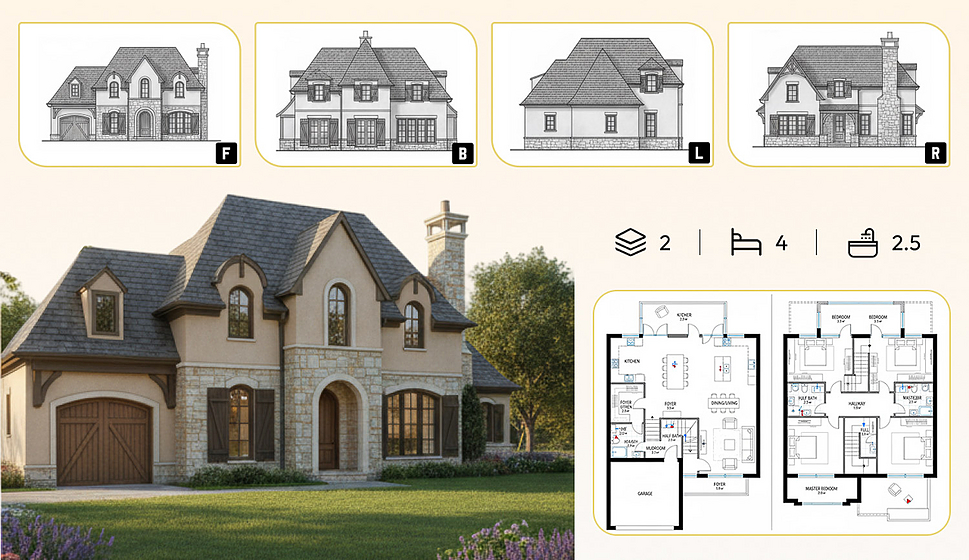
This guide covers a workflow that moves from project parameters to generated floor plans, 3D perspective views, exterior design exploration, and site context visualization, using AI tools in place of preliminary CAD and rendering work.
This guide covers a workflow that moves from project parameters to generated floor plans, 3D perspective views, exterior design exploration, and site context visualization, using AI tools in place of preliminary CAD and rendering work.
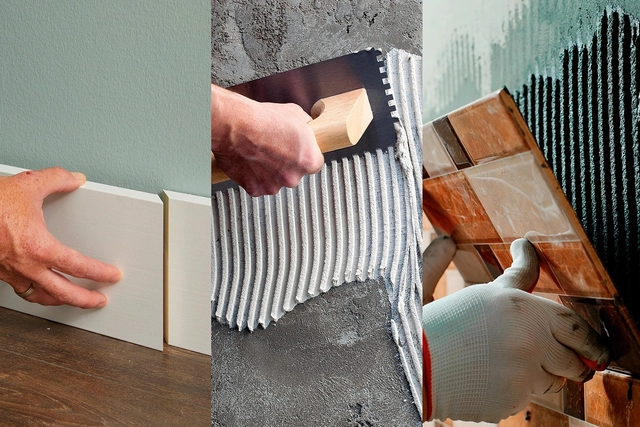
The history of building materials is a journey of innovation and adaptation to environmental demands. In their most rudimentary forms, for example, the earliest adhesives were made from natural sources, such as mixtures of tree resins, lime, and water. Later, cultures like the Egyptians refined these methods, using starch and casein (a milk protein) to bond elements in their structures. This evolution reached a milestone during the Industrial Revolution, when industrialization and the introduction of synthetic compounds laid the groundwork for the advanced products we know today. The production methods of these materials have transformed construction, optimizing processes and driving significant progress toward sustainability.
"Perhaps in other times knowledge was a secret, which held back progress. As knowledge is made public, knowledge advances." - Juan Baixas
This micro-documentary by HOLDER is the result of an initiative dedicated to bringing visibility to contemporary Latin American design through its histories and creations. In this first episode, Juan Baixas offers a first-person account of the creation and development of his Puzzle Chair, a piece that was added to the permanent collection of the Museum of Modern Art (MoMA) in New York in 2015, highlighting its significance in modern design.
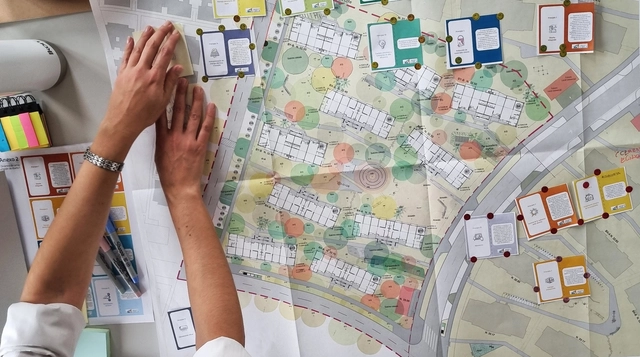
When the Minergie sustainable building standard was established in Switzerland 25 years ago to reduce energy consumption and improve indoor comfort, it was hard to foresee that it would become one of the country's most sought-after certifications. Today, it boasts a significant footprint with over 50,000 certified buildings. It was equally difficult to imagine its future in present-day Latin America: how could a system developed for the specific demands of one nation respond to the needs of another region with such diverse geography and culture?


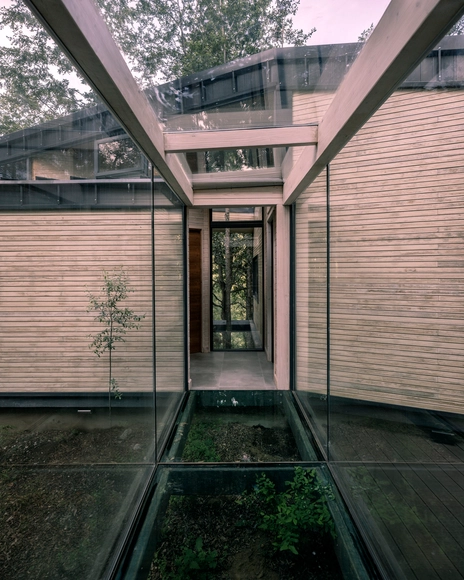
What role do glass surfaces play in connecting contemporary architecture, nature, and the experience of those who inhabit interior spaces? The evolution of the glass envelope has accompanied the development of contemporary architecture, with the transmission of natural light serving as one of its defining qualities. Furthermore, the material's versatility and transparent character blur the boundaries between indoors and outdoors, while evoking a range of sensory and psychological experiences, among other virtues. In its constant search for innovation, Glasstech offers a wide range of glass solutions, providing end-to-end support from initial project design to final installation. To illustrate these diverse applications, we examine Casa Bosque in Chile as a prime example of architecture in harmony with its natural surroundings.
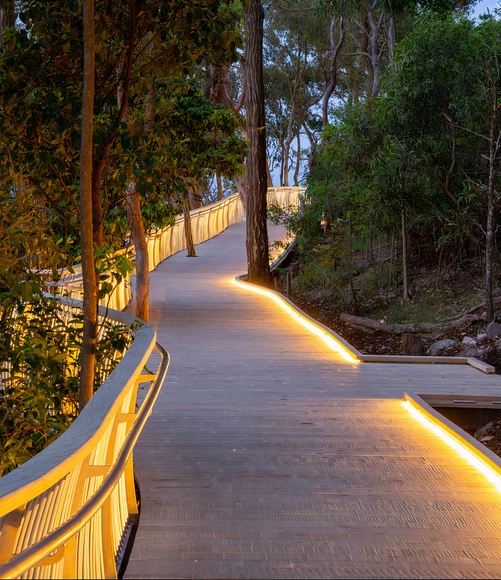
Offering a balance between aesthetics and comfort, designing wooden decks for outdoor spaces such as patios, terraces, walkways, balconies, gardens, or swimming pools represents an excellent alternative for creating outdoor areas for relaxation, entertainment, and recreation. When paired with swimming pools, fountains, or water features, decking in various dimensions, colors, and finishes combines the warmth of wood with the clarity of water, provided it is treated and maintained to maximize durability and optimize long-term performance. Indeed, Leaf Panel's Forta Deck offers a renewable, recyclable, and high-quality solution for outdoor flooring, highlighting the importance of reducing the carbon footprint of building products and leveraging the properties of acetylated wood to improve outdoor performance.
Nicolás Valencia speaks with Venezuelan architect Betina Rincón, research coordinator at re:arc institute, about the work of the Danish philanthropic organization in supporting and funding community-led solutions to address the climate crisis worldwide.
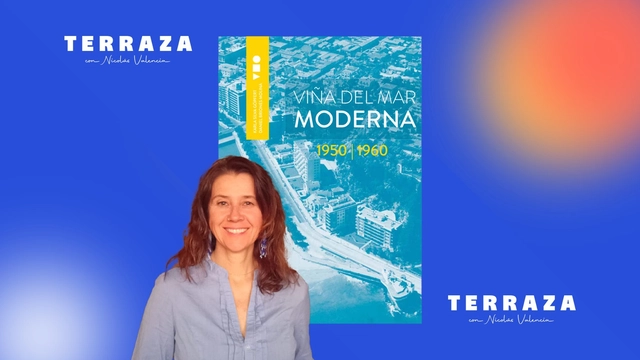
This week on the TERRAZA podcast, Nicolás Valencia talks with Chilean designer Karla Silva about the book Viña del Mar Moderna, published in 2022.
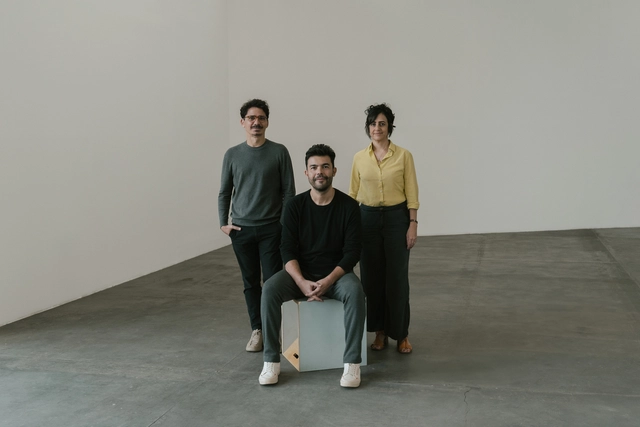
The Fundação Bienal de São Paulo has announced the curatorial team for the Brazilian Pavilion at the 19th International Architecture Exhibition – La Biennale di Venezia, scheduled to open on May 10, 2025. The task will be led by the group Plano Coletivo, composed of architect Luciana Saboia and architects Eder Alencar and Matheus Seco. The selection of the group reflects the Foundation's commitment to highlighting architectural practices that foster positive social and environmental impact.
Plano Coletivo is recognized for its collaborative and multidisciplinary approach, integrating architecture, urbanism, and design with a focus on sustainable and inclusive solutions. The team has carried out significant projects across various regions of Brazil, always seeking to engage local communities in the design and implementation process.
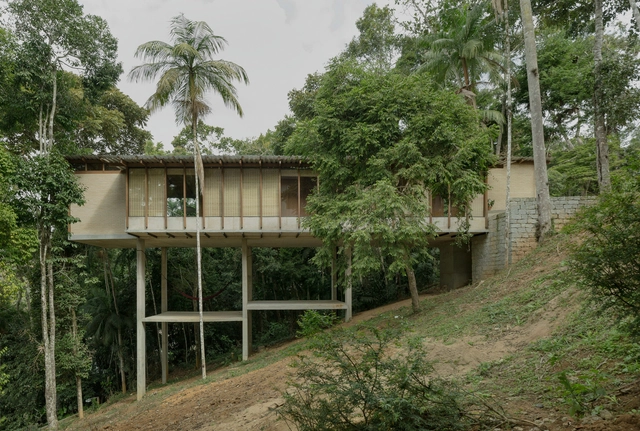
A cada ano, a equipe de Curadoria de Projetos do ArchDaily rememora a vasta gama de obras publicadas ao longo desse período, apresentando retrospectivas que permitem não apenas identificar tendências e variações na produção arquitetônica, mas também reconhecer de que forma impactam a nossa audiência. No ArchDaily Brasil, a seleção anual de melhores casas – que ano após ano, segue permanecendo como nossa categoria de projeto mais popular – representa uma amostra das variadas soluções, estratégias, técnicas e materiais encontrados na arquitetura residencial dos países de língua portuguesa.
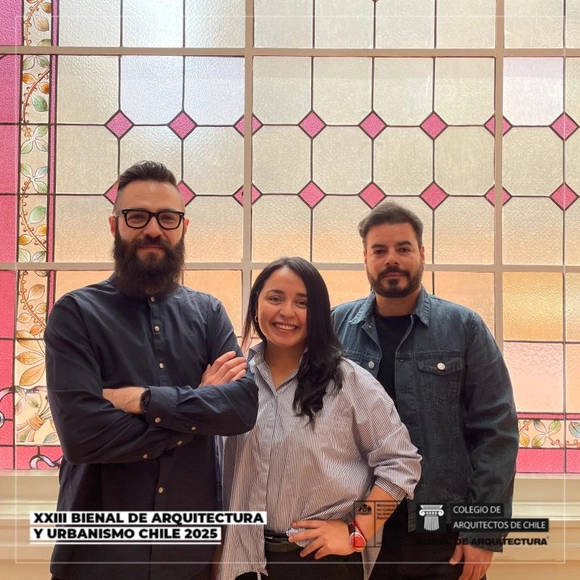
The Architects Association of Chile and the Ministry of Cultures announced the results of the competition for the XXIII Chilean Biennial of Architecture and Urbanism. The winning proposal, "Double Exposure: reprogram, revitalize, rebuild", by Sebastián López, Ángela Carvajal, and Óscar Aceves, addresses interventions in disused heritage spaces, merging old and new works. In addition, awards were presented to "Urban Amusements" and "Weaving Territories". The event reflects on historical architecture and its revitalization.
The curatorial team for the XXIII Chilean Biennial of Architecture comprises Sebastián López Jeldes, Ángela Carvajal Fernández, and Óscar Aceves Álvarez, and the jury is composed of Fernando Pérez Oyarzún, Amarí Peliowski, Cristián Izquierdo, Macarena Cortés, Pablo Rojas, Beatriz Buccicardi, Fernando Miranda, Martín Urrutia, and Vicente Burgos.
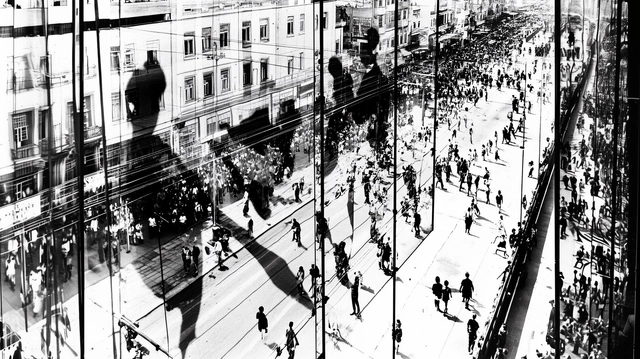
Seeking to reflect on the contemporary city invariably runs up against the limitations imposed by the methods of the Modern Movement. Classical sciences and their deterministic methods, which guided—and still guide—the urban planning of this era, describe world phenomena through strict causal relationships and, consequently, define them by reductive universal laws that exclude contradictions and uncertainties. The frequent result of these perspectives is an idealized, mechanistic world that denies the complex, actual nature of phenomena such as cities.
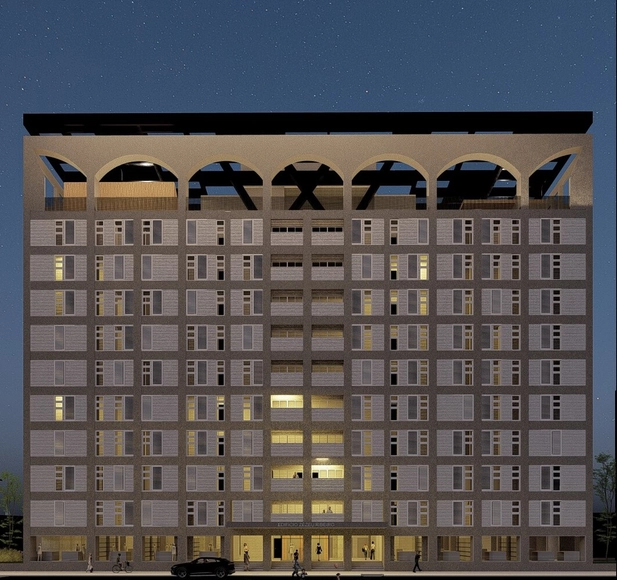
The Council for Architecture and Urbanism of Amazonas (CAU/AM) announced the winners of the ATHIS Ideas Competition - Arquiteto e Urbanista Zezéu Ribeiro Award, which sought to promote technical assistance projects for social housing (ATHIS). The initiative's main goal is to address the housing challenges of vulnerable communities in the state through affordable, innovative, and socially responsible architectural solutions.
The winning projects stood out for their sensitive and contextualized approach to local needs, incorporating principles of sustainability, community participation, and the efficient use of resources. Focusing on housing improvements, land tenure regularization, and the upgrading of urban spaces, the proposals align with the objectives of the ATHIS program, established by Federal Law 11,888/2008, which guarantees free technical assistance to low-income families.
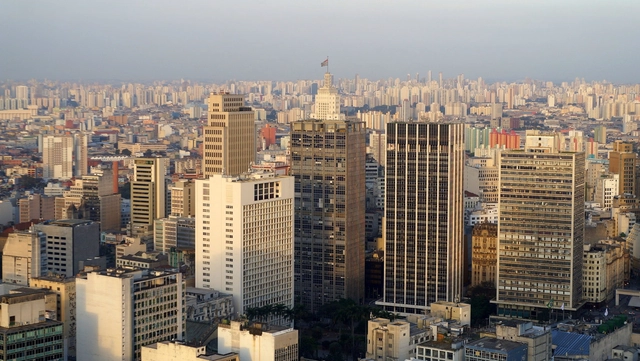
Real estate speculation is undoubtedly the greatest villain singled out by those who study, inhabit, or are simply interested in cities today. It gets blamed for practically every urban problem: whether a city is too dense or too sprawling, choked with traffic or prohibitively expensive; whether local politics are corrupt or the poor are marginalized to the periphery; whether corporations profit from public investments or public infrastructure lies idle; whether historic heritage is destroyed, new buildings alter the cityscape, or informal settlements are burned down. The list is endless.

What if you could send a WhatsApp message and a bright green van delivered native tree saplings directly to you? In Salvador, the local government does exactly that. Painted with the image of a biodiverse Brazilian forest, this green van is part of the "Disque Mata Atlântica" (Atlantic Forest Hotline) program. Since its launch in 2017, the initiative has delivered 4,500 trees to residents wishing to plant them at home.


Between 1985 and 1989, the city of Olinda (Pernambuco) served as the pilot site for a federal program that was to be implemented in 48 other Brazilian cities. Among other goals, this program sought to provide social housing in built environments and preserve local memory and ways of life by ensuring the permanence of traditional residents. Though still little known in the history of cultural heritage and social housing policies in Brazil, this plan points the way toward managing territories based on the social and cultural practices of their inhabitants.
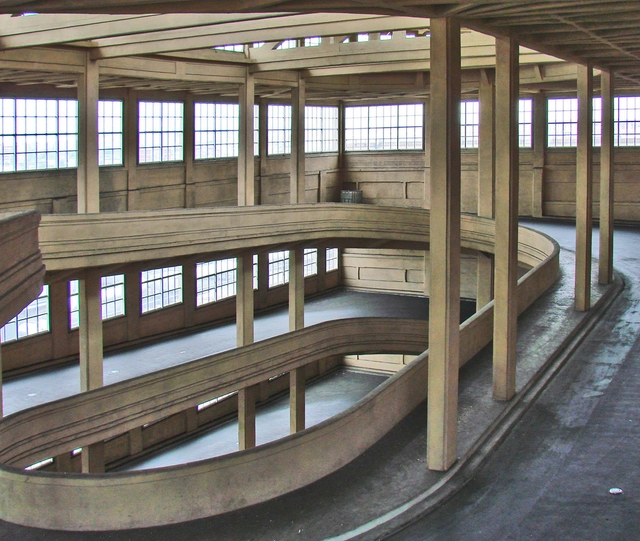
The design for the Fiat factory in the Lingotto district of Turin, Italy, was developed by engineer Giacomo Mattè-Trucco in 1915. Construction began the following year and was carried out in stages until its completion in 1923. Inspired by Fordism, a manufacturing model that emerged in the United States in the 1910s, the factory was designed with an upward-moving assembly line. Upon reaching the roof, the completed cars were ready to be tested on a track approximately 1 km long.
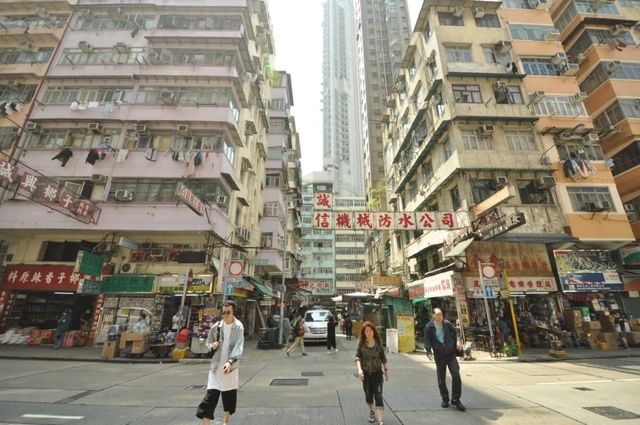
Many authors address the importance of the street to vitality in urban space. Streets are public open spaces, typically bordered by the buildings that shape them. We rarely realize it, but it is through this open space that we appropriate the city, and where the experience of walking takes place.

Casa Lacerda, one of the main architectural heritage sites in the Lapa region (Paraná), will soon be revitalized. Currently operating as a museum and Heritage House—with rooms styled to recreate the home of a traditional local family—the space will be expanded with the construction of an annex. On Wednesday (18), the National Historic and Artistic Heritage Institute (Iphan) and the Paraná Department of the Institute of Architects of Brazil (IAB-PR) announced the winning proposals of the national design competition for the new building.
2.jpg?1565106025&format=webp&width=640&height=580)

The complex is located on Santa Cruz Street in Vila Mariana, near Gregori Warchavchik's Modernist House, and consists of 23 three-story blocks sited on a triangular plot of 61,900 m². Most of the blocks were oriented with their facades facing east-west, spaced to ensure adequate sunlight for the apartments.
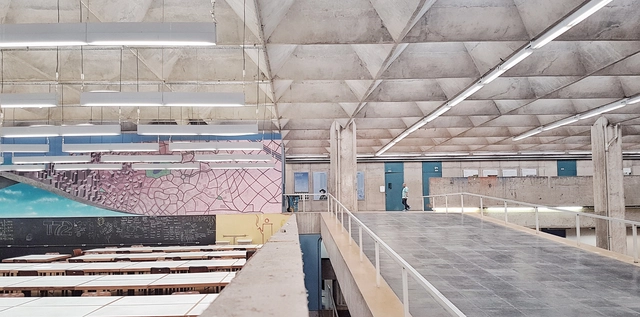
The School of Architecture and Urbanism at the University of São Paulo (FAU USP), one of the most prestigious architecture schools in Latin America, recently launched its YouTube channel—an initiative that continues efforts to highlight its community's work and democratize knowledge. Featuring student projects, lectures, documentaries, and expert perspectives on a wide range of topics, the channel offers diverse and relevant content.

Inverse City uses the urban morphology of central São Paulo and its adjacent districts as its primary structure and raw material, providing a foundation for the creation of a new space-time. This space-time allows us to explore and deconstruct the city we know.

Most architecture schools in Brazil also focus on the study of the city. This is only logical, considering that architecture and urbanism can be seen as the same discipline viewed from different scales. However, career opportunities at the urban scale may not always be clear. Consequently, Anthony Ling shared an article on ten ways to work in urbanism.
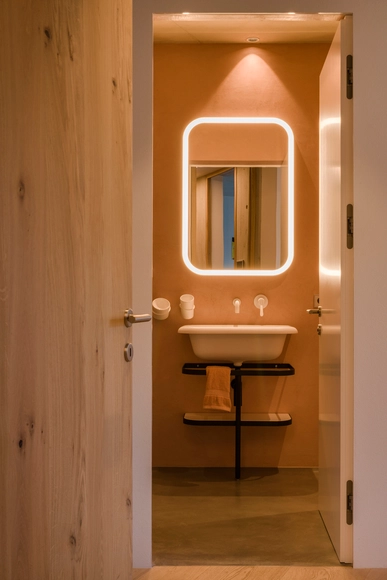
A successful interior design must be paired with a proper lighting design. It is responsible for ensuring that the quantity and wattage of the bulbs are suited to the space based on its dimensions and use.

Currently, until August 16, the second public consultation on the new Urban Intervention Project (PIU) for the city's central sector is open on the municipal government's website. The project involves the necessary revision of the Centro Urban Operation, a law enacted in 1997 whose alignment with the regulatory framework established by the 2001 City Statute had been expected since the passage of the last Master Plan (Law 16,050/2014).