This guide covers a workflow that moves from project parameters to generated floor plans, 3D perspective views, exterior design exploration, and site context visualization, using AI tools in place of preliminary CAD and rendering work.
This guide covers a workflow that moves from project parameters to generated floor plans, 3D perspective views, exterior design exploration, and site context visualization, using AI tools in place of preliminary CAD and rendering work.
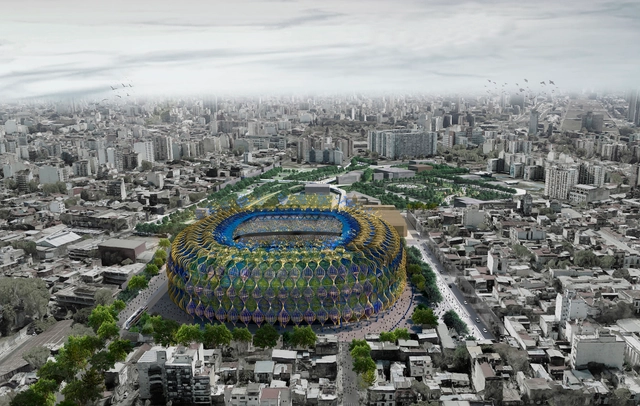
The School of Architecture and Design at the University of Morón (ESAD) has presented the expansion and renovation project for the Club Atlético Boca Juniors stadium, widely known as La Bombonera, located in the Autonomous City of Buenos Aires, Argentina. Led by Alejandro Borrachia alongside a team of ESAD professors and students, the project proposes rethinking the stadium's capacity and its adaptation to modern demands, aiming to address the needs of club members and officials, the social issues affecting local residents, and the city's environmental challenges.
.jpg?1587013812&format=webp&width=640&height=580)
The social housing situation in Latin America is often quite similar, varying primarily according to specific local climate adaptations. However, in most architecture schools, it is uncommon for undergraduate curricula to delve deeply into this subject. Perhaps the best way to understand these housing typologies—from an architectural standpoint—is through direct experience.
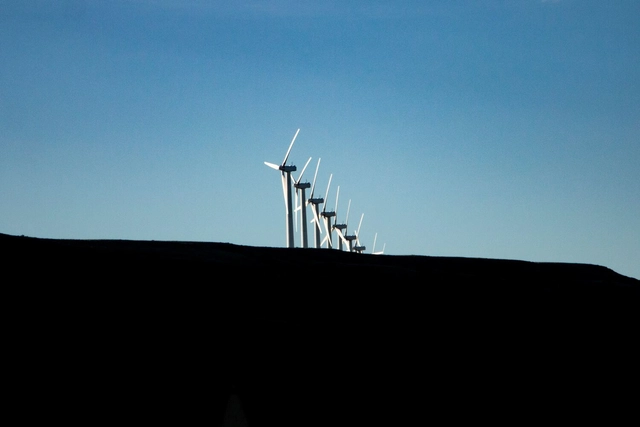
When it comes to climate change, the headlines can sometimes seem contradictory. One day, we read about catastrophic wildfires wreaking havoc across the globe; the next, we see an optimistic article about the rapid rise of solar and wind energy. Taken together, these narratives can make it difficult to grasp the big picture of climate action. Are countries actually implementing effective solutions if greenhouse gas (GHG) emissions continue to rise? In which areas has the world made enough progress to overcome the climate crisis, and where are the gaps? What specific measures are needed to get us on the right track?
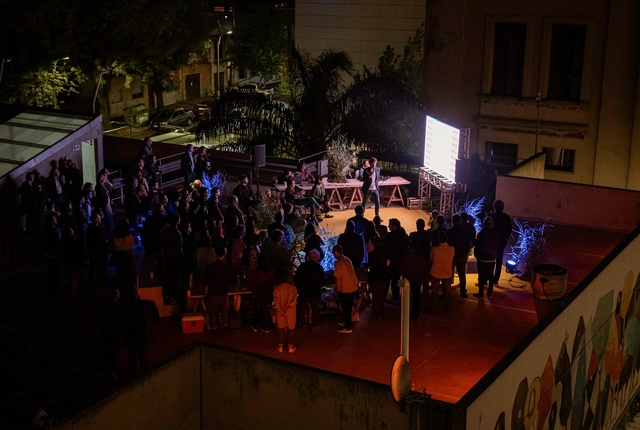
With its sights set on the future, in 2024, the Universidad Católica del Uruguay is adding the Architecture, Design, and Environment program to its academic offerings. Felipe Reyno, PhD in Architecture and director of this new degree program, reflects on the need to train architects with a contemporary, contextual, diverse, critical, and collaborative perspective.
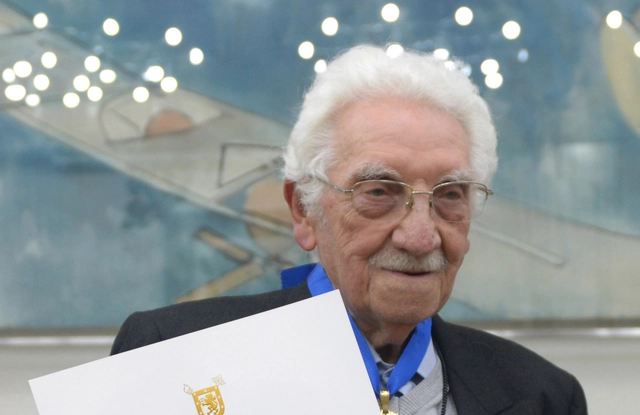
The Universidad de Santiago de Chile awarded its highest academic distinction to architect Miguel Lawner Steiman, who received an honorary doctorate on November 16.

While the first edition's theme was SHARE, and the second was CIRCULATE, the 3rd Tomie Ohtake Institute Leroy Merlin Design Award proposes REVIEW as its core concept—an opportunity to look at our social and environmental context, critically analyze it, and ask: how can a project contribute based on what is already in place?

In 2017, the city of Salvador, Bahia, established its Urban Afforestation Master Plan and, as part of this initiative, released a comprehensive guide for anyone wishing to plant in urban spaces.
Which species are most suitable and how to plant trees on sidewalks are some of the questions answered in the document. Although titled the “Salvador Technical Urban Afforestation Manual”, the guide can be used by residents of any city, especially those living in the Atlantic Forest biome.

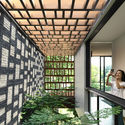
These architectural elements are used for different reasons almost everywhere, because they have a visual permeability that promotes the much desired dialogue between interior and exterior, which most architects seek, while being able to maintain the privacy of the users of a building. However, in tropical climates, they gain even greater importance as they allow constant natural ventilation, shade areas with large amounts of sunshine, and provide natural lighting and thermal comfort.
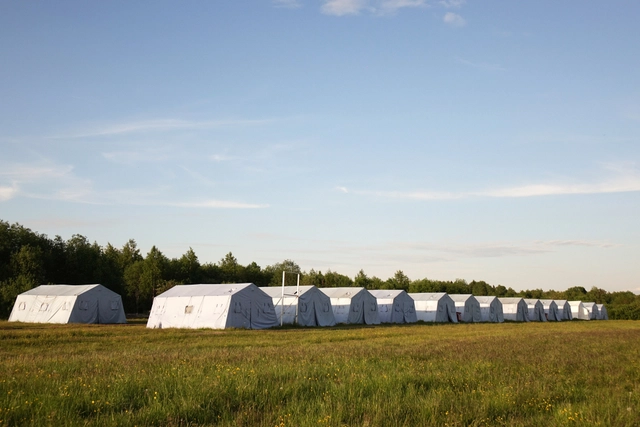
Like the flight of a bird, a summer rain, ocean tides, lightning during a storm, or a prolonged drought, natural phenomena occur every day without our noticing. Yet, some draw more attention, such as volcanic eruptions, earthquakes, the emergence of a new virus, or major floods. Even so, if they occur in an uninhabited region and do not cause significant material damage, they remain merely natural phenomena. If, however, they strike populated areas, causing deaths, injuries, production disruptions, major financial losses, and displacement, only then are they considered natural disasters.
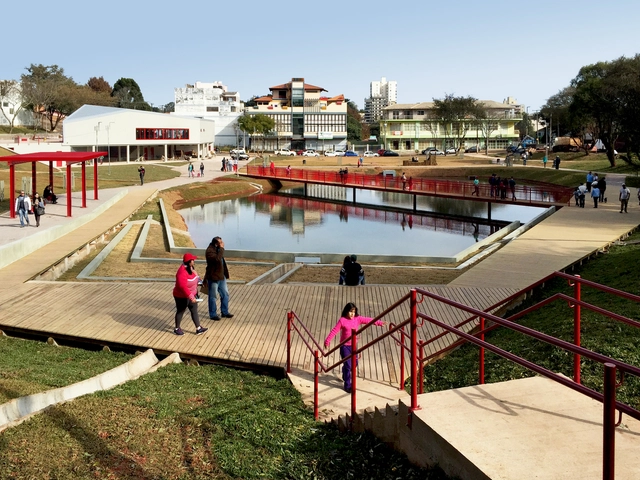
Developed by the Semeia Institute and the United Nations Office for Project Services (UNOPS), Parques para Todas e Todos is a tool to inspire the creation of more diverse spaces by incorporating a gender perspective into the planning and management of urban parks. It offers guidelines, suggestions, and ideas to begin designing parks that address everyone's needs.
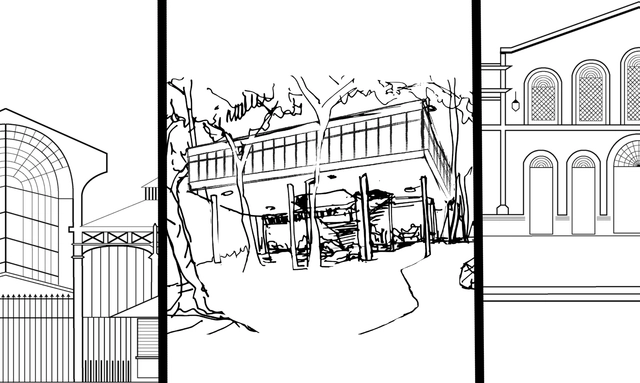
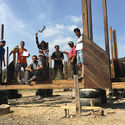
Pé na Estrada is an outreach project of the School of Architecture and Urbanism at the University of Brasília, active since 2011 as an extracurricular activity. Its primary goal is to organize and promote study trips across Brazilian cities. However, due to the COVID-19 pandemic, the project had to adapt to social distancing, launching new heritage education initiatives and encouraging alternative ways of experiencing spaces studied in the classroom to expand the knowledge and creative vocabulary of both students and the community.
.jpg?1592513258)
The postgraduate program at Escola da Cidade — Geography, City, and Architecture — welcomed David Barragán for a series of lectures. During his visit, we interviewed the partner of Al Borde, an award-winning practice recognized by the 100+ Best Architecture Firms 2019, Panorama Iberoamericano de Obras, XI BIAU Asunción, and Best Feature Documentary at the 5th CINETEKTON, among others.

Originally written as a final paper for the elective course Traditional Dwellings (Moradias Tradicionais) at Escola da Cidade in 2017, this essay addresses the little-known presence of large-scale pre-Columbian structures in the heart of the Amazon Rainforest.
Over the last 40 years, hundreds of massive geometric formations carved into the ground—known as geoglyphs—have been discovered in the state of Acre. These structures show that the Amazon was inhabited thousands of years ago and that its vegetation was managed, debunking the notion of the region as an untouched, pristine wilderness.

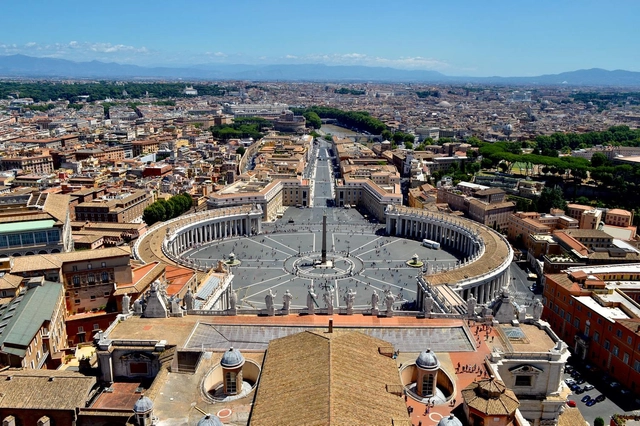
On June 18, the fifth anniversary of the publication of Laudato Si’ – Pope Francis’s encyclical calling for global unity in combating climate change – the Vatican published new guidelines containing more than 200 recommendations for environmental protection.
The document, titled “Journeying Towards Care for Our Common Home: Five Years After Laudato Si’,” suggests practical measures to curb global warming and issues stark warnings about the dangers of environmental degradation. It calls on the world to decarbonize the energy and economic sectors, making renewable energy accessible to all, and advocates for fossil fuel subsidy reform and CO2 emission taxation.
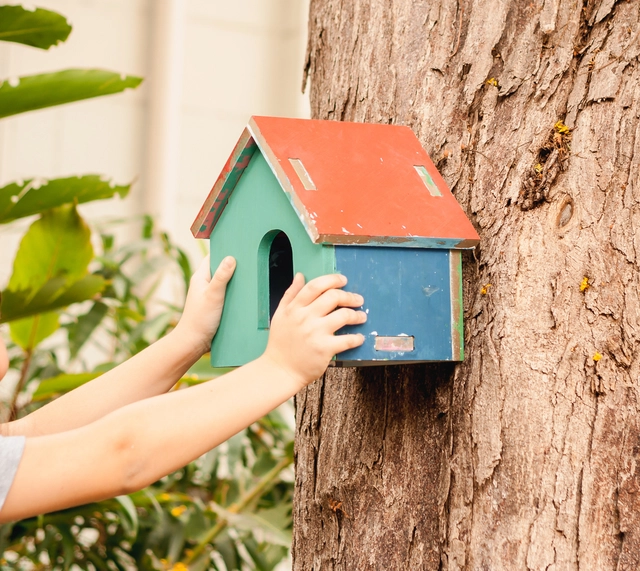
Architecture is a discipline deeply connected to the perception and construction of space, and could be introduced in early childhood education. With this in mind, the architects at Studio dLux proposed the Bird House project, a workshop for elementary school children designed to introduce the design and construction processes of a birdhouse.

Prete-Indígena is a directory designed to map and promote Black and Indigenous people working in the fields of design, architecture, and web development, created by Fabiano Procópio and Gabriel Biselli. It arises from the question of where Black professionals are active, not only in research but also in the practice of these fields.

The appearance and long-term maintenance of a work of architecture or interior design are heavily dictated by its materiality and the products used. If the selection of materials and products is not precise, the project can be compromised both aesthetically and functionally.
This is why specification is essential to achieving the desired result, and the professionals responsible for this stage must have a broad knowledge of the materials and products available in their region. But is material specification done similarly across all architecture firms? Do the initial and final stages of the project receive the same attention? How close is the relationship between architects and materials, really?
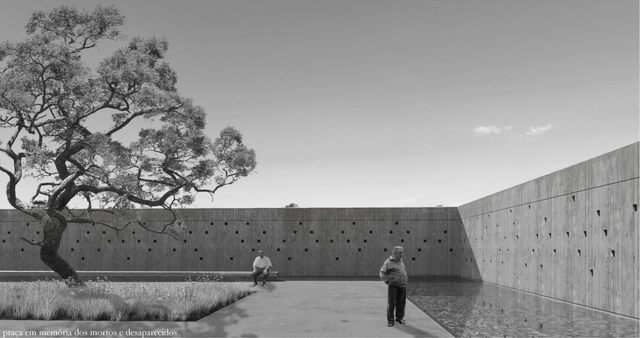
The 4th {CURA} Award continues the practice of hosting ideas competitions on themes aligned with current discussions on architecture, the city, and society, focusing on contemporary Brazil. The institutionalization of authoritarian and denialist discourse has become a real threat. For this reason, the competition's theme—a Museum of Democracy—brings forward a necessary discussion on how we treat memory and our history.

A faucet is a mechanical valve used to regulate (release or block) the flow of a fluid (usually water) from plumbing. While turning on a faucet seems almost mundane today, we rarely think about the vast knowledge and technology required to provide water at any given moment with a simple movement of the hand. Yet, between intake, treatment, and distribution to a kitchen or bathroom, water travels a complex path.
_11.44.10.jpg?1595963269&format=webp&width=640&height=580)
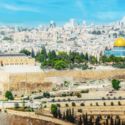
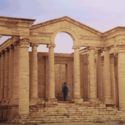
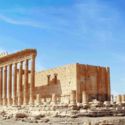
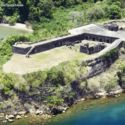
Despite UNESCO's recognition of specific world heritage sites, some are in constant danger of disappearing due to natural phenomena like earthquakes and human factors such as urbanization. By definition, these landmarks are significant to human history, embodying characteristics that reflect the core values of various civilizations. However, many have never been experienced firsthand by a large portion of the global population.

The way you experience the city, the urban infrastructure provided in the areas you frequent, and even the job opportunities that come your way are all, to some extent, shaped by the color of your skin. These themes unfold across multiple layers to discuss racial segregation in the urban environment in the seminar "The City and Racial Subjection," organized in 2018 by the Laboratory of Race and Urban Space Studies (Labraça) at FAUUSP.
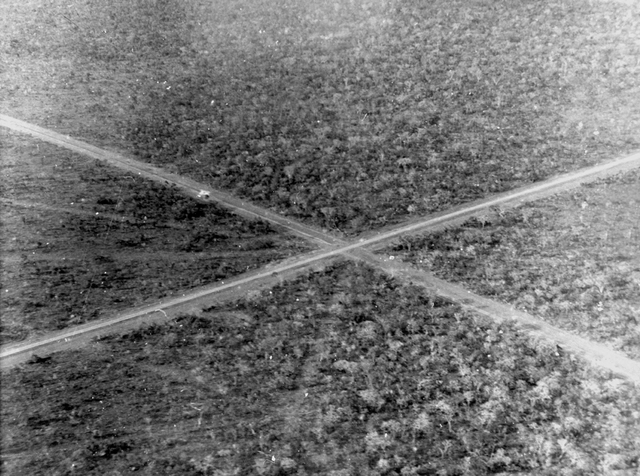
As it celebrates its 60th anniversary, Brasília has an opportunity to draw inspiration from the anti-racist and anti-colonial movements worldwide that have challenged the monumentality of official history, confronting the memorialization of colonialism within its own urban landscape. Rather than celebratory events that reiterate official narratives, marking the city as a *bandeirante* milestone of national modernity, we should pause—a pause moreover imposed by the pandemic—to reflect on how certain memories are eternalized while others are erased, and thus trace new memorial cartographies onto the urban fabric of the capital.

Twenty-first-century urbanism will be marked by an increase in both the number and scale of global megacities—urban agglomerations with over 10 million inhabitants, according to the UN—alongside a geographical shift. By 2100, African metropolises such as Lagos (Nigeria) and Kinshasa (Democratic Republic of the Congo) are projected to exceed 80 million residents. The rise of these new, larger metropolises, especially in Africa and Asia, compounded by the urgent need to address the ongoing climate crisis, demands immediate changes in the discourse surrounding urban mobility.

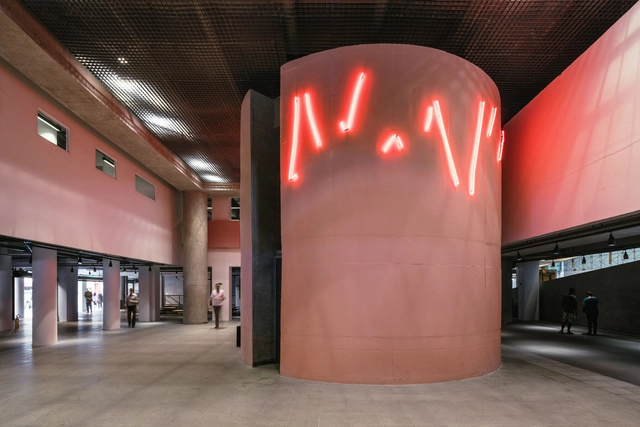
Sesc São Paulo has made a series of catalogs, educational materials, and booklets produced for the institution's exhibitions available for free on its website. Fittingly, several of these themes intersect with thinking on architecture and the city.




.jpg?1592513258)





_11.44.10.jpg?1595963269)