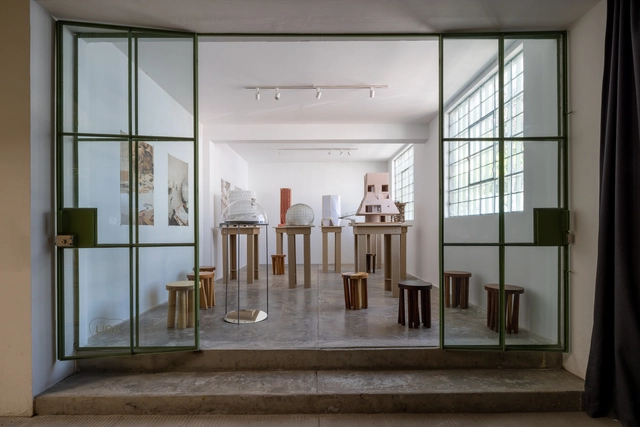
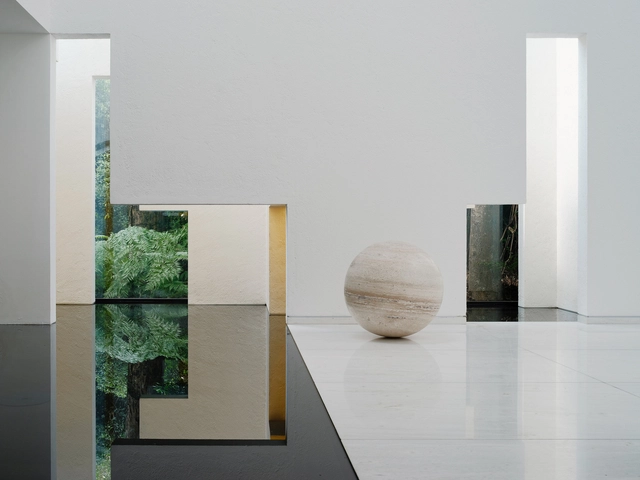
Trained in the United States (Princeton and Cornell), young Mexican architect Isidoro Michan-Guindi established his studio in Mexico City just four years ago, in 2019. While Michan-Guindi is relatively unknown within the Mexican architectural scene, his studio is a complex laboratory home to a multitude of projects materialized through cardboard prototypes, pigmented concrete models, electro-robotic pieces, and aluminum molds; these all transform into intelligent architectural proposals ranging from everyday objects, such as doorknobs, to residential towers.
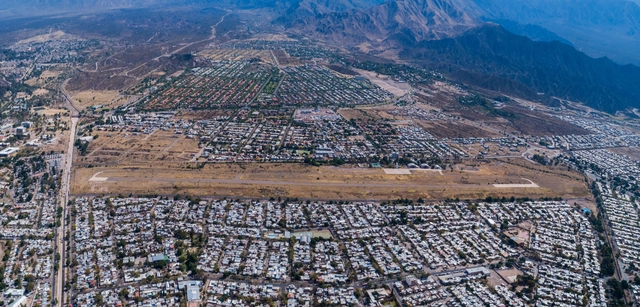
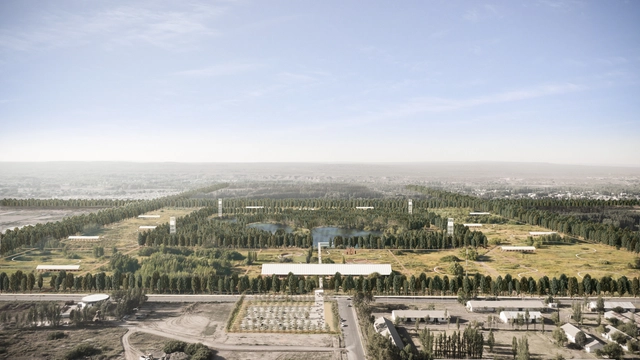
“The world is full of obsolete, abandoned airports. Vast, vacant, centrally located sites in need of adaptive reuse. Several cities have successfully taken this on—San Francisco, Berlin, Caracas. The big question is: what will Mendoza do with its own prime opportunity?”. These words by architect and urbanist Felipe Vera introduce one of the most significant urban transformations in the City of Mendoza's recent history. On March 22, the former airfield officially hosted the presentation of a new adaptive reuse project. Led by the IDB and the local government, the initiative aims to reclaim the vacant 72-hectare site to explore and develop three core visions: a more open, inclusive, and carbon-neutral city.
https://www.archdaily.com/1136186/city-of-the-future-the-project-to-transform-the-former-mendoza-airparkFabian Dejtiar + Paula Pintos
Today is the day to meet the finalists of ODA2023, the award celebrating the best architecture in the Spanish-speaking world. Our expert jury—you, the readers—has selected 15 of your favorite projects from nearly 1,000 architectural works built across Latin America and Spain.
Now in its fifteenth year, this award has become a true tradition. It is an open invitation to all our readers to recognize the projects published in 2022 that inspired them and that represent the identity of their local contexts in a globalized planet—shaping how architecture is made in Latin America and Spain within an increasingly heterogeneous and multicultural world.
In the past, people mapped out their careers in a highly linear fashion. You planned to study architecture, went to university, secured a job at a prominent firm, and, over several years, worked your way up to partner.
Yet things do not always go as planned. Perhaps you graduated with an architecture degree but could not secure the salary you envisioned. Or perhaps you join a major firm only to be laid off after a year or two due to declining profits and rising overhead. You might even become an architect, only to realize a few years later that it is not your passion. What then? This is where non-linear careers come into play.
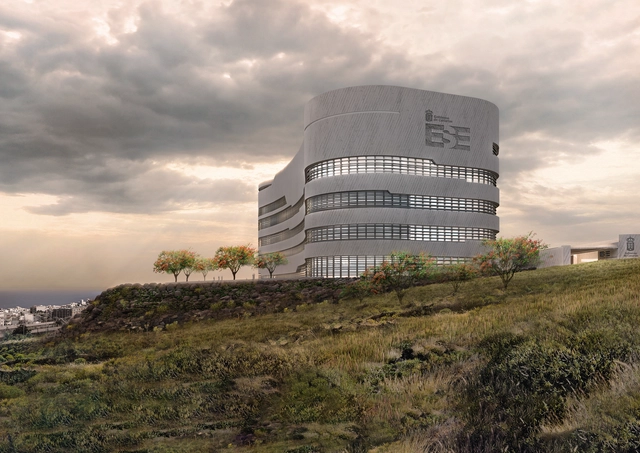
In 2021, Spanish architect Fernando Menis won the public competition to build the two Essential Services Buildings (ESE) of the Canary Islands, to be located on each of the archipelago's largest islands, Santa Cruz de Tenerife and Gran Canaria. By implementing a project focused not only on operational safety but also on hyperconnectivity, functional flexibility, worker well-being, and environmental regeneration, the Government of the Canary Islands aims to enhance public safety, risk prevention, and emergency management to address potential natural hazards, climate change, and other threats such as pandemics, cyberattacks, or terrorism.
Menis's proposal, which features two identical yet autonomous buildings, is expected to achieve greater economic sustainability through lower long-term maintenance and operating costs. Energy-efficient and adaptable to external factors, the Essential Services Buildings (ESE) will provide citizen services year-round.
We are pleased to present the finalist projects for the 2023 Obra do Ano Award. After two weeks of nominations, our readers have chosen their favorite projects from hundreds of works built across Portuguese-speaking countries. Our jury of experts, made up of our very own readers, has once again done an outstanding job of selecting these 15 finalists.
From today until April 3 at 11:59 PM (Brasília time, GMT-3), you can vote once a day for the projects you consider to be the best examples of contemporary Portuguese-speaking architecture. The winners will be announced on April 4.
https://www.archdaily.com/1136002/2023-obra-do-ano-award-meet-the-15-finalists-of-the-largest-award-in-lusophone-architectureArchDaily Team
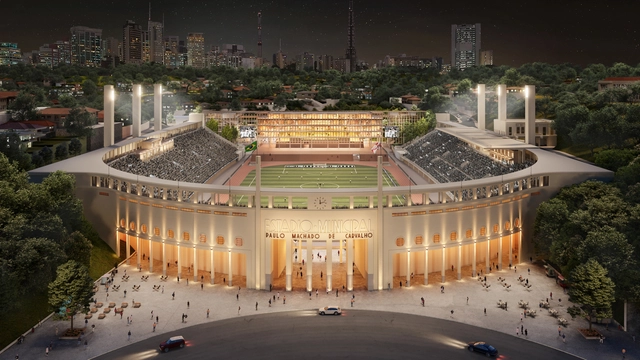
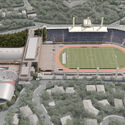
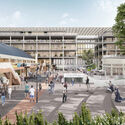
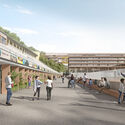
The renovation project for the Pacaembu Complex was named among the winners of the AR Future Projects awards, organized by the British magazine The Architectural Review. The announcement was made on March 14, and the official awards ceremony will take place in London in early June. Featured in the “New and Old” category, the project was among the three “highly commended” entries among this year’s winners.
A week ago, we announced the 15 finalist projects for the 2023 Building of the Year Award—a recognition of the best architecture in Spanish. Our expert jury—that is, you, our readers—selected an initial shortlist of 15 projects from nearly 1,000 works of architecture built across Latin America and Spain, before proceeding to a final vote that resulted in 3 projects representing the very best of the architecture that inspires us, defines us, and leaves its mark.
Today, the winners of the 2023 ODA are finally revealed!
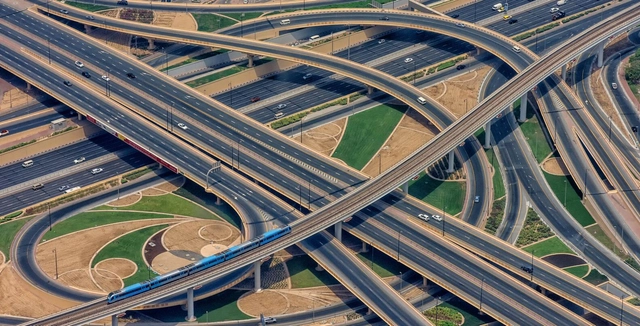
Dubai, United Arab Emirates. Photo by Truman Adrian Lobato De Faria, via Unsplash
“A city built for speed is a city built for success.” This phrase, attributed to Le Corbusier, one of the most influential urbanists of the 20th century, condenses one of the most significant social developments of that era.
Guadalupe Marín con sus hijas, Ruth, a la izquierda, y Guadalupe,1939. Foto vía Un día, una arquitecta. Image Cortesía de coolhuntermx
Writing about the participation of women as architects or in the construction industry is complex. Today, we are well aware of award-winning, highly recognized contemporary women architects; yet, looking to the past reveals a dark and solitary landscape.
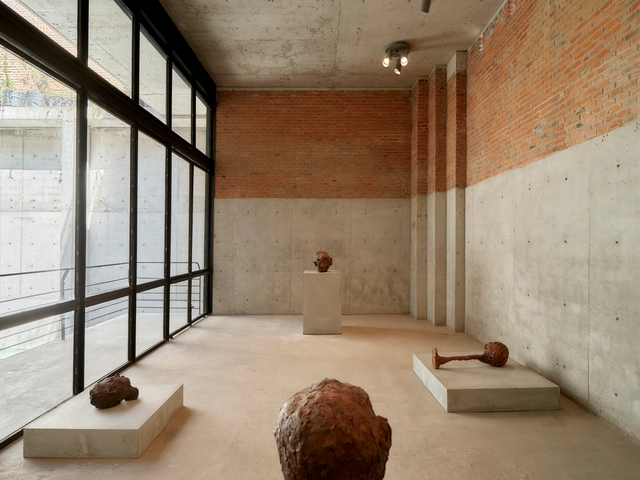
The artistic practice of Bosco Sodi has opened a new space in Mexico City that houses Sodi's new studio while serving as an extension of the Fundación Casa Wabi. This venue, named Sabino 336, was first unveiled during Art Week 2023, coinciding with Sodi's exhibition "Alabanzas" at the Galería Hilario Galguera. Curated by Dakin Hart, the exhibition showcased works from the artist's personal collection.
Organized by the College of Architects of the Province of Córdoba (CAPC) and sponsored by the Argentine Federation of Architects' Associations (FADEA), the Provincial Ideas Competition was held for Freyre Central Park, located on the former grounds of the Argentine Central Railway in the town of Freyre, Córdoba, Argentina.
From figurative panels depicting historical scenes to modernist abstract geometric compositions, ceramic tiles have been a constant presence across different styles and eras of Brazilian architecture over the centuries. Today, composition possibilities are vast, stemming not only from how the pieces are arranged—be it randomly or in structured patterns—but also from the wide range of colors and designs offered by manufacturers.
A UN survey revealed that in 2018, approximately 55% of the world's population lived in cities. This figure is projected to reach 60% by 2030. If urban centers are to become home to so many, evaluating these spaces and ensuring quality of life is essential – a challenge when considering population density and the impact of such large numbers.
Yet, urban living does not have to mean being cut off from nature, surrounded by gray and concrete. Green cities are proof of this. While life in urban centers poses a series of challenges, it also presents an opportunity to find solutions that transform these spaces, fostering significant and necessary societal change.
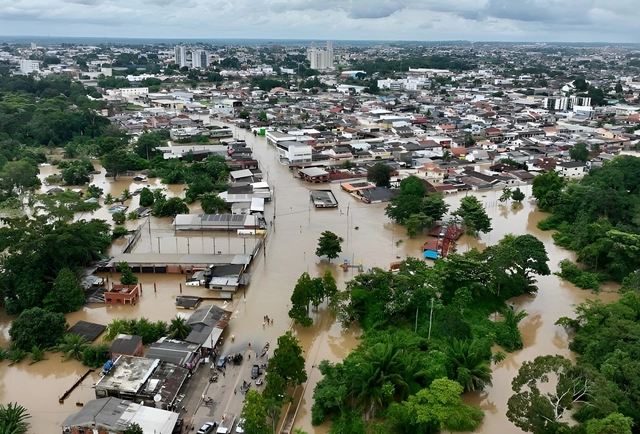
Situation in Rio Branco, capital of Acre. Photo: Pedro Devani | Secom
The past week brought chaos and despair to thousands of Brazilian families living in the country's North and Northeast regions. Heavy rains hit cities in Pará, Maranhão, Acre, and Amazonas, flooding hundreds of homes while others were completely destroyed by currents.
From fire in caves to street lighting in cities, lighting has evolved steadily alongside technological advancements—and in recent years, it has begun to change even more significantly due to a growing awareness of its impact on the environment and human health. Today, automated LEDs are commonplace in workspaces and homes, improving both energy efficiency and well-being and comfort. Meanwhile, public squares and streets are increasingly integrating sensors and software configurations to enhance safety and mobility. With the global urban population projected to reach 68% by 2050, urban lighting will undoubtedly become an even more critical factor to consider.
However, to make the most of these opportunities, we must view lighting as part of a holistic vision and work together to create better solutions. What does the future of lighting look like? We posed this question to our readers. After reviewing a vast number of comments and opinions from construction professionals, students, and architecture enthusiasts alike, it was surprising to find so much common ground and shared visions. There is a clear consensus on the importance of going a step beyond the status quo without increasing light pollution—while being more mindful of all living things. Discover the main perspectives below.
As part of a research project by the Gensler Research Institute, the first Gensler Mexico Workplace Survey was conducted in late 2022. The study aimed to highlight the fundamental role the office plays in facilitating face-to-face meetings with colleagues and clients. The findings presented below reveal key shortcomings in current office workspaces. Furthermore, they foster a better understanding of the characteristics that make workplaces efficient, functional, and engaging, offering insights to rethink user experience design. Ultimately, this presents a clear opportunity to enhance both individual and collaborative work.
Primer Premio. Image Cortesía de FARO Arquitectura
The Government of the Province of Neuquén, along with Region 1 of the Neuquén Association of Architects (CAN) and the Argentine Federation of Architects' Organizations (FADEA), launched a national competition for ideas and preliminary designs for the Neuquén Memory and Identity Park. The park will be developed on a four-lot federal plot belonging to the Argentine National Army in this region of Argentine Patagonia.
Photo by American Public Power Association on Unsplash
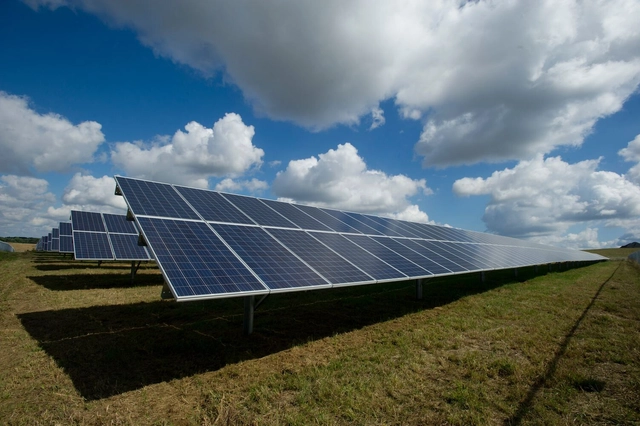
According to the Ministry of Development, Industry, Commerce, and Services (MDIC), President Luiz Inácio Lula da Silva signed Decree No. 11,456, which updates and expands the Support Program for the Technological Development of the Semiconductor Industry (PADIS). The program now includes the photovoltaic sector, focused on solar energy production.
https://www.archdaily.com/1136026/government-eliminates-federal-taxes-on-solar-panels-until-2026ArchDaily Team
Last week, we announced the 15 finalists for the 2023 Building of the Year, an award celebrating the best of Portuguese-speaking architecture by inviting our readers to select their favorite projects built in Portuguese-speaking countries. The day has come to reveal the winners of the 2023 ODA.
Marking its first hybrid (online and in-person) edition, the 3rd International Facade Forum 2023 will take place on April 26. Broadcasting from Mexico City, the event will feature 15 lectures by international speakers under the academic direction of Marshall Academia de Fachadas (Bill Marshall and Karina Tarrisse) and organized by the Sarzabal agency (Hernán Barbero Sarzabal and Maui Cittadini), alongside Daniela Ruiz de Chávez, who is managing the organization in Mexico.
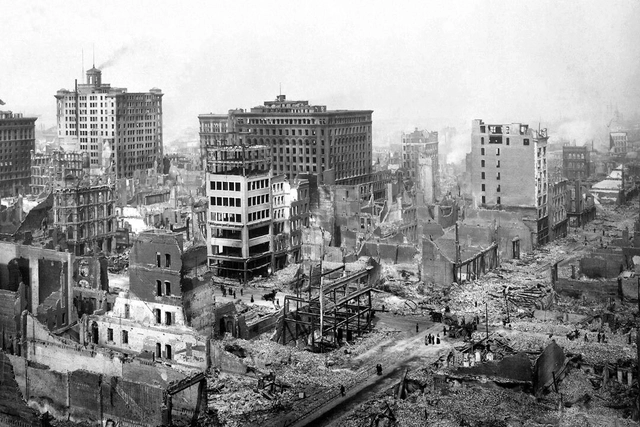
Image: National Archives and Records Administration
In 1906, a major earthquake struck San Francisco, California. The initial shock damaged buildings throughout the region. Yet the worst was still to come, as fires broke out in collapsed buildings, in some cases sparked by ruptured gas lines.
Over the next four days, a conflagration swept through more than half of the city, consuming over 4.7 square miles of the downtown area, destroying 28,188 buildings, killing more than 3,000 people according to the official count, and leaving between 227,000 and 300,000 people homeless (out of a total population of 410,000).
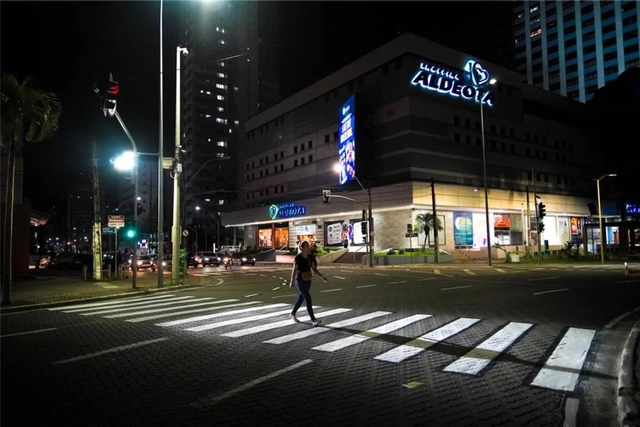
It is the first city in Latin America to implement the system. Photo: Daniel Calvet | Fortaleza City Hall
Fortaleza, the capital of Ceará, has just implemented an intelligent lighting model for crosswalks. Installed at the Praça Portugal roundabout, in the middle of the intersection of two of the city's major roads, the system could help reduce traffic accidents.
Powered by artificial intelligence, the system is capable of detecting human presence based on movement. When the dynamic lighting is activated, light beams track pedestrians from the start to the end of the crosswalk. The light improves driver visibility, especially at this specific location, where vehicles navigate a curve.
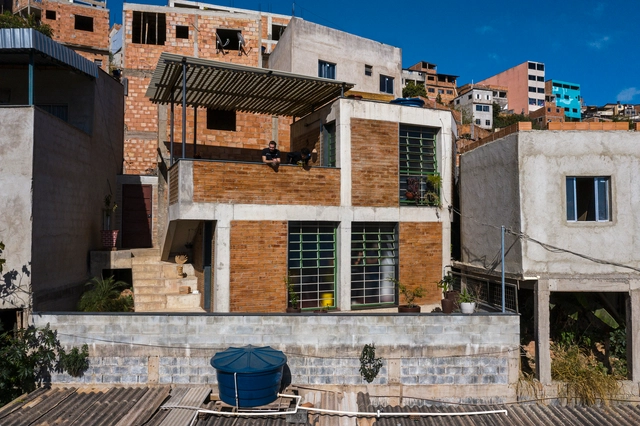
Reflecting on contemporary housing is perhaps one of the most compelling and relevant undertakings of our time. In a rapidly changing world—where technology advances at a breakneck pace, populations grow, and resources become increasingly scarce—it is vital to reconsider how we live and how we can do so better.