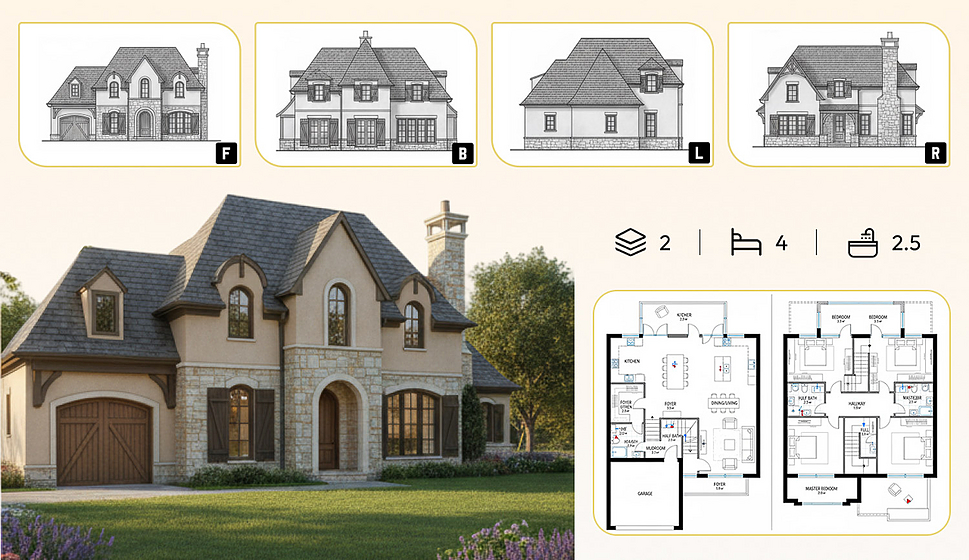
This guide covers a workflow that moves from project parameters to generated floor plans, 3D perspective views, exterior design exploration, and site context visualization, using AI tools in place of preliminary CAD and rendering work.
This guide covers a workflow that moves from project parameters to generated floor plans, 3D perspective views, exterior design exploration, and site context visualization, using AI tools in place of preliminary CAD and rendering work.
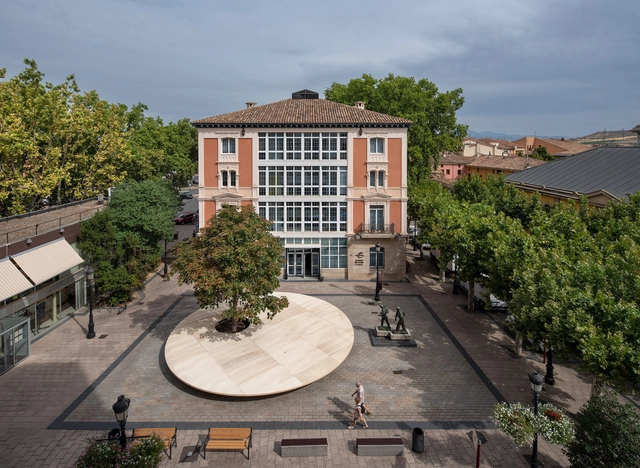
Located in northern Spain, Logroño is a crossroads of both borders and architecture. It is not only a key stop on the Camino de Santiago and a gathering place for lovers of fine food and excellent Rioja wine, but works from its long architectural history can be found seamlessly interwoven throughout the city, often going unnoticed: from the ancient ruins on Monte Cantabria to Rafael Moneo's modern City Hall—not to mention the contemporary design of the High-Speed Rail Station by Ábalos + Sentkiewicz or the upcoming Bosonit building by Kengo Kuma in the historic center.
There is no need to worry about getting lost. Over its eight editions, the team behind the Concéntrico Festival has curated an extensive series of locations: new squares, interior courtyards, and hidden public spaces that speak volumes about the role of the urban fabric when discussing architecture in Logroño.
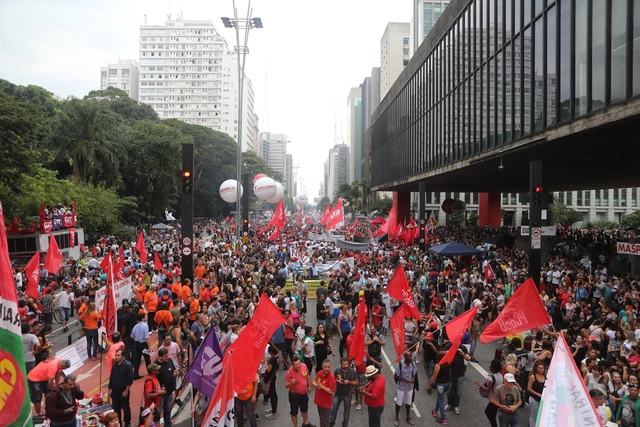
The Escola da Cidade, through the event XVI International Seminar – Cities in Debate: Contemporary Perspectives and Practices, organized by Professors Silvio Oksman and Sabrina Fontenele, welcomed architect Joice Berth for a talk on citizenship.
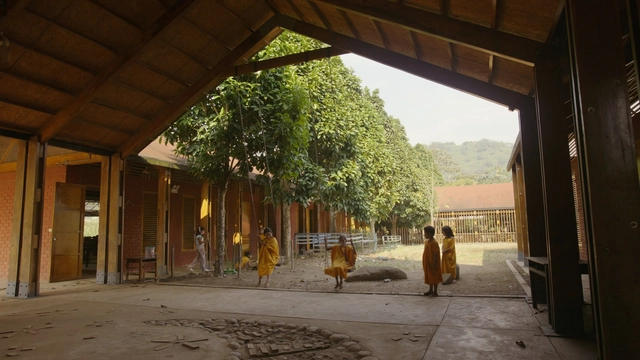
Building Visions is a new architecture series by Chilean director Diego Breit-Lira that, across four episodes, features architects Johannes Tovatt, Marta Maccaglia, Anupama Kundoo, and Florian Boer. What do they have in common? They seek answers to the major questions facing our civilization today: climate change, rapidly growing cities, education, resource consumption, local community participation, and networking.
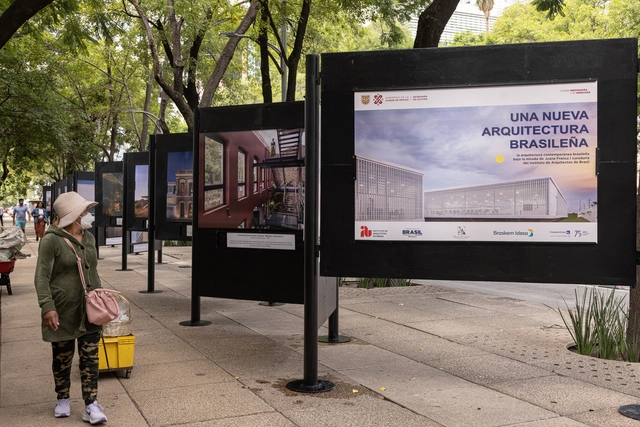
In early September, the Brazilian Embassy in Mexico launched the exhibition Una nueva arquitectura brasileña, curated by the Institute of Architects of Brazil (IAB) and featuring photography by Joana França. The exhibition is held entirely in a public space on Avenida Paseo de la Reforma, one of Mexico City's most prominent thoroughfares. Approximately one million people are expected to pass by the site during the exhibition run.

According to the National Fire Academy of Chile, a fire is defined as “fire out of control.” Once a fire starts, temperatures can reach 1000° Celsius, generating flames and smoke that endanger both human lives and buildings.
According to a report by ONEMI, the main causes of structural fires – those occurring in homes, buildings, and commercial premises – include domestic accidents, electrical failures, and gas leaks.
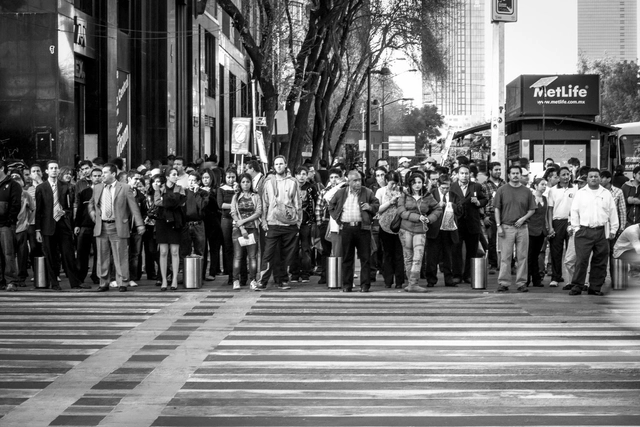
Shortly before commemorating another world day for walkers pedestrians, an article in Obras magazine reveals that 40% of the roads in the Xochimilco and Milpa Alta boroughs lack sidewalks. This is despite mobility laws mandating the construction of complete streets integrating universal design across all boroughs in Mexico City.
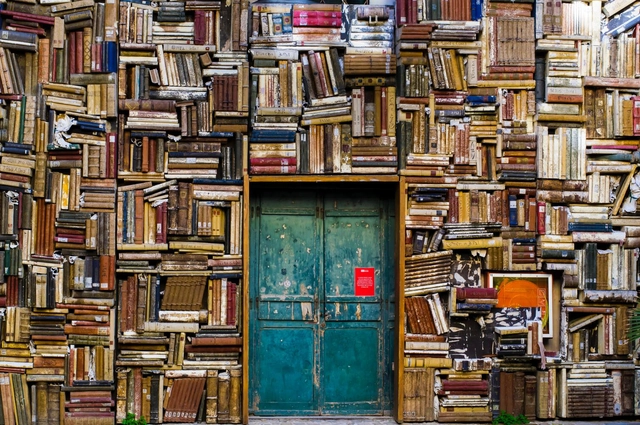
Today's world presents significant challenges for the press at large. Amid widespread debate over news consumption and journalism, architectural publishing is no exception. In a profession where images are paramount, the shift in landscape—from print to digital media—has brought numerous challenges, intensifying the competition for audiences. Social media has become a platform where people not only consume but also produce content.
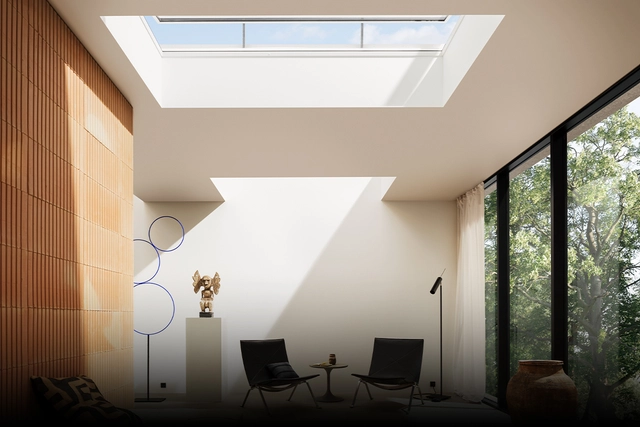
Natural light is a key design element that can improve indoor comfort in architectural projects. VELUX Academy offers courses, videos on daylighting design, and information modules featuring exclusive content on the subject. This expert-curated content challenges how architects and designers think, ensuring the best possible design outcomes for their clients.

Noise, high-rises, cars, buses, subways, and a relentless flow of people coming and going. This is how large cities are portrayed in cinema. This imagery is compounded by distant personal relationships and the promise of anonymity within the crowd, shaping a vibrant, connected routine that can also feel oppressive and isolating. Today, we find ourselves in a constant search for balance between the benefits of the megacity and the challenges imposed by its scale.
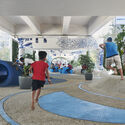

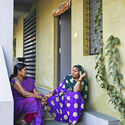
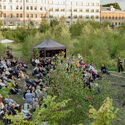

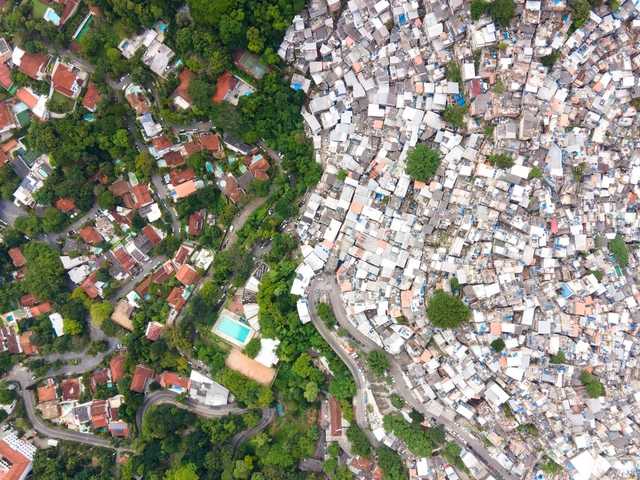
The Petition for Just Cities and Dignified Housing is now available online in support of the proposals from the manifesto Brazil Needs More Architecture and Urbanism, an open letter to the candidates in the 2022 elections launched by the Council of Architecture and Urbanism of Brazil (CAU/BR) and the member entities of the CEAU (IAB, FNA, ABEA, AsBEA, ABAP, and FeNEA).
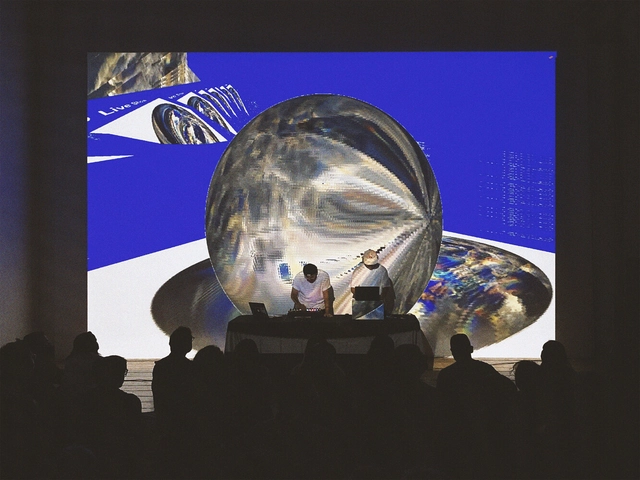
On August 31, the Laboratorio Arte Alameda in Mexico City hosted "30/30," an audiovisual performance divided into two 30-minute segments. Blending sounds ranging from drone, noise, and techno to dream pop with live digital image processing, the performance explores the concept of memory, conceptualized as an architectural-digital space in constant motion and transformation.
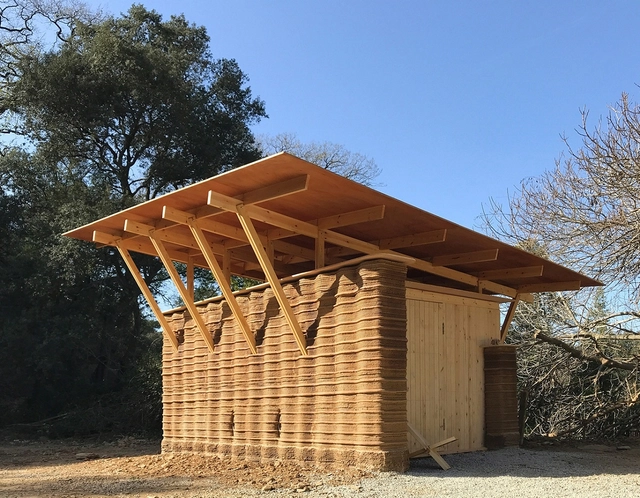
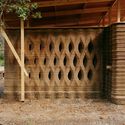
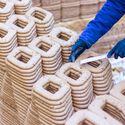
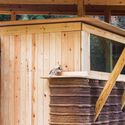
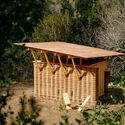
Combining new and old construction techniques, researchers from the Institute for Advanced Architecture of Catalonia (IAAC) have built a small earthen structure using 3D printing. It is the first project of its kind in Spain.
“This prototype represents a bridge between the past – vernacular earth architecture – and the future – large-scale 3D printing technology – which will not only help reshape the architecture of the future, but will also be highly useful in addressing the current climate and housing crisis worldwide,” states the Institute.
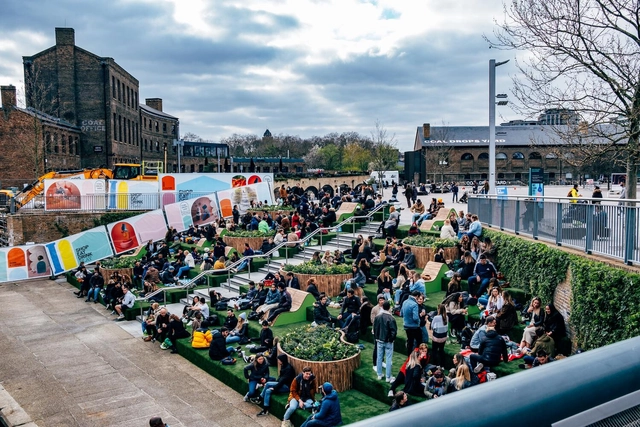
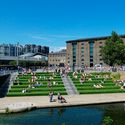
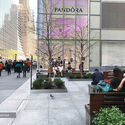
Privately owned public spaces, commonly known as POPS, originated in New York City in 1961 as a public policy incentive to create open, public-use areas on private property, with maintenance provided by the owners.

Doris Mary Clark Núñez is considered the first female Peruvian architect. With a life marked by difficulties, scrutiny, and restrictions solely due to being a woman in a professional world that had traditionally been male, Clark Núñez stands as a model of activism and resistance, as well as a pursuit of subversion and paradigm shifts in traditional debates and structures. Her life was dedicated—through teaching, political action, and academia—to laying the foundation for expanding the field of influence for women in architecture.


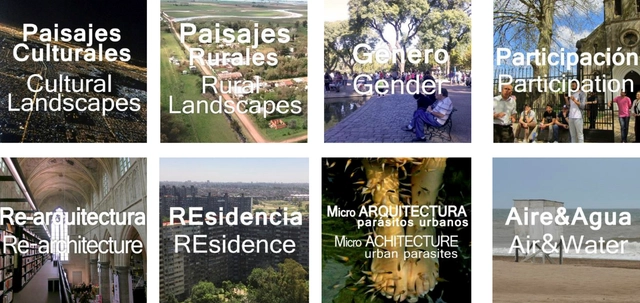
Founded in 2018 and based in Argentina, LINA Plataforma (Laboratory > Intervention + Architecture) presents itself as a global research and experimentation platform linked to cultural heritage, aiming to reflect on the relationship between heritage, sustainability, and design education.
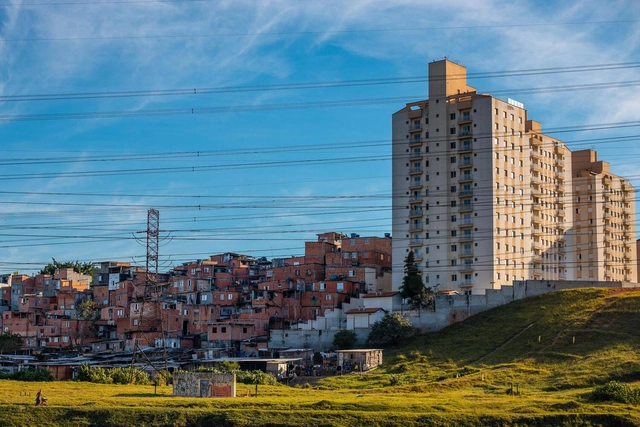
We know that Brazilian cities are exclusionary. They fail to prioritize public transit, which disproportionately harms the poorest residents. They segregate wealthier neighborhoods, driving the working class to live on the urban peripheries. And even there, a large part of the population can only afford housing in the informal market.
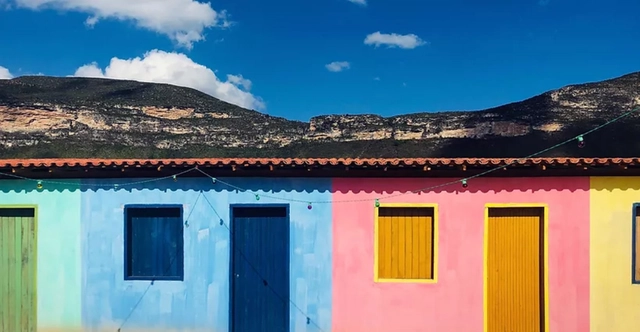
Reclaiming ancestral techniques and materials to forge new spaces of coexistence. This is the guiding principle born from a desire to "create openings for freedom, joy, love, and empowering affects, which propose to rethink ways of inhabiting in harmony with the Earth and ancestry." It is a concept materialized—and still under construction—at Terra Afefé: a micro-city in Ibicoara, in Bahia's Chapada Diamantina region, created by artist Rose Afefé.
"Domingos Libro" is hosted by Carmelo from Enorme Studio, delving into forgotten architectural publications, books, and architecture magazines from the 1960s, 70s, and 80s that hide the most fascinating stories behind them.
After a hiatus in 2022, the series returned with episode 19, titled “Always Young,” which tells the story of Ettore Sottsass Jr. Now, it presents "No One Is a Prophet in Their Own Land," a tribute to the recently deceased master of architecture Ricardo Bofill.

Architectural lighting design is a broad subject, as it encompasses discussions on the physical and perceptual aspects of light, its applications in lighting projects, luminous effects, and the variables of comfort and performance. Furthermore, it is within the lighting design itself that the integration of natural and artificial lighting systems takes place. Arquicast invited two professionals from the field—one from the manufacturing industry and the other from design services—to outline the current state of this specialty in Brazil.
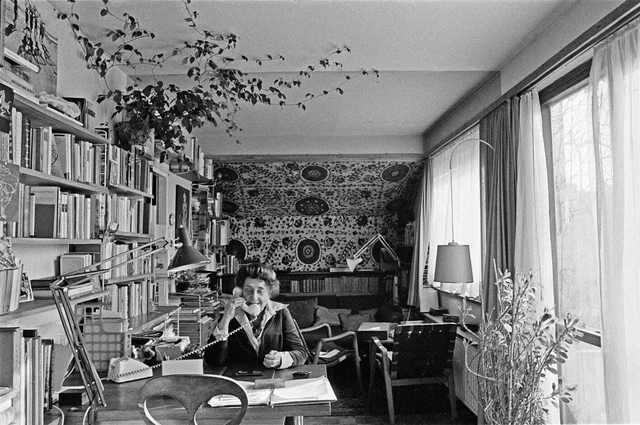
So often overshadowed by romantic and professional partnerships with men, women architects have been, and still are, constantly tested and subjected to symbolic violence, disguised as jokes or "simple" banter. The conversation in episode 51 of the Betoneira Podcast, with professor and researcher Silvana Rubino, raised an ever-urgent debate: what is the place of women in architecture?
"Architecture and urbanism have the opportunity to offer solutions that involve looking beyond the discipline itself, so that the margins and boundaries of necessity lead us to seek actions outside of standard practice. Positioning ourselves on the margins allows us to see new alternatives, expand the practice, and have a perspective that is not central, but peripheral," say Anna Vergés and Guillem Augé (UNDO), curators of the XII Ibero-American Biennial of Architecture and Urbanism, whose central theme is "Habitar al margen" (Living on the Margins).
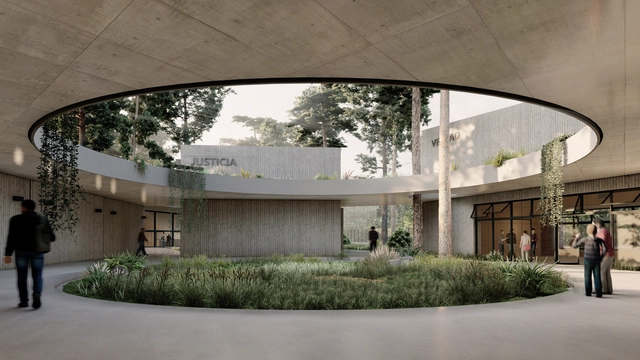
With the aim of bringing visibility to the state terror committed during the Argentine civic-military dictatorship that began in 1976, the Secretariat of Human Rights of the National Ministry of Justice and Human Rights commissioned the Institute of Architecture and Urbanism of the National University of San Martín (IA-UNSAM) to develop an architectural proposal for a new memory space on the grounds of Campo de Mayo, in the province of Buenos Aires.
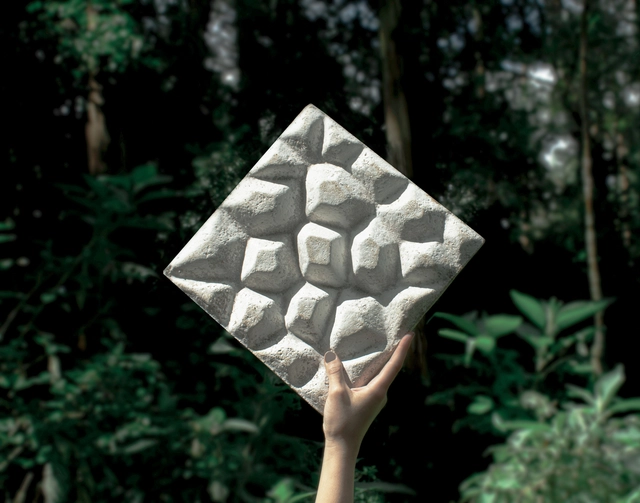
From fungi to architecture: this is how the team at Mushbio introduces their decorative cladding panel inspired by the Andes. Manufactured using parametric design, the panel is made from mushroom mycelium. Beyond contributing to cultural identity by mirroring the topography of the Ecuadorian and Latin American landscape, it offers thermo-acoustic properties, lightness, and a unique aesthetic, bringing nature into interior spaces.
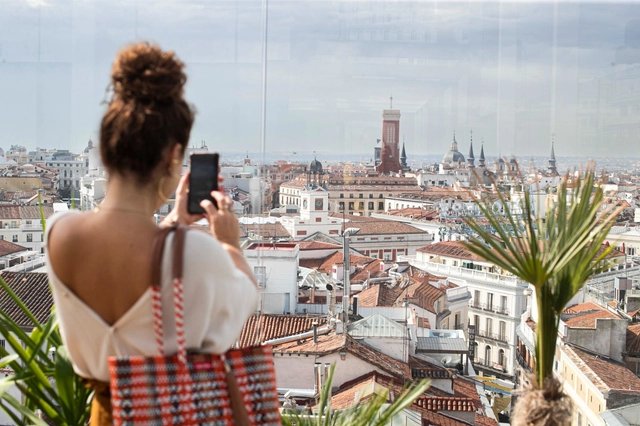
The eighth edition of the Open House Madrid festival returns with a program that includes 93 buildings, 33 studios, 8 routes, 7 activities, and 10 itineraries. Titled "More Open Than Ever," it aims to reflect the welcoming character of the city and, at the same time, its openness to the world.