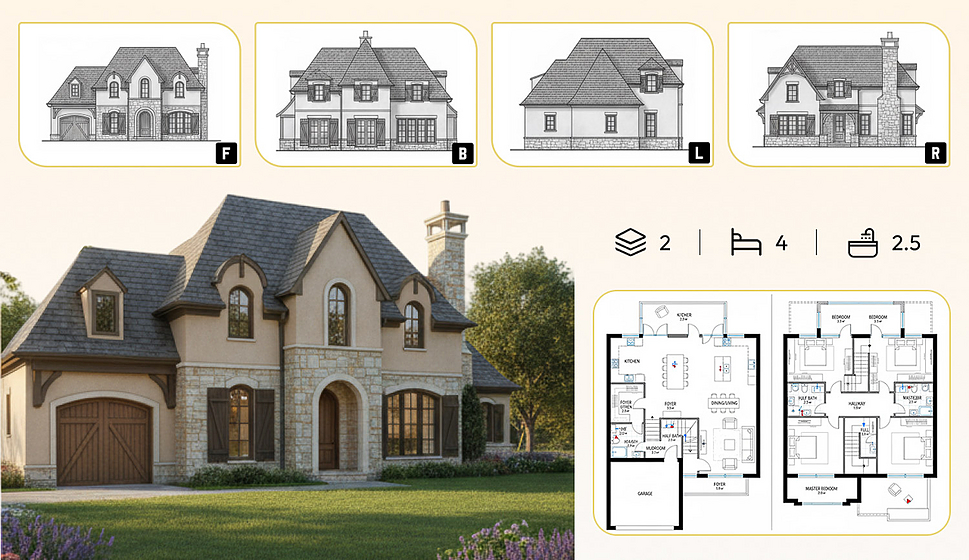
This guide covers a workflow that moves from project parameters to generated floor plans, 3D perspective views, exterior design exploration, and site context visualization, using AI tools in place of preliminary CAD and rendering work.
This guide covers a workflow that moves from project parameters to generated floor plans, 3D perspective views, exterior design exploration, and site context visualization, using AI tools in place of preliminary CAD and rendering work.
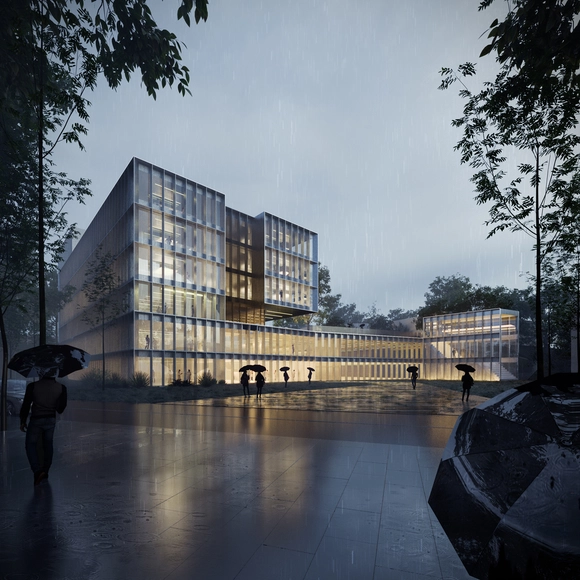
The architecture firm Vaillo + Irigaray Architects has won the competition to design the new building for the Donostia International Physics Center Foundation in San Sebastián, Spain. The proposal aims to expand existing activities by creating an emblematic, iconic, and recognizable building to enhance the DIPC's image as a leading research center at the forefront of physics.
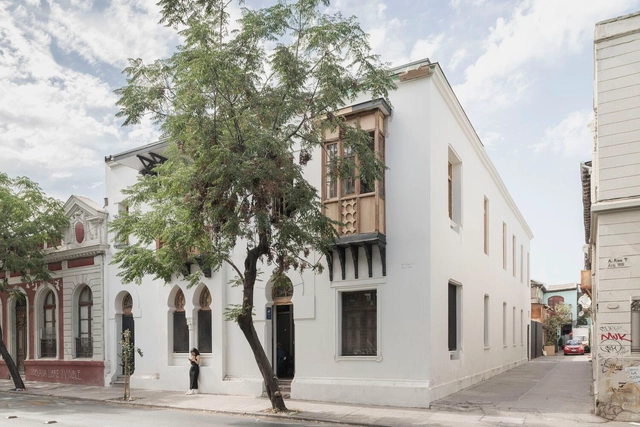
From January 14 to 22, 2023, the XXII Chile Architecture and Urbanism Biennial will finally take place in the area surrounding Palacio de La Moneda, Santiago. The theme of this edition, "Vulnerable Habitats," seeks to address the country's urgent challenges surrounding the housing deficit and access to housing, along with the vulnerability of cities and territories reflected in their public spaces, heritage, and environmental issues.
The Architects Association of Chile along with the Ministry of Cultures, Arts, and Heritage, organizers of this event—which held its previous edition in 2019—have recently announced the results of their open calls: 50 works and projects will be part of the National Architecture Exhibition, and 36 initiatives will join the Meetings and Debates Program. See the complete list below.
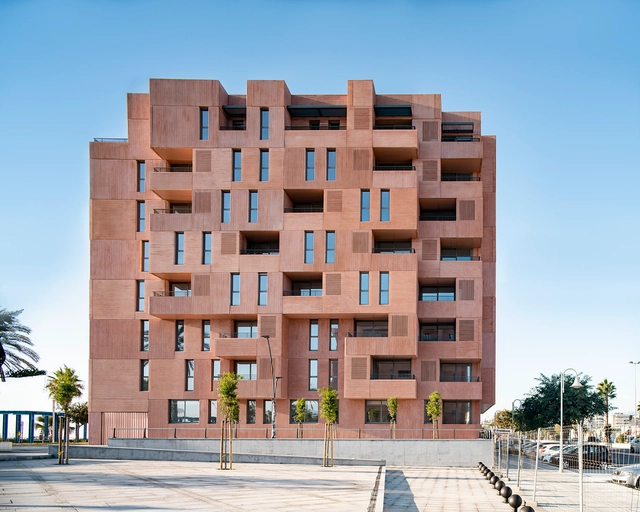
Known as building envelope surfaces that define and condition spaces, enclosures play a key role in architecture. In response to the need to ventilate, heat, and provide maximum comfort inside the home, enclosure systems have evolved in both composition and functionality. Along with closing and opening spaces, their primary function today is to act as a barrier between the interior and exterior, responding to climatic variations and providing thermal comfort to building occupants.
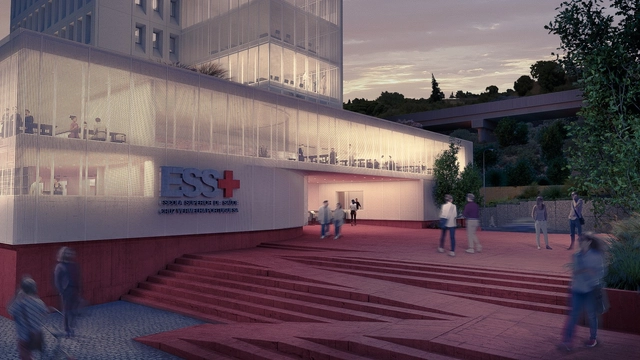
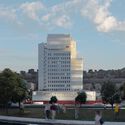
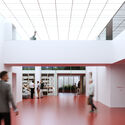
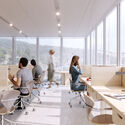
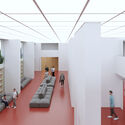
The firm Apparatus Architects, led by Brazilian architect Gabriella Gama and Portuguese architect Filipe Lourenço, was invited by the Portuguese Red Cross Health School (ESSCVP) to develop a rehabilitation and expansion project for the new school in the Alcântara Valley, Lisbon. Initially, the project consisted of creating a space for a vocational clinic, but it expanded in scope when the architects proposed renovating the entire tower.
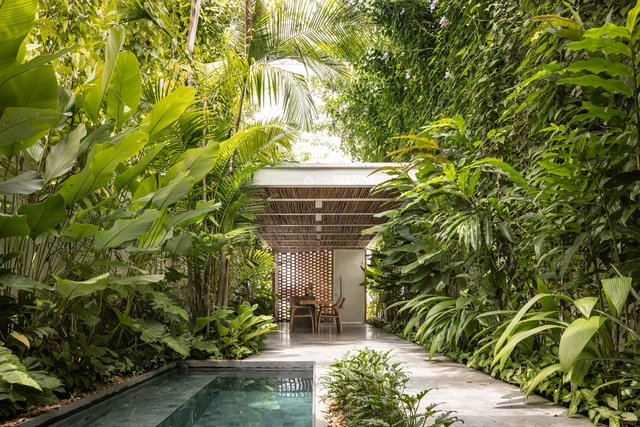
Creating a landscape that dialogues with architecture through natural elements that shape the space. Bringing together different textures, materials, and species. Harmonizing the rhythm of nature with that of construction. Many phrases could attempt to summarize landscape design, which, guided by its drawings, references, and concepts, is fundamental not only for enhancing the beauty of a place, but also its comfort and quality.
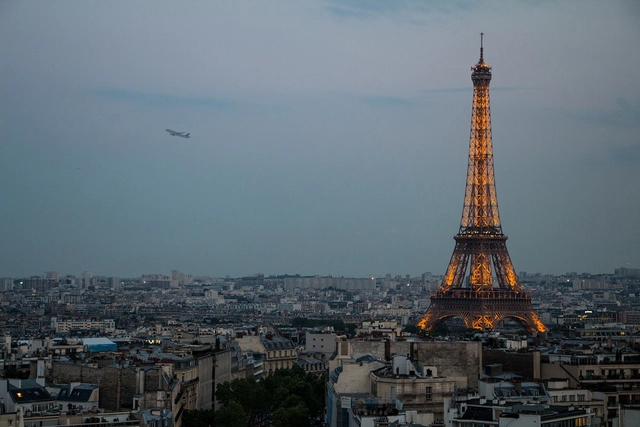
In April 2021, French lawmakers voted to ban short-haul domestic flights on routes that can be traveled by train in under two and a half hours. The measure aims to help reduce the country's carbon emissions.
Reducing emissions is one of the commitments made under the Paris Agreement to curb global climate change. Among the various measures countries must implement, the aviation sector stands out: air travel is estimated to account for 2.5% to 3% of global CO2 emissions.

Iris Barrel is a designer born in Queens, the only child of a Russian mother and an American father who owned a mirror company. She studied art at the University of Wisconsin and began her career at WWD, a benchmark publication in the fashion industry.
In 1948, alongside her husband, Carl Apfel, she founded a successful textile brand that was even featured in the White House decor during the administrations of nine US presidents. Although they sold the company in 1992, the couple continued working for the brand for another 13 years—until 2005. Iris Apfel was fully retired from the interior design industry when, at 84, she was invited by Harold Koda—curator of the Met’s Costume Institute—to exhibit her collection of clothing and accessories.
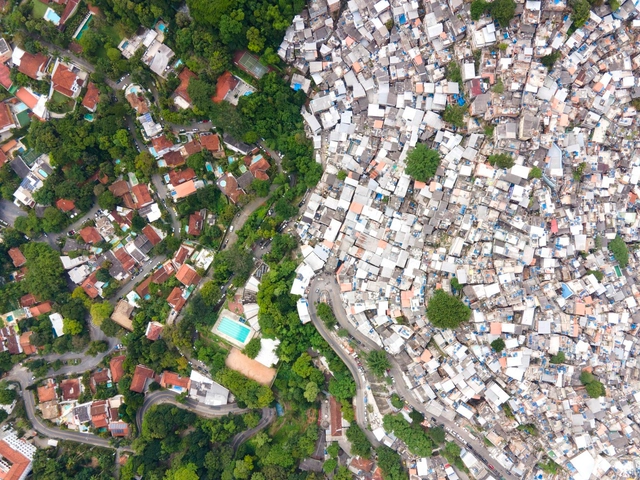
On October 10, 2023, more than 200,000 Brazilian architects and urban planners will choose their representatives for CAU Brasil and CAU/UF for the 2024–2026 term.
Activities related to the 2023 CAU Elections begin on January 1, starting with a campaign to update professional registration data, ensuring everyone can vote and run for office. The deadline to complete the update is May 31.
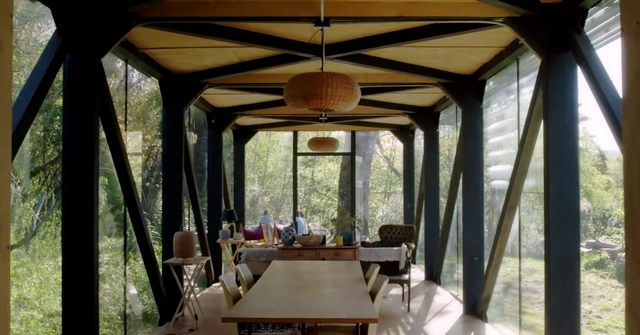
'Los Ríos Territorio Arquitectura' is a program that seeks to highlight the value of architecture in Chile's XIV Region, while bringing visibility to the work of the territory's architects through three short films featuring interviews with 15 professionals across 22 different locations.
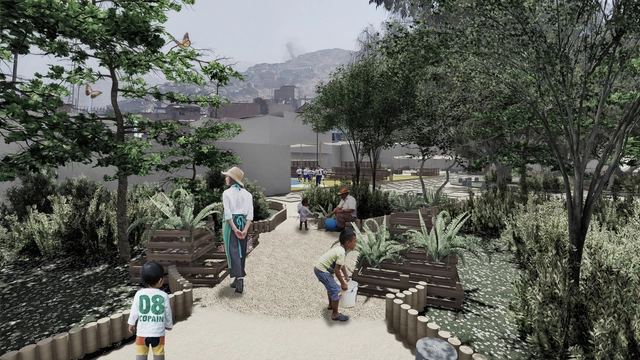
The "Public Spaces in the City of Hope" competition in José Carlos Mariátegui - San Juan de Lurigancho has announced its winners. Promoted by the CENCA Urban Development Institute in partnership with Ocupa tu Calle, the initiative is part of the project "Promoting sustainable, fair, and participatory social and environmental transformation processes on the hillsides of San Juan de Lurigancho, Lima, Peru," led by CENCA and supported by the German Ministry and the "City of Hope" institutional strategic proposal.
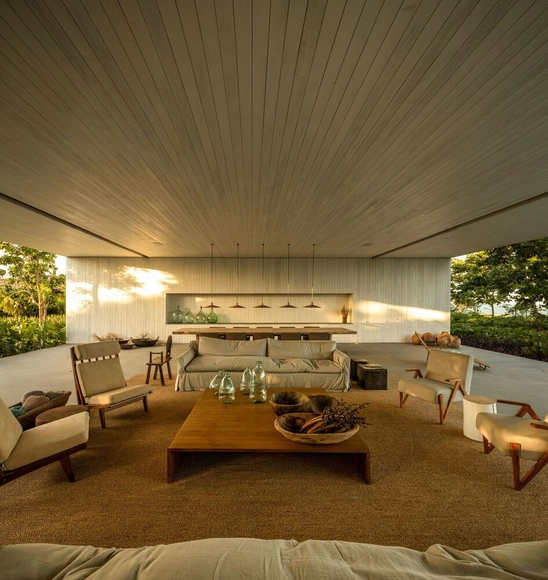
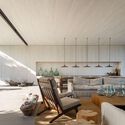
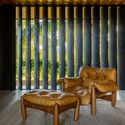
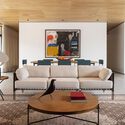
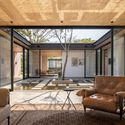
Furniture is essential to enhancing the quality of residential interiors. The choice of colors, textures, and materials applied to each design is crucial to a successful spatial composition. Whether through a curated selection of furniture or a standalone piece that takes center stage, each item helps shape the spaces and the circulation flow of a project.
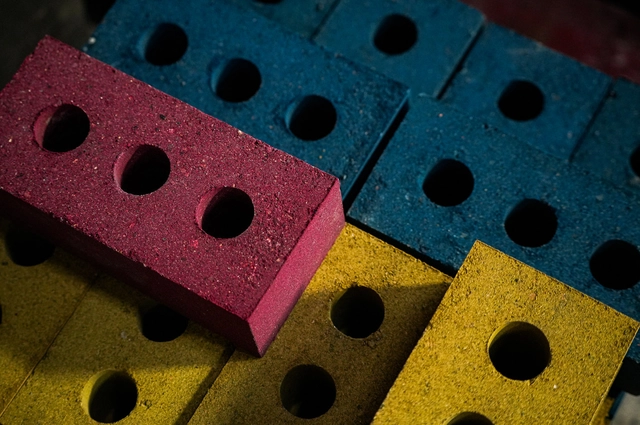
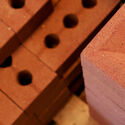
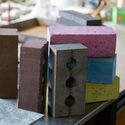
Scottish startup Kenoteq has launched the K-Briq – a more sustainable building brick that is unfired and made of 90% construction waste. Developed by engineering professor Gabriela Medero at Heriot-Watt University in Edinburgh, the K-Briq generates less than a tenth of the carbon emissions during manufacturing compared to a standard brick.
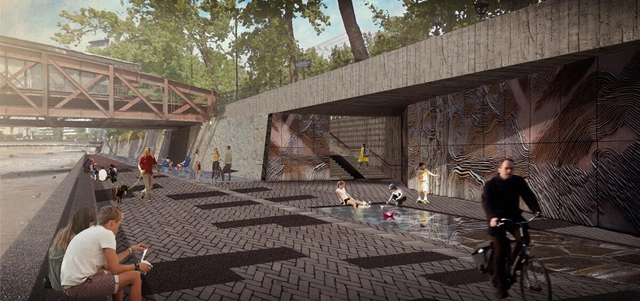
On December 29, 2022, the regional governor of the Metropolitan Region, Claudio Orrego, announced an investment of 7.7 billion Chilean pesos (9.4 million USD) for the construction of the Mapocho Pedaleable y Caminable Urban Promenade. The announcement is part of a public space recovery initiative and the master bike path plan promoted by the Chilean capital's regional government.
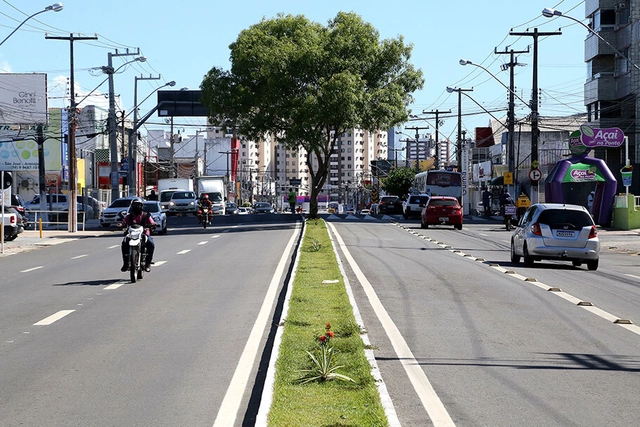
I am a software engineer (commonly called a programmer). Creating software involves many different roles. Different companies have different roles and different names for them, but it typically involves software engineers, product managers, and UX (user experience) designers.
Each role has its own strengths and its own responsibilities. Product managers identify user needs and dictate what we should build. UX designers determine the look and feel of the product — the layout, different screens, copy, images, branding, etc. Software engineers handle the actual implementation: they solve the technical problems required to build the product.
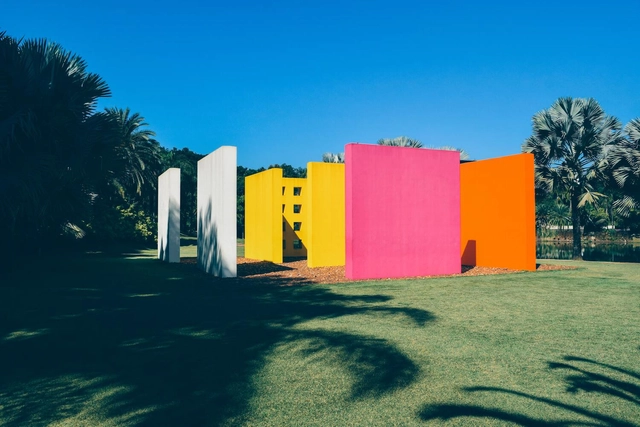
Starting in February, Instituto Inhotim will offer free admission on the last Sunday of every month. This promotional initiative is sponsored by B3 (the Brazilian Stock Exchange) and will run through 2024.
The first free-admission Sunday will be February 26. Currently, free admission is offered on the last Friday of every month, except holidays.
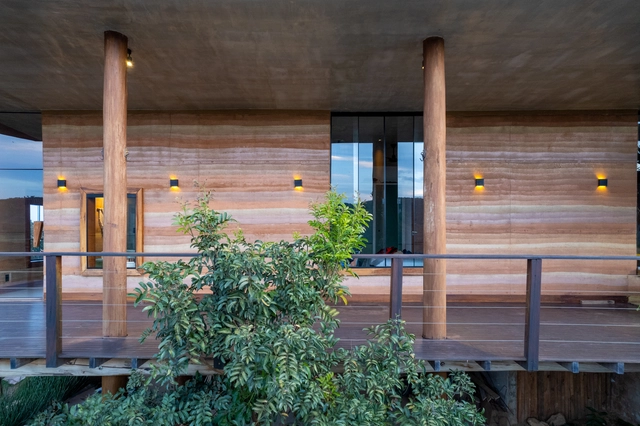
The architecture, engineering, construction, and operations (AECO) sector plays a highly significant role in global energy consumption and CO2 emissions, accounting for approximately 40% of the total. In Brazil, buildings (residential, commercial, and public) consume roughly 50% of all supplied electricity, while the cement, metal, and ceramic industries account for about 10% of the country's final energy consumption. Compounding this, the country faces a severe housing deficit of over 6 million homes, alongside a well-documented infrastructure deficit that must be addressed in the coming years.
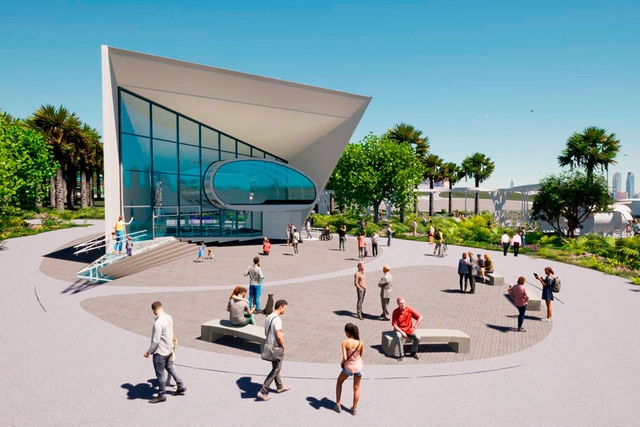
For architects and urban planners, perhaps the most difficult part of the city development process is dealing with the political strategies used in issues that, to us, should be purely a matter of urban planning. In the past, we imagined that cities were created and transformed solely through the architect's design, even though we knew that multiple forces have always been at play. In the case of Inhoaíba, located in the West Zone of Rio de Janeiro, the forces beyond architects and urban planners are, unfortunately, far more present than we would like, which has prompted me to write this piece.
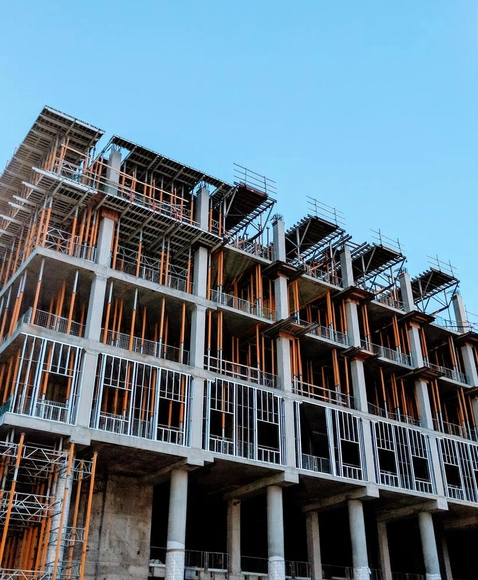
Structural design is predicated on ensuring the stability of a proposed building based on the chosen materials and construction techniques. To do so, calculations must account for different types of loads, such as the self-weight of the materials, the building's use, and its occupancy patterns, which are classified as either variable or permanent.
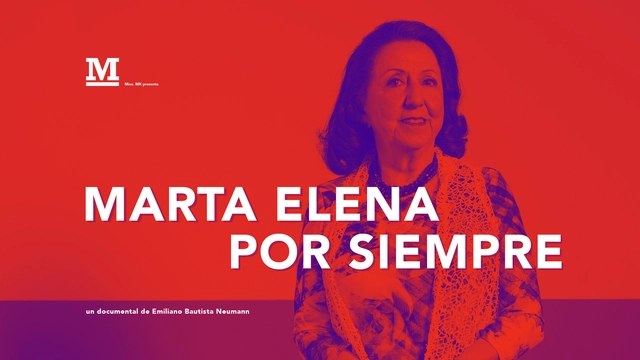
Marta Elena Campos Newman is one of the first female architects to graduate from the school of architecture at the Universidad Iberoamericana in Mexico City. From early in her career, she specialized in interior architecture, building a professional legacy that continues to bear fruit today. Furthermore, throughout her career she has collaborated with Mexico's most prominent architecture firms of the second half of the 20th century, while her work as a professor at UNAM's Faculty of Architecture has allowed her to shape entire generations of architecture professionals.
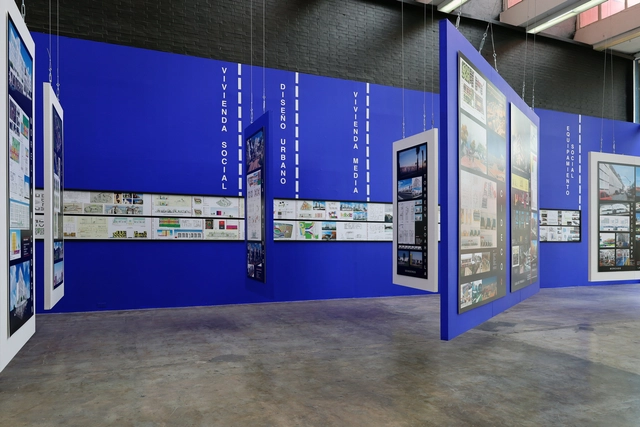
On Wednesday, January 18, 2023, at 7:00 PM, the exhibition "Sara Topelson: Architecture and Life in Diversity" opened at the María Luisa Dehesa Gómez Farías Gallery of the Faculty of Architecture of the National Autonomous University of Mexico (UNAM). The event marked the culmination of the 2022 Federico E. Mariscal Extraordinary Chair, which celebrates the outstanding career of architect Sara Topelson.
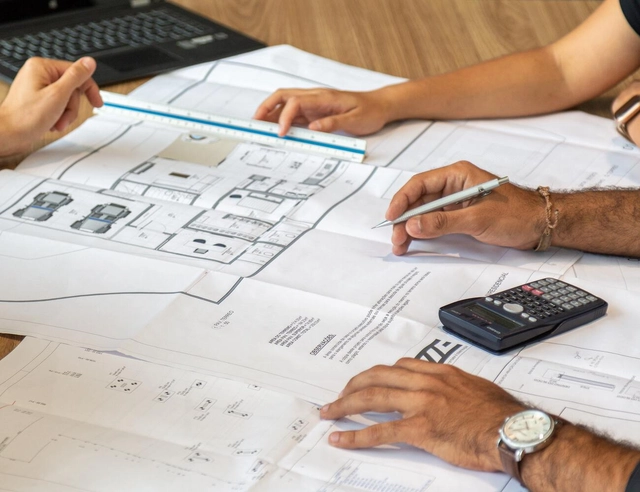
Within the scope of construction, a budget is a technical planning tool that forecasts project expenses, combining materials, labor, monthly overhead, and indirect costs. Nevertheless, many risk starting a build without a detailed budget, often falling into the traps of an unplanned project—which is invariably more expensive and time-consuming than anticipated.
In civil construction, a budget is a document that outlines all the services to be executed during the project, totaling the necessary materials and required labor. In addition, the budget can factor in fixed monthly operational costs, such as utilities, or include an extra percentage for contingencies.
Registration for the 5th Tomie Ohtake Design Award, aimed at university students and recently graduated professionals from all fields, has been extended until February 16. The initiative has established itself as the leading Brazilian design mapping award, welcoming multiple languages due to its transdisciplinary nature and avoiding rigid categories, as it encompasses projects of diverse natures.
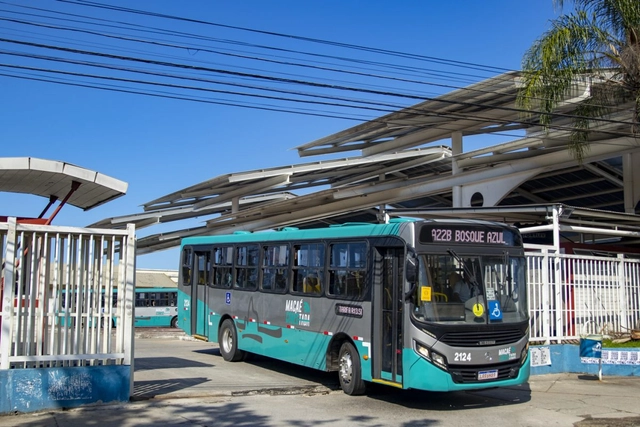
Macaé, a municipality in the state of Rio de Janeiro with over 266,000 residents, has just extended free public transit to people experiencing homelessness. While free access was already guaranteed for people over 60 and individuals with disabilities, it now also benefits the city's vulnerable population.
Unanimously approved during a session of the Macaé City Council, the measure was introduced by council member Iza Vicente (Rede) following a request from the Rio de Janeiro Public Defender's Office. This is the first law in the state of Rio de Janeiro to guarantee free public transit for this demographic.

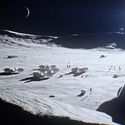
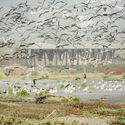
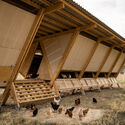
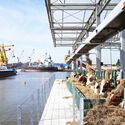
The built environment has historically served humans as a mechanism of environmental control. Through our intellectual capacities and ability to organize, we have used buildings to actively influence and terraform the immediate context in which they are inserted, often treating geography, water, and ecosystems as resources to be extracted and managed. However, more and more, architecture is transitioning from exploiting physical and biological matter to actively collaborating with it. This shift demands that architects explore how buildings and their materials grow, transform, decay, and persist beyond human timelines. This thinking also serves as a starting point for the profession to reflect on how it influences the natural world, as well as the non-human species around it, creating networks and connections between humans, buildings, living organisms, and natural environments.