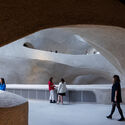
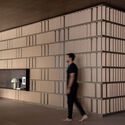
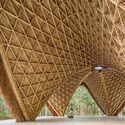
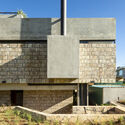
This guide covers a workflow that moves from project parameters to generated floor plans, 3D perspective views, exterior design exploration, and site context visualization, using AI tools in place of preliminary CAD and rendering work.
This guide covers a workflow that moves from project parameters to generated floor plans, 3D perspective views, exterior design exploration, and site context visualization, using AI tools in place of preliminary CAD and rendering work.
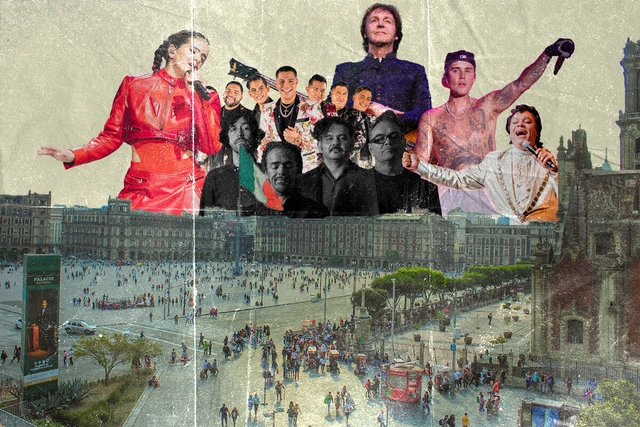
Being present has become the new currency, another way to accumulate symbolic capital, and a new way to validate status. It began with a sudden and rapid surge in museum attendance, alongside the visible crowding of specific areas of Mexico City. This points to an issue currently affecting us: gentrification and forced displacement.
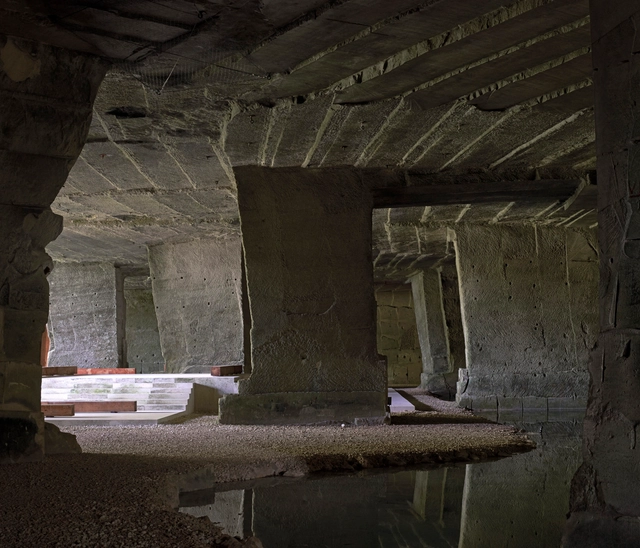
Can we construct buildings using less water? Throughout June, ArchDaily opened the debate on water resources in architecture, inviting our readers to join the discussion.
Global water use data is discouraging, and the construction process accounts for a significant portion of this consumption. It was time to think about how to reduce this impact. The need to design buildings that do not require water offered a unique opportunity to explore innovative and sustainable alternatives to minimize or even completely eliminate water use in construction.
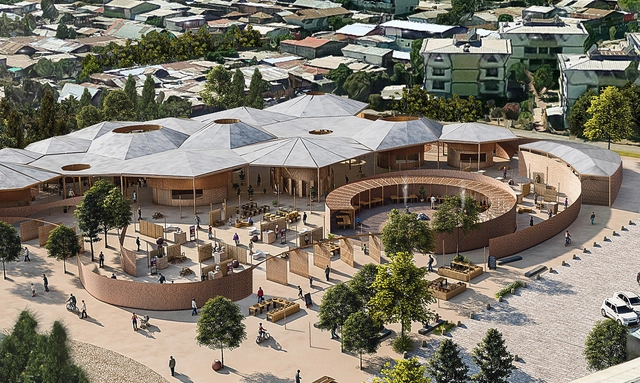
As part of the XXVI Arquisur Congress “Turns of Architecture,” held from October 11 to 13 at the Faculty of Architecture, Design and Urbanism of the University of the Republic of Uruguay, the winners of the 2023 edition of the Arq. José Miguel Aroztegui Award for Architecture Students, the Arquisur Research Award, and the Arquisur Outreach Award were announced.
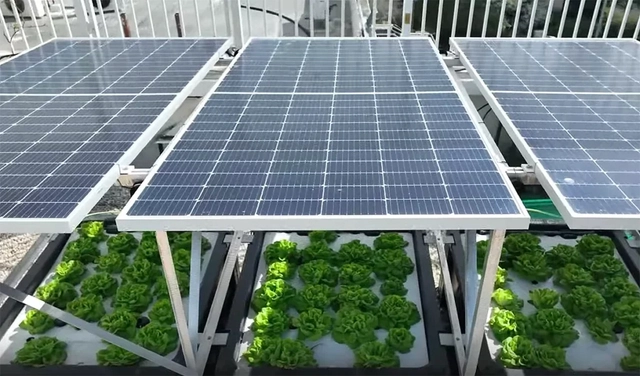
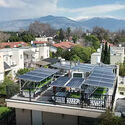
Bringing greenery and, in many cases, vegetable cultivation into urban areas yields countless benefits for city dwellers. Green roofs offer a solution for transforming underutilized areas into true natural oases, helping to mitigate urban heat islands, absorb rainwater, improve air quality, control noise levels, and attract biodiversity.




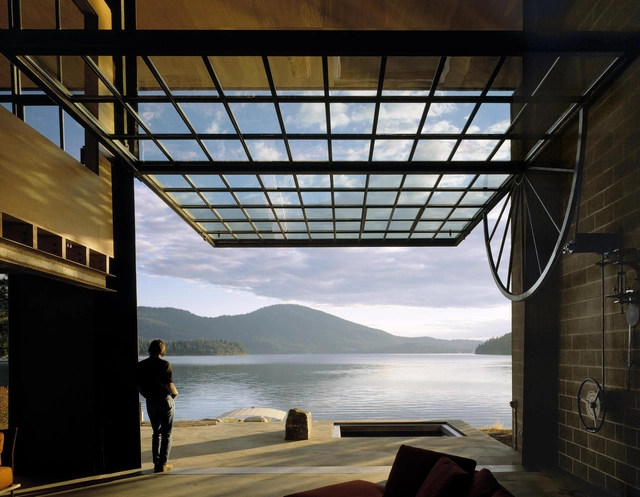
Seattle-based Olson Kundig is a prime example of how a firm's design approach is shaped by geography and culture. Founded by Jim Olson (Jim Olson) in 1966, the firm now comprises hundreds of employees and four other partners, including Tom Kundig. The practice boasts a wide and diverse portfolio. In lectures and interviews, Kundig frequently discusses how his upbringing in a region with a rich history of mining and logging influenced his industrial and rational aesthetic, his use of durable, low-maintenance materials, and his keen focus on craftsmanship. At the same time, an imaginative approach that emphasizes kinetic elements and blurs the boundaries between indoors and outdoors is a hallmark of many of the firm's designs. This is often achieved through the integration of manual, hand-operated devices that allow users to physically activate the building, connecting them to the environment, the architecture, and its kinetic mechanisms.
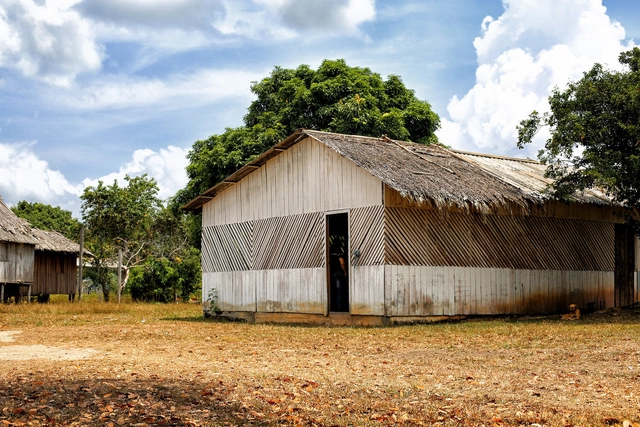
Applications are now open for the Heritage Education Projects call launched by the National Institute of Historic and Artistic Heritage (Iphan). The initiative will provide R$ 2 million to establish partnerships between Iphan, civil society organizations, and public entities at all levels of government, which can submit proposals ranging from R$ 200,000 to R$ 250,000. Applications are open until September 25.
One of the greatest difficulties when studying is understanding how to apply the concepts presented to us. In structural engineering education, it is common to use symbols and abstractions to understand the forces involved in a structure and how they work. Another major challenge is translating this abstract information into something tangible: the actual building elements.
Engineer Matheus Borges has been creating illustrations on his Instagram to help decode this information. Below, we look at what these support types are and how they behave.
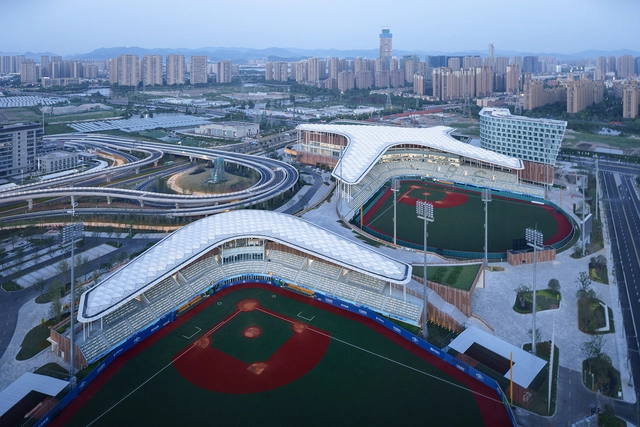
At the recently concluded Asian Games, the Architectural Design and Research Institute of Zhejiang University (UAD) participated in the design of numerous competition venues. Among them, the Hangzhou Asian Games Baseball and Softball Sports Cultural Center is the largest newly built venue for this edition of the Games, as well as the largest, most advanced, and highest-standard baseball and softball sports center in China to date. For this edition of Spotlight, we interviewed UAD's Qian Xidong to discuss his design philosophy shaped by years of professional practice.
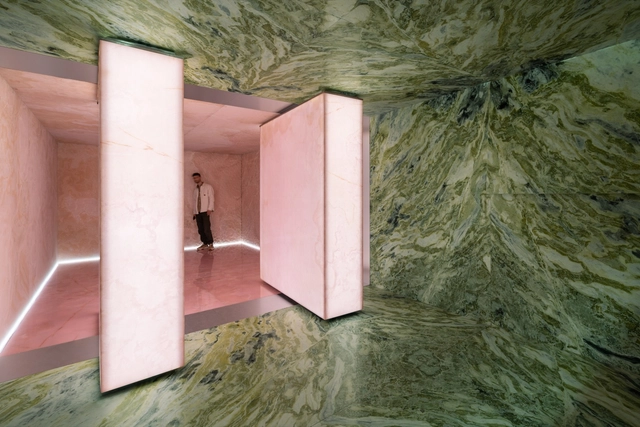
Throughout its existence, architecture has continuously reinvented itself, driven not only by the emergence of new techniques and trends, but also by a deeper understanding of the human being. In recent times, the field of neuroarchitecture has yielded valuable research into how built environments influence our brains and, consequently, our behavior and well-being. This interdisciplinary approach suggests that interior design—specifically materiality and surface design—can play a crucial role in modulating individuals' neural and behavioral responses.
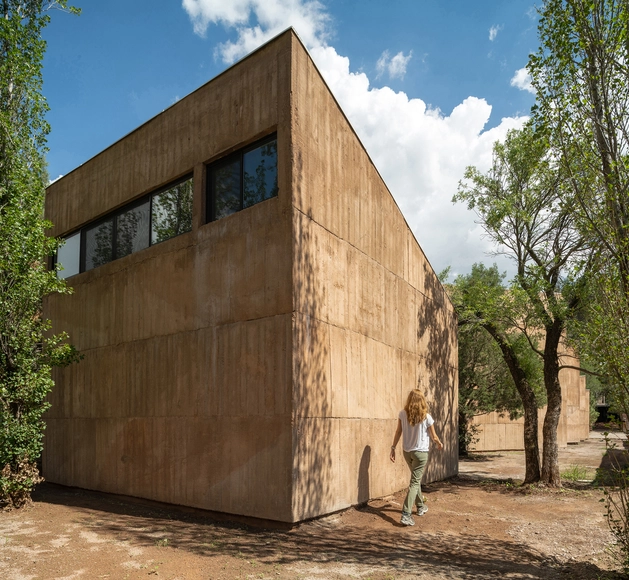
Highly beneficial in climates with wide diurnal temperature ranges, where there is a significant difference between day and night temperatures, thermal mass is a key concept to consider when designing for optimal thermal comfort. As a passive strategy for temperature control, it eliminates the need for additional energy consumption, making the building more sustainable.
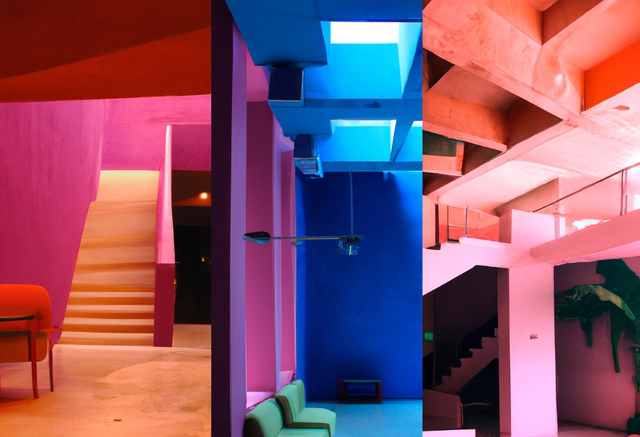
Identity is a complex, constantly evolving concept—a social construct built from historical elements, cultural factors, circumstances, and phenomena manifested in a specific place. In Mexican architecture, this identity is reflected in works conceived through the vision of artists and architects like Diego Rivera and Agustín Hernández. In projects such as the Anahuacalli Museum and Casa en el Aire, they captured the colossal proportions, symmetry, and simple forms of Mexico's pre-Hispanic past. Similarly, distinctive attributes, such as the folklore of traditions, are reflected in the sensitive use of color in the work of Luis Barragán and Javier Senosiain, creating a rich amalgam of artistic expressions that embody Mexican architectural identity in its diversity and ongoing evolution.

A few years ago, one of my favorite university professors (who inspired me to study urban planning) approached me with a small request: she wanted to transform her small bedroom window into a balcony so she could look out onto the street.
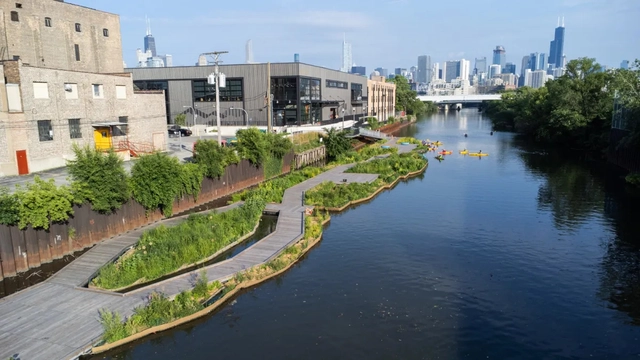
The Wild Mile project is an ambitious initiative by the nonprofit organization Urban Rivers, aiming to restore a 1.5-kilometer stretch of the Chicago River in the United States. The project involves creating a vibrant and sustainable urban oasis with boardwalks and floating gardens.
Since the opening of its first section in July 2023, the Wild Mile has already attracted over 30,000 visitors, including local residents, educational programs, and special events. Leaders at Urban Rivers express pride in the project's achievements, highlighting the transformation of a once-neglected stretch of the river into a thriving public space for both wildlife and people.
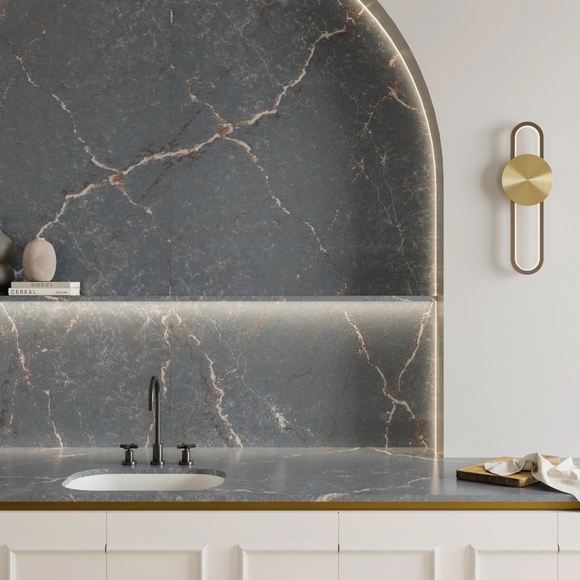
Whether through small physical material samples or a digital collage, a moodboard is a valuable design tool for architects and designers—an inspiration board featuring colors and elements that guide aesthetic choices. The idea is for professionals to use them as a source of inspiration to compose their projects and define backdrops, predominant textures, and highlight details. In doing so, surfaces play a fundamental role in defining a space, setting its tone much like music, where all other elements either align with or disrupt the harmony of the chosen palette.
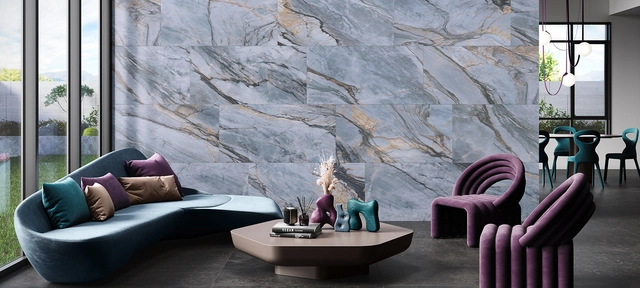
In architecture and design, trends emerge from a variety of factors, including technological advancements, cultural shifts, environmental concerns, and aesthetic considerations. These are expressed through preferences in materials, colors, and textures, as well as in the ways spaces are conceived and organized.
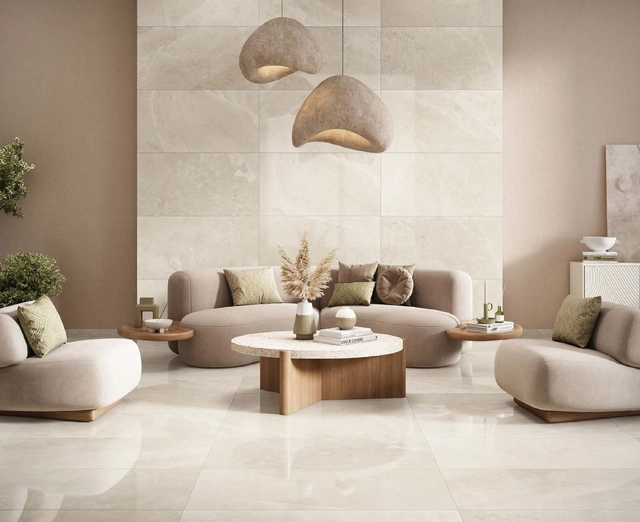
When it comes to materials, the presence of natural elements like marble inspires the marbled style—a versatile, timeless trend that brings warmth, natural authenticity, and sophistication to interiors. In line with contemporary interior design trends, Daltile develops polished porcelain solutions as an alternative that preserves the aesthetic versatility of marble while offering greater durability and resistance.

Throughout our lives, we are exposed to various stimuli and pollutants that directly impact our well-being. Although air and water pollution typically garner more attention due to their highly visible and negative effects, noise pollution is sometimes underestimated, even though it poses a risk to physical and mental health, according to the European Environment Agency.
Some of the strategies to address this challenge have focused on policies that control vehicular traffic and establish schedules for specific activities. In the field of architecture, within the Mexican context, local regulations address specific scenarios related to noise produced by machinery and particular uses, such as entertainment and service centers. These regulations establish a sound intensity limit of 65 dB (decibels). However, since housing represents perhaps the most archetypal manifestation of architecture and can be affected by various noise sources, it is worth asking: How can a home be soundproofed? In response to this question, Soprema has developed several solutions to create a soundproofed environment through the different elements that make up a home.
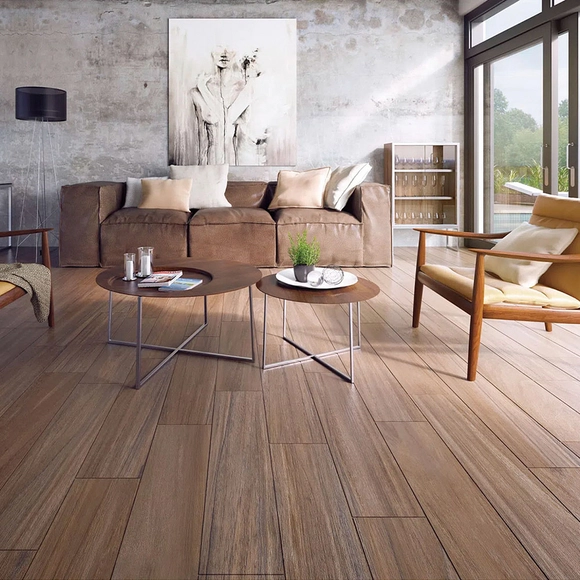
What is thermal inertia and how does it work? Consider two simple buildings: one constructed primarily of stone and another of uninsulated wood. On a sunny day, the stone building, with its high thermal inertia, will gradually absorb solar heat. At night, it will slowly release this stored heat, keeping the interior warmer for longer. Meanwhile, the uninsulated wooden building, with its low thermal inertia, will heat up and cool down much faster, quickly absorbing heat during the day but easily losing it at night.
This example demonstrates how the stone building has a superior capacity to regulate indoor temperature due to its higher thermal inertia. Architects leverage this physical property of materials to optimize building thermal performance and reduce reliance on heating or cooling systems. However, every project is unique, and the required levels of thermal inertia can vary depending on the climate and the use of each building.
Below, we examine how the thermal inertia of different materials performs across various scenarios, as well as the contribution of ceramic or porcelain tiles to achieving optimal comfort.

Architecture is a process-centered discipline. From the design phase that brings ideas to life and transforms them into detailed designs, to the creation of materials and products that shape spaces, processes are intrinsically present in various architectural manifestations, each contributing its own value. Although they may sometimes seem secondary, their relevance remains constant and indisputable.
While manual processes remain relevant, the efficiency achieved through industrial technology has transformed our perception of workspaces, which now demand a greater balance between the aesthetic and functional qualities of furniture, as well as greater flexibility in spatial layouts. In this context, Mexican company PM STEELE® has integrated advanced machinery and infrastructure into its facilities to streamline the design process, enabling the manufacture of high-value products and making it possible to furnish office projects more efficiently.
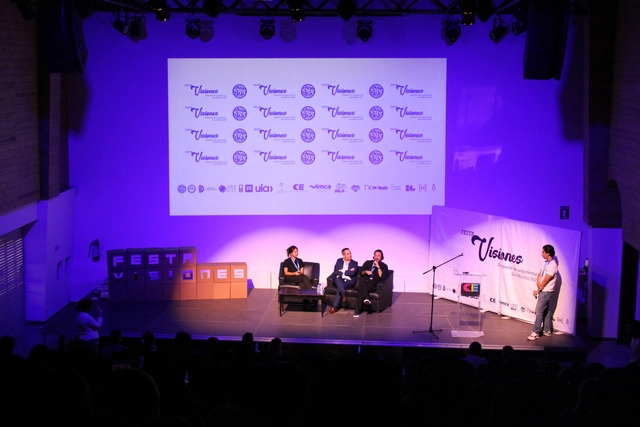
On April 26, 27, and 28 of this year, the "FESTA Visiones" architecture festival took place in Los Mochis, Sinaloa, marking the return of in-person activities and the revitalization of events. To this end, the Architecture Committee of the Tecnológico Nacional de México Campus Los Mochis and the Colegio de Arquitectos del Norte de Sinaloa joined forces to resume the region's most important educational event, once again inviting students to learn from national leaders in the profession.
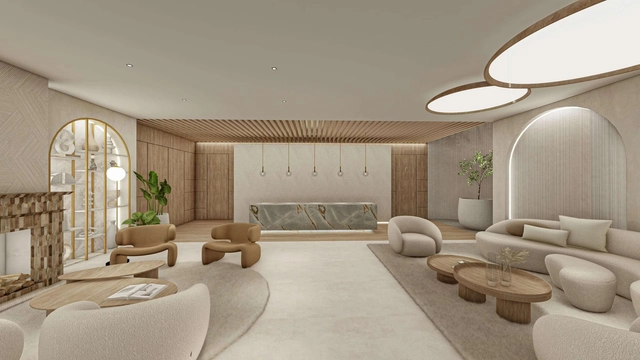
The choice of materials is intrinsic to the concept and function of any architectural project. Designing a space with wood, for example, creates an entirely different atmosphere and purpose than one designed with porcelain tile, brick, or concrete. Yet, this does not mean that each material is always destined for a single function. This is where creativity and innovation come into play to design spaces that integrate a variety of materials, contributing to designs that evoke a range of styles, experiences, and uses.
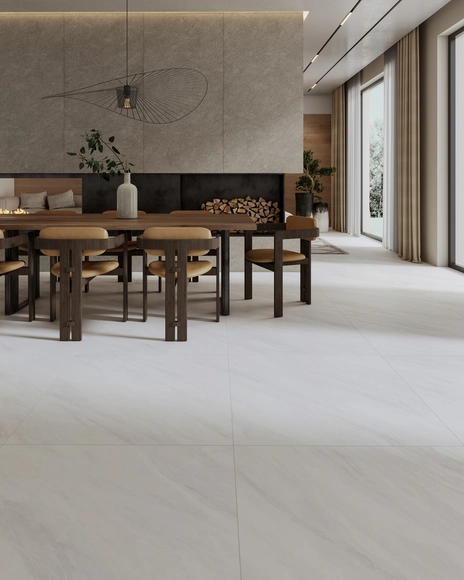
Choosing 80x80-centimeter porcelain tiles reflects the pursuit of a modern, minimalist aesthetic, thanks to their ability to create continuous surfaces that visually expand spaces. By easily covering larger areas, they offer a sense of unity and continuity that is highly sought after in contemporary design. Their geometric designs, modern interpretations of natural materials, and abstract patterns leverage advanced manufacturing and printing technologies to design unique spaces.
From rustic to contemporary styles, porcelain tile offers options that complement and enhance any design scheme, allowing designers and homeowners to realize their vision without compromise. Its application extends beyond flooring, finding a home on walls, bathrooms, kitchens, and facades.
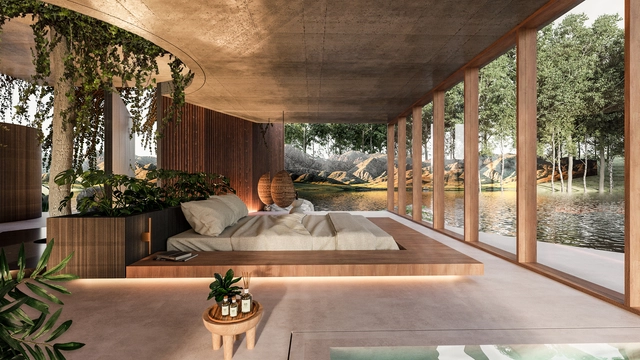
Beyond mere functionality, design can be explored as an art form by triggering emotions and becoming a welcoming sanctuary. In a quest to connect design, nature, and human beings, many architecture and interior design professionals seek to create living experiences through the transformation of materials, the promotion of ecological and sustainable commitment, or the implementation of innovative solutions that transcend aesthetics to enhance user comfort.
With global urbanization continuing as a constant and growing phenomenon, nature and its living components often seem scarce in contemporary urban centers. In this sense, we seem to have collectively forgotten that the natural world is humanity's primary environment. Yet, the fact that society has chosen cities as its predominant living model does not mean nature is obsolete. On the contrary, the ongoing search for sustainable, well-being-oriented solutions can provide us with more and better answers.
Biomimetic architecture, focused on finding sustainable solutions in the natural environment, emerges as a way to integrate nature into the built environment. This integration goes beyond mere imitation or decontextualized copying, grounding itself in understanding and extrapolating natural qualities to buildings and interiors. As such, specific biomimicry strategies applied to architecture can be reflected in ceramic wall and floor coverings, addressing aspects like mineral composition, design, and aesthetics that are closely linked to nature.
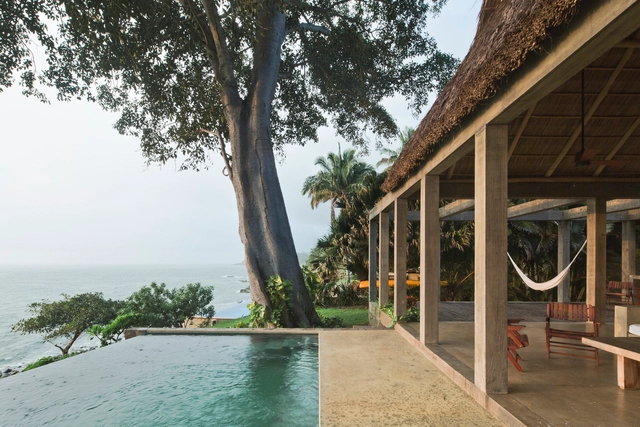
Harmonizing with nature is a fundamental premise in architecture, aiming for buildings to be an extension of their environment rather than invasive elements. Frank Lloyd Wright, for instance, maintained that a house should not be placed on a hill, but rather merge with it. Today, this integration has gained greater relevance, driven by the growing need to manage resources and a deep desire to reconnect with the environment. Moreover, this contextual relationship manifests on a sensory level, where visual and tactile elements fuse with the landscape, creating an immersive experience through architectural features that blend with nature.
These spaces include bathrooms, courtyards (both indoor and outdoor), and even swimming pools, all characterized by their inherent connection with water, where finishes—depending on texture and color—can achieve a visual and compositional harmony with the surroundings. A prime example of this is the variety of stones offered by Sukabumi: materials featuring low water absorption, high durability, ease of cleaning, and slip resistance. Through combinations of different tones, sizes, and textures, these stones become a powerful resource for creating organic and welcoming atmospheres through materiality.