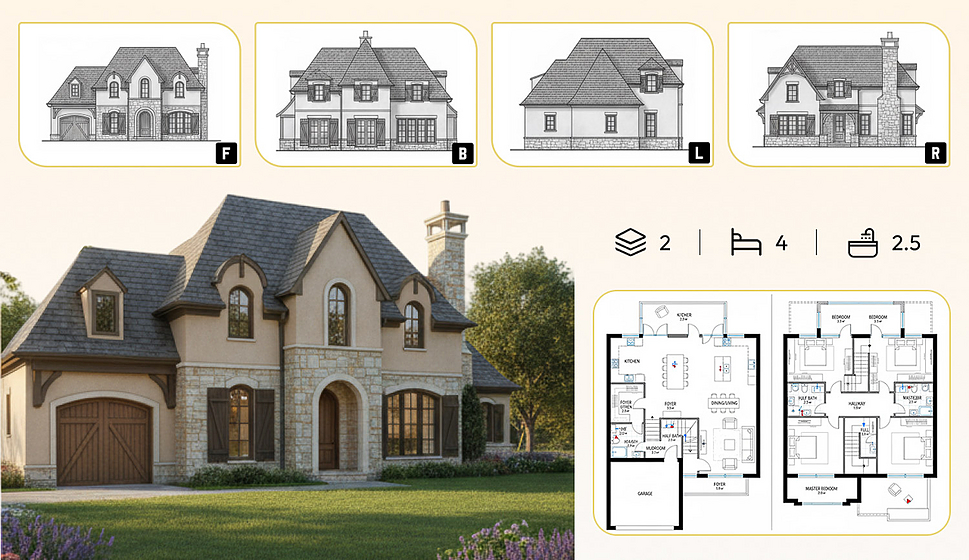
This guide covers a workflow that moves from project parameters to generated floor plans, 3D perspective views, exterior design exploration, and site context visualization, using AI tools in place of preliminary CAD and rendering work.
This guide covers a workflow that moves from project parameters to generated floor plans, 3D perspective views, exterior design exploration, and site context visualization, using AI tools in place of preliminary CAD and rendering work.
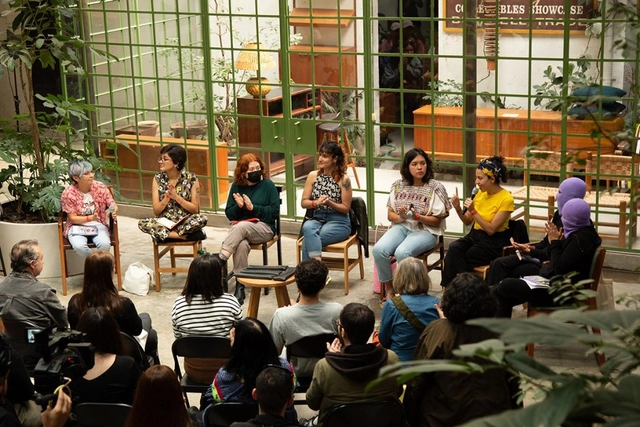
On October 19, 21, and 22, Laguna in Mexico City hosted the second edition of the first design festival created by Coolhuntermx, conceived by and for projects led by cis women, trans women, and dissident communities. This festival was conceived with an inclusive, diverse, and collective approach, curated by designers Andrea Soler and Taina Campos. Following a first edition filled with key learnings and shared knowledge, the objective remains the same: to serve as an inclusive platform for design proposals and other creative expressions seeking alternative dialogues to those taking place during Design Month. This year, various forums were held to address topics such as "Social and Community Impact," "Representation and Decision-Making," "Activism for Transformation," and "Design of Care." In addition, the "Voces Estudiantiles" (Student Voices) exhibition showcased posters addressing various contemporary topics being explored in universities. Similarly, a mural by Artsynonym and Flaminguettes captured some of the core concepts and guiding principles of the festival. The event also featured 'Mujeres de la Tierra' (Women of the Earth), a collective of Indigenous women who defend the land and their lives against violence: "we stand in solidarity with the struggle by planting, cooking, and sharing knowledge." Attendance and participation during the event were highly diverse, enriching the panels to foster a horizontal dialogue addressing specific concerns. It is increasingly necessary to create these spaces to bring visibility to the collective struggles resisting day-to-day dynamics. Therefore, if you were unable to attend, the full talks are available below on coolhuntermx's Twitch channel; simply click on the link for each session. DAY 1
Panel: Social and Community Impact
WATCH THE RECORDING HERE
The panel featured Alessandra Cireddu (Moderator): National Director of the Architecture Program, Tecnológico de Monterrey (@alitac); Talachas Girl (Speaker): EXCLUSIVE SERVICE FOR WOMEN AND LGBTQ+. Remodeling, interior design, recycling, savings, construction, and creation (@talachas.girl); CACEH. Marcelina Bautista (Speaker): Domestic worker for 22 years, currently director of CACEH, a civil society organization that empowers and professionalizes domestic workers (@caceh_nacional); and Colectiva Argamasa (Speaker): A women's collective seeking to coordinate the presence of women in spaces through cross-cutting architectural interventions (@colectiva_argamasa). Panel: Representation and Decision-Making
WATCH THE RECORDING OF THE TALK HERE
The panel featured Vulvísima, Avelina Fonseca (Moderator): Feminist activist, B.A. in Political Science from UNAM, specializing in emancipatory feminist economics and the social organization of care. Creator of Vulvísima (@vulvisima); Ashby Solano (Speaker): Creative Direction. Digital Fabrication Jedi. Multidimensional creative being (@ashbysolano); GirlUp (Speaker): Passionate advocates for gender equality, sexual and reproductive rights, climate action, mental health, and other social injustice issues (@girlupmx); Marbella Figueroa (Speaker): Co-creator and collaborator of Afrochingonas, a self-managed project addressing and problematizing Afro-descent and racism in Mexico (@marbellabrilhinho); and Astra Lem (Speaker): Graphic designer and trans activism (@astra.lem). DAY 2
Panel: Activism for Transformation
WATCH THE RECORDING OF THE TALK HERE
The panel featured Dora Bartiloti (Moderator): Multimedia artist. She explores the material qualities of textiles and electronics as tactical mediums for feminist activism and collective action (@dorabartilotti); Zines por Morras (Speaker): The project aims to share experiences of harassment against lesbian and bisexual women in Mexico City (@zinespormorras); Alina Kiliwa (Speaker): "As a lettering artist, I seek to reclaim the sign-painting tradition and revalue the practice through participatory processes" (@alinakiliwa); Mi calle Nuestra Calle (Speaker): Urban laboratory of participatory futures [futures + feminist urbanism + community art] (@micalle_nuestracalle); and MOFA (Speaker): Feminist collective of young women from the urbanism, landscape, architecture, and industrial design programs at the Faculty of Architecture, UNAM (@mujeres_organizadas_fa). Panel: Design of Care
WATCH THE RECORDING OF THE TALK HERE
The panel featured Sofía Probert (Moderator): Illustrator. Through her work, she invites political and philosophical questioning around socio-environmental issues (@sofia.probert); Jovenas Comuneras de Milpa Alta. Daniela Moreno (Speaker): "We are a space for meeting and constructing action-participation to defend and care for our territories, land, and our existence within them" (@jovenascomuneras); Eli Caballero (Speaker): Environmental care and support for ADHD (@hazcompitas); Madres desobedientes (Speaker): Mothers parenting and transforming the world. Disseminating women's artistic projects and supporting feminist parenting (@madresdesobedientes); and Mariana Robles (Speaker): Gynecologist with a feminist perspective. Non-conscientious objector. Health at Every Size. Mom of two (@dra.mariana.robles). For more information, visit Diseña Mexicana.
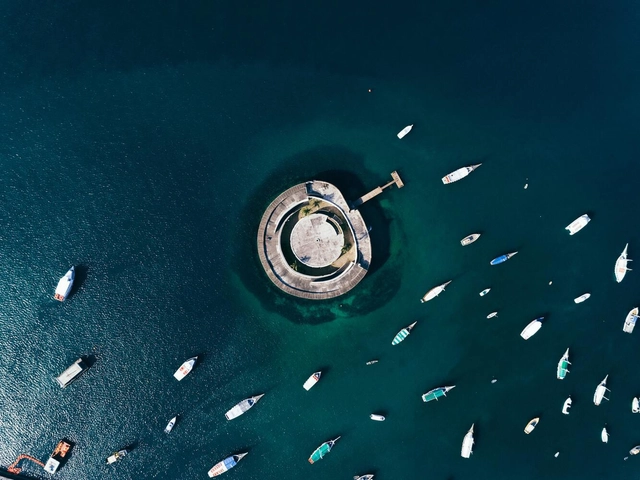
In 1972, Caetano Veloso announced in the song Triste Bahia that “the steamboat from Cachoeira no longer sails on the sea.” Indeed, ours is a generation unfamiliar with Salvador's nautical capacity, since most of us have not had the opportunity to experience the daily rhythm of a port city. A brief look at the records of photographers such as Marcel Gautherot, Pierre Verger, and Lázaro Roberto, from the 1950s to the 1970s, reveals that the daily dynamics along the waterfront were vastly different from those of today.
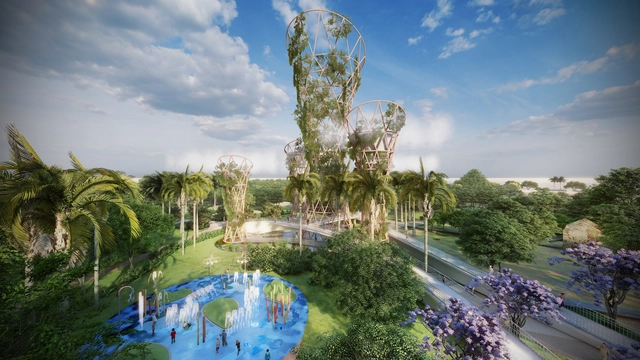
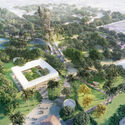
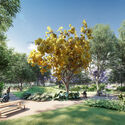
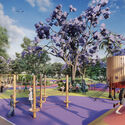
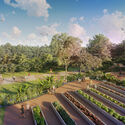
In September, the Rio de Janeiro City Hall began construction on the new Journalist Susana Naspolini Realengo Park, located in the West Zone of the state capital. Developed by the urban planning and landscaping firm Ecomimesis, the new park includes community gardens, a cultural route, a sports area, rain gardens, and an ecopoint (recycling station) for collecting and sorting all solid waste from the park.
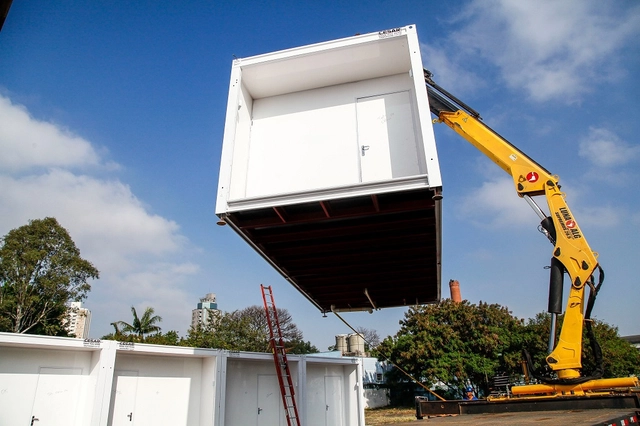
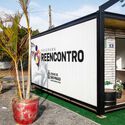
Modular units will house people experiencing homelessness in São Paulo. The project, named Vila Reencontro, was launched in the Bom Retiro neighborhood—though the proposed site is currently being analyzed for potential soil contamination—and is now expanding to Ladeira da Memória Street, near the Anhangabaú Metro station in the city center.
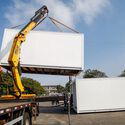
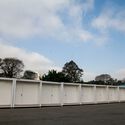
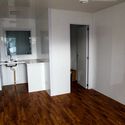
Led by SMADS (Municipal Secretariat of Assistance and Social Development), the initiative provides temporary housing made from shipping containers, functioning as modular metal homes.
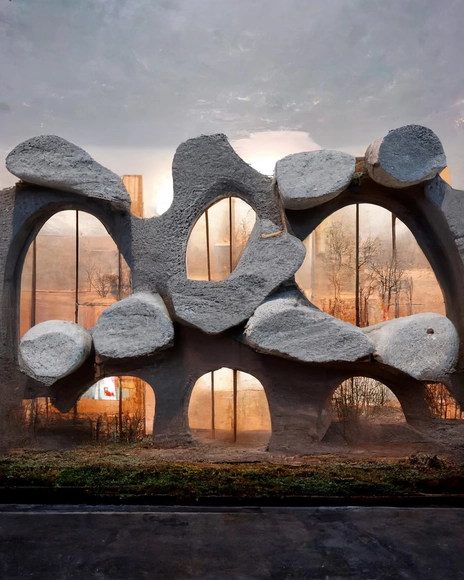
Much has been said about the power of artificial intelligence and how its rise could transform the architectural profession. This topic has already been explored in previous articles here.
The primary tool causing concern among industry experts is DALL-E, a machine learning-based software that generates images from text prompts entered by the user. Other platforms offer similar capabilities, such as Midjourney and Stable Diffusion.
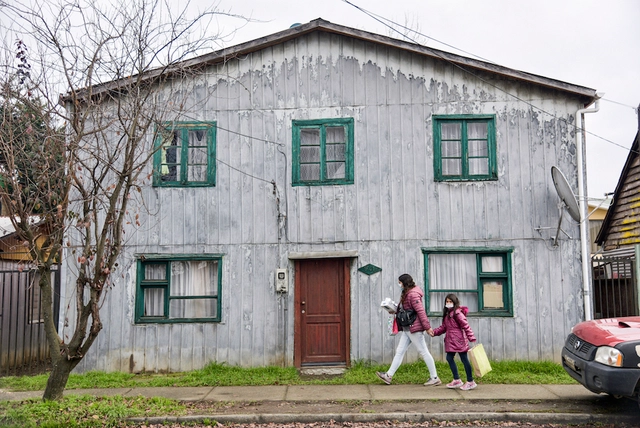
In October 2022, Fundación Patrimonio Sustentable, alongside the Downtown Valdivia Trade Association and Sercotec Los Ríos Region, launched the Barrio Cochrane Guide: Heritage and Commerce of Valdivia. This publication highlights the heritage, human, and architectural value of the neighborhood, featuring stories of local businesses, historic trades, and iconic buildings in the area.
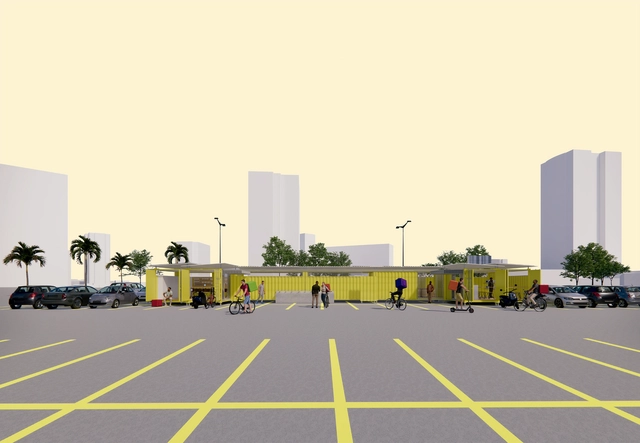
The 7th {CURA} Award has announced the winners of its competition, which focused on designing support facilities for app delivery workers. The competition invited participants to design across three scales — city, building, and furniture —, offering a comprehensive response to the needs of these professionals whose work grew more widespread yet increasingly precarious during the Covid-19 pandemic.
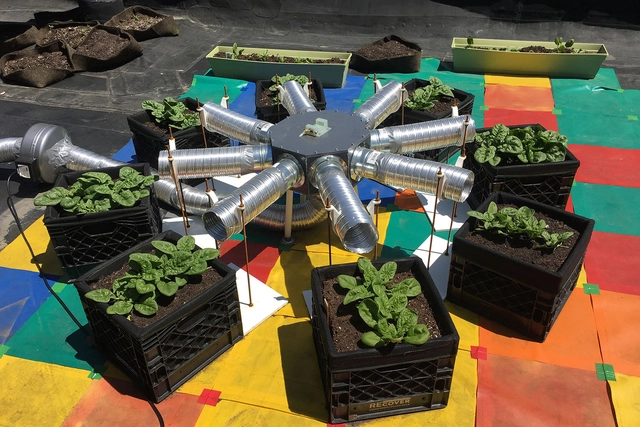
Rooftop farms and urban gardens are popular options for providing food in cities while mitigating heat islands, increasing building thermal insulation, and improving air quality. However, these plants often end up smaller and less healthy, as they suffer from higher solar radiation, wind exposure, and low soil moisture.
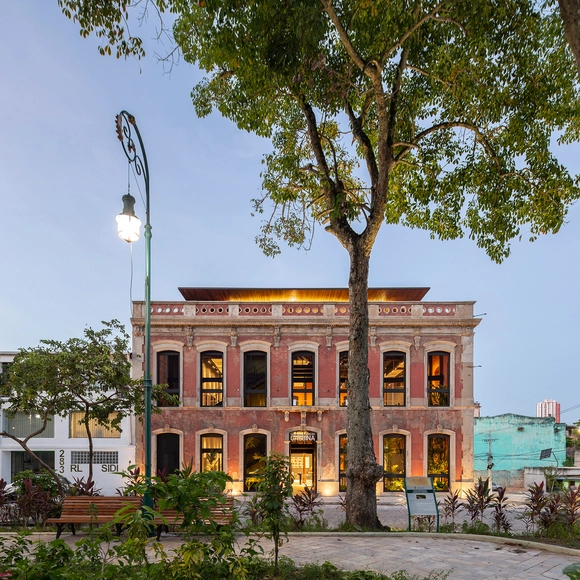
The Saint-Gobain Group and the Brazilian Association of Architecture Firms (AsBEA) have announced the winners of the 9th edition of the Saint-Gobain AsBEA Architecture Award. The award celebrated projects that offer comfort and innovative solutions, while also preserving the environment and promoting sustainability within the Brazilian construction industry.
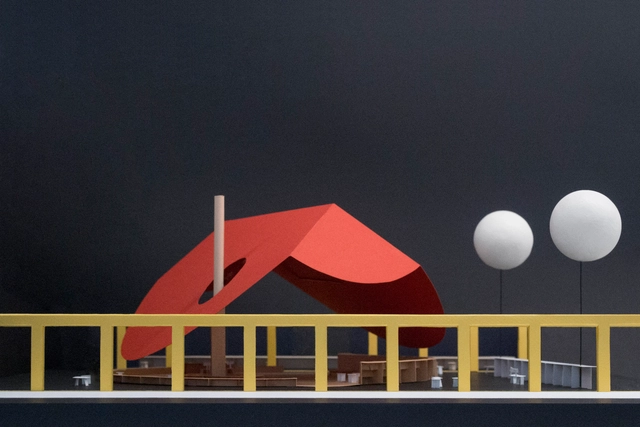
From February 22 to 26, 2023, the International Contemporary Art Fair ARCOmadrid will take place at IFEMA Madrid. HANGHAR and estudio DIIR, both Madrid-based architecture firms, have been selected to design the fair's VIP Lounge. Its central theme, "The Mediterranean: A Round Sea," serves as the starting point and inspiration for this proposal, titled VERBENA.

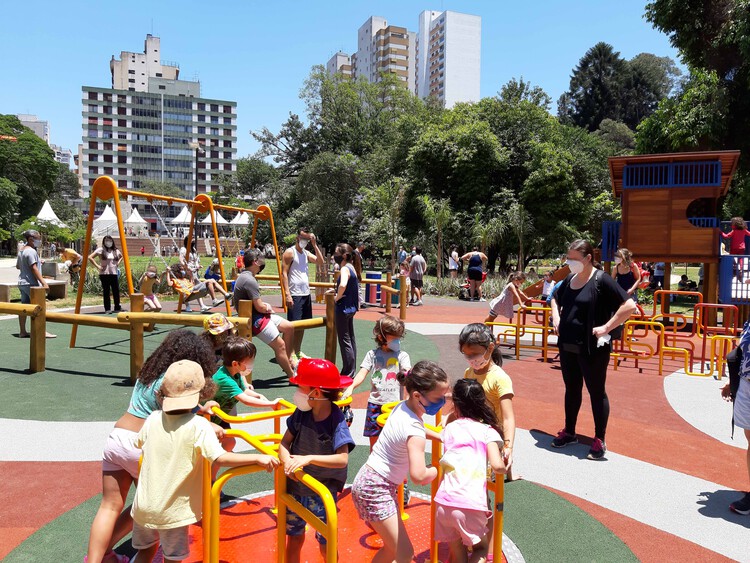
In November 2022, Augusta Park celebrated its first anniversary of reopening to the public. The park reached maximum capacity on its opening day and, today, has welcomed over 1.5 million visitors. The site went through a long journey before reaching consolidation. The nearly 50-year struggle for the park deserves to be highlighted, and public participation in its creation must be recorded and shared so it can inspire new campaigns for public spaces across the city.
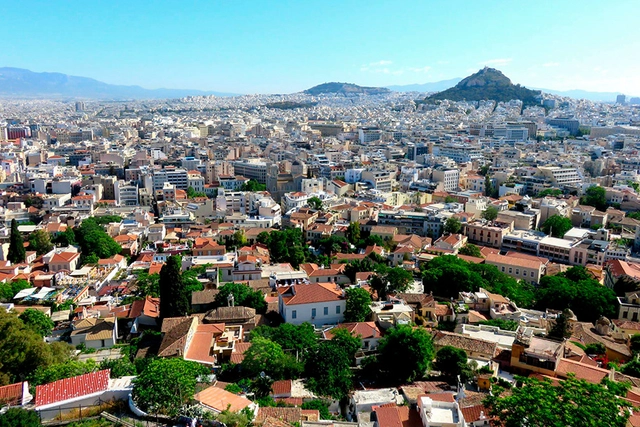
Various studies have indicated that, to prevent temperatures from rising more than 1.5°C, there must be a major drop in greenhouse gas (GHG) emissions. To achieve this, it is necessary to develop compact cities designed for pedestrians, cyclists, and transit users, as well as rapidly and strategically adopting electric vehicles, with a focus on public transportation.

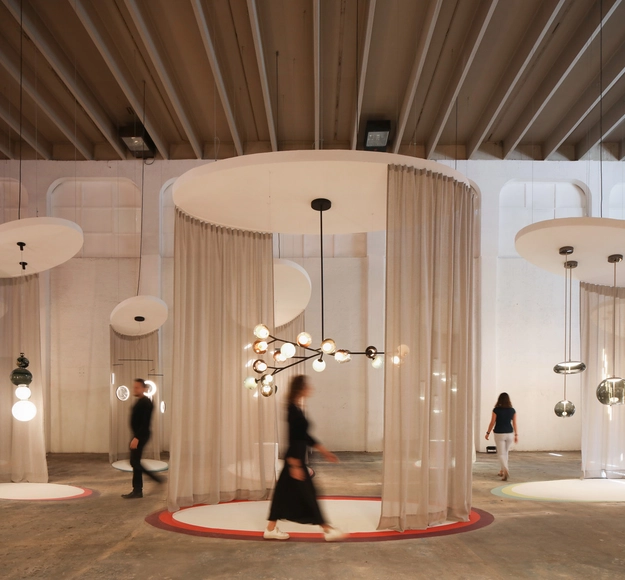
On November 10, Diez Company launched the fourth edition of Maison Diez Company to Mexican and international audiences. This space, dedicated to lighting design, brings together designers, creatives, architects, interior designers, business partners, lighting experts, and representatives of international brands to celebrate light.
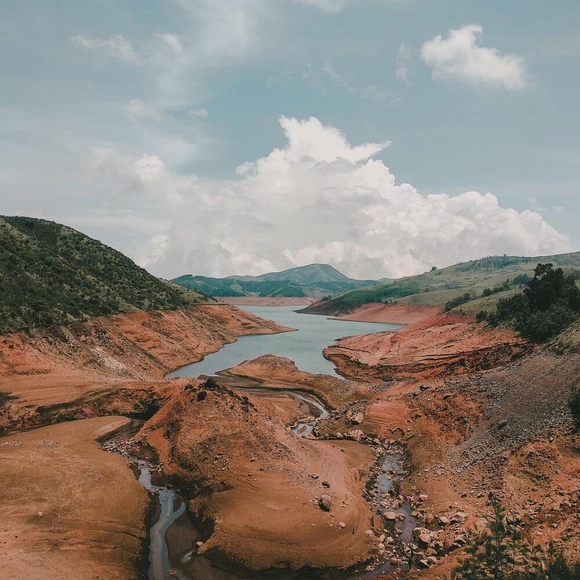
The city of Sharm El Sheikh, Egypt, hosts the 2022 United Nations Climate Change Conference, COP27, from November 6 to 18. The conference builds on the negotiations of COP26 in Glasgow, Scotland, in 2021, with the expectation that countries will demonstrate climate ambition and urgency to limit the rise in global temperature to 1.5°C.
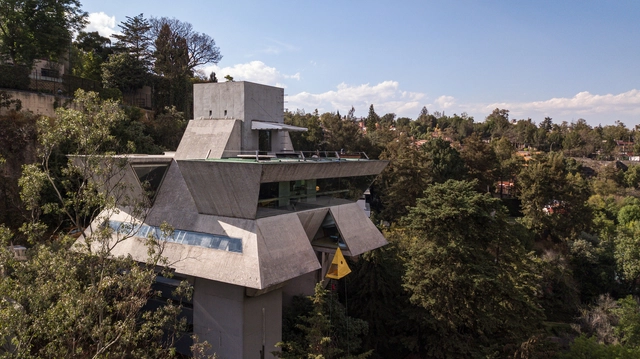
Today, November 10, the National Academy of Architecture, through a statement issued by Arch. José F. Reygadas Valdéz (President) and Arch. Antonio Gallardo E. (Secretary General), announced the passing of Mexican architect Agustín Hernández Navarro, an Emeritus Academic of the institution.
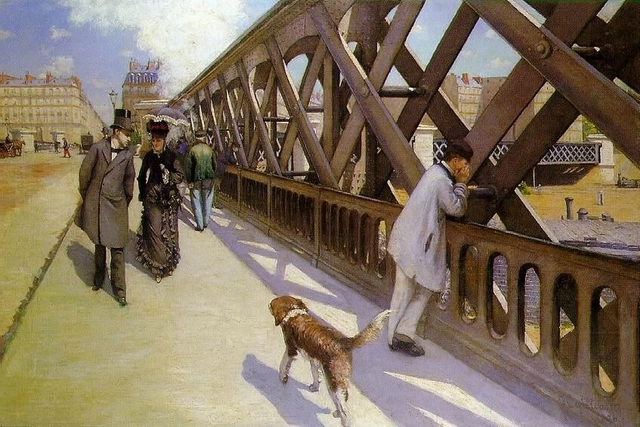
In the early 19th century, in a Paris on the verge of having its medieval fabric torn open by Haussmann's grand boulevards, novelist George Sand dressed as a man to walk the streets. According to her journals, "in trousers and boots I could fly from one end of the city to the other, regardless of the weather, the hour, or the place." No one paid her any attention, no one guessed her disguise, and no one stared or criticized; she was just another "atom lost in that immense crowd." Thanks to her male attire, Sand experienced fearless incursions and solitary wanderings like a true flâneur—experiences that would later become fundamental to crafting her successful narratives.
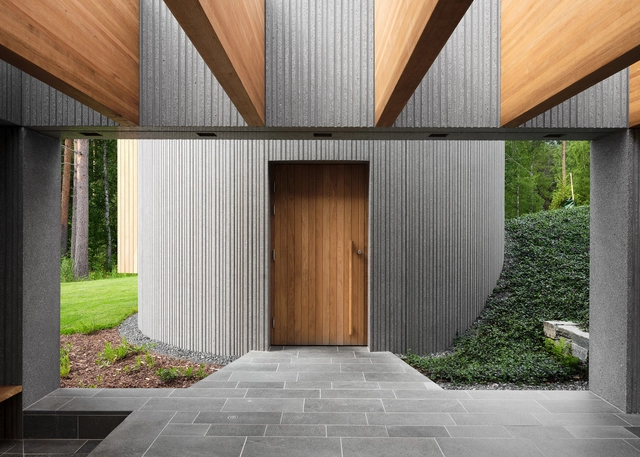
Combining art, nature, and architecture, Barcelona-based practices Mendoza Partida (Héctor Mendoza and Mara Partida) and BAX studio (Boris Bezan) have joined forces to design Art-Sauna, an experience conceived as a continuation of the emotional journey at the Gösta Serlachius Museum of Contemporary Art in Mänttä, Finland. With a subtle, intimate, and domestic scale, this new space joins the complex, harmonizing the dialogue between these three variables and integrating the building into the journey by merging it with the terrain and making it part of the landscape.
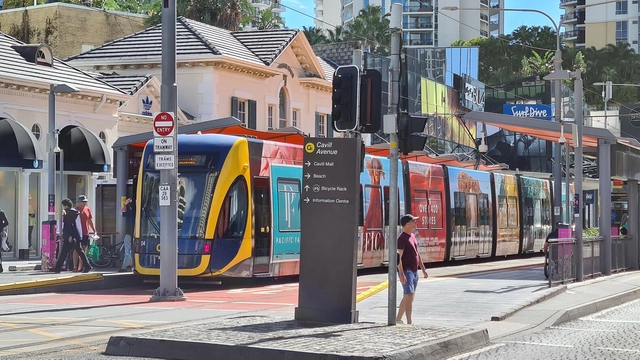
Cities have never been more engaged in climate action. At the 2021 UN Climate Change Conference (COP26), more than 1,100 cities representing a quarter of global CO2 emissions joined the Cities Race to Zero initiative. By doing so, these municipalities committed to ambitious, inclusive, and equitable actions to keep global temperature rise below 1.5°C. In November of this year, at COP27, these cities presented their progress and shared how they plan to deliver on their commitments.
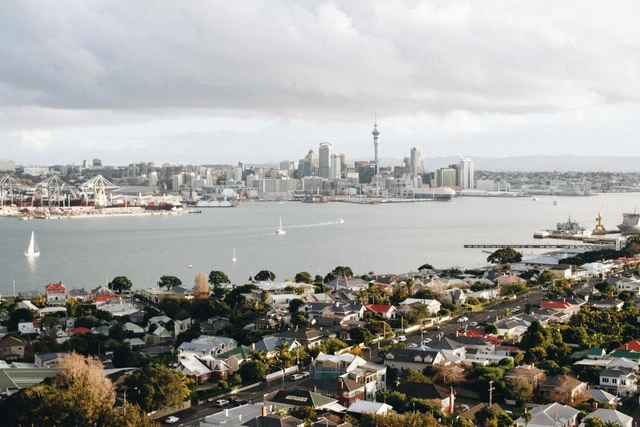
Mired in a housing crisis for about a decade, New Zealand has modified its zoning laws to allow more medium-density housing to be built in the nation's largest municipalities.
The initiative comes in response to a shortage of housing units, soaring property values and rents, and is aimed at narrowing the widening “chasm” between household incomes and housing costs, as detailed in a report by The Guardian.
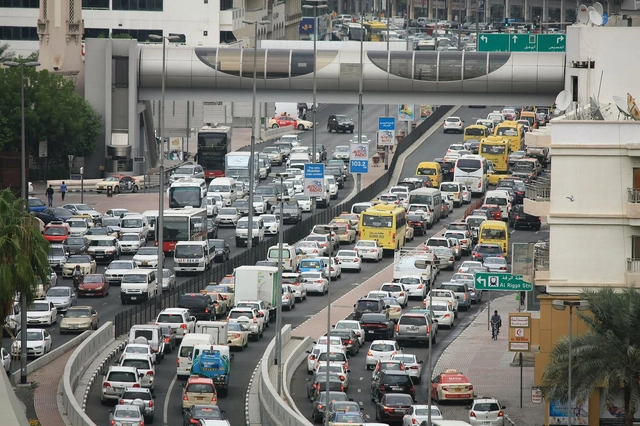
Among the various problems stemming from the excessive use of cars in large and medium-sized cities, traffic congestion and time lost in transit are undoubtedly those that receive the most attention from the media and society.
Drivers tend to overlook other issues, however severe, such as traffic fatalities and tragedies, air pollution, the stressful noise generated by motorized vehicles, urban sprawl—which makes cities dysfunctional, expensive, and far-flung—or the hydrological problems caused by the excess of asphalt and concrete dedicated to cars. Generally, these issues are ignored or seen as inevitable, whereas gridlock is highly visible, instantly perceived as a nuisance demanding immediate solutions.





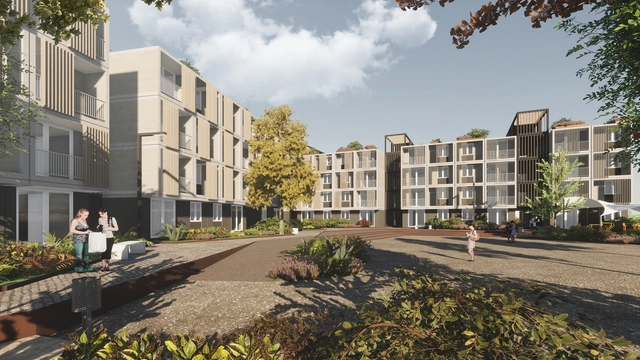
Archiplan S.A. has won the Industrialized Social Housing Competition organized by Chile's Ministry of Housing and Urbanism. Part of the government's Housing Development Plan, the initiative includes the construction of 60 homeownership units in the Lo Espejo district and 103 fair-rent housing units in the Renca district.
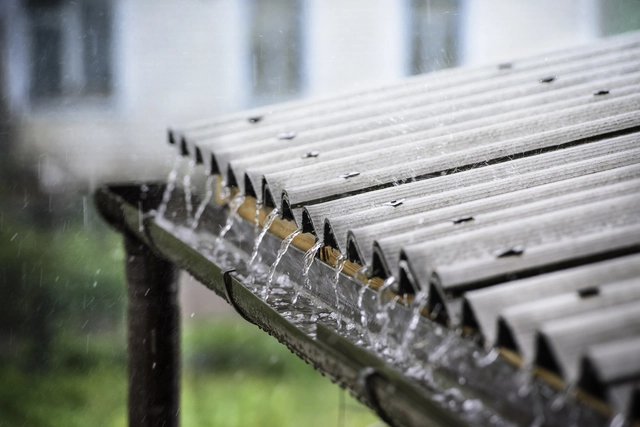
Young people from the Quebrada Agroecógica collective received the ImaGen Ventures award during COP-27, the world's largest climate change summit, held in Sharm El Sheikh, Egypt. The collective brings low-cost mini-cisterns to informal settlements and low-income communities.
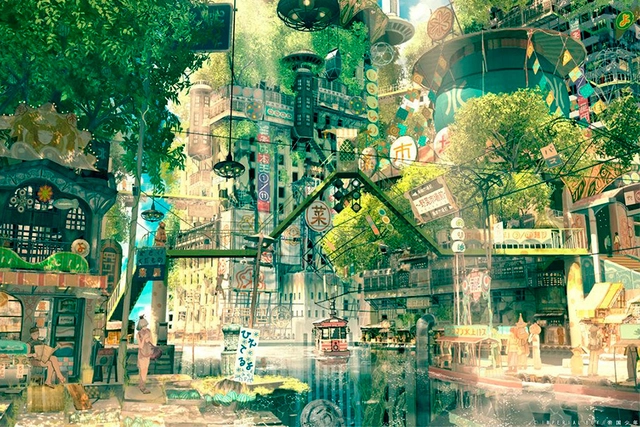
The illustration above is a famous image by the artist Imperial Boy (帝国少年), who works in the anime industry. I sometimes claim that the entire *solarpunk* genre was inspired by this image. That is an exaggeration, of course—some people have thought very seriously about *solarpunk* design principles—but the influence and appeal of Imperial Boy's design are undeniable. Moreover, other *solarpunk* art, though often lovely, tends not to immediately resemble the kind of cities you would actually want to build; it is either an image of a high-tech farm, or some variation of "slap a tree on the side of every building."
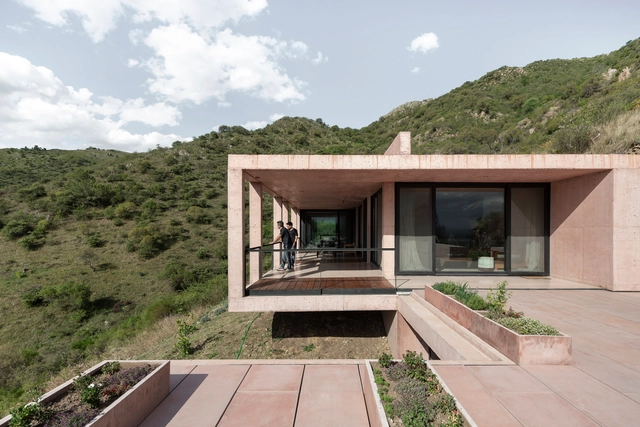
Beyond Pelé and Maradona, November marks the celebration of Brazil-Argentina Friendship Day. Established in 2018, the date (November 30) aims to highlight diplomatic and commercial relations between the two nations. Together, Brazil and Argentina account for 63% of South America's total land area, 60% of its population, and 61% of its GDP, establishing themselves as key trading partners.