1. ArchDaily
  2. News

News

Livable Madrid: Arturo, the algorithm designed by citizens

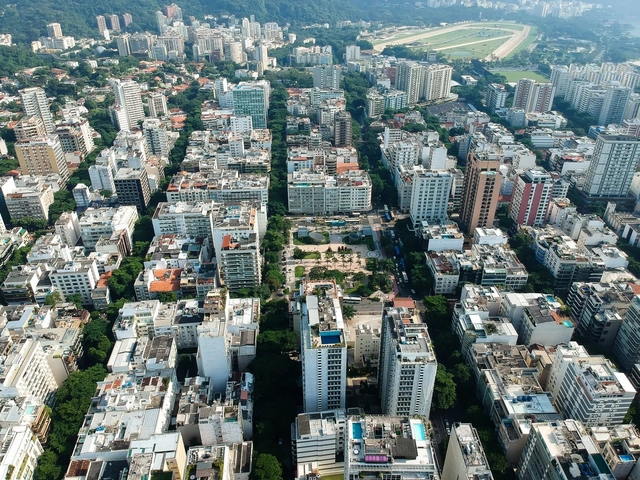
Like any other discipline or science, urban planning is dedicated to the empirical study of planning and organizing cities and territories. It faces not only the challenges of designing agile mobility, planning accessible residential fabric, allocating land for economic activities, and efficiently managing environmental and energy impacts, but also the ultimate goal of making the resulting cities as livable as possible.

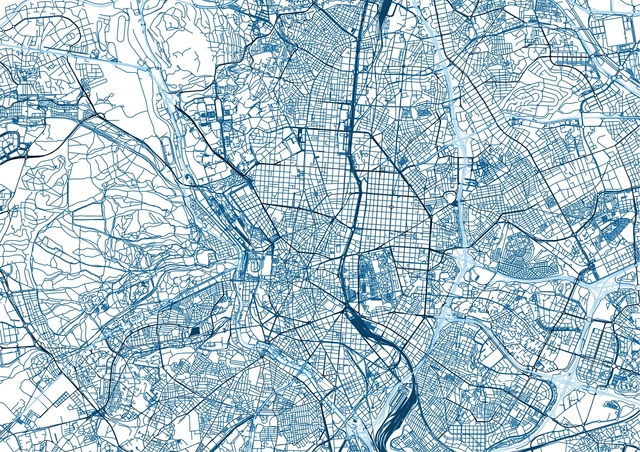
Named after Arturo Soria, Arturo is an algorithm trained by citizens and designed to determine which urban variables make our cities more livable. Much like Arturo Soria himself—whose commitment to livability was evident in projects like the Ciudad Lineal—the algorithm aims to turn livability into a measurable parameter, into objective data. To achieve this, it relies on the input of thousands of citizens to build an accurate picture of what makes a city livable.
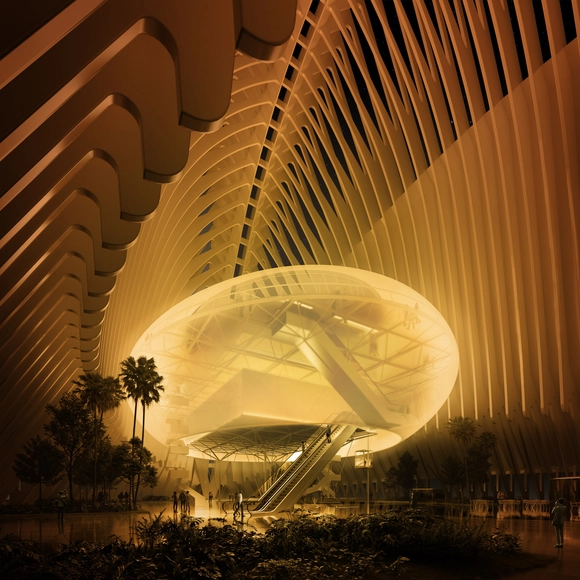

This was MIAS Architects' proposal for Caixaforum Valencia

Subscriber Access | 

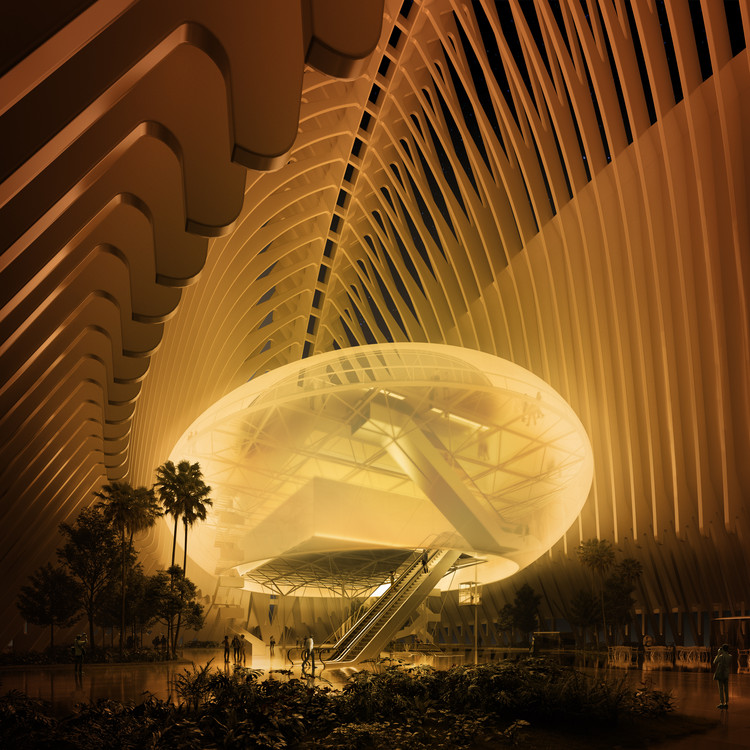
A few days ago, the “la Caixa” Banking Foundation presented the design for CaixaForum Valencia, a project led by Enric Ruiz-Geli and his studio Cloud 9. The foundation's ninth cultural venue in Spain will be located inside the Ágora in the City of Arts and Sciences, designed by Santiago Calatrava.

CaixaForum Valencia will have an area of 6,500 square meters, housing two exhibition halls, a 300-seat auditorium, two multipurpose classrooms, a bar-restaurant, a bookstore, and a family and educational space called CaixaForum Familia, as well as reception areas, offices, storage, and technical zones.

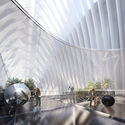
On this occasion, we present the proposal by MIAS Architects, a firm led by Josep Miàs and one of the nine offices invited by the foundation to participate in the competition. “The new CaixaForum [must] actively engage with the Ágora building, establishing a relationship that is not only volumetric but also perceptual,” the architects explain.

This was MIAS Architects' proposal for Caixaforum Valencia - Imagen 1 de 4This was MIAS Architects' proposal for Caixaforum Valencia - Imagen 2 de 4This was MIAS Architects' proposal for Caixaforum Valencia - Imagen 3 de 4This was MIAS Architects' proposal for Caixaforum Valencia - Imagen 4 de 4This was MIAS Architects' proposal for Caixaforum Valencia - More Images+ 2

Nuria Benítez Wins the 2018 Arq. Marcelo Zambrano Scholarship

Nuria Benítez Wins the 2018 Arq. Marcelo Zambrano Scholarship - Image 2 of 4
© CEMEX

On July 17, the Council of the Arq. Marcelo Zambrano Scholarship selected architect Nuria Benítez Gómez as this year's winner: “The Arq. Marcelo Zambrano Scholarship is an initiative through which CEMEX reaffirms its commitment to Mexican architecture, promoting the professionalization of the construction industry by training highly talented young architects,” stated Juan Romero, President of CEMEX Mexico. “I recognize the important work of the Scholarship Council in choosing the winner during this year's deliberations, which, as in every year, has been highly enriching and now even more challenging due to the high level of competition and quality of work among the applicants.”

The single-family house as an experimental manifesto of the modern architect.

Subscriber Access | 

Architect Rafael Pina Lupiáñez, writing for the ARKRIT Collective, reflects on the single-family house as an experimental manifesto of the modern architect—a space where the designer's theories, trends, and concerns materialize through a close, collaborative relationship with the client. By comparing two houses built in Quito, Ecuador, by architects Daniel Moreno and Sebastián Calero, this article illustrates how housing can serve as the perfect stage to unify design experience, client participation, environmental awareness, the reuse of waste materials, and other contemporary ethical approaches.

'Design House' opens its doors with interventions that blend design, architecture, and interior design

'Design House' opens its doors with interventions that blend design, architecture, and interior design - Featured Image'Design House' opens its doors with interventions that blend design, architecture, and interior design - Imagen 1 de 4'Design House' opens its doors with interventions that blend design, architecture, and interior design - Imagen 2 de 4'Design House' opens its doors with interventions that blend design, architecture, and interior design - Imagen 3 de 4'Design House' opens its doors with interventions that blend design, architecture, and interior design - More Images+ 30

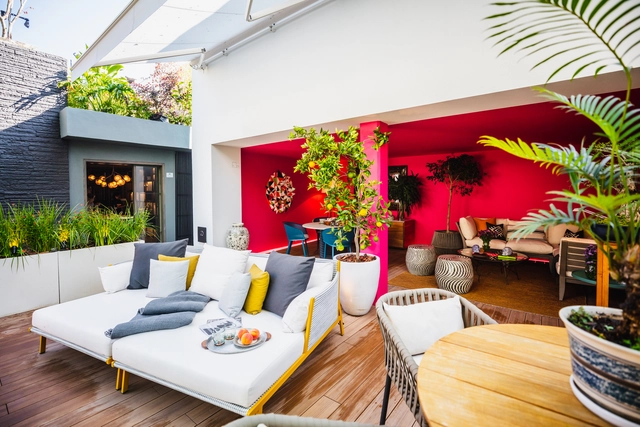
On Thursday, October 11, a new space named Design House opened in Mexico City, showcasing a series of interventions that blend design, architecture, and interior design. Over the past nine years, the event has presented cutting-edge proposals from 100 participating firms across various venues. This is done in collaboration with showrooms along the Ruta del Diño (Design Route), which provide the furniture and accessories featured in the various spaces.

For this year's edition, Design House features 24 renowned architecture and interior design firms. Guided by their unique visions, they have transformed different spaces, drawing inspiration from prominent personalities across various social spheres in Mexico.

The Role of Women in Construction: Times of Change?

One of the first courses I took in the introductory cycle at the School of Architecture was Design Studio. Around 100 young students gathered in the studio, where an architect warmly welcomed us and spoke about the course syllabus. She happily explained that she had recently become the course chair. At the time, I was not aware of academic hierarchies, but I understood it was significant. Over the years, I noticed that most courses were led by men. Therefore, what that architect had achieved was uncommon: she had shattered the glass ceiling by reaching a position of leadership and authority.

This situation is particularly striking because this disparity is not reflected in the classrooms of FADU (University of Buenos Aires). In the architecture program, over 60% of students are women, according to architect Carolina Quiroga. Although women hold 45% of teaching positions, according to a report by the FADU Teaching Administration Department, none of the 'Design' studios—the core subject of the curriculum—are led by female tenured professors.

Unfortunately, the academic world is not the only place where this inequality exists.

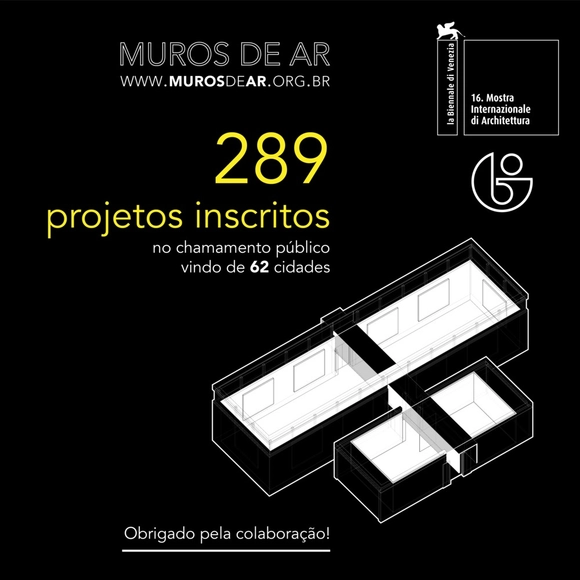
289 projects submitted to the open call for the Brazilian Pavilion at the Venice Biennale

The open call for projects for the Brazilian Pavilion at the 16th International Architecture Exhibition of the Venice Biennale closed on Friday, January 19, at 11:00 p.m., after being open to the public for one month. 

The initiative aimed to find projects across Brazil that demonstrate architecture as a tool to mediate conflicts, negotiate transitions between the public and private realms, and articulate connections between distinct urban fabrics. 

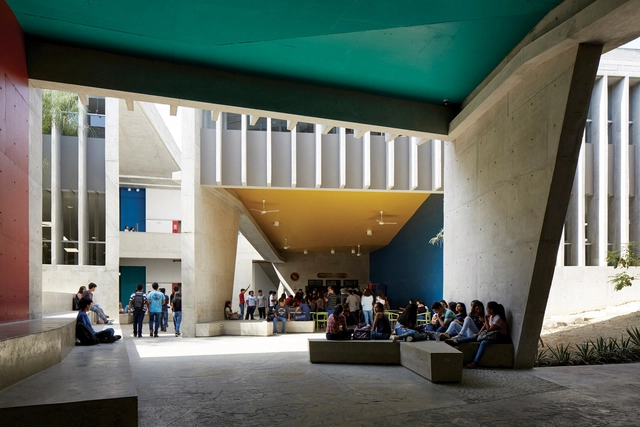
UDEP Classroom Building by Barclay & Crousse stands out internationally for its urban generosity

Before discussing how and by whom this project is internationally acclaimed, it is important to recognize its regional relevance. Built for the University of Piura, this classroom building is a robust educational project located in the middle of the northern desert. In light of the events of 2017 in various parts of Peru caused by the devastating El Niño phenomenon—where the north was hit hardest, losing many poorly situated buildings made of inadequate materials—this building stands firm. It exemplifies how to intervene with sensitivity, coherence, and respect for the local climate and landscape, serving as a replicable model for national reconstruction. Furthermore, it represents a major contribution to improving the quality of—and investment in—educational spaces outside the capital, promoting decentralization and offering better education and opportunities to students.

Beyond its domestic impact, the project has also garnered significant international recognition:

Lisbon and the culture of urban graffiti murals

Over the past five years, Lisbon has attracted significant international attention, driving major changes in the Portuguese capital's urban life. From foreign technology investment to the promotion of cultural initiatives, these transformations are both positive and negative—a complex issue currently debated through the lens of gentrification, echoing developments in other global cities such as Berlin, Portland, and San Francisco.

On the cultural front, the city boasts an impressive diversity of initiatives, ranging from the opening of major, world-class museums—such as MAAT and Coches—to a rich culture of urban graffiti murals. This scene is supported by initiatives like the Underdogs cultural platform, which has worked with artists from around the world since 2013 to bring these paintings to the city's walls.

Lisbon and the culture of urban graffiti murals - Imagem 1 de 4Lisbon and the culture of urban graffiti murals - Imagem 2 de 4Lisbon and the culture of urban graffiti murals - Imagem 3 de 4Lisbon and the culture of urban graffiti murals - Imagem 4 de 4Lisbon and the culture of urban graffiti murals - More Images+ 25

The Importance of Craftsmanship in Industrial Production: Visiting Herman Miller's Factories in Michigan

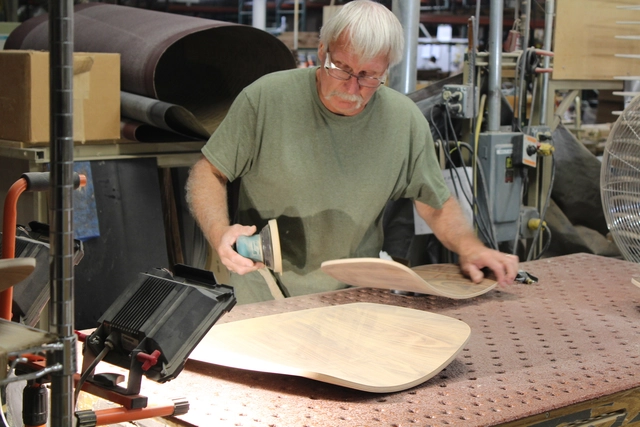
What is the manufacturing process of a chair like?

Our partners at Herman Miller opened the doors of their factories and offices in Michigan, United States, to show us the complex yet efficient design and manufacturing process of their various furniture pieces and products. During a three-day tour, we saw that their production involves a high level of detail and craftsmanship, where the experience and skill of their workers are essential.

The Importance of Craftsmanship in Industrial Production: Visiting Herman Miller's Factories in Michigan - Image 1 of 4The Importance of Craftsmanship in Industrial Production: Visiting Herman Miller's Factories in Michigan - Image 2 of 4The Importance of Craftsmanship in Industrial Production: Visiting Herman Miller's Factories in Michigan - Image 3 of 4The Importance of Craftsmanship in Industrial Production: Visiting Herman Miller's Factories in Michigan - Image 4 of 4The Importance of Craftsmanship in Industrial Production: Visiting Herman Miller's Factories in Michigan - More Images+ 17

Coderch's Vallet House remains at risk of demolition due to a lack of heritage protection.

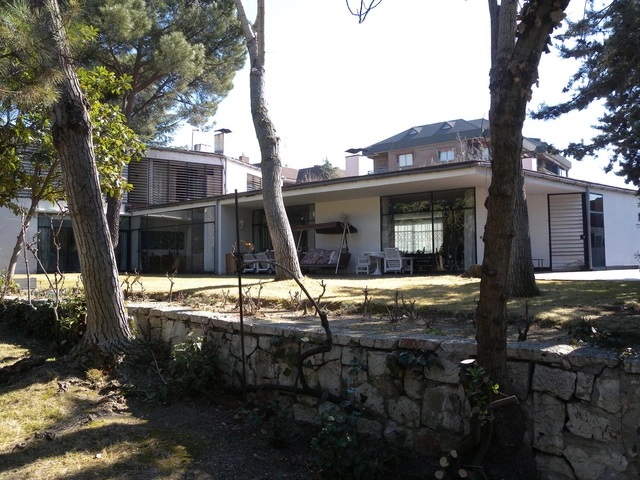
The tragic end in early 2017 of the Guzmán House, designed by architect Alejandro de la Sota, seems poised to repeat itself—this time with the Vallet de Goytisolo House, one of three works built in the capital by José Antonio Coderch (1913-1984), a prominent 20th-century Spanish architect, and his partner Manuel Valls.

According to the newspaper El Mundo, the General Directorate of Cultural Heritage of the Community of Madrid has issued a report rejecting the designation of this example of modern residential architecture—located at 5 Belisana Street in Madrid's Ciudad Lineal district—as a heritage site.

Inequality is ELEMENTAL: Ideological Conjectures for a Critique of Quinta Monroy

Subscriber Access | 

Here, the ARKRIT Collective presents three hypotheses that stabilize and support the potential liberal logic behind the Quinta Monroy project by the firm ELEMENTAL, in light of the current reality of this social housing complex fifteen years after its construction—a reality that begs the question: did this project succeed in addressing inequality in Chile?

Free Border: Artistic Intervention in São Paulo's Subway Addresses the Theme of Immigration

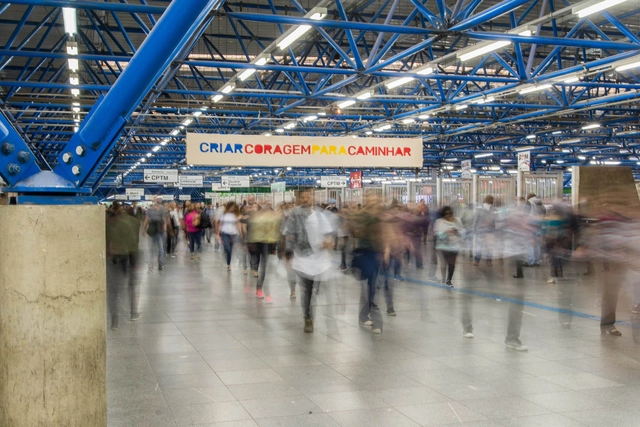
Fronteira Livre was a process that generated interventions in six stations of the São Paulo Metro Red Line for the 11th Architecture Biennial: Em Projeto. The initiative was collaboratively developed by immigrants, activists, architects, social workers, and artists during a ten-day immersive workshop at CAMI (Immigrant Support Center) in São Paulo.

Why is Santiago's Forestal Park important?

Subscriber Access | 

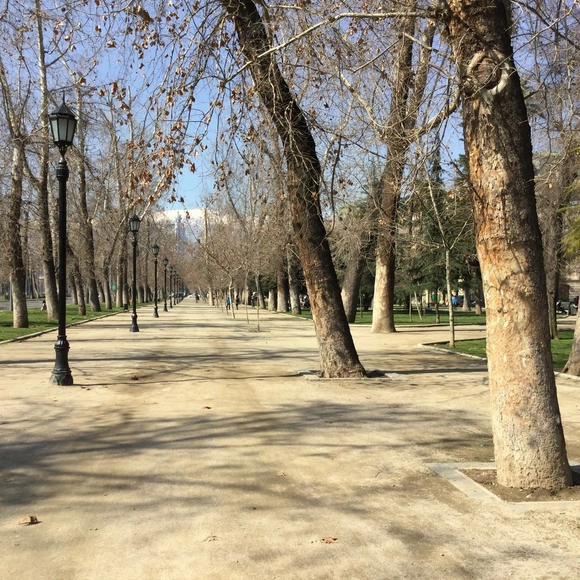
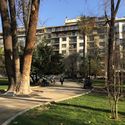
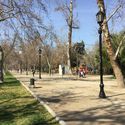
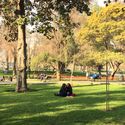
Established in 1900 following a 19-hectare afforestation effort spearheaded by the Ministry of Public Works and the Intendency of Santiago, Parque Forestal is located on the northern edge of the city's historic center, making it one of Santiago's first linear parks.

Designed by French landscape architect George Dubois, the project revitalized the surrounding urban edges, successfully integrating the Mapocho River and its previously chaotic banks, while providing the city with a new green lung for urban recreation.

Why is Santiago's Forestal Park important? - Image 1 of 4Why is Santiago's Forestal Park important? - Image 2 of 4Why is Santiago's Forestal Park important? - Image 3 of 4Why is Santiago's Forestal Park important? - Image 4 of 4Why is Santiago's Forestal Park important? - More Images+ 35

Brazilians develop a mini-hydroelectric plant that allows electricity generation at home

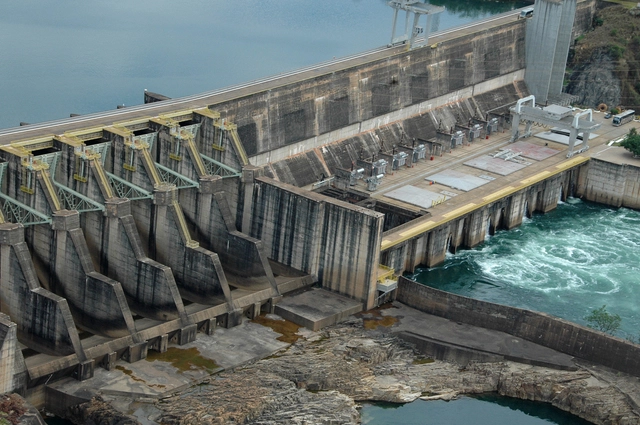
Two young entrepreneurs from Curitiba have developed a technological innovation that brings a long-held dream within reach for many Brazilians: owning a personal power plant. As reported by Tribuna do Paraná, mechanical engineers Felipe Wotecoski (31) and Juliano Rataiczyk (30) have created a device capable of generating electricity in a backyard with minimal environmental impact.

Similar in size to a four-burner stove, the micro-plant can generate up to 720 kilowatt-hours (kWh) per month—enough electricity to power three to four homes and feed the surplus back into the grid. According to the engineers, this output translates to savings of approximately R$ 500 per month on electricity bills.

Documentary "Sesc 24" presents the building's construction and urban changes in São Paulo

Subscriber Access | 

Opened in August 2017 and setting attendance records, Sesc 24 de Maio—the second-to-last branch of the network to open, succeeded by Sesc Avenida Paulista—was designed by Paulo Mendes da Rocha in partnership with the office MMBB Arquitetos, who retrofitted a former department store, remodeling its interior spaces within the existing structure and creating a new central structure to support the rooftop swimming pool.

Alvaro Siza: 'The Draftsman of Dreams'

Subscriber Access | 

From the Fundación Arquia Blog, architect Raúl García García invites us to explore the creative process of Álvaro Siza—one of the leading figures of 20th and early 21st-century architecture—through his sketches.

Global Call: Outstanding Student Build Projects

Subscriber Access | 

As the annual graduation season arrives worldwide, we recognize that among the various ways to learn architecture, nothing is more direct than a hands-on design-build project. It offers a firsthand look at how different materials form structures, how those structures respond to compression and tension, and how the process of construction shapes the final outcome. In recent years, architecture schools have increasingly embraced opportunities for students to build, producing work that ranges from small-scale temporary interventions and pavilions to permanent structures, each with its own unique character.

To demonstrate that exceptional architecture can emerge from an educational environment, ArchDaily has issued an open call for student work for four consecutive years, inviting submissions of student-built projects completed over the past year. ArchDaily’s four localized platforms—English, Chinese, Spanish, and Portuguese—are now accepting submissions for our fourth annual selection of the "Best Student Design-Build Projects," which will be featured and shared with our global audience.

No to the End of the Ministry of Cities: Architects Launch Online Petition

Subscriber Access | 

Following the election, the new government has already begun to announce several changes to its ministries. Among these is the elimination of the Ministry of Cities. In an effort to prompt discussion and prevent this dissolution, a petition has been organized and can be signed here.

IAB 75 Years: Historical Records to Reflect on the Future of the Institution

Subscriber Access | 

The IAB played a key initial role in consolidating the profession of architects and urban planners as an autonomous activity from engineering back in the 1940s and 1950s. It was organized as a representative institution, a voluntary association of architects, and a platform for the field's public policies. This applied both to guiding legitimate practices concerning the built environment, the landscape, and the city, and to educating both architects and society about an activity so fundamental to citizenship. Action across these diverse areas began with support for the regulation of architecture as a profession in Brazil (the creation of Crea/Confea in 1933), followed by the organization of the 1945 congress, and, in the case of São Paulo, support for the founding of the Faculty of Architecture and Urban Planning of the University of São Paulo (FAUUSP) in 1948.

Google launches a tool that calculates the carbon footprint of cities

Google has launched the Environmental Insights Explorer tool to provide users with access to data and technology that can contribute to the transition toward a lower-carbon world. The information is primarily based on data already available on Google Maps.

The goal is to enable cities worldwide to calculate their greenhouse gas (GHG) inventories to facilitate climate action planning. “The inventory can help prioritize investments in the areas of greatest impact, as it highlights key emission sources or hotspots and can be used as a baseline to measure progress,” the company states on the tool's website.

"Arquitetura Paulistana" Releases Videos of Visits to Contemporary Works in São Paulo

Subscriber Access | 

The open course Arquitetura Paulistana, organized by Estúdio Artigas, offers guided tours of prominent contemporary projects in São Paulo. Accompanied by the architects behind the designs, participants gain insight into each work through the eyes of those who conceived them.

"Arquitetura Paulistana" Releases Videos of Visits to Contemporary Works in São Paulo - Image 3 of 4

Fewer than 40% of Brazilian municipalities have a housing plan, says IBGE

The Brazilian Institute of Geography and Statistics (IBGE) released last week the 2017 edition of the Profile of Brazilian Municipalities (Munic). According to the document, fewer than half of Brazilian cities have structured planning for housing. The report points out that last year, of the country's 5,570 municipalities, 59.6% had some type of housing-directed initiative, but only 39.7% had a Municipal Housing Plan.

[In]visible Cities: Meet the winners and honorable mentions of this competition proposing social housing for Lima

One way to make cities visible is by intervening in forgotten or peripheral areas, as well as by addressing basic needs, bringing them to light and raising an urgent call to action. A few months ago we announced the call for entries for this competition, and today it surprises us with the variety of responses. It is also interesting to see how participants from other countries view our context and what they propose; this is a great contribution, expanding the possibilities for multi-perspective interventions in building projects with and for society.

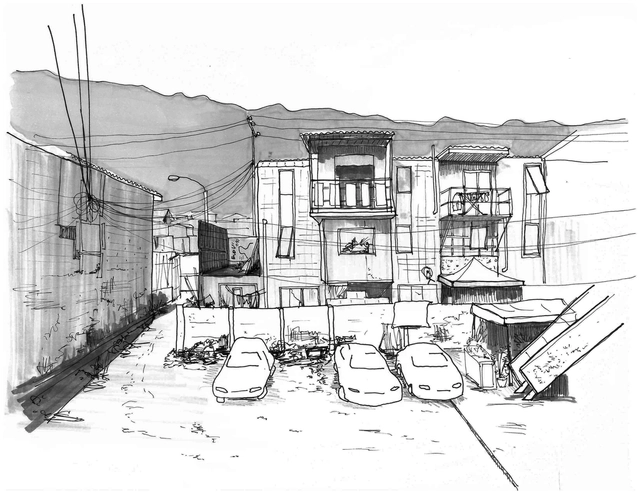
CIUDADES [en] VISIBLE is a competition that invited architects and engineers, whether students or professionals, to design in agreement with the beneficiary families: the Salazar, Acarraz, Teccse, Huamán, and López families. Five families, five homes. Housing is itself a basic need, making this competition both a city laboratory in search of alternative solutions for planned housing construction in a country like Peru, where nearly 70% of homes are self-built. The site of intervention is the 3 de Diciembre Community, located south of the city of Lima, in the District of Lurín.

Behind this initiative is the organization MUTUO, which seeks to positively impact the self-built housing situation in Peru by collectively engaging the architectural community in the issue. Additionally, it aims to provide citizens with a tool that encourages environmental awareness and active involvement in creating change to improve living conditions for disadvantaged sectors. The call for entries received 108 proposals, including many international submissions. After a thorough analysis, three winning proposals and five honorable mentions were selected.

You've started following your first account!

Did you know?

You'll now receive updates based on what you follow! Personalize your stream and start following your favorite authors, offices and users.