Recent environmental pollution incidents in the Chilean cities of Quintero and Puchuncaví have reignited the debate surrounding the health impacts on residents of so-called sacrifice zones. Last August, the Chilean newspaper La Tercera reported that these cities on Quintero Bay coexist with "15 major energy, chemical, and fuel companies," including a smelter, a natural gas plant, and four thermoelectric power plants.
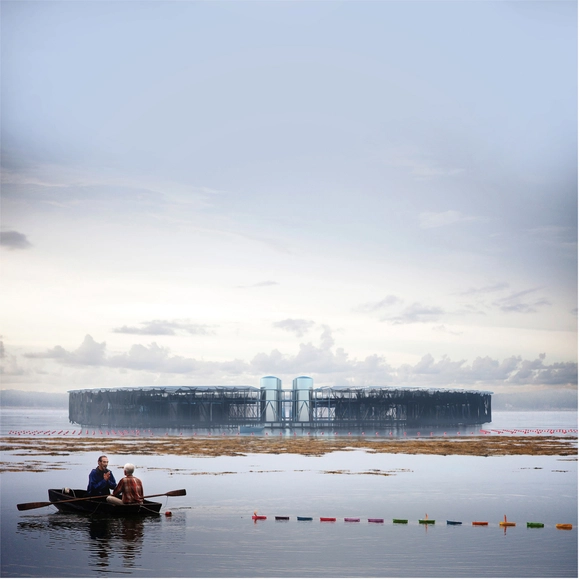
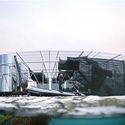
In response, Chilean architect Leonardo Quinteros has developed "Marine Forest" as his thesis project. The proposal features a decontamination platform designed to bioremediate the bay using cultivated brown algae, drawing on research into methods for extracting and absorbing heavy metals to demonstrate the species' potential as a marine bioremediator.
Quinteros—winner of the 2015 CNPP and currently designing the new Providencia Municipal Building in Santiago alongside Tomás Villalón and Nicolás Norero—based his project on a decontamination plan known as FIC Algas. Developed by the Faculty of Ecology at Andrés Bello University (UNAB) in collaboration with the Regional Government of Valparaíso, FIC Algas
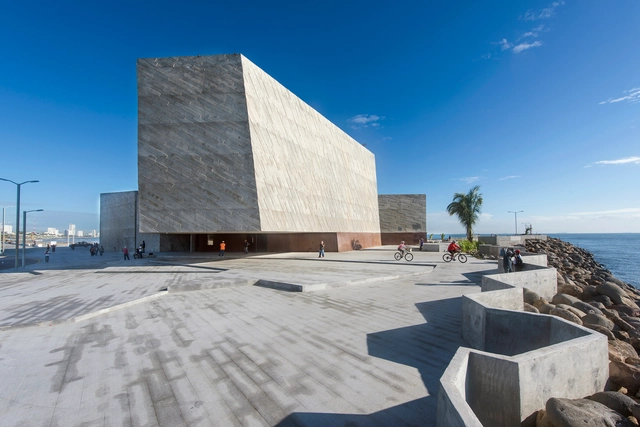
The year 2018 has been filled with achievements and surprises for the architectural community. As the year draws to a close, we reflect on the crucial role competitions play in reinforcing the global image of each region or country. Mexico was no exception, securing nearly 18 international recognitions (including grants, competitions, nominations, etc.) that showcased its key interests and goals for the coming years to the rest of the world. This selection highlights the prominent participation of Mexican architects Frida Escobedo and Rozana Montiel—both invited and recognized on multiple occasions at some of the industry's most prestigious events—as well as outstanding projects like the Teopanzolco Cultural Center by Isaac Broid + Productora, which received several national and international awards.
On Friday, November 17, 2017, in the presence of Felipe Jesús Gutiérrez Gutiérrez, Secretary of Urban Development and Housing, and Xóchitl Gálvez Ruiz, head of the Miguel Hidalgo borough, Mayor Miguel Ángel Mancera inaugurated the Cuernavaca Railroad Linear Park by Gaeta-Springall Arquitectos, which will provide public space for residents and visitors in the Ampliación Granada, Cuauhtémoc Pensil, Modelo Pensil, Dos Lagos, and Granada neighborhoods.
A proposal to include financing for properties built using bioconstruction techniques is awaiting the appointment of a rapporteur in the Environment Committee. The bill was introduced by Senator Randolfe Rodrigues (Rede-AP) at the request of movements advocating for affordable and sustainable social housing. The goal is to make this financing available through the Minha Casa Minha Vida program.
Daniel Libeskind will visit Chile this coming December, following an invitation extended by Mauricio Soria, the mayor of Iquique, and approved by the Chilean city's municipal council. However, the decision has drawn coverage from local media due to opposition from council members who voted against the initiative, primarily over the budget: 75 million Chilean pesos (around $110,000), which includes a "city visit, site visit, public lecture, and a preliminary draft or conceptual proposal," as highlighted on Twitter by council member Felipe Arenas, one of the dissenting voices in the municipal vote.
Although the announcement was shared by the mayor's office on Twitter on November 8, efforts to bring Libeskind to the country began exactly a year ago when the architect visited Chile to give a lecture at ENMATERIA's International Architecture and Materials Encounter. During that visit, the American architect met for the first time with Soria and his technical team in Santiago.
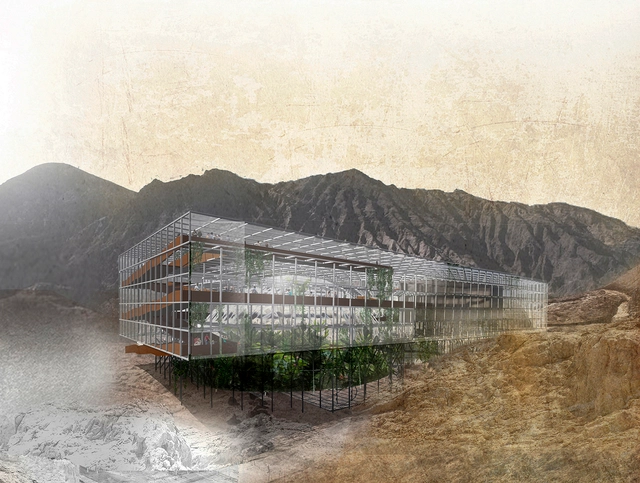
Máquina Fitorremediadora de Relave Minero. Image Cortesia de Concurso CAP 2018
With the proposal 'Mining Tailings Phytoremediation Machine', the Chilean team won first place in the 11th Alacero Steel Design Competition for Architecture Students 2018 in Colombia.
The team, composed of students from Universidad Finis Terrae—Diego Concha, Tomás Aguirre, and Trinidad Hermosilla—presented a project that aims to "recover and reuse mining waste by utilizing plants with high tolerance to minerals to reduce and mitigate the site's environmental risks," as explained by the authors in the project description. The team was advised by professors Andrés Echeverría and Cristián Lecaros.
Originally titled "La casa existencial, comportamientos "anti-urbanos" en la ciudad de Loja" (The Existential House: "Anti-Urban" Behaviors in the City of Loja), Ecuadorian architect David Medina Jiménez conducted this research in 2015 to obtain a degree at the Universidad Técnica Particular de Loja.
As noted by the Colegio de Arquitectos del Ecuador Pichincha on its blog, Medina Jiménez's thesis "explores the importance of 'consciousness' from an existentialist perspective, and its relationship with architecture and the city. The author reaches bold conclusions by questioning an urban planning prejudice that most have taken for granted: the supposed need to densify cities at all costs."
What is architecture? A full answer will probably not be found in words—at least not in those shared here. Nevertheless, it is argued that what we call "architecture"—what we recognize as such—is immanent to self-awareness and consciousness [1] (and these, in turn, to unconsciousness, like light and shadow). The former, self-awareness, is knowledge of the self, of Dasein [2]; the latter, consciousness, is knowledge of the surrounding reality.
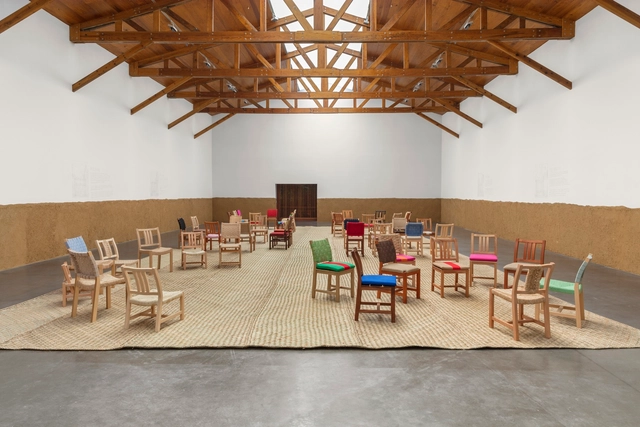
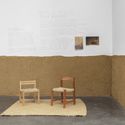
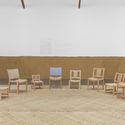
It is an honor to present the exhibition of architect and designer Oscar Hagerman, which highlights the significance of his theoretical, practical, and aesthetic contributions to creating designs rooted in everyday life. As one of the most prominent figures in participatory design and collaborative work with Indigenous communities, this exhibition highlights Hagerman's extensive social work in Mexico's rural communities and the mutual learning fostered through close cooperation with the groups he works with.
The exhibition features a selection of five designs with eight chair variations created throughout his career. Each represents the architect's creative reflections, showcasing his close relationship with artisans from different regions of the country. The result is an exhibition that condenses his learning into the simple form of the chair, a shape he considers the most humble in architecture.
https://www.archdaily.com/1114881/oscar-hagerman-presents-50-years-of-ergonomic-studies-in-mexicoArchDaily Team
RSAA/Büro Ziyu Zhuang has recently unveiled the design for the "Chengdu Linpan Resort" in Chongzhou, a county-level city under the administration of Chengdu. Boasting a rich history and deep cultural heritage, the region has inspired the works of renowned literary figures like Lu You, Du Fu, and Wang Bo, while preserving the ancient style, charm, and heritage of western Sichuan. RSAA/Büro Ziyu Zhuang's design integrates the historical residential spatial form of western Sichuan with local climatic conditions, cultural characteristics, and regional living habits. The project aims to overlay and reorganize the traditional Linpan prototype with the shifting perspective of Chinese scroll painting. This spatial synthesis creates richer spatial variations and narrative possibilities for both the interior and exterior experiences. The project is currently under construction.
From the Fundación Arquia Blog, architect Miren León, a specialist in sustainable design and energy efficiency, brings us an article calling for the reuse of construction materials through "upcycling," a method that helps reduce waste and mitigate the life-cycle impact of buildings.
Although many may have forgotten it today, RE-using is second nature to us. We have all reused shoeboxes, cans, or jars for a purpose different from their original intent: from "creating" new toys or decorative objects to storing marbles or childhood treasures. Since we have all done this on a small scale, why is it so difficult to do it on an urban scale?
Applications are now open for the 2018 social housing public call from CAU/GO . Projects for housing for families with incomes of up to three minimum wages can be submitted until June 29.
Across the country, in addition to the housing deficit, there is a high rate of substandard housing. For this reason, the public call supports both new construction and renovation projects.
In addition to the national pavilion, Mexico will have a presence in the main exhibition with the participation of Rozana Montiel (Rozana Montiel Estudio de Arquitectura) as one of the 71 participants invited by the artistic directors.
In this interview, the Mexican architect shares what her participation in the exhibition will entail, the overall outlook of Mexico's presence in alignment with the 'Freespace' theme, and how her career and recent projects inform and influence the piece that will be presented from May 26 to November 25, 2018, at the Venetian Arsenale.
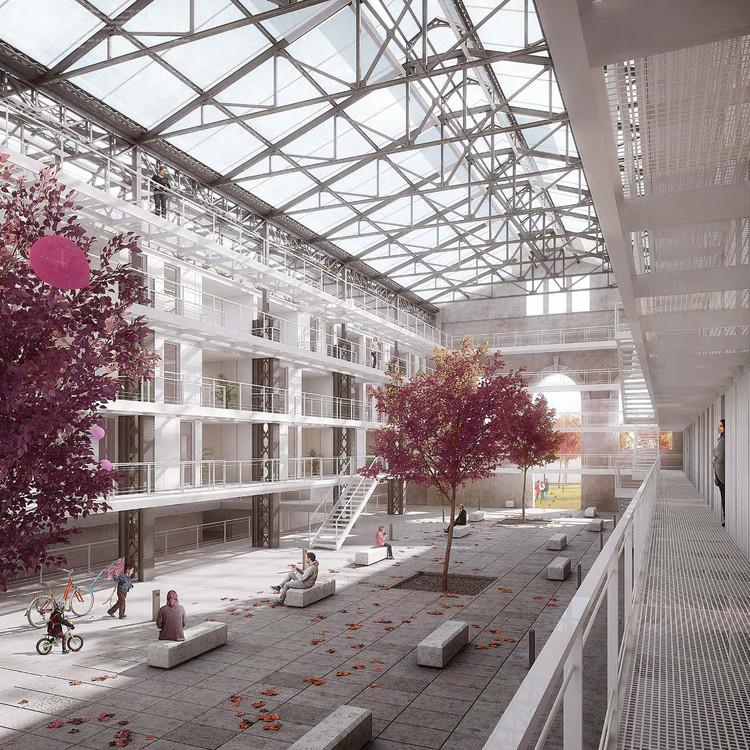
Spanish firm Ecosistema Urbano has presented details of Febres Cordero, one of the first projects in Cuenca, Ecuador, to emerge from the Cuenca RED initiative. This iconic, historic building, which served as a school for decades, is being transformed into a mixed-use development that will serve as a benchmark for economic, environmental, and social sustainability in the city.
Developed under the ICES (Emerging and Sustainable Cities Initiative) program of the Inter-American Development Bank, in collaboration with the Municipality of Cuenca, Cuenca RED is an initiative for which Ecosistema Urbano has proposed programs and activities to establish a new network of reactivated public spaces within the historic center of the city, a UNESCO World Heritage site since 1999.
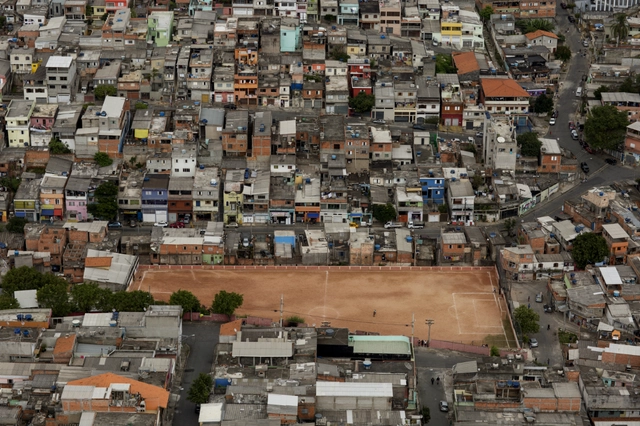
It was a city of untamed rivers: they seasonally burst their banks, shaping fertile, humid floodplains. When the waters receded, the ground became firm enough for a ball to roll and feet to run after it. It was in a São Paulo without rivers buried under sad slabs of concrete that futebol de várzea—floodplain football—emerged.
Tracing the history of várzea football in São Paulo means understanding how the city was built around imposing rivers like the Tietê. In the early 20th century, immigrant populations, Afro-Brazilians, and recently freed Black people occupied these territories, giving rise to neighborhoods like Barra Funda in the city's west zone. Far more than an amateur sport, it became established as a symbol of social organization and the struggle for the right to the city, at a time when space in the capital was beginning to be contested and feel the pressures of gentrification.
The arrival of BIM methodology is driving a paradigm shift in how different players in the global construction sector work and collaborate. In Spain, a growing number of companies are using and beginning to benefit from this digital modeling tool. However, much work remains, and the full implementation of this new workflow will require periods of adaptation and assimilation for both the public administration and the private sector.
A few weeks ago, Ana Rojo, General Director of Production and Engineering at Ineco, announced that public building projects in Spain would be required to use BIM methodology by the end of 2018.
https://www.archdaily.com/1114905/bim-implementation-in-spains-public-sector-will-be-gradual-states-cscaeJavier García Librero
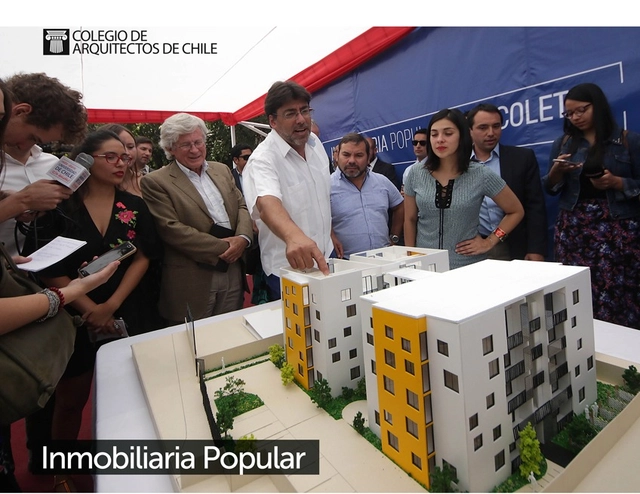
Today, Friday, April 13, starting at 10:00 AM (GMT -3) in Santiago, Chile, the mayor of Recoleta, Daniel Jadue, and 2002 National Architecture Award winner Juan Sabbagh will present the municipal Inmobiliaria Popular (Public Housing) project at the national headquarters of the Architects' Association (Colegio de Arquitectos).
Unveiled in late January of this year, the initiative—unprecedented in Chile—consists of the construction of two five-story buildings with a total of 38 apartments, each measuring 55 square meters, to be rented to vulnerable families in the municipality. Other municipalities in the Chilean capital—Renca, Macul and Las Condes—have already announced they will study replicating the model.
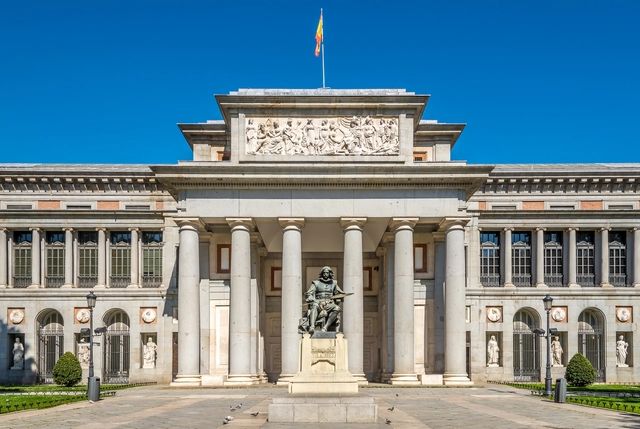
The Prado Museum is currently preparing the events to commemorate its bicentennial, which will officially begin on November 19, marking 199 years since its inauguration.
However, despite the celebratory atmosphere surrounding this major milestone, water flow and the water table beneath the foundations of this landmark building—designed by architect Juan de Villanueva and recently expanded by Navarrese architect Rafael Moneo—are a source of concern. In 2014, these issues had already caused leaks, cracks, and dampness.
https://www.archdaily.com/1114903/water-the-invisible-threat-to-the-prado-museumJavier García Librero
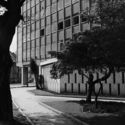
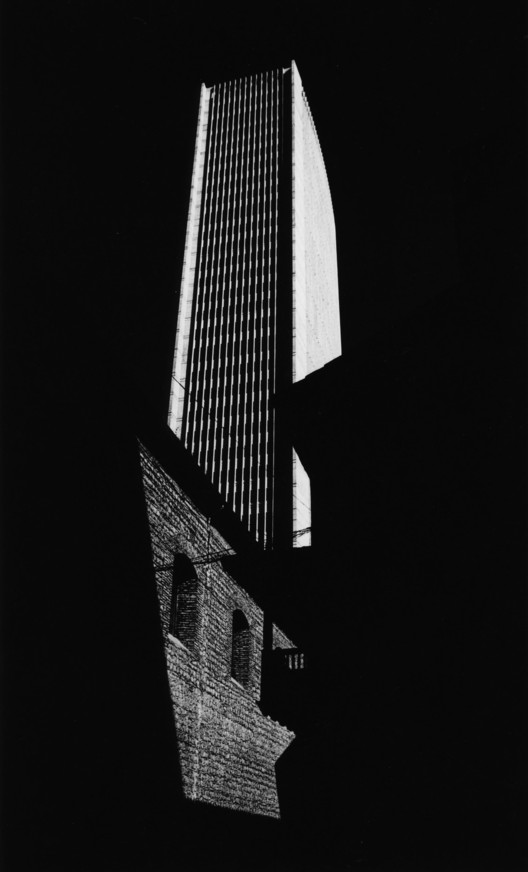
The modernization of Bogotá between 1940 and 1970, captured in urban and architectural photographic reportages, has been documented in various books, magazines, and photobooks of the era, as well as in images from the city's public and private archives. These photographs reveal a deliberate, even critical, approach to how modern architecture reconfigured city centers and put new buildings and urban spaces in relation to the existing urban landscape.
When analyzing the impact of photography on architecture, it is essential to discuss Paul Beer and Germán Téllez. While both captured a wide spectrum of subjects, these two photographers dedicated themselves more specifically to architectural photography. Commissioned by the most prestigious architectural firms of the era, their photographs reveal distinct yet complementary values, relationships, and aspects of modern architecture and the city.
Projects from Uruguay, Argentina, Chile, and Brazil have been selected as winners of the 2018 CICOP Chile Award. This is the fourth national—and second international—edition of the Latin American competition open to graduation projects that develop interventions on buildings, built complexes, or areas of heritage value.
"Acting with sensitivity and technical expertise regarding built heritage helps unite efforts toward conservation and reinforces the contribution that the professional field can make to transmitting heritage values to future generations," explained the organizers of the competition, which received 92 submissions in this edition.
The competition director was Nicolas Iza, while general coordination was led by Marco Antonio Orellana. The jury comprised Arturo López Bachiller and David Avila, representing the firm Luis Vidal + Arquitectos, along with María Inés Arribas, Mabel Briceño, Antonino Pirozzi, and Carolina Vergara, representing CICOP Chile.
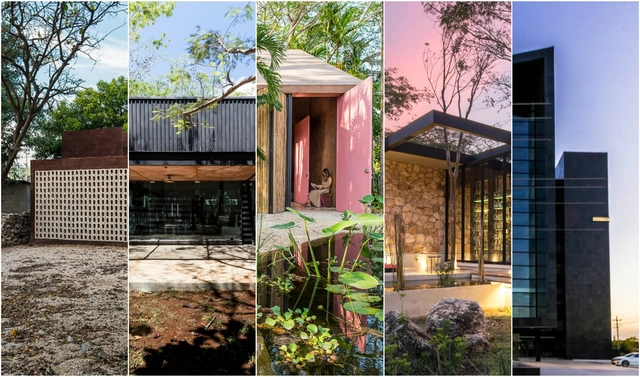
AS Arquitectura, Xavier Abreu Sacramento, Alejandra Abreu Sacramento, and Efraín Góngora First Place in Category and Grand Prize of the XII Yucatecan Architecture Biennial 2018 Casa del Árbol
As part of the events of the XXVI Colombian Biennial of Architecture and Urbanism, the winning projects and publications have been announced.
Divided into 8 categories, the 283 submitted projects were evaluated by an international jury comprising Iñaqui Carnicero (Spain), Alejandro Beals (Chile), and Fabián Farfán (Bolivia), alongside local architects Germán Fonseca, Julián Rincón, Sara Giraldo, and Diego Aguilera.
Access to open public spaces is important for increasing leisure-time physical activity in high-income countries, as studies show, but evidence remains limited in middle-income countries. Moreover, in countries like Brazil and Colombia, for instance, leisure-time physical activity is still lower than in high-income countries like the United States—a situation that has not changed in recent years.
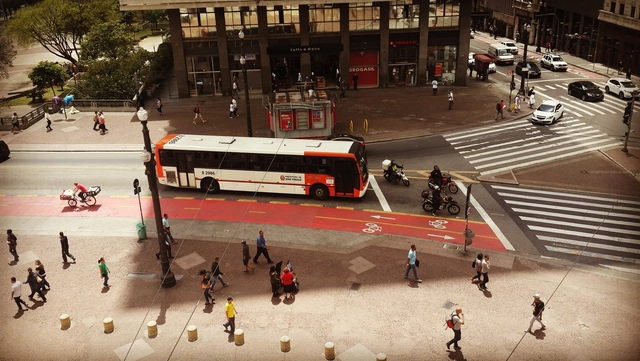
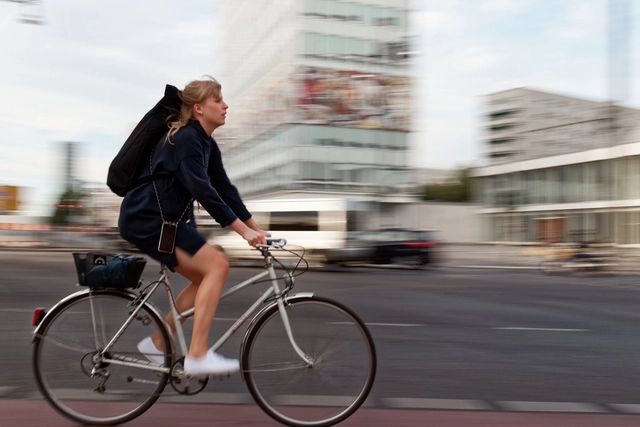
Celebrated globally every year, World Car-Free Day was established to encourage reflection on the excessive use of private cars for daily commutes and its environmental impact. The initiative encourages drivers to leave their vehicles behind for a day, improving air quality and urban life while promoting walking and non-polluting modes of transportation, such as cycling.
The event was officially launched in France in 1997 under the title "Car-Free Day," later spreading across Europe and, eventually, the world. Building on this momentum, European Mobility Week was launched in 2002, featuring an agenda dedicated to discussions and activities aimed at raising public awareness about the negative impacts of car dependency on air quality, the environment, human health, and cities. Urbanists and researchers such as Jane Jacobs, Jan Gehl, and Jeff Speck, among many others, have long demonstrated that the indiscriminate use of automobiles has severe consequences for urban environments.
Located in the heart of this neighborhood, at Marsella #59, Vitrina was born from the desire to create a design-focused exhibition space that goes beyond commercial interests. Inspired by the window displays of early 20th-century department stores, the space fosters a dialogue between designers, pedestrians, and the neighborhood, exploring recent trends in the design scene and how each creator expresses their vision.