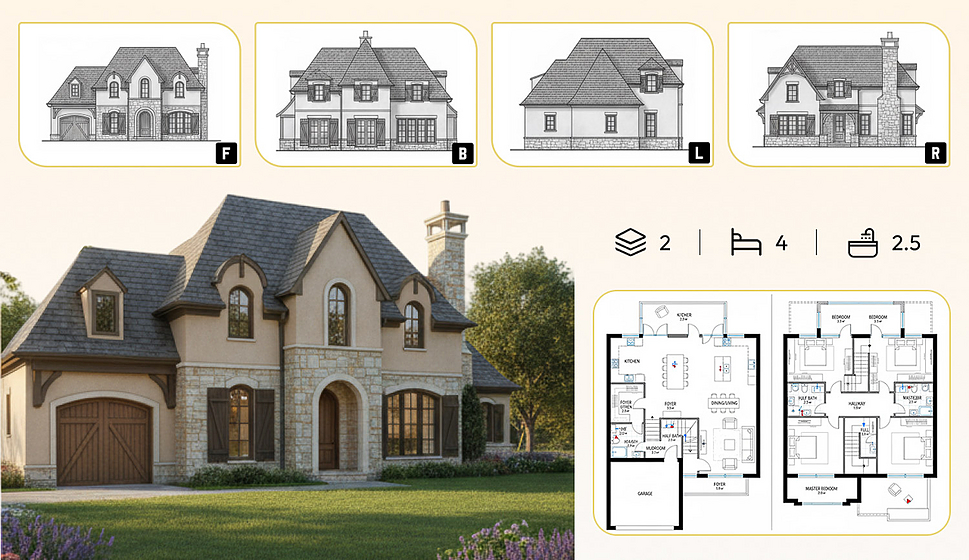
This guide covers a workflow that moves from project parameters to generated floor plans, 3D perspective views, exterior design exploration, and site context visualization, using AI tools in place of preliminary CAD and rendering work.
This guide covers a workflow that moves from project parameters to generated floor plans, 3D perspective views, exterior design exploration, and site context visualization, using AI tools in place of preliminary CAD and rendering work.
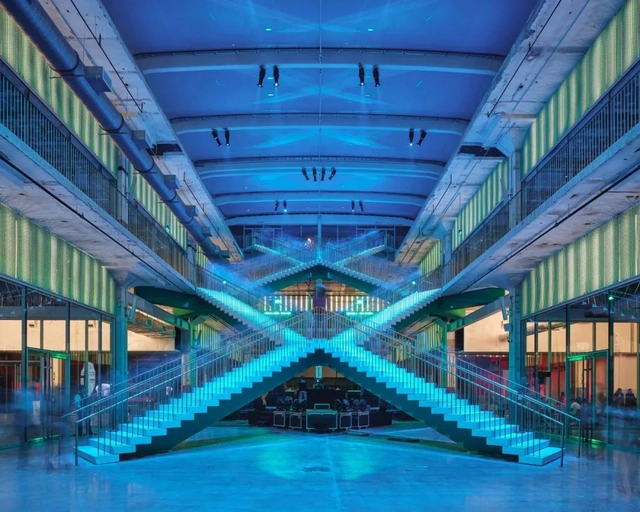
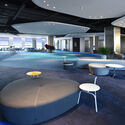
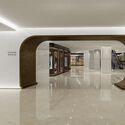
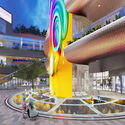
Against the backdrop of a global culture steeped in consumerism, every aspect of our lives is being consumed. As the physical medium of consumer behavior, commercial architecture is undeniably a vital link in this consumer society. "Insta-worthy" spaces—embodying trends, spectacle, and the culture of the gaze—are a direct manifestation of this influence. Yet, looking back at architectural history, we must also acknowledge that the rise of consumerism has largely driven architectural development. The influx of capital and the keen interest of real estate developers have, in some ways, granted architects more opportunities to realize their creative ideals within commercial projects.
Whether in cities or rural areas, "consumer architecture" functioning as public space often serves as the most prominent gathering point. To explore how to create comfortable, inviting commercial spaces, this article presents a curated collection of the best "consumer architecture" of 2021, offering design inspiration for your next project.
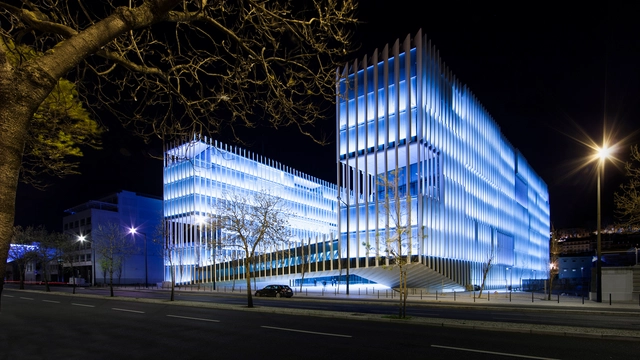
No País dos Arquitectos is a podcast created by Sara Nunes, who also runs the architectural film production company Building Pictures. The podcast aims to introduce the professionals, projects, and stories behind leading contemporary Portuguese architecture. With just over 10 million inhabitants, Portugal is a fascinating country when it comes to this professional field, and its architectural output far exceeds what its small population or territorial scale might suggest.
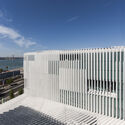
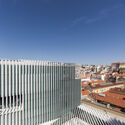
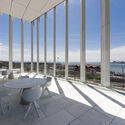
In this week's episode, which closes the second season of interviews, Sara talks with architect Manuel Aires Mateus about his design for the EDP Headquarters in Lisbon. Listen to the interview and read the transcript of the conversation below:
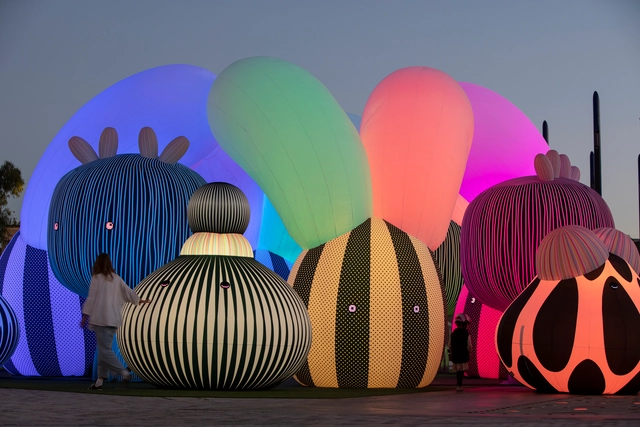
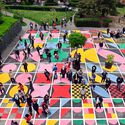
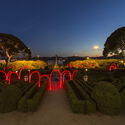
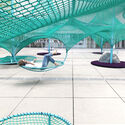
Architecture is a broad field offering diverse opportunities for practice. Increasingly, young architects are striving to carve out new paths and explore alternative professional domains. Ephemeral architecture, with its experimental and artistic nature, plays a significant role in this pursuit, prompting practitioners to observe and discuss urban, social, landscape, and environmental issues. Here, we present examples of temporary installations that highlight these concerns and transform their surroundings.
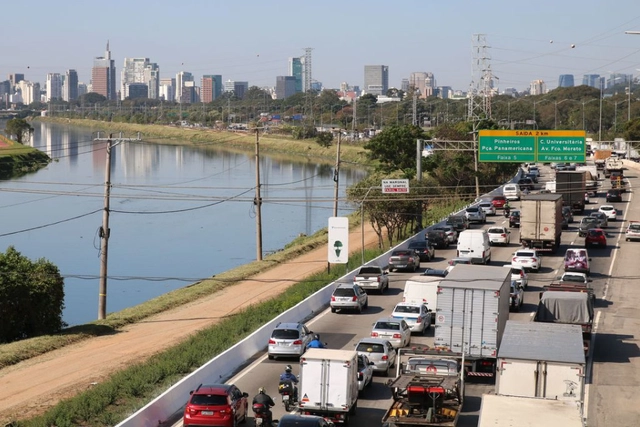
In the early twentieth century, artist Luigi Russolo presented his work “Dinamismo di une Automobile” (Dynamism of an Automobile), which depicted the power and force of automotive speed. Russolo was an enthusiast of the future and a leading voice of Futurism, an artistic avant-garde that celebrated technological development and innovation.
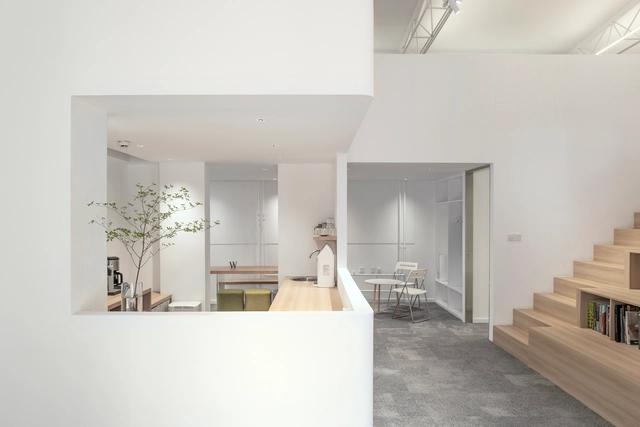
weico is a high-profile, emerging design practice founded by a group of highly experienced architects. Its scope of work encompasses architectural design, interior design, urban planning, project programming, and engineering consultancy, with a particular focus on the cross-disciplinary integration of design with technology, industry, economics, and the humanities. Led by principal architect Sun Wei (former partner of HENN China), weico, within less than a year of its inception, has secured and undertaken projects including the T3 Headquarters, Hengli International Headquarters, Hongqi High-End Customization Center, and the Phase II consultancy for the Hong Kong University of Science and Technology (Guangzhou). It has also been shortlisted for the CGN Scientific Research Base and the Bay Area University projects, garnering significant attention within the domestic industry.

The International Solicitation for the Urban Design of the Center Area of Western China (Chongqing) Science City has officially launched! We warmly invite outstanding design teams from around the world to participate.
International Solicitation for Urban Design of the Center Area of Western China (Chongqing) Science City is now open for pre-qualification! Design teams from home and abroad are welcome to participate.
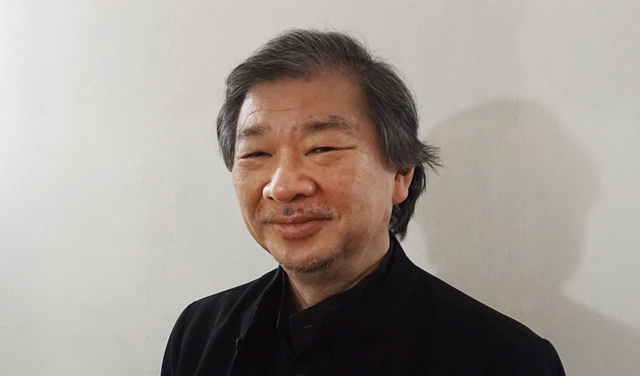
From September 21 to 25, the Mextrópoli Festival + the XII Ibero-American Biennial of Architecture and Urbanism took place in Mexico City. As part of the event, ArchDaily sat down with 2014 Pritzker Prize laureate Shigeru Ban to discuss the theme "Inhabiting at the Margins." This topic seeks to explore solutions addressing the growing social, environmental, and economic demands at the fringes of the architectural system.
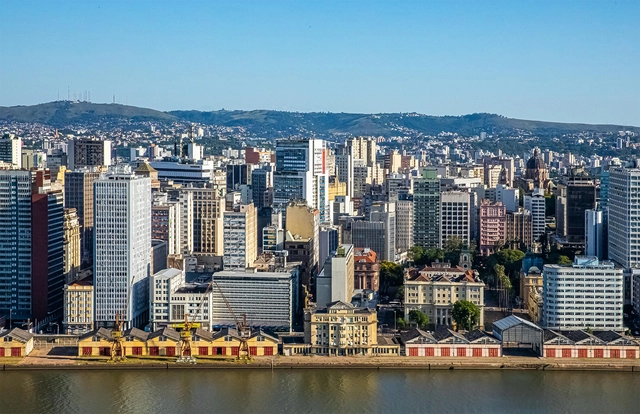
It is common to find the concept of Created Land (Solo Criado) in Master Plans (PD) and Land Subdivision, Use, and Occupation Laws (LPUOS). This concept enables the implementation of certain urban planning instruments, such as the Onerous Grant of the Right to Build (OODC) and the Transfer of Development Rights (TDR). But what exactly is Created Land?
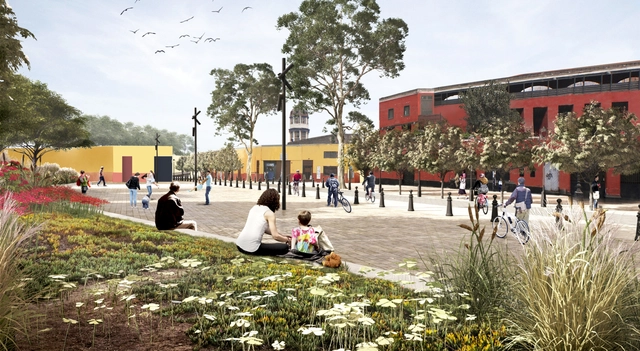
Within the context of the comprehensive recovery of the Historic Center of Lima, the Rímac River Special Landscape Project (PEPRR) is developing a proposal for the regeneration of the iconic Alameda and Plazuela de Acho. This project—together with the other 50 interventions proposed in the PEPRR master plan—aims to spark a multidimensional recovery of the riverfront and heritage environment, while simultaneously defending and strengthening the civic qualities of Lima's public spaces through a systemic approach that coordinates mobility, the urban environment, heritage, and landscape.
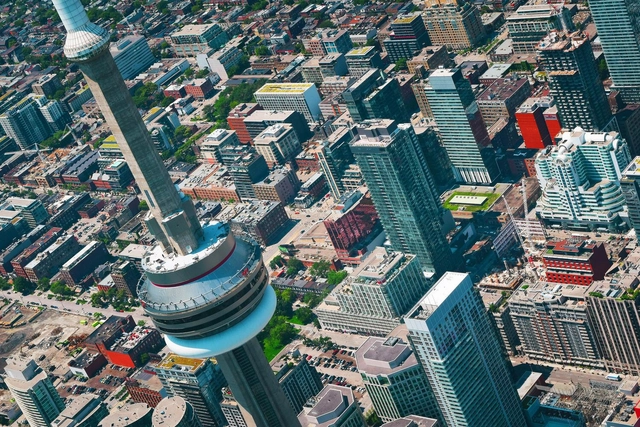
Brazil has steadily advanced the implementation of public-private partnership initiatives. The Radar PPP platform currently monitors more than 3,400 PPP and concession projects across various sectors, compared to just 625 in 2015. While public-private partnerships typically bring to mind PPP and concession contracts for public services, they are not limited to these models. A prime example is the Business Improvement District, or simply BID.
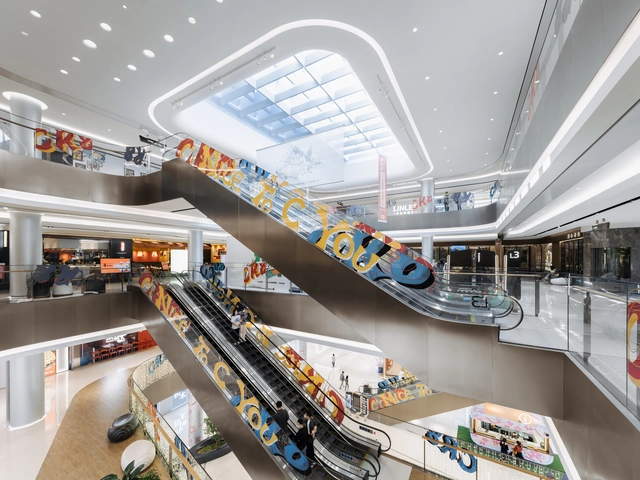
Featured Interviewee: Zhu Ping, Founder of DUStudio
Design Union Studio (DUStudio)’s approach lies in integrating resources across the entire design supply chain. Rather than merely delivering design expertise, the firm helps clients coordinate other disciplines to ensure that top-tier teams are engaged at every stage to realize the project's core concept—essentially designing with a client-side mindset. Fusing spatial design, commercial curation, and multimedia installations creates a closed-loop process. By connecting and seamlessly integrating every phase of design, they deliver the most successful projects.
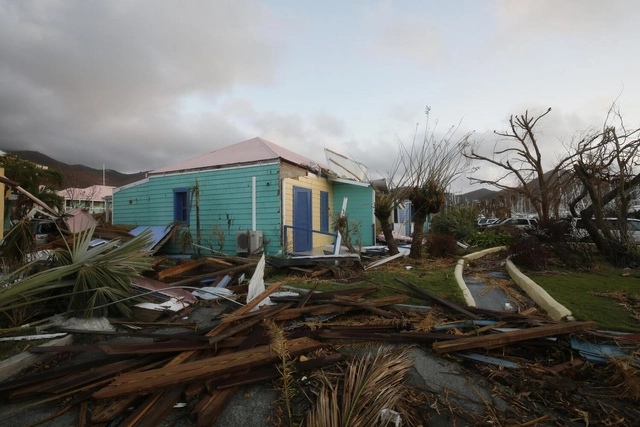
The planet is already 1.1°C warmer due to human-induced climate change, and millions of people are already facing the very real consequences of rising temperatures, sea level rise, more severe storms, and increasingly unpredictable rainfall. Rapidly reducing emissions is essential to limit temperature rise and ensure a safer future for everyone. Equally critical are investments to protect communities from the increasingly severe impacts that will continue to worsen over time.
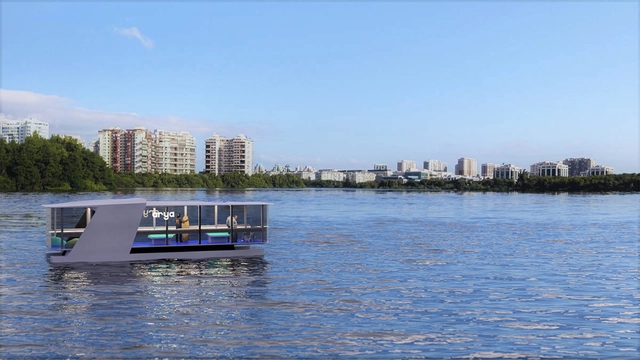
An eco-friendly autonomous vessel will begin transporting passengers through the waterways of Rio de Janeiro in December 2022. The new urban mobility project is the result of a partnership between travel platform Hotel Urbano – Hurb and TideWise, a Latin American autonomous boat company.
The new partnership will explore several of the city's water routes to connect tourist attractions and major hubs, such as Sugarloaf Mountain and downtown Rio, as well as the Península in Barra da Tijuca and the Jardim Oceânico subway station.
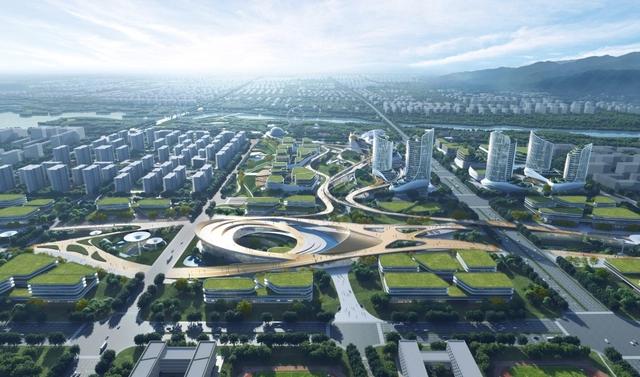
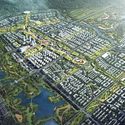
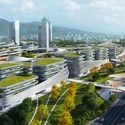
The International Competition for the Urban Design of the Core Area of Changping New Town East Zone was hosted by the People's Government of Changping District, Beijing, and the Beijing Municipal Commission of Planning and Natural Resources. Located on the east bank of the Dongsha River in Changping District, Beijing, the project encompasses a 9.1-square-kilometer planning study and ecological development plan, alongside a 1.5-square-kilometer urban design for the core area. Situated north of Beijing's city center, along the canal and at the foot of Mangshan Mountain, the East Zone of Changping New Town lies on a critical axis for northern Beijing's industrial expansion and ecological network integration. In addition to accommodating the specialized industrial clusters from southern Changping, the East Zone introduces the planning concept of "Green Spectrum," leveraging urban functions and spatial-environmental resources to maximize the synergy between ecological livability and industrial positioning.
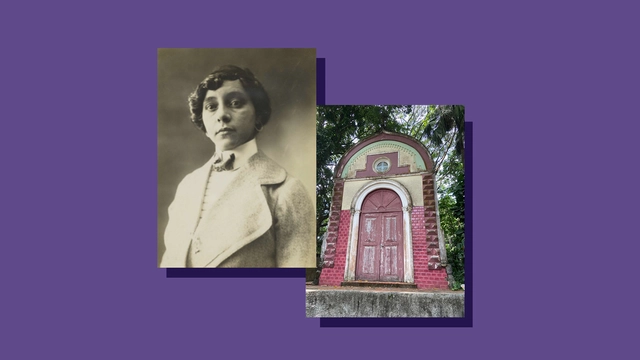
For decades, the history of Brazilian architecture has crowned male figures as its primary representatives. In recent years, however, we have seen a growing body of work dedicated to identifying female figures in this field. “Where are the women in the history of architecture in Brazil?” was, and still is, one of the questions most frequently encountered by architectural and urban historians. Often, the answer points to Lina Bo Bardi and Carmen Portinho—fundamental references, to be sure, but we might still wonder: how many other figures built their careers in this field?
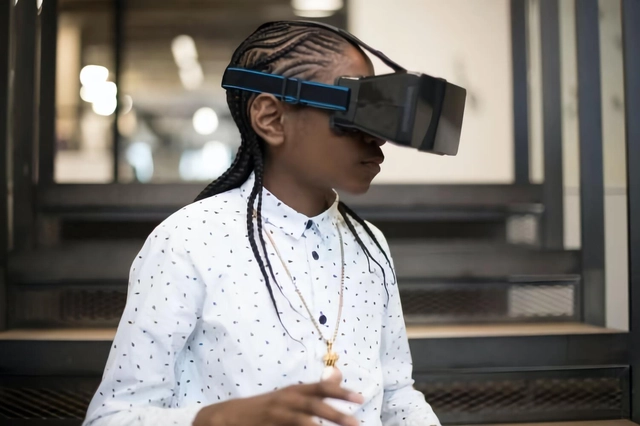
Ever since Meta CEO Mark Zuckerberg renamed his company and announced a larger investment in the so-called “metaverse,” searches for the term have surged considerably. And while it is not a new concept, the technological topics surrounding the subject have exploded in recent years.
Cryptocurrencies, NFTs, and the overall creation of a virtual economy help illustrate how the metaverse is cementing its place in our daily lives. Yet, the opportunities extend far beyond financial shifts: the metaverse is also proving to be an important space for engineers and architects alike.
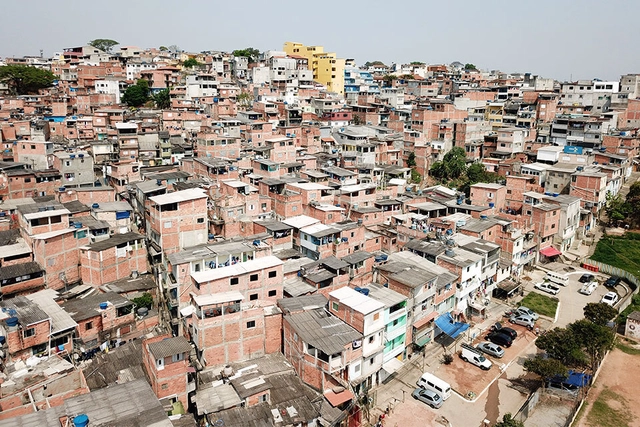
As one of the most prominent economic topics on the agenda in several countries before the onset of the coronavirus pandemic in early 2020, legislation restricting the supply of new real estate in municipalities has negative impacts on both local growth and the population, whose options for housing, job access, and mobility are severely affected. Adopted by most Brazilian cities, zoning regulations—which establish criteria for land use, the size of developments that can be built in specific locations, and environmental preservation zones—also drive up property prices, as housing supply fails to keep pace with demand.
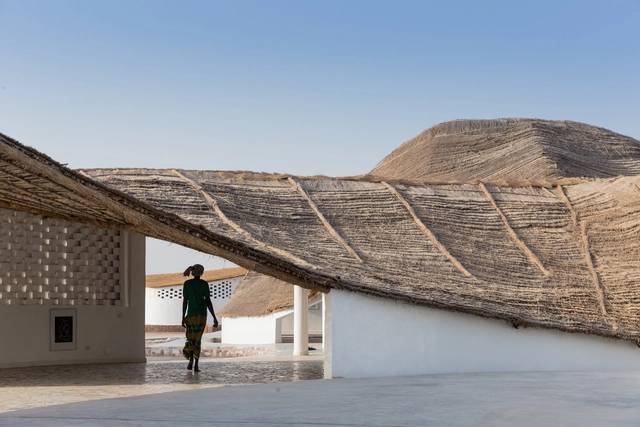
The FIFA World Cup is one of the world's largest events, bringing together fans of all nationalities. Having previously been hosted across various continents, this year's tournament will take place in Qatar, a country on the Arabian Peninsula with a population of about 2.7 million people, the majority of whom are Muslim. Alongside the host nation, 31 other countries will compete for the title of world champion.
Beyond its status as a sporting event, the World Cup is also an opportunity to observe, learn about, and experience other cultures—especially for the host country. Divided into eight different groups, the first to play, from Groups A and B, will be Qatar, Ecuador, England, Iran, Senegal, the Netherlands, the United States, and Wales. Below, explore some examples of architecture from these countries.
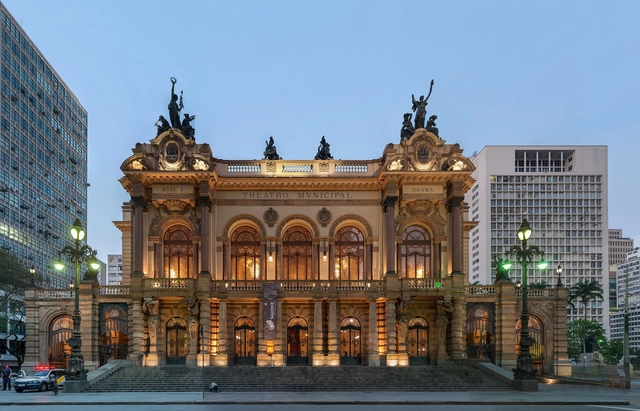
The centennial celebrations of the Modern Art Week have already begun. Over the past week, articles and press coverage on the subject have filled various media outlets. After all, one hundred years ago, a group of artists gathered in pursuit of an art that looked to the future and stood against the past, proposing a new way of exploring Brazilian identity in music, poetry, painting, and dance. To understand how the event shaped new directions in Brazilian culture and remains relevant today, we have compiled a guide to several spaces that celebrate the Week of '22!

Founded in 2013 in São Paulo, this young transdisciplinary practice focuses on architecture, urbanism, and fine arts. Influenced by visual arts, music, theater, and everyday urban life, the firm translates these lived experiences into projects across diverse scales, briefs, and contexts.
Named after a term with multiple meanings in Portuguese—in architecture, *vão* represents the void or span between structural elements, a space to be occupied and activated by social, political, artistic, and various other interactions—the firm was founded by Anna Juni, Enk te Winkel, and Gustavo Delonero. Throughout its nearly ten-year history, it has maintained a small team, alongside occasional collaborations with friends and colleagues on specific projects.

“Libros Model” is presented in Barcelona's Plaza Reial, hosted by its curator, Ethel Baraona. Joined by Santiago Bogani, they speak with curious visitors who stop to ask about the wooden wall and table filled with architectural publications.
The installation features a selection of 90 books from various international publishers promoting and disseminating work and ideas within the architectural field—inviting reflection on the central theme of the Model. Barcelona Architectures Festival: Re-Grow.
As part of “Libros Model,” a network of bookstores and libraries across Barcelona will also present special collections reflecting on the five themes of this inaugural edition of the festival: Between-Classes, Between-Cultures, Between-Species, Between-Generations, and Between-Materials.
From 'A Bestiary of the Anthropocene' to 'Icebergs, Zombies, and the Ultra-Thin', the complete selection of books curated by Baraona is presented below.
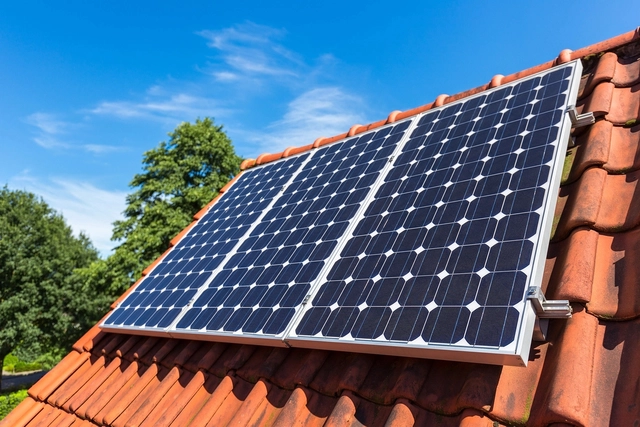
In January of this year, a legal framework for distributed micro- and minigeneration of energy was established under Law 14,300/2022. The text ensured that the sector's previous rules would be maintained until 2045 for existing solar installations and new customers within a 12-month window. Now, with only three months left in the year, the topic is back in the spotlight, as the deadline to secure benefits like exemptions from certain tariff components is fast approaching.
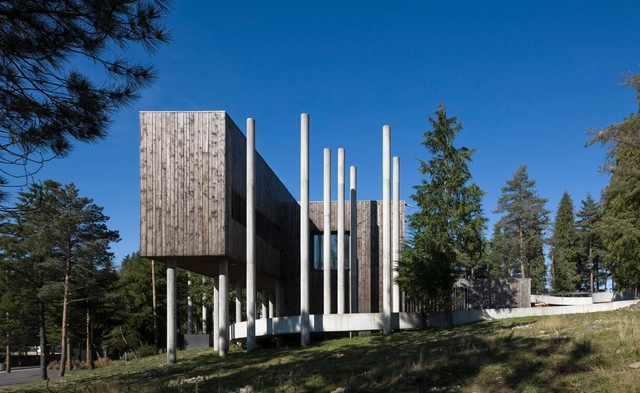
No País dos Arquitectos is a podcast created by Sara Nunes, who is also responsible for the architectural film production company Building Pictures. The podcast aims to introduce the professionals, projects, and stories behind Portugal's leading contemporary architecture. With just over 10 million inhabitants, Portugal is a highly compelling country when it comes to this professional field, boasting an architectural output that far exceeds its demographic or territorial scale.
In this episode of the fourth season, Sara talks with architects Filipa Guerreiro and Tiago Correia about the Environmental Education and Interpretation Center of the Corno de Bico Protected Landscape. Listen to the conversation and read part of the interview below.
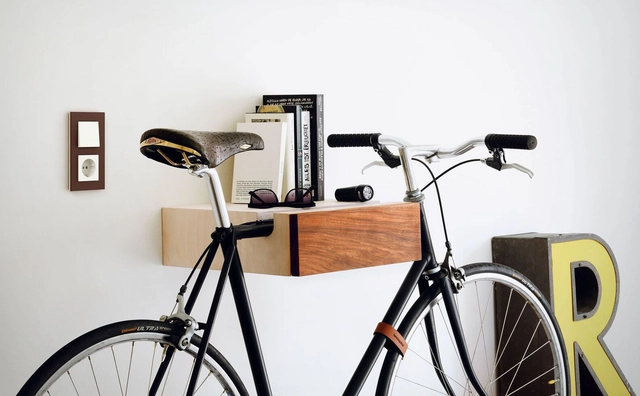
Turning a space's lights on or off is a routine part of daily life. This almost automatic action is made possible by a switch, a device designed to divert or interrupt the flow of electrical current. Given its essential role in everyday life, how can we combine a switch's functionality with aesthetic appeal?
Just as current design trends integrate exposed installations and services into interior design strategies, the new range of light switches combines functionality with an aesthetic diversity tailored to the personality of each space. Adapting to different styles relies on a combination of three factors: the choice of materials, colors, and formats. Below, we look at the available options using the GIRA catalog as a guide.