1. ArchDaily
  2. News

News

Ana Mello and Evelyn Müller talk about Conafarq - National Collective of Architectural Photographers

Subscriber Access | 

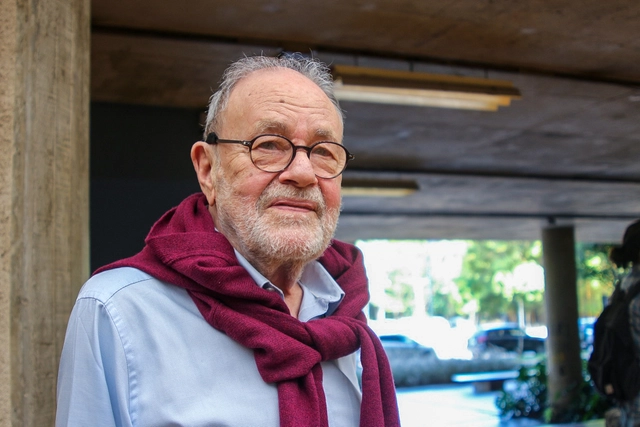
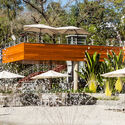
Photographers Ana Mello and Evelyn Müller were the guests on the latest episode of Betoneira, and the conversation revolved around the work of architectural and interior photographers, author attribution, and image ownership. Müller spoke about the inception of Conafarq (Coletivo Nacional de Fotógrafos de Arquitetura) during the pandemic, when many photographers were left without work for months. Although the market was at a standstill, photographers noticed that their pre-pandemic photos continued to be used by clients in various contexts—such as social media, emails, and other channels. Small groups began to mobilize to discuss the need for photographers to be compensated whenever their photos are used commercially.

Ana Mello and Evelyn Müller talk about Conafarq - National Collective of Architectural Photographers - Imagen 1 de 4Ana Mello and Evelyn Müller talk about Conafarq - National Collective of Architectural Photographers - Imagen 2 de 4Ana Mello and Evelyn Müller talk about Conafarq - National Collective of Architectural Photographers - Imagen 3 de 4Ana Mello and Evelyn Müller talk about Conafarq - National Collective of Architectural Photographers - Imagen 4 de 4Ana Mello and Evelyn Müller talk about Conafarq - National Collective of Architectural Photographers - More Images+ 1

Architecture as a Stage Where People Meet: Interview with Pitagoras Group

Subscriber Access | 

No País dos Arquitectos is a podcast created by Sara Nunes, who also runs the architectural film production company Building Pictures. The podcast aims to explore the professionals, projects, and stories behind leading contemporary Portuguese architecture. With just over 10 million inhabitants, Portugal is a fascinating country in this professional field, and its architectural output far exceeds what its population or territorial scale would suggest.

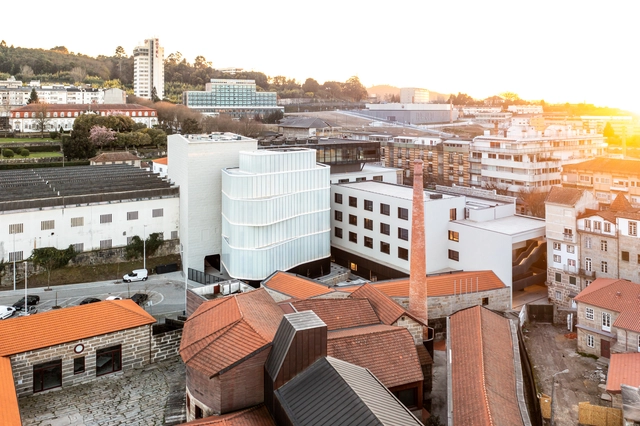
In this episode of the fourth season, Sara talks with Manuel Roque from Pitagoras Group about the rehabilitation of the former Teatro Jordão and Garagem Avenida building. Listen to the conversation and read an excerpt of the interview below.

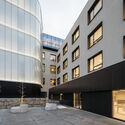
Architecture as a Stage Where People Meet: Interview with Pitagoras Group - 1 的图像 4Architecture as a Stage Where People Meet: Interview with Pitagoras Group - 2 的图像 4Architecture as a Stage Where People Meet: Interview with Pitagoras Group - 3 的图像 4Architecture as a Stage Where People Meet: Interview with Pitagoras Group - 4 的图像 4Architecture as a Stage Where People Meet: Interview with Pitagoras Group - More Images+ 7

"We are very proud of the democratization that the website promotes": Interview with the Editors of ArchDaily Brasil

Subscriber Access | 

The latest episode of Betoneira welcomed Romullo Baratto, Victor Delaqua, and Susanna Moreira, editors of ArchDaily Brasil, to discuss the platform's trajectory and the state of architectural communication. For all three, the main challenge lies in covering current events and urgent architectural issues at the speed of digital media, rather than the traditional pace of print. Staying attuned to this rapid flow is essential; over the last twelve years, since the launch of the Portuguese-language site, shifts in digital media have fundamentally reshaped how architecture is researched and published, alongside changes in lifestyle and consumption patterns.

"I am against the term Anthropocene. What is driving the world to final disaster is capital": Interview with Sérgio Ferro

Subscriber Access | 

Sérgio Ferro is a Brazilian architect, artist, historian, and architectural critic who, due to his political activism during the military dictatorship, was imprisoned and exiled to France in the 1970s. Throughout his career, he has observed and intervened in the production spaces of civil construction, developing a critique of the production of plastic arts and architecture based on the construction process and its agents: the construction site, technologies, materials, and the builder.

In a historical context dominated by Eurocentric and male references, Ferro, along with architects Rodrigo Lefèvre and Flávio Império, formed Arquitetura Nova, a group that proposed debates centered on architectural production, the social role of the architect, and the relations of production on the construction site, challenging hegemonic thinking and practices, whether in design practice or academia. Following his exile, unable to practice as an architect, he dedicated himself to teaching at the École Nationale Supérieure d'Architecture de Grenoble. 

Space in Comics: An Interview with Marília Marz

Subscriber Access | 

The work of Marília Marz uses cities as its source of inspiration and research. She began the conversation on Betoneira by sharing her experience with the Ciência sem Fronteiras (Science Without Borders) program, through which she went to the US to study architecture and ended up falling in love with comics. The artist dove headfirst into the graphic universe at the University of Oregon, where cartoonist Joe Sacco also graduated. Marília Marz pointed out that university placement in the program was somewhat random; not everyone was able to attend their institution of choice. She ended up at a university that was not among her top choices, but which happens to be one of the few schools offering a minor in comics.

Circadia: "Light in architecture must accompany us to promote physical and emotional balance"

Subscriber Access | 

The history of light has undergone various transformations over the centuries; its intrinsic relationship with architecture itself has sparked expressions and critiques that, beyond serving as a tool to illuminate the inhabited world, directly influence how we perceive it and how the built environment is produced. Every lighting project is directly tied to its own understanding of quality, class, interpretation, intention, and meaning. 

Real estate speculation and memory in Recife: a conversation about the film "Aquarius"

Subscriber Access | 

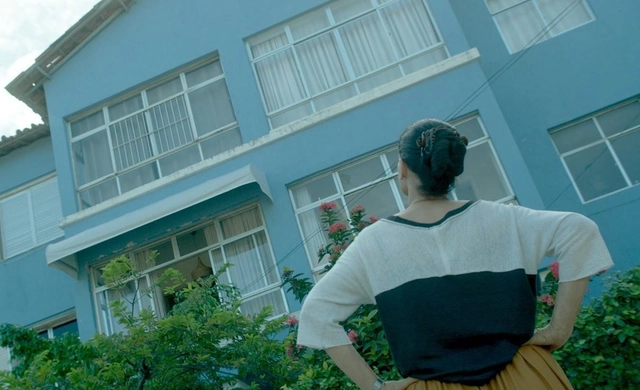
Set in Recife, specifically along Boa Viagem beach, Aquarius (2016) portrays a conflict experienced in many cities worldwide. Unfolding in parts, the film draws a parallel between the protagonist's personal struggles and her fight against a real estate developer seeking to acquire her apartment to make way for a new development.

“Houses Are Our Private Museums”: Interview with Marta Brandão and Mário Sousa

Subscriber Access | 

No País dos Arquitectos is a podcast created by Sara Nunes, who also heads the architectural film production company Building Pictures. The podcast aims to profile the professionals, projects, and stories behind contemporary Portuguese architecture. With just over 10 million inhabitants, Portugal is a fascinating country when it comes to this professional field, and its architectural output far exceeds what its small population and territorial scale might suggest.

In this episode of the fifth season, Sara talks with architects Marta Brandão and Mário Sousa about the Mima housing system. Listen to the conversation and read an excerpt of the interview below.

“Houses Are Our Private Museums”: Interview with Marta Brandão and Mário Sousa - Imagem 1 de 4“Houses Are Our Private Museums”: Interview with Marta Brandão and Mário Sousa - Imagem 2 de 4“Houses Are Our Private Museums”: Interview with Marta Brandão and Mário Sousa - Imagem 3 de 4“Houses Are Our Private Museums”: Interview with Marta Brandão and Mário Sousa - Imagem 4 de 4“Houses Are Our Private Museums”: Interview with Marta Brandão and Mário Sousa - More Images+ 5

Regional diversity and new practices in architecture awards in Brazil

Subscriber Access | 

In this episode, Arquicast talks with the jury of the 9th Tomie Ohtake Akzonobel Architecture Prize about the behind-the-scenes of this prominent national award and the criteria used to select the projects. The conversation also explores the profile of each jury member, highlighting how their individual perspectives shaped the identity of this year's edition.

"The practice of architecture cannot be selfish": interview with Tiago Rebelo de Andrade

Subscriber Access | 

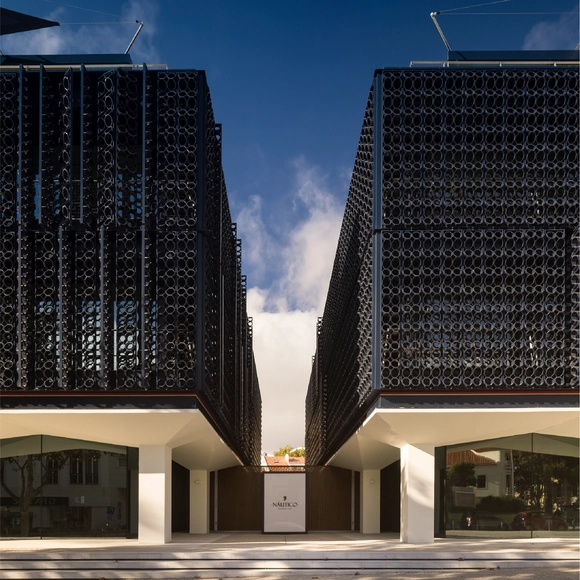
No País dos Arquitectos is a podcast created by Sara Nunes, who is also responsible for the architectural film production company Building Pictures. The podcast aims to get to know the professionals, projects, and stories behind leading contemporary Portuguese architecture. With just over 10 million inhabitants, Portugal is a fascinating country when it comes to this professional field, and its architectural output punches far above its weight relative to its population or territorial scale.

In this fifth-season episode, Sara talks with architect Tiago Rebelo de Andrade about the Náutico Building. Listen to the conversation and read part of the interview below.

"The practice of architecture cannot be selfish": interview with Tiago Rebelo de Andrade - Imagem 1 de 4"The practice of architecture cannot be selfish": interview with Tiago Rebelo de Andrade - Imagem 2 de 4"The practice of architecture cannot be selfish": interview with Tiago Rebelo de Andrade - Imagem 3 de 4"The practice of architecture cannot be selfish": interview with Tiago Rebelo de Andrade - Imagem 4 de 4The practice of architecture cannot be selfish: interview with Tiago Rebelo de Andrade - More Images+ 8

In Conversation with Agencia Social de Paisaje: The Deep Connection to the Landscape in Architecture

Subscriber Access | 

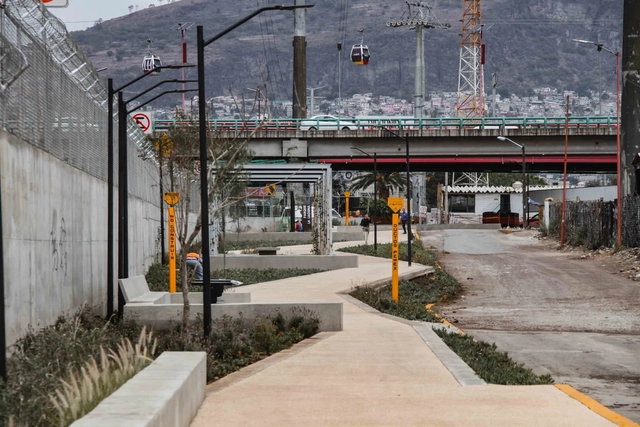
Agencia Social de Paisaje is a Mexico City-based practice driven by the conviction that landscape is a vital tool for designing new horizons. Drawing on logical and natural systems, they create coherent, functional, and holistic environments that foster a deep connection to place and its inhabitants. They are part of ArchDaily's Best New Practices of 2023.

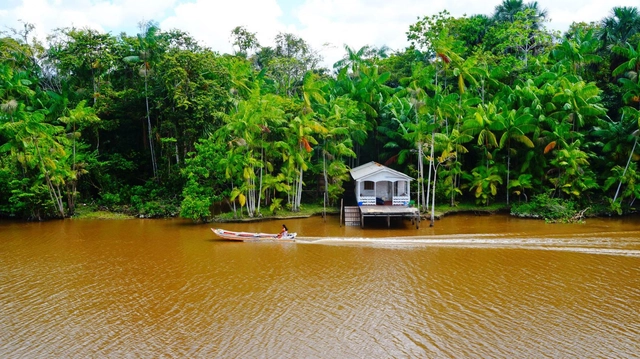
Forests on Indigenous lands are among the last carbon sinks in the Amazon.

Subscriber Access | 

Around the world, forests play a fundamental role in combating or helping to contain climate change. Standing, healthy forests sequester more carbon from the atmosphere than they emit, functioning as a carbon sink; conversely, degraded and deforested areas release their stored carbon back into the atmosphere, becoming a carbon source.

Arquitectas.mx: The platform seeking to empower, mobilize, and bring visibility to women in Mexican architecture

Subscriber Access | 

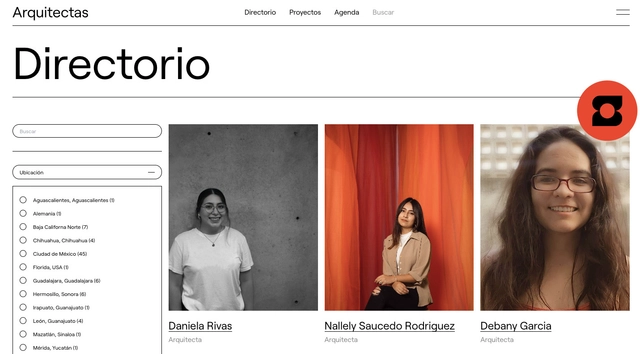
Nearly three years ago, the platform arquitectas.mx was launched as an initiative by Mexican architects Mónica Suberville and Laura A. Gómez. Born from the desire to find ways to support, mobilize, and bring visibility to women in architecture, the platform offers a gathering space for professionals across different practices within the field, aiming to steer the profession toward inclusion, equity, and the improvement of cities through a gender perspective.

Better-designed cities: creativity for green spaces

Subscriber Access | 

Cities worldwide face growing challenges in urban planning and the creation of sustainable, engaging public spaces such as green areas. In response, new approaches have emerged to integrate green landscapes into municipal public spaces. These sites play a fundamental role in the development and transformation of cities; for a long time, they have served as the stage for social interaction, cultural expression, and the exchange of ideas.

What is Queer Architecture?

Subscriber Access | 

The Arquitetura Bicha collective emerged during the pandemic, driven by an interest in reading materials on gender and sexuality in architecture. Its members began meeting weekly to debate and investigate the bibliography suggested by each of them. Books on queer theory, feminism, and architecture inspired the collective, which launched an Instagram profile to share their discussions.

Valuable skills learned in architecture school and how they can be applied to life

Subscriber Access | 

In the world of architecture, there is much more than drawing plans and constructing buildings. Architecture school offers a comprehensive education that goes beyond the specific technical skills of the profession. In this episode, we explore some of the valuable skills that architecture students learn throughout their academic journey — presented in the article 13 Non-Architecture Skills You Learn in Architecture School — and how these skills can be applied to various areas of life.

"As architects, we can impact people's development": Interview with Paulo Moreira

Subscriber Access | 

No País dos Arquitectos is a podcast created by Sara Nunes, who also runs the architectural film production company Building Pictures. The podcast aims to profile the professionals, projects, and stories behind landmark contemporary Portuguese architecture. With just over 10 million inhabitants, Portugal is a highly compelling country in this professional field, producing architecture that punches far above its weight relative to its population and territorial scale.

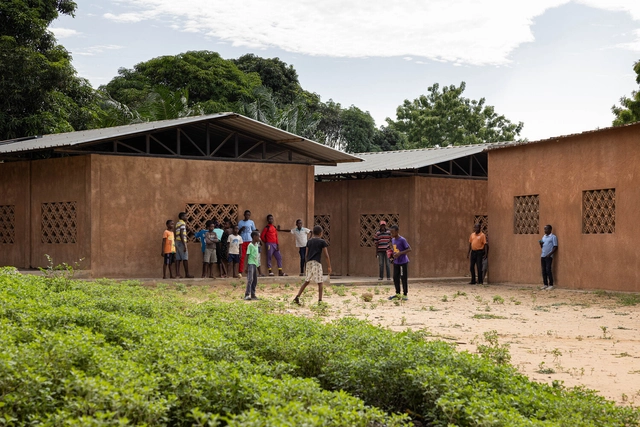
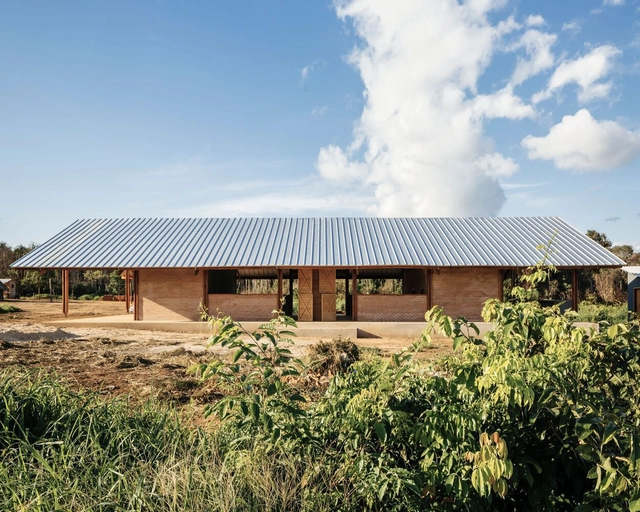
In this episode of the fifth season, Sara talks with architect Paulo Moreira about the Kapalanga School in Luanda, Angola. Listen to the conversation and read an excerpt of the interview below.

"As architects, we can impact people's development": Interview with Paulo Moreira - Image 1 of 4"As architects, we can impact people's development": Interview with Paulo Moreira - Image 2 of 4"As architects, we can impact people's development": Interview with Paulo Moreira - Image 3 of 4"As architects, we can impact people's development": Interview with Paulo Moreira - Image 4 of 4As architects, we can impact people's development: Interview with Paulo Moreira - More Images+ 9

"We are always designing the future": Interview with Pedrêz

Subscriber Access | 

No País dos Arquitectos is a podcast created by Sara Nunes, who also heads the architectural film production company Building Pictures. The podcast aims to profile the professionals, projects, and stories behind leading contemporary Portuguese architecture. With just over 10 million inhabitants, Portugal is a highly fascinating country within this professional field, and its architectural output punches far outstrips what its population or territorial scale might suggest.

In this episode of the sixth season, Sara talks with architects Matilde Cabral and Francisco Adão da Fonseca, from the firm Pedrêz, about the studio's experimental practice. Listen to the conversation and read an excerpt of the interview below.

"We are always designing the future": Interview with Pedrêz - Imagen 1 de 4"We are always designing the future": Interview with Pedrêz - Imagen 2 de 4"We are always designing the future": Interview with Pedrêz - Imagen 3 de 4"We are always designing the future": Interview with Pedrêz - Imagen 4 de 4We are always designing the future: Interview with Pedrêz - More Images+ 10

The Influence of Bahian Architecture: Interview with Sotero Arquitetos

Subscriber Access | 

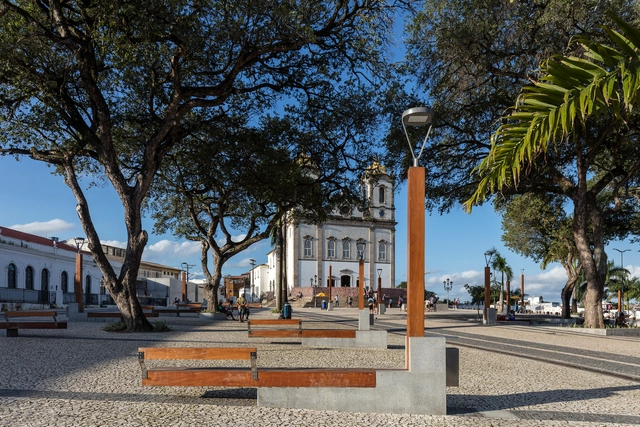
In this interview episode, Arquicast sits down with the founder of Sotero Arquitetos, architect Adriano Mascarenhas. A graduate of the Federal University of Bahia, his work spans a highly diverse range of scales and programs.

The Influence of Bahian Architecture: Interview with Sotero Arquitetos - Imagem 1 de 4The Influence of Bahian Architecture: Interview with Sotero Arquitetos - Imagem 2 de 4The Influence of Bahian Architecture: Interview with Sotero Arquitetos - Imagem 3 de 4The Influence of Bahian Architecture: Interview with Sotero Arquitetos - Imagem 4 de 4The Influence of Bahian Architecture: Interview with Sotero Arquitetos - More Images+ 1

Between Experimentation and Research: Interview with Gustavo Utrabo

Subscriber Access | 

Arquicast sits down with Gustavo Utrabo, a Brazilian architect whose work stands out for its capacity for continuous experimentation and research. Having graduated in Paraná, his career includes academic and professional experiences at Harvard, MIT, Hong Kong, and Escola da Cidade. The episode covers his communication experience on the "Entre Mundos" podcast, the initial challenges of establishing an independent practice, the dynamics and structure of his current office, and notable projects like the Canuanã Children's Village. It also explores his vision for the future of the profession and a discussion on the role of social media.

Using Artificial Intelligence in the conception, design, and planning of projects

Subscriber Access | 

The topic of Artificial Intelligence (AI) has become ubiquitous across the news, spanning both entertainment and the workplace. This phenomenon also extends to the fields of architecture and urbanism. The emergence of ChatGPT highlighted the transformative potential of this technology, especially regarding language, raising concerns about its potential impact on how we work today.
Tourism Architecture and Its Relationship with the Landscape: Interview with Site Specific Arquitectura

Subscriber Access | 

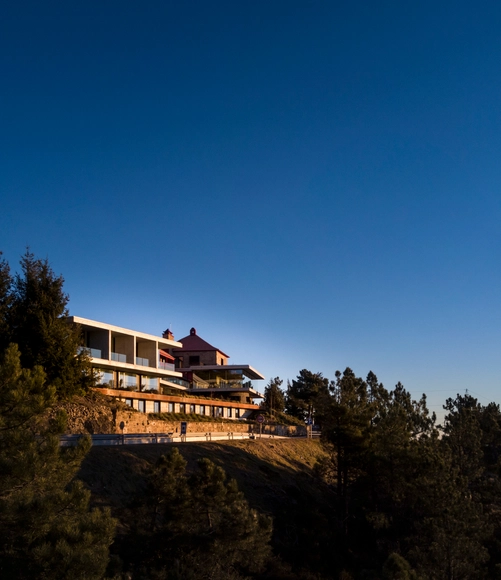
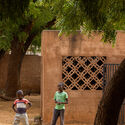
No País dos Arquitectos is a podcast created by Sara Nunes, who is also responsible for the architectural film production company Building Pictures. The podcast aims to get to know the professionals, projects, and stories behind benchmark contemporary Portuguese architecture. With just over 10 million inhabitants, Portugal is a highly intriguing country within this professional field, and its architectural output far exceeds what its population or territorial scale would suggest.

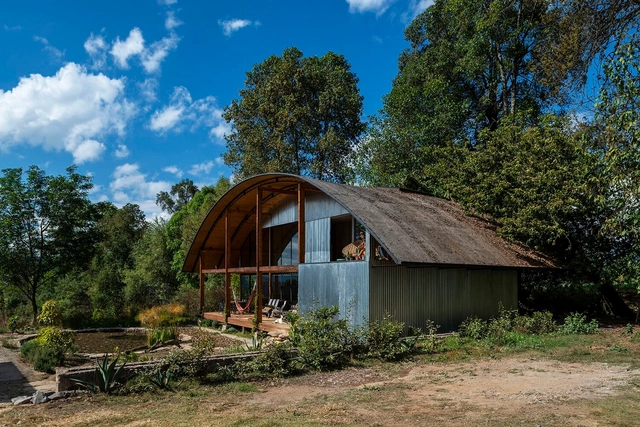
In this episode of the sixth season, Sara talks with architects Patrícia Marques and Paulo Costa of Site Specific Arquitectura, about the project Casa de São Lourenço – Burel Panorama Hotel. Listen to the conversation and read part of the interview below.

Tourism Architecture and Its Relationship with the Landscape: Interview with Site Specific Arquitectura - Image 1 of 4Tourism Architecture and Its Relationship with the Landscape: Interview with Site Specific Arquitectura - Image 2 of 4Tourism Architecture and Its Relationship with the Landscape: Interview with Site Specific Arquitectura - Image 3 of 4Tourism Architecture and Its Relationship with the Landscape: Interview with Site Specific Arquitectura - Image 4 of 4Tourism Architecture and Its Relationship with the Landscape: Interview with Site Specific Arquitectura - More Images+ 11

What is neuroarchitecture?

Subscriber Access | 

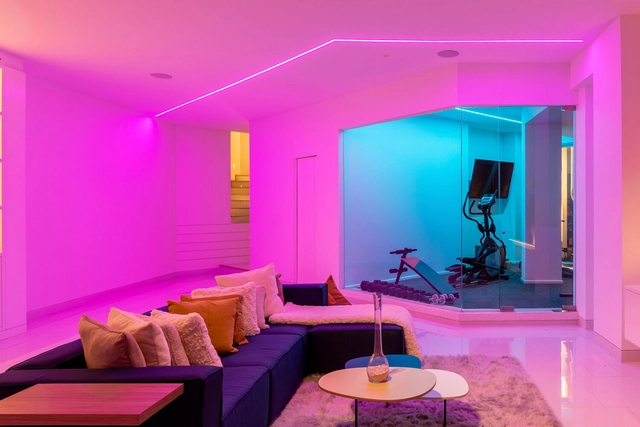
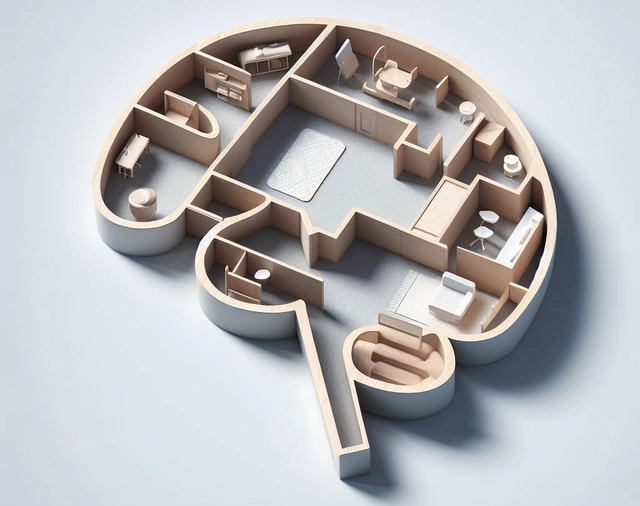
Neuroarchitecture is a discipline that has gained prominence in architecture and interior design circles in recent years. It seeks to bridge the fields of architecture and neuroscience, with the goal of creating spaces that positively impact our well-being and behavior. Arquicast invited two experts in the field, Nicole Ferrer and Lori Crizel, to discuss the concept of neuroarchitecture, current trends in professional training, its scientific foundation, and the ethical and future implications of this approach.

Could Leblon lose its residents?

Subscriber Access | 

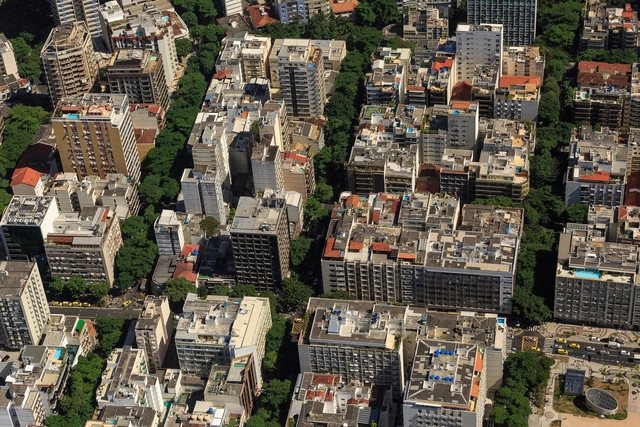
Major cities like Rio de Janeiro, São Paulo, and Belo Horizonte have been transforming their downtown areas into more residential zones, reclaiming a past of greater vitality. Rio de Janeiro pioneered this trend with the launch of its Reviver Centro program in 2021. More recently, São Paulo launched Todos pelo Centro, which also aims to “promote transformative actions in downtown São Paulo, bringing new life alongside the city's memories and history.”

Could Leblon lose its residents? - Image 1 of 4Could Leblon lose its residents? - Image 2 of 4Could Leblon lose its residents? - Image 3 of 4Could Leblon lose its residents? - Image 4 of 4Could Leblon lose its residents? - More Images+ 1

You've started following your first account!

Did you know?

You'll now receive updates based on what you follow! Personalize your stream and start following your favorite authors, offices and users.