The student collective Post_Arq from the Leopoldo Rother Architecture Museum at the Universidad Nacional de Colombia has shared this interview with Leonardo Álvarez Yepes. This is part of a series featuring seven Colombian architects, including leading figures such as Sebastían Serna, Santiago Pradilla, Lorenzo Castro, and Fernando de la Carrera, among others, whose interviews will be released on their channel.
News
Leonardo Álvarez Yepes: "We must understand projects through the human activities that produce the program"
https://www.archdaily.com/1123628/leonardo-alvarez-yepes-we-must-understand-projects-through-the-human-activities-that-produce-the-programSantiago Baraya
Minimum Housing Area: Who Determines the Smallest Permitted Spaces in Latin America?
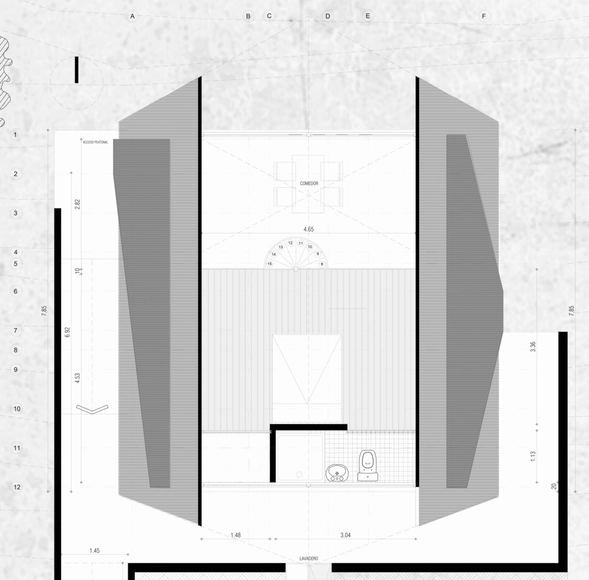
Cultural customs may vary infinitely across countries, but family life always brings celebrations and conflicts, regardless of origin. The pandemic has magnified these dynamics, particularly the challenges of sharing the same spaces for extended periods. What is the minimum square footage allowed in Latin American countries? Is this area truly sufficient?
https://www.archdaily.com/1123626/minimum-housing-area-who-determines-the-smallest-permitted-spaces-in-latin-americaSantiago Baraya
Santiago Metropolitan Park Reopens with an Intervention by Cekis
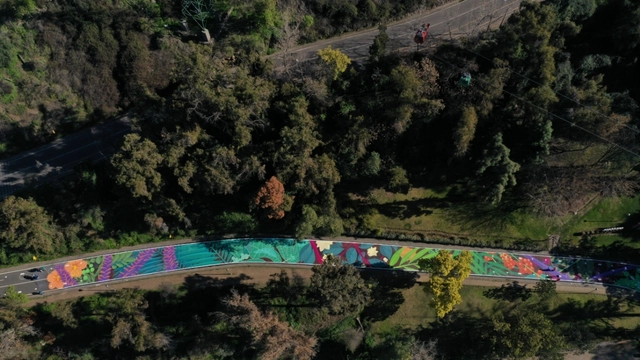
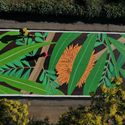
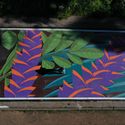
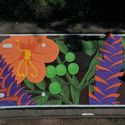
The artwork is located at the Pedro de Valdivia Norte entrance of the Santiago Metropolitan Park. It was created by the creative studio Lira Arte Público—specialists in public space interventions led by curator and urban designer Esteban Barrera—in close collaboration with the Santiago Metropolitan Park team, who designed and implemented physical distancing signage, along with this artistic intervention consisting of a floor mural of over 1,000 m² created by Chilean artist Cekis.


https://www.archdaily.com/1123607/santiago-metropolitan-park-reopens-with-an-intervention-by-cekisDiego Hernández
Adaptive Environments: Shaping Space Through Light and Color
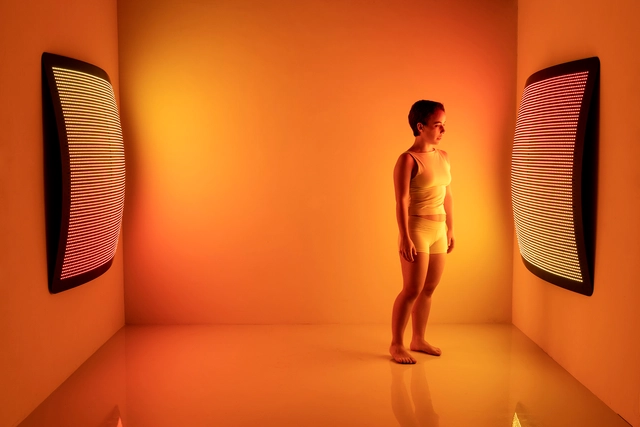
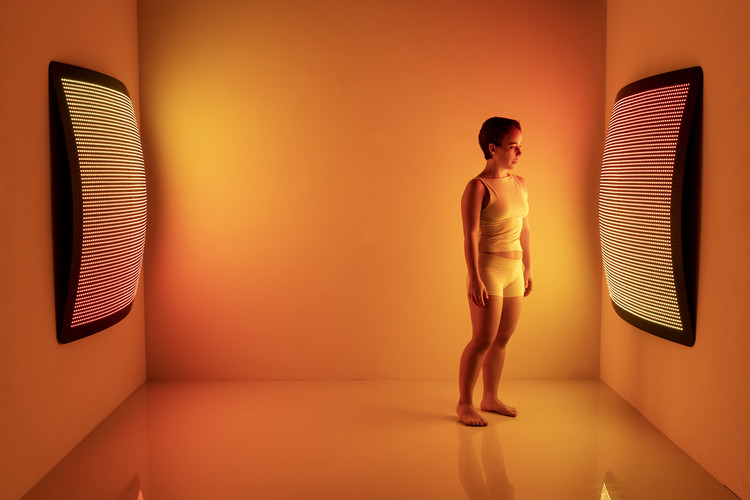
Seeking to design an immersive indoor environmental experience, design studio Aqua Creations created Manta Ray lighting. In this light installation, responsive RGB LED technology mixes red, green, and blue to produce over 16 million different hues. Programmed with a customizable color spectrum, the system is dimmable from 0.1% to 100% brightness and can even load images and videos directly onto its internal memory. This allows users to infuse expressive spaces with dynamic color and movement, or conversely, cultivate a warm, focused atmosphere for private, intimate settings.




https://www.archdaily.com/1123608/adaptive-environments-shaping-space-through-light-and-colorJosé Tomás Franco
Ruta 4 Taller: Lockdown and Coronavirus in Marginalized Communities
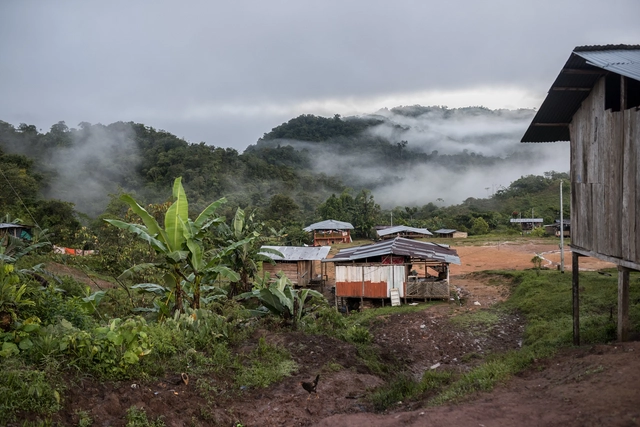
Architectural firms have been deeply questioning the future projections reshaped by lockdown and the new dynamics of how the city and territory are experienced. On this occasion, ruta4 taller from Pereira, Colombia, presents their perspective on how the profession is practiced in the country and their shift toward a more participatory practice for the benefit of local communities. The Pereira-based architecture studio has built exemplary collaborative projects, such as the taller de Urbanautas and the Casa Ensamble Chacarrá, demonstrating through experience that empathetic architecture is a highly viable approach.
https://www.archdaily.com/1123612/ruta-4-taller-lockdown-and-coronavirus-in-marginalized-communitiesJorge Noreña & Juliana López Marulanda
Other Impossible Cities: A Child's Perspective on the Pandemic
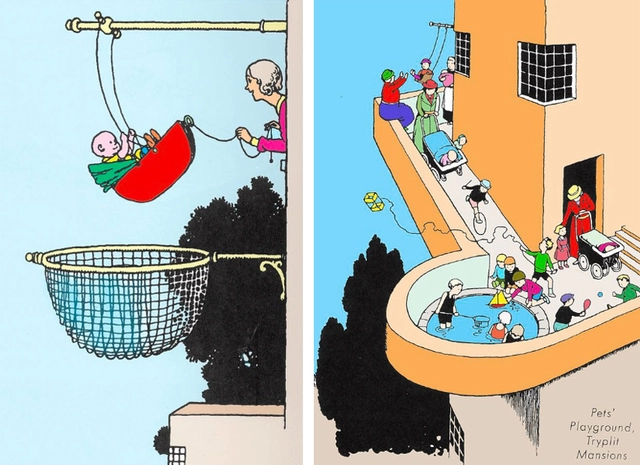
Deserted cities, shuttered businesses, canceled flights. Empty squares, streets with no one around... what seemed impossible has happened. If it is hard for us to adjust to this new routine, for children, the shock was even greater. Overnight, they were deprived of school, spending time with friends, outings around the city, parks, and squares. They were confined indoors.
https://www.archdaily.com/1123605/other-impossible-cities-a-childs-perspective-on-the-pandemicUrsula Troncoso
What Is a Duplex? Various Interpretations of the Typology
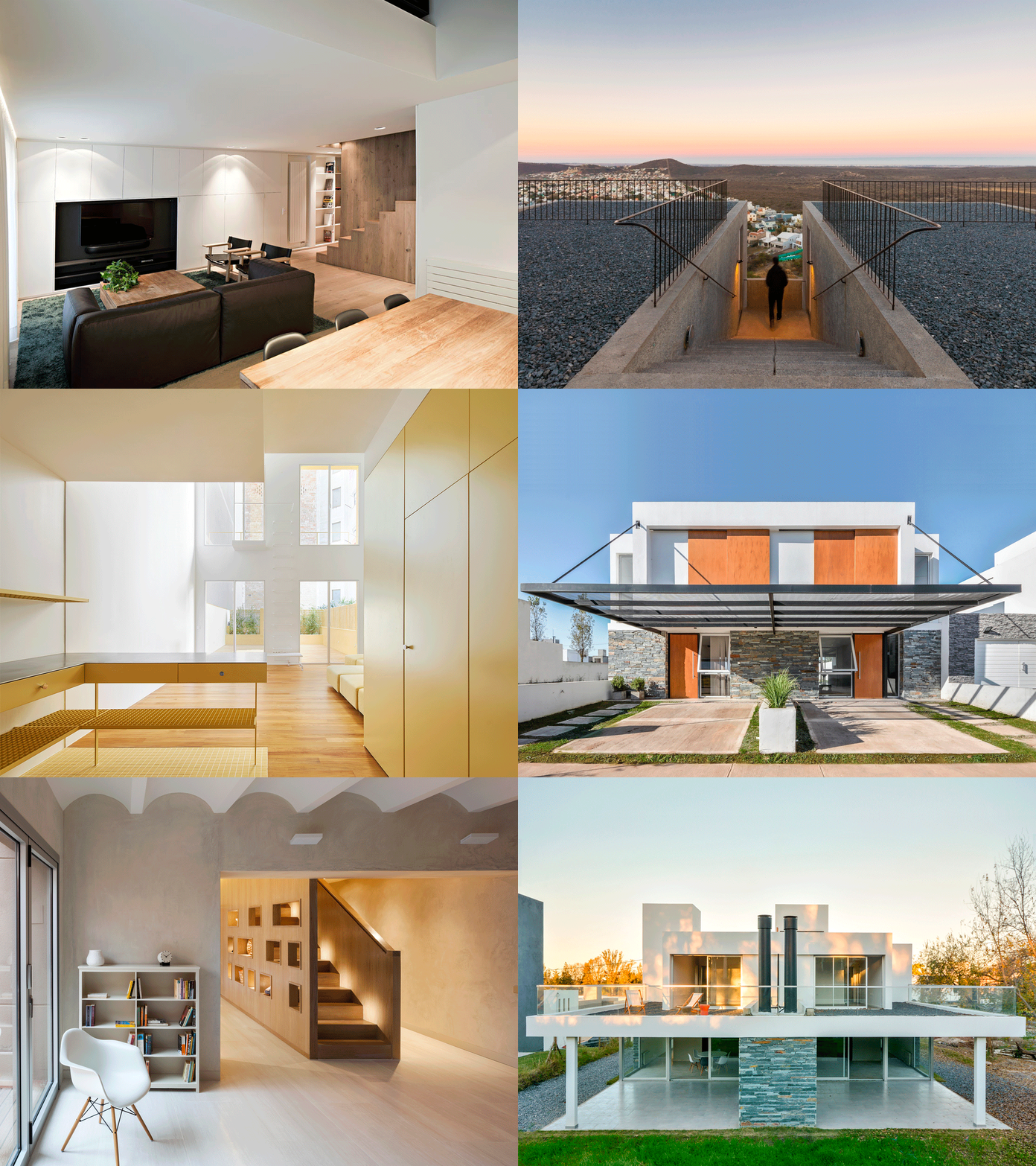
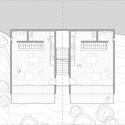
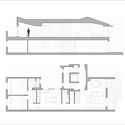
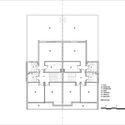
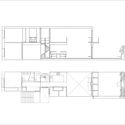

When it comes to housing typologies, the term duplex –lends itself to multiple interpretations, often leading to ambiguous applications and uses. The definition of the concept depends primarily on the country or region in which it is used, generally allowing for two main interpretations. First, a duplex can refer to a two-story housing unit with levels connected by an internal staircase. This definition usually applies to apartments and residences in countries like Spain or Canada, which are typically found in urban centers. Alternatively, a duplex can describe a specific type of project where two homes are joined side-by-side, each having its own individual entrance but sharing a central wall. Generally, the design of these houses is defined by an intentional axial symmetry, functioning as twin homes with the same features and floor plan layout. This type of duplex housing is particularly common in Argentina, Bolivia, the United Kingdom, Australia, and parts of the United States.
https://www.archdaily.com/1123606/what-is-a-duplex-various-interpretations-of-the-typologyBelén Maiztegui
Winners of the Competition to Rehabilitate the Railway Museum in Spain
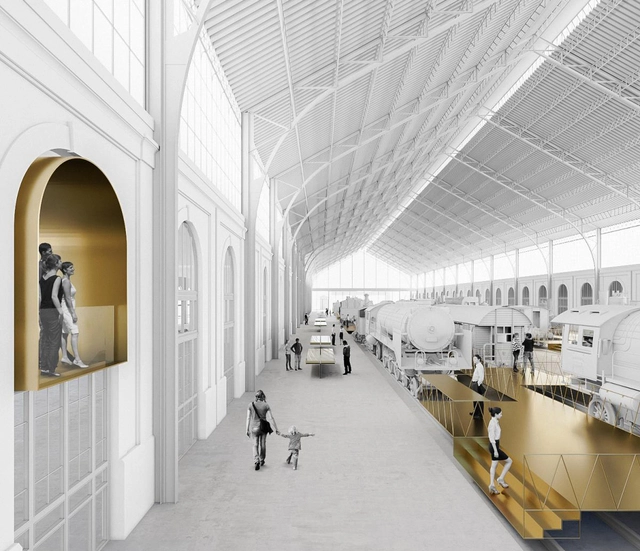
With their proposal “1878-1880”, Spanish architecture firm GVG, a multidisciplinary team led by Daniel Galar Irurre, Josecho Vélaz Ballesteros, and Javier Gil Ayesa, has won the design competition for the renovation of the historic Madrid-Delicias Station, home of the Madrid Railway Museum since 1983.
https://www.archdaily.com/1123615/winners-of-the-competition-to-rehabilitate-the-railway-museum-in-spainBelén Maiztegui
Santiago Metropolitan Park Mobility Survey
.jpg?1594827787&format=webp&width=640&height=580)
The Santiago Metropolitan Park is currently conducting a survey on user mobility. If you visited Parquemet before the quarantine, you can help by responding here: https://www.parquemet.cl/ayudanos-a-mejorar-parquemet/.
https://www.archdaily.com/1123616/santiago-metropolitan-park-mobility-surveyAAA
Toward a challenging remediation of cities (they have long been deficient)
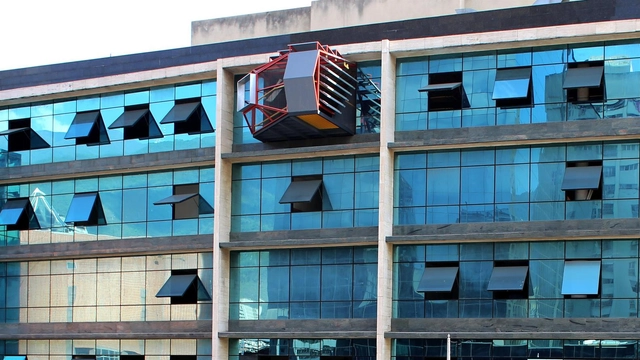
The city as we know it is collapsing, incapable of offering new ways of living. The virus is forcing us to confront the exhaustion of the buildings that make up the city and the systems underpinning how the entire urban landscape was conceived. Basic activities separated by miles along untraversable streets; halls and galleries acting as closed, artificially climate-controlled shells that can no longer accommodate crowds (and are therefore no longer visitable); subhuman capsules stacked atop one another in towers devoid of open spaces, common areas, or nature, with virtually no contact with the outside world—these will only become more dysfunctional as time goes on.
https://www.archdaily.com/1123618/toward-a-challenging-remediation-of-cities-they-have-long-been-deficientMarcos Coronel
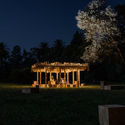
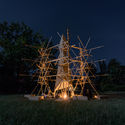
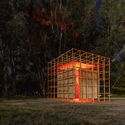
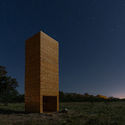
Wooden structures built by students at Hello Wood Argentina 2020
___03.jpg?1584150331&format=webp&width=640&height=580)
___03.jpg?1584150331)
The fourth edition of the Hello Wood Argentina festival has concluded. Held during March in the Municipality of Ceibas, Entre Ríos Province, this creative, professional, and social program seeks to teach participants to think with their hands and learn through experience.
https://www.archdaily.com/1123600/wooden-structures-built-by-students-at-hello-wood-argentina-2020Belén Maiztegui
Last days to nominate for the 2020 Obra del Año Award!

We invite you to participate in the 2020 Building of the Year award. In its twelfth edition, we ask you to recognize the projects making the greatest impact on the built environment. By nominating and voting, you are part of an independent and unbiased network that has consistently helped us celebrate architecture of all scales, purposes, and conditions, from countries large and small. There are only a few days left to nominate your favorite project, filtering 1,000 projects down to just 15.
Remember, registered users can nominate their favorite project once a day. Nominations close on Monday, March 23, 2020, at 11:59 PM (GMT-3). Thank you once again for helping us continue to democratize architecture.
https://www.archdaily.com/1123602/last-days-to-nominate-for-the-2020-obra-del-ano-awardDiego Hernández
Latin America and the Caribbean in Times of Pandemic
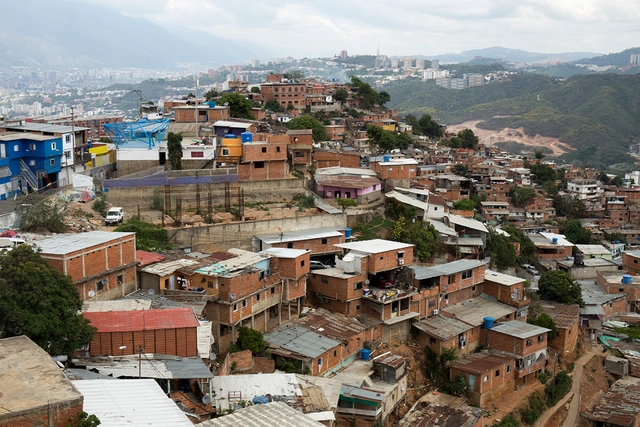
Shortly after the World Health Organization declared the outbreak of the novel coronavirus (COVID-19)—which began in Wuhan in December 2019—a pandemic, highlighting the disease's high rate of transmission and exposing global deficiencies in containment methods, most Latin American countries began implementing public health emergency measures to minimize spread and strengthen the response capacity of their healthcare systems.
https://www.archdaily.com/1123603/latin-america-and-the-caribbean-in-times-of-pandemicMa. Eugenia Jaime, Julián Salvarredy.
Digital architecture library at the University of Buenos Aires: free access to historic books, journals, and academic publications

The School of Architecture, Design, and Urbanism at the University of Buenos Aires (FADU, UBA) has made a series of resources available for remote access, allowing students, faculty, researchers, and the general public to access a vast collection of literature and information on architecture (as well as other FADU disciplines). This initiative aims to promote scientific and academic dissemination and strengthen the sharing of knowledge, particularly during the 2020 virtual school year.
https://www.archdaily.com/1123619/digital-architecture-library-at-the-university-of-buenos-aires-free-access-to-historic-books-journals-and-academic-publicationsBelén Maiztegui
The city we owe ourselves in Peru

Cities are the synthesis of thousands of years of agreements—as fragile as we are, yet wonderfully adaptable to change. As a result, they remain the ultimate ecosystem for our lives to unfold. Thanks to density, they allow us to maximize the benefits of the infrastructure, services, and public spaces we have created to sustain the well-being to which we aspire.
At first glance, all of this is in crisis today as a result of the COVID-19 pandemic. However, looking back at our history reveals far more lethal epidemics that ultimately brought substantial improvements to the way we live.
https://www.archdaily.com/1123620/the-city-we-owe-ourselves-in-peruAldo Facho Dede
Javier Sánchez Gómez Passes Away at 83
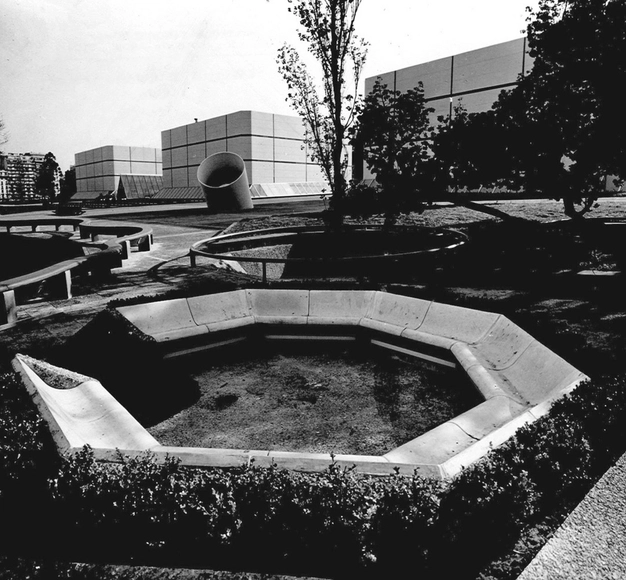
Architect Javier Sánchez Gómez, founding partner of the firm MSGSSS—renowned for projects such as the ATC Argentina Televisora Color building—passed away on Sunday, February 9, at the age of 83.
https://www.archdaily.com/1123668/javier-sanchez-gomez-passes-away-at-83Fabian Dejtiar
Indigenous building knowledge reveals solutions for contemporary buildings
.jpg?1596481113&format=webp&width=640&height=580)
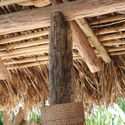
The stigma of rudimentary architecture, combined with the idealization of high-tech technology, relegates Indigenous building knowledge to a prehistoric imaginary. This pattern, which points to a single, unequivocal direction of progress, reveals the so-called coloniality of knowledge—a concept by Peruvian sociologist Aníbal Quijano that exposes the hidden side of modernity: the creation of hierarchies among peoples, keeping Latin America, and particularly its Indigenous populations, in a subaltern position. In other words, we tend to assume that the knowledge representing the future is produced in other lands, namely the Global North.
.jpg?1596481113)
https://www.archdaily.com/1123670/indigenous-building-knowledge-reveals-solutions-for-contemporary-buildingsMonique Portela
Three bathrooms, three dances: experiments of the body in architecture
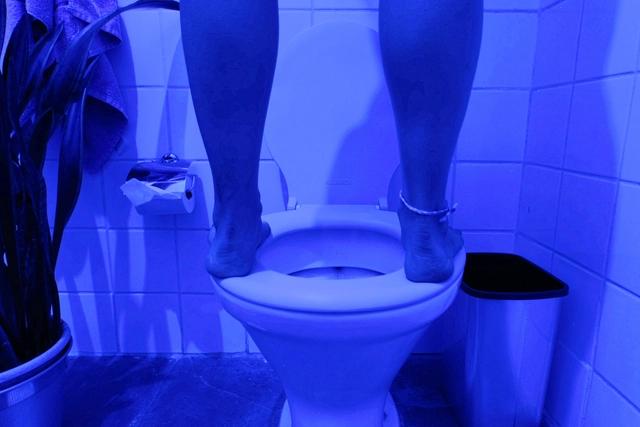
This article is an excerpt originally published in Revista Cadernos de Pesquisa #7 of the Associação Escola da Cidade. It stems from the final graduation project “Three Bathrooms, Three Dances” by Manuella Ferreira Leboreiro, completed at Escola da Cidade in 2018, under the supervision of Professor Yuri Fomim Quevedo. This essay was also featured in the selection of works exhibited at CCSP as part of the 12th International Architecture Biennale of São Paulo.
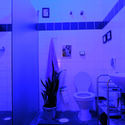
It is 12:11 PM on November 7 (2018). An "S" on the door indicates who this bathroom is supposedly for. I am in a bathroom located in a small building designed in the 1950s by Vilanova Artigas, the Brazilian modernist architect, in the Santa Cecília neighborhood. This is my second time inside, and to me, it is still a space slowly revealing itself. At first, what really caught my attention was the almost-purple blue cast by the blacklight, which tints every tone in the room toward that color. It brings a deep sense of serenity during the day.




https://www.archdaily.com/1123632/three-bathrooms-three-dances-experiments-of-the-body-in-architectureManuella Ferreira Leboreiro
Severiano Mario Porto passes away from COVID-19

Architect Severiano Mario Porto passed away today, December 10. At 90 years old, the architect died at 11 a.m. this Thursday from coronavirus. The burial will take place tomorrow, December 11, at the Parque da Colina cemetery in Niterói, Rio de Janeiro. In compliance with social distancing guidelines, the wake will be open only to the family.
https://www.archdaily.com/1123634/severiano-mario-porto-passes-away-from-covid-19Romullo Baratto
Water, mining, and exodus: the landscape consequences of extractive activities in northern Chile

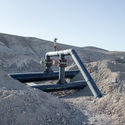

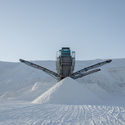


La serie titulada Agua, minería y éxodo forma parte de una investigación visual llevada adelante por el fotógrafo Marcos Zegers que explora las tensiones culturales y las alteraciones territoriales derivadas de las actividades mineras y extractivas en el desierto de Atacama.
https://www.archdaily.com/1123639/water-mining-and-exodus-the-landscape-consequences-of-extractive-activities-in-northern-chileBelén Maiztegui
Country Houses: Repurposing Rural Architecture in Argentina
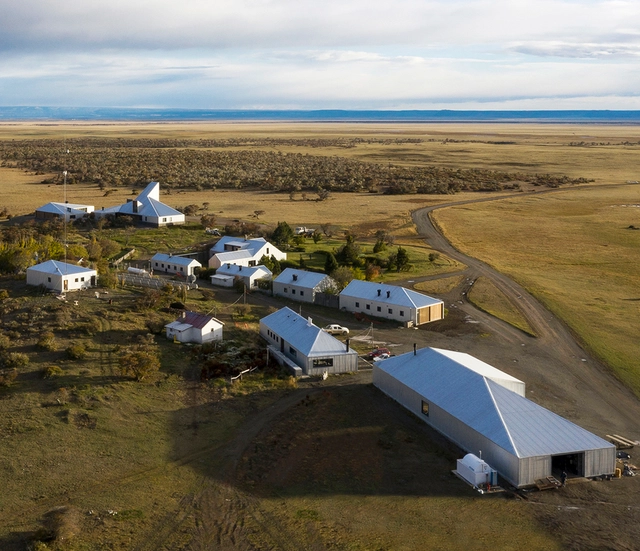
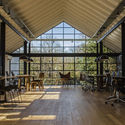

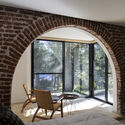
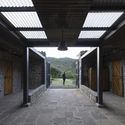

In Latin American countries, the most common method for distinguishing rural areas from urban spaces is based on analyzing the number of residents in a given zone, classifying as "rural" any locality with a population under 2,000. In these contexts, low density and scattered development typically allow the natural landscape to predominate over the built environment.
https://www.archdaily.com/1123642/country-houses-repurposing-rural-architecture-in-argentinaBelén Maiztegui
Public Space in Informal Settlements: A Collective Construction of Social Space


Originally published as "El espacio público en asentamientos de origen informal: una construcción colectiva del espacio social" in the third edition of Revista CLEA —an annual publication of the Latin American Coordinator of Architecture Students (CLEA)—, this article argues that the most important aspect of public space is the opportunity it offers to build ourselves as citizens.
The production and meaning of public space in informal settlements are driven by the people who inhabit them. Consequently, the process of forming the concept of publicness is forged from the moment of occupying a void that lacks municipal services (Hernández, 2011). This stems from the fundamental need for shelter, which shapes this void through housing as the primary objective of the individual.
https://www.archdaily.com/1123643/public-space-in-informal-settlements-a-collective-construction-of-social-spaceHenry Arévalo Banoy
Mexican Firms Michan Architecture and VRTICAL Recognized with the 2020 Architectural League Prize
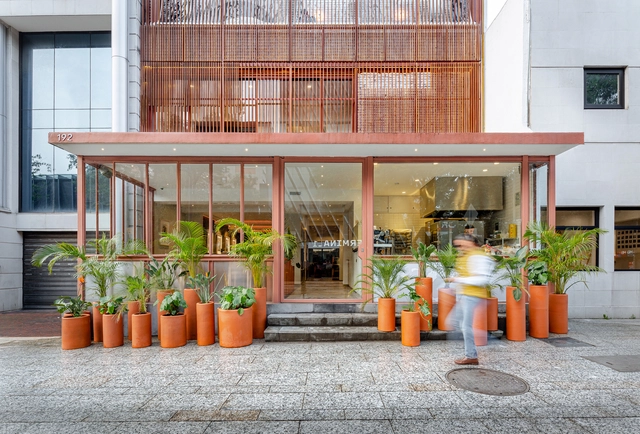
Isaac Michan Daniel of Michan Architecture, as well as Luis Beltrán del Río García and Andrew Sosa Martínez of the Mexican firm VRTICAL, have been recognized with the 2020 Architectural League Prize. Established in 1981 to recognize exemplary and provocative work by young practitioners, the Architectural League Prize is an annual competition organized by The Architectural League and its Young Architects + Designers Committee. This year's jury was comprised of the Young Architects + Designers Committee—Kutan Ayata, Mira Henry, and Kevin Hirth—alongside Lucia Allais, Paul Lewis, Anna Puigjaner, and Nanako Umemoto.
https://www.archdaily.com/1123629/mexican-firms-michan-architecture-and-vrtical-recognized-with-the-2020-architectural-league-prizeMónica Arellano
Concrete Houses in Peru: 10 Contemporary Homes That Use Concrete as Structure and Finish


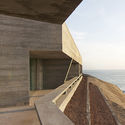
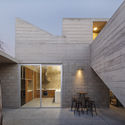
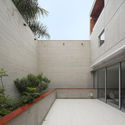

In the architecture of Peru, concrete took center stage during the development of the Modern Movement. In pursuit of a new urban geography, many architects set out to renew their architectural languages. As a result, new concrete buildings—residential, office, and commercial towers—began to emerge across the city, leaving behind the Neocolonial and Republican styles that had long characterized Lima's architecture. Today, the structural advantages, versatility, expressiveness, and aesthetic value of concrete continue to make it a preferred choice for many architects, keeping exploration around the material highly relevant.
https://www.archdaily.com/1123631/concrete-houses-in-peru-10-contemporary-homes-that-use-concrete-as-structure-and-finishBelén Maiztegui