The renowned architecture firm Zaha Hadid Architects has announced its first exhibition in Latin America, which will take place at the Museo Universitario de Arte Contemporáneo (MUAC) on the campus of the Universidad Nacional Autónoma de México (UNAM). The exhibition, titled Design as Second Nature, will showcase several projects by architect Zaha Hadid through models, audiovisual materials, paintings, and photographs, exploring the creative process of her practice and highlighting the importance and complexity of design as the central axis connecting form and construction in her work.
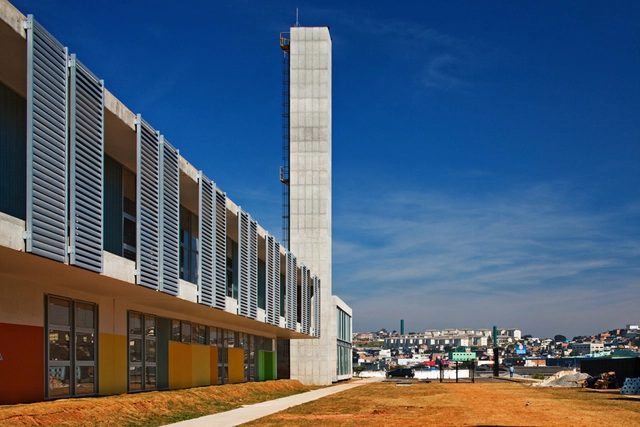
In their classic setup, with a classroom consisting of a blackboard, a standing teacher, and seated students, the interior spaces of a school can easily be mistaken for prisons. Now consider the outdoor, public areas of most educational institutions in Brazil: how often can a place be recognized as a school simply by looking at it from afar?
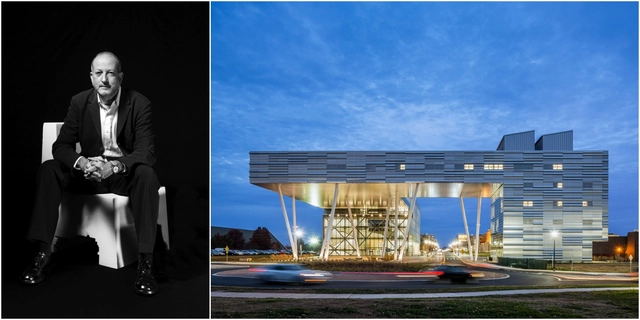
Mexican architect Enrique Norten will receive the Fine Arts Medal in Architecture, the highest honor awarded by the National Institute of Fine Arts (INBA) to individuals who have made outstanding contributions to Mexico's art and culture. With this award, the Institute celebrates his career and his contributions to the country's culture.
Born in Mexico City on February 27, 1954, Norten was drawn to the world of design and determined to pursue creative work early on. At the age of 20, he began his architecture studies at the Universidad Iberoamericana.
“Adonde vas Chiloé” is a platform created by the Colegio de Arquitectos de Chile. Conceived as a space for impartial, timely information focused on the local territory and its culture, the initiative has evolved over its three years as a radio program. Today, it serves as a platform to promote and showcase architectural work across the Chiloé Archipelago, aiming to establish itself as a national benchmark for professional association initiatives and a specialized medium for architecture, culture, and territorial development initiatives.
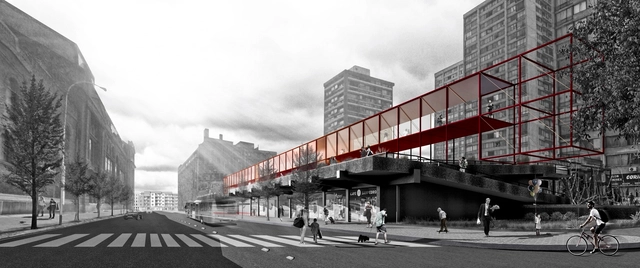
The team led by Oscar Luengo and Álvaro Parraguez won first place in the Pasarelas San Borja competition in Chile. The main objective of the competition was to recognize "the best urban design ideas that contribute to defining intervention criteria and generating proposals for the San Borja Neighborhood."
Titled Corredores San Borja, the winning proposal "proposes the walkways as connecting spatial corridors between towers, plazas, and peripheral activities, allowing for fluidity and articulation between the complex's disconnected interior and exterior spaces."
Walking is the most common form of transportation in the world and a basic human right. It connects us directly with our surroundings, does not pollute the city, and offers numerous health benefits, such as reducing chronic diseases, obesity, and diabetes. This is the message that the ITDP and Streetfilms convey in the film The Right to Walk, released this year.
If walking is so beneficial, why is it so difficult to do in urban environments? Rapid urban growth and car-centric planning have increasingly restricted space and respect for pedestrians. Every year, 1.3 million people are killed in traffic, half of whom are pedestrians, cyclists, or motorcyclists. Furthermore, traffic accidents result in 20 to 50 million hospitalizations annually, making them the leading cause of physical disability worldwide. More than 90% of traffic fatalities occur in low- and middle-income countries like Brazil, which has the highest number of traffic deaths per capita in South America.
https://www.archdaily.com/1114557/walkable-cities-how-to-enhance-the-urban-attributes-that-affect-pedestrians-at-the-neighborhood-scaleITDP Brasil
The small sovereign state of Luxembourg has a population of about 560,000. However, its vehicle count is disproportionate to its size: 662 for every thousand people, according to The New York Times. This represents the highest car-to-population ratio in the entire European Union. To address this issue, Prime Minister Xavier Bettel, reelected for a second term, promised free public transit for all residents.
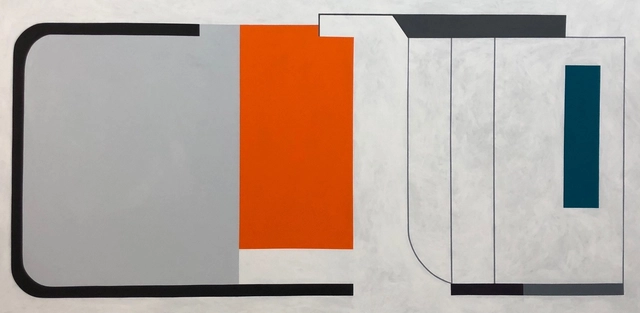
Sejong Performing Art Center, arquitetos Hani Rashid/ Lise Anne Couture, 2017 - 3.00m X 1.55m. Image Cortesia de Patricia Golombek
The work of Patricia Golombek is an architectural study developed from different perspectives, analyzing structural elements and design solutions by various architects from around the world.
An architect by training, the artist uses her work to highlight the language through which architects communicate and the creative process behind their designs.
Si estas paredes hablasen / SERRANO+BAQUERO Arquitectos. Image Cortesía de Festival Arquia/Próxima
The 6th Arquia/Próxima Festival: Relevant Practices in Madrid has announced the winning projects of this edition. Aiming to provide visibility to Spanish architects during their first ten years of practice, the Arquia/Próxima cultural program focuses on disseminating, promoting, and highlighting their achievements and professional principles.
The biennial's theme, defined by its curator, Iñaki Carnicero, invited reflection "on the paradox produced by the international success of Spanish architecture, which does not correspond to the volume of architectural production in recent years, but nevertheless reflects work that is more relevant than ever," the organization explained.
The following awards were presented during the festival:
Overall Urban Space Concept. Image Courtesy of Ramboll Studio Dreiseitl+RSAA
In 2017, Ramboll Studio Dreiseitl and RSAA/Büro Ziyu Zhuang were commissioned by Guangdong Zhuguang Group Co., Ltd. to create an ecologically transformative urban design and waterfront landscape along the northern bank of the Pearl River in Guangzhou's CBD. The planning phase of the project spanned nearly a year.
Videos
Cortesía de Escuela de Arquitectura, Universidad Iberoamericana UNIBE
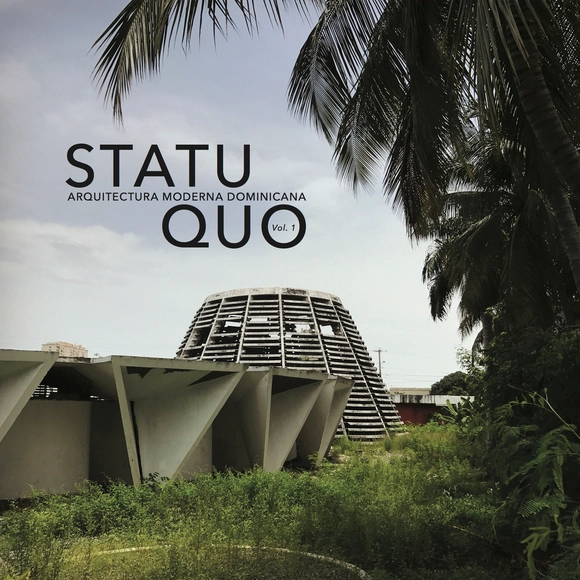
Since 2014, the School of Architecture at the Universidad Iberoamericana (UNIBE) in the Dominican Republic has developed several editorial projects. For this fourth initiative, students, alongside professor and architect Alex Martínez, have produced the inaugural edition of 'Statu Quo,' a publication examining the advanced deterioration of the country's modern heritage buildings.
The Colegio de Arquitectos de Chile (CA) has selected the curatorial team that will lead the XXI Chilean Biennial of Architecture and Urbanism 2019. After two editions at the Parque Cultural de Valparaíso, the biennial returns to Santiago in the Matadero Franklin neighborhood.
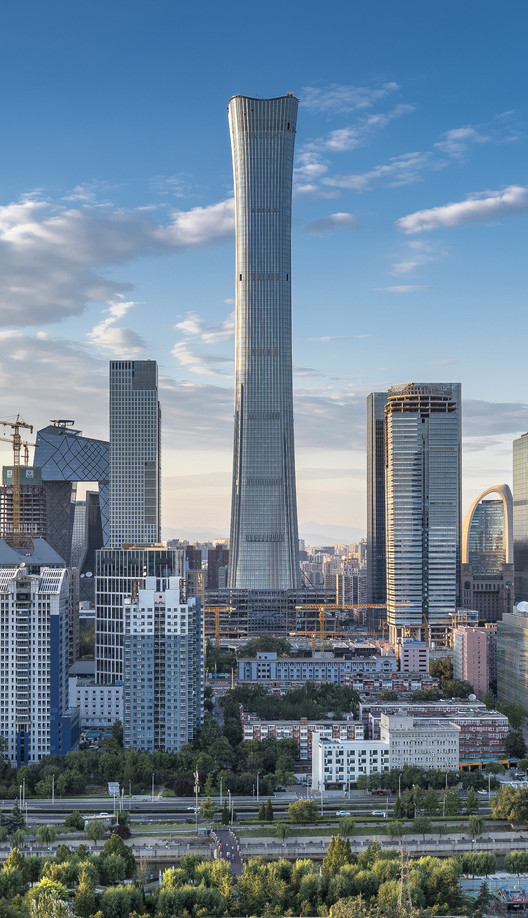
CITIC Tower in Beijing, designed by KPF, has entered the final stages of construction. Upon completion, the 528-meter-tall skyscraper will be the tallest building in Beijing, the tallest building in a high-seismic zone globally, and a prominent addition to the ranks of the world's tallest megatall buildings. Also known as "China Zun," the tower was designed by KPF in collaboration with the Beijing Institute of Architectural Design (BIAD), Arup, and PBA, alongside specialist consultants including ALT, Altitude, BPI, RWDI, and MVA.
https://www.archdaily.com/1114452/beijing-citic-tower-china-zun-enters-final-construction-phase-kpf-reveals-the-complete-construction-process-for-the-first-time韩爽 - HAN Shuang
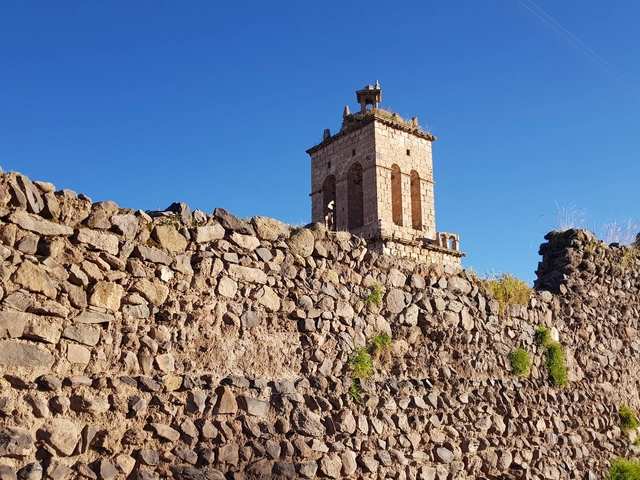
Popularly known as the Ciudad de las Cajas Reales (City of the Royal Coffers), Chucuito is a small Peruvian town located 20 kilometers from Puno at an altitude of over 3,800 meters above sea level. Boasting a privileged location on the shores of Lake Titicaca, it was once part of the ancient pre-Columbian Tiwanaku culture and served as the seat of government for the Lupaca kingdom. During the Spanish colonial era, it became a strategic tax collection center, and today it preserves a valuable architectural legacy throughout its streets.
Following our guide to Puno's must-see landmarks—on the occasion of the recent XV TSL Puno—we recommend seven sites in this town nestled in the Peruvian highlands. Due to the high altitude (and particularly at the San Bartolomé viewpoint), visitors are advised to tour these landmarks with a companion, walk at a measured pace, and chew coca leaves to prevent altitude sickness.
As you know, ArchDaily has joined forces with Spotify, the world's largest music streaming platform. From the very beginning, we have been sharing our own playlists for those key moments in the lives of all architects. At the same time, we have invited architects from Latin America and Spain to share the music that inspires them, or better yet, the sounds that have shaped their careers.
In this installment of ArchDaily en Español + Spotify, we share our most popular playlist: Música para Maquetear (Music for Model Making). If you have to spend your day among cardboard and renders, this ten-hour playlist will keep you company during those long late-night sessions.
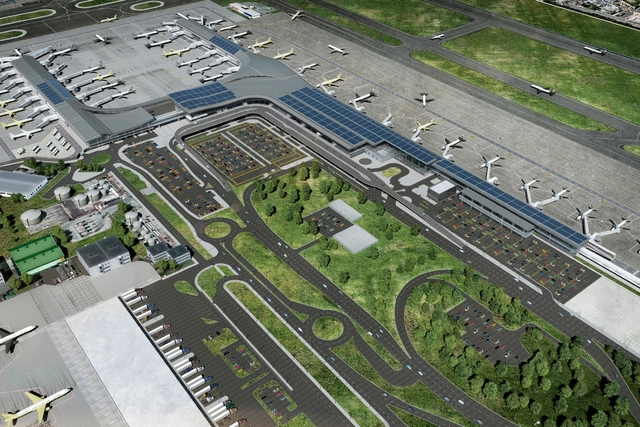
A solar energy system has been under construction since September of this year at El Dorado International Airport in Bogotá, Colombia. It is currently billed as the largest photovoltaic project in Latin America, according to local and international media outlets such as El Tiempo and EFE.
Set to begin operations in the first quarter of 2019, the installation will feature over 10,000 solar panels and have a capacity of 2,800 kWp. It will generate 3,815,000 kWh annually, equivalent to the energy consumed by 1,590 homes. Additionally, the project will use 89.4 km of cabling—a length comparable to the distance between Bogotá and Villavicencio.
The São Paulo municipal government intends to launch a social leasing program to house homeless people in vacant downtown buildings in exchange for benefits to property owners, who will be able to offset their property tax (IPTU) debts and will be exempt from the progressive property tax on vacant buildings.
The social leasing system has been in place since 2004, currently serving 903 families across six buildings. Residents pay up to 15% of their income for permanent housing without, however, acquiring ownership of the properties, which remain under municipal ownership. The new program has already identified 370 eligible properties and aims to provide 1,000 new units.
MRD designed Corporativo Santa Fe, a renovation proposal for a five-story office building covering an area of 490 square meters. Built in 2016, the project was led by Antonio Morodo Díaz in collaboration with Sergio Macotela Baca.
Videos
Licensed under CC0 Public Domain. Image via Pxhere
From the Fundación Arquia Blog, architect Zaida Muxí brings us an article that provides basic clarifications on gender-perspective urbanism for beginners, exploring how to build cities from and for women, but not in an exclusive or exclusionary way.
To shape humanity in its truly comprehensive capacity within the dimension of gender, women's movements and feminist philosophical analysis have ethically exposed the alienation that over-identifies women with men and their symbols, while disidentifying men from women and their symbols.
It is time to say goodbye to 2018. Following our showcase of the best architecture of the year, we have gathered the Chilean projects that generated the most engagement on our social media platforms. Indeed, in the architectural field, understanding where design is heading requires looking at its key works and observing how the public has responded to them.
Most people today live in cities, which are growing rapidly. We are living in the age of urbanization, an era that began in the early 19th century when vast masses of people decided to be closer to one another rather than close to the land. There is no doubt that sooner or later the vast majority of us, humans, will be living in cities.
https://www.archdaily.com/1114474/it-is-still-not-true-that-eight-out-of-ten-people-live-in-urban-areasWRI Brasil
In contemporary urban design, spatial organization, mobility, the demand for new connections, and the boundaries established between public and private space have increasingly become the focus of discussions surrounding the future of global cities, and equally so in Brazil. Under this model of rapid growth, certain built structures have created urban barriers, presenting distinct obstacles.
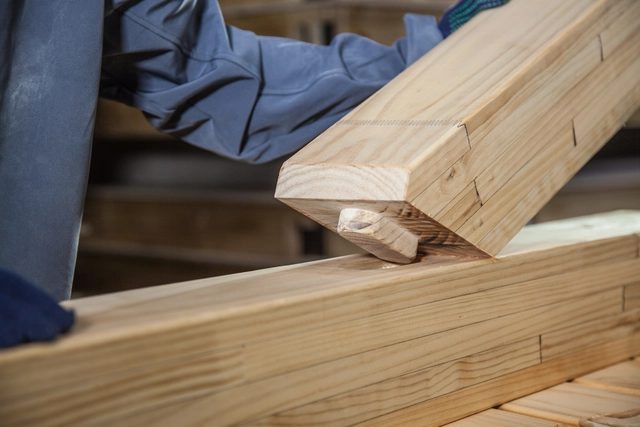
Working hand-in-hand with a wide range of product manufacturers and suppliers allows us to access valuable information to support design and construction processes using different types of materials.
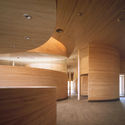
To make this knowledge readily available, we have compiled a series of guides, manuals, and tips covering everything from working with laminated wood and installing cladding, to applying protective finishes and varnishes. Read 12 useful articles below.
.jpg?1538155856&format=webp&width=640&height=580)

.jpg?1538159899)

.jpg?1538155856)


.jpg?1544459993&format=webp&width=640&height=580)