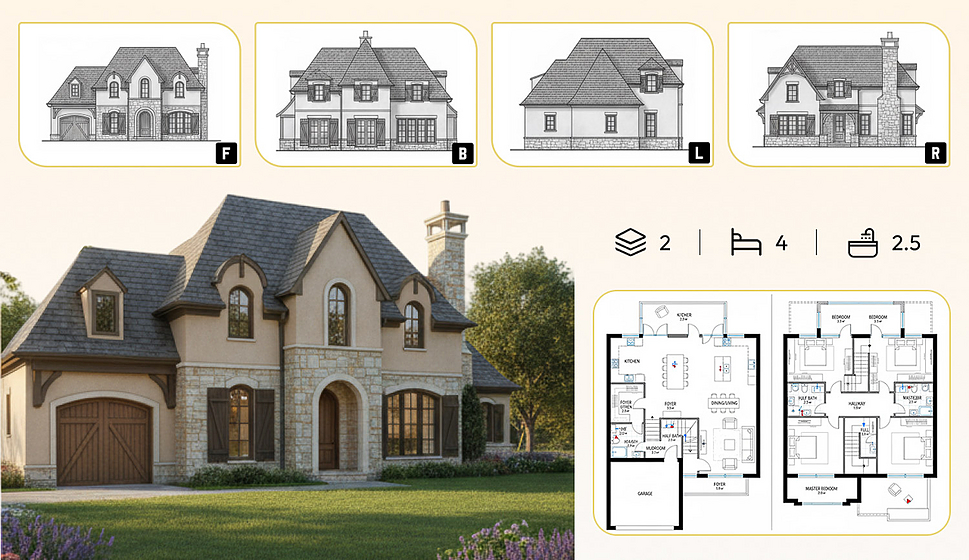
This guide covers a workflow that moves from project parameters to generated floor plans, 3D perspective views, exterior design exploration, and site context visualization, using AI tools in place of preliminary CAD and rendering work.
This guide covers a workflow that moves from project parameters to generated floor plans, 3D perspective views, exterior design exploration, and site context visualization, using AI tools in place of preliminary CAD and rendering work.
.jpg?1642708223&format=webp&width=640&height=580)

For the third time since its founding in 2002, Colombia will host the Latin American Social Workshop for Architecture Students under the name 'Tejiendo Paisajes: TSL Manizales 2022'—the first edition of the event since the onset of the pandemic.
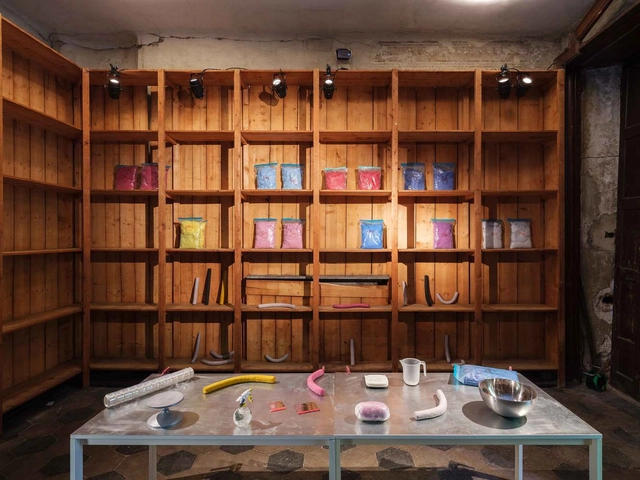
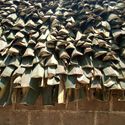
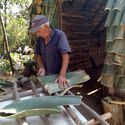
At first glance, textile materials and clay do not share many similarities. However, Oficina Penadés brings these two concepts together, showcasing the potential of a new textile-based material combined with clay processing techniques in “Looks like magic!”, an exhibition held during the recent Milan Design Week.
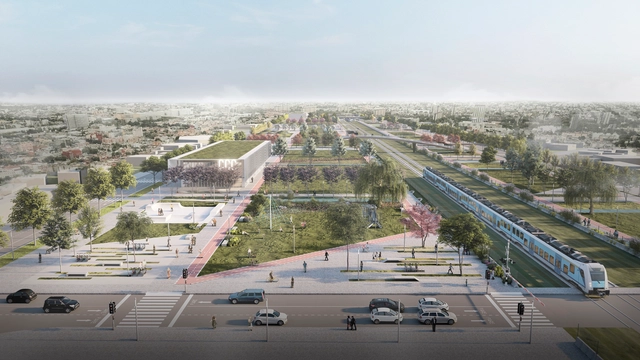
The Central Society of Architects (SCA) and the Association of Architects of the Province of Buenos Aires (CAPBA) organized the National Ideas Competition to develop a Rail Cultural Hub. The project includes a new General Railway Archive (AGF), a branch of the National Railway Training Center (CENACAF), and new facilities to protect records and showcase the historical and cultural heritage of Argentine Railways (Ferrocarriles Argentinos).
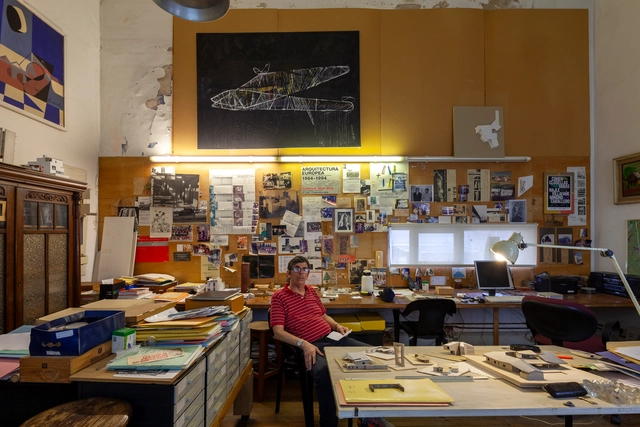
Marcelo Villafañe (1951), an architect from Rosario, passed away on Wednesday, January 26, as announced on social media by the Colegio de Arquitectos Distrito 2.
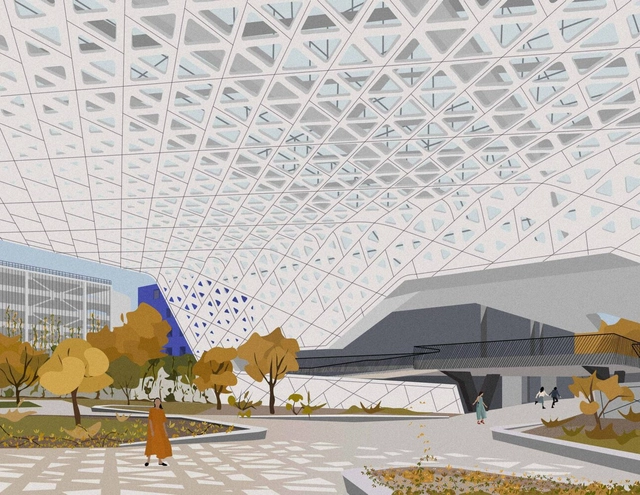
Architectural works from around the world are the primary inspiration for Erika Moreno, the creator of HUAJJE, a digital illustration project. The project was born in 2019, a year after Moreno completed her architecture degree in Tijuana. “The project started by accident; my only goal in making these drawings was to learn how to use more Photoshop tools—it was a personal challenge.” To document her process, she decided to open an Instagram account, which has since fostered an organic community that shares and supports her work. This has encouraged her to overcome her fears and even host workshops on the subject in various formats.

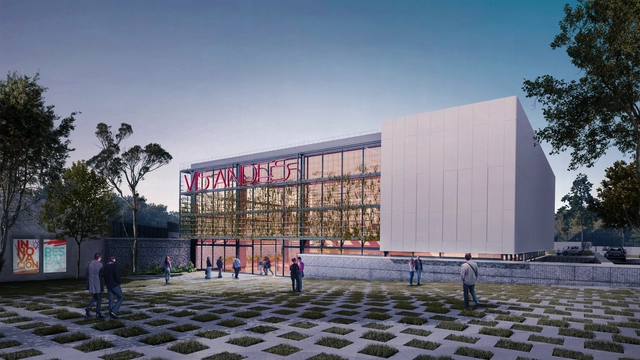
The savings and credit cooperative Visón de los Andes, “VisAndes,” launched a competition for the design of its new headquarters in Salcedo, Ecuador. As one of the strongest cooperatives in its sector, it sought to incorporate sustainability principles alongside its own core values, inviting prominent architecture firms from across the country.
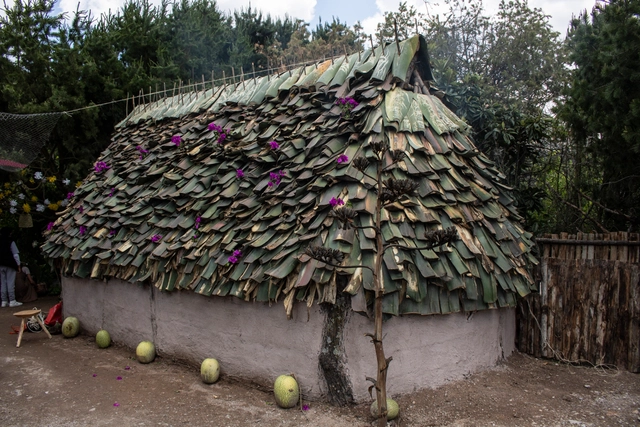
Today, understanding the properties of materials used in vernacular construction is essential to ensuring a better quality of life and spatial habitability, both of which have evolved alongside new technologies in the market. Spatial design now represents a commitment to the natural environment and, consequently, to improving quality of life.
.jpg?1642515078&format=webp&width=640&height=580)
Metha Arquitectos and Be Maarch have won first prize in the design competition for the remodeling of the Plaza de Armas in Juliaca, Peru. Key aspects of the proposal highlighted by the jury include: prioritizing pedestrians over vehicles, strengthening institutional character and environmental value, and creating a space that introduces nature. Additionally, the jury noted that the project understands and accommodates informal commerce dynamics, establishing a hierarchical longitudinal axis between the plaza and the school to create a pedestrian urban space. This is complemented by a secondary transverse transit axis and organized to eliminate architectural barriers, creating more inclusive spaces. See the project below.
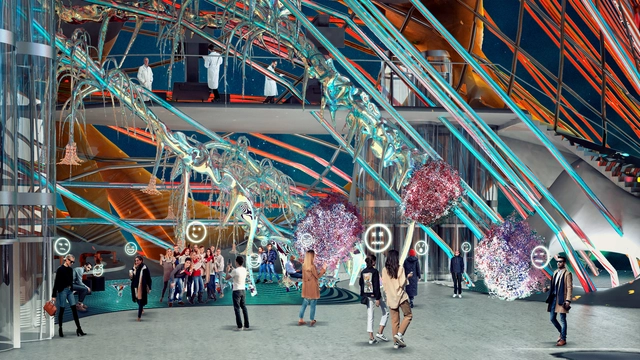
From NFTs and the Metaverse to the productivity benefits of real-time rendering, this year presents a prime opportunity to discuss the latest trends in visualization.
With this in mind, we want to open the debate and hear your thoughts on the following questions: How much can we learn from other related industries such as cinema, video games, and industrial design? How can architecture contribute to and advance the world of visualization?
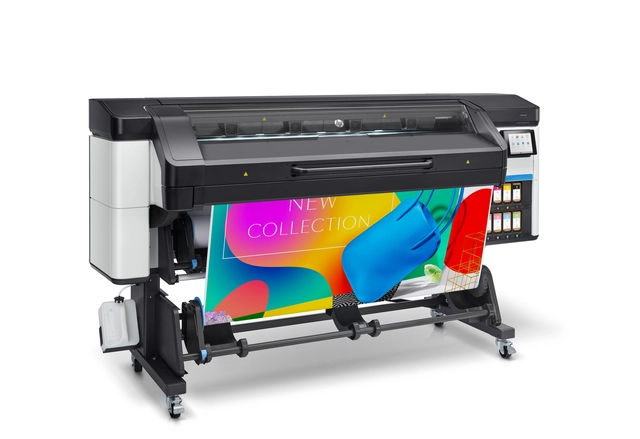
Delivering productivity levels up to 50% higher than previous models, HP introduces its new range of HP Latex large-format printing solutions. The series consists of four devices—the HP Latex 700 and 800, and the HP Latex 700W and 800W—introducing white ink printing to this category for the first time. Print jobs executed by this new series will not only deliver brighter colors and finer details, but will also do so at even faster printing speeds, reaching up to 36 m2 per hour.
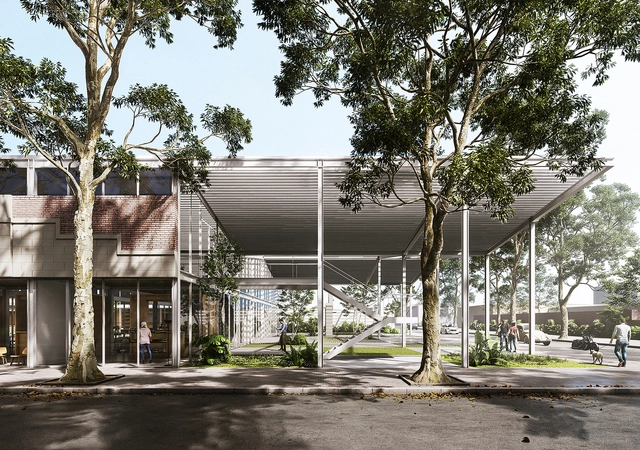
The Municipality of Flores launched a public competition for preliminary architectural proposals for a mixed-use building called Mercado Trinidad, to be located in the city of Trinidad, Uruguay. By integrating existing heritage structures and renovating or replacing the remaining buildings and open spaces, the project aims to redirect truck and heavy machinery traffic from the municipal workshops and warehouses currently operating there. This shift will promote urban regeneration and revitalize the central area with a new urban facility.
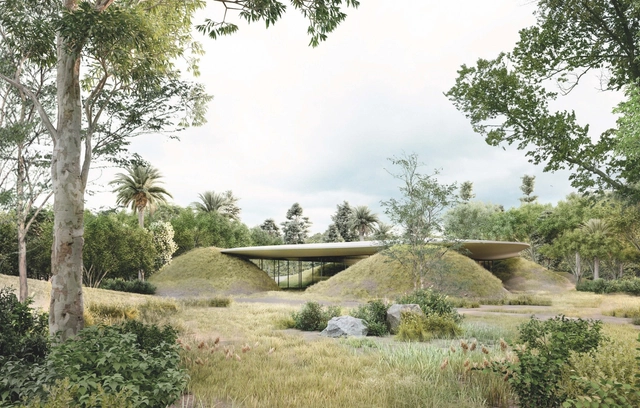
In August 2021, the call for entries was launched for the ideas competition for the "Scenic Garden and Pavilion" project. The primary goal was the reorganization and comprehensive recovery of the area known as the "ecological parking lot" to integrate it with the Centro Cultural del Bosque (CCB). The project called for the design of a Scenic Pavilion conceived as "a permanent space with unobtrusive, harmonious architecture that blends into the Forest's environment, establishing a point of connection with both the performing and visual arts ecosystems, looking toward the Zoo and the Museum of Modern Art."
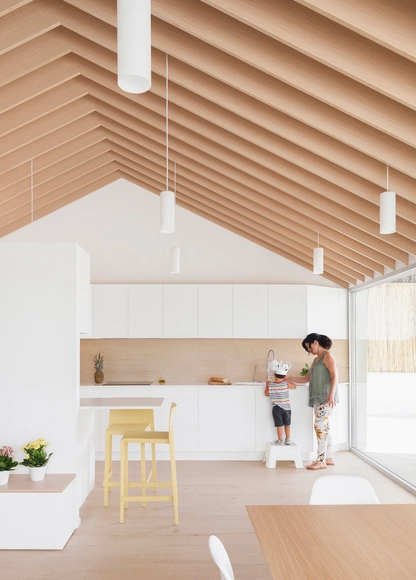
While online stores have existed since the democratization of the internet in the late 20th century, the pandemic has marked a turning point in the evolution of e-commerce. In response to mobility restrictions and lockdowns, businesses of all scales were forced to embrace digital transformation, saving time and, in some cases, reducing costs. Furthermore, as more consumers discover the convenience of home delivery, online shopping is likely to continue growing even in the post-pandemic era.
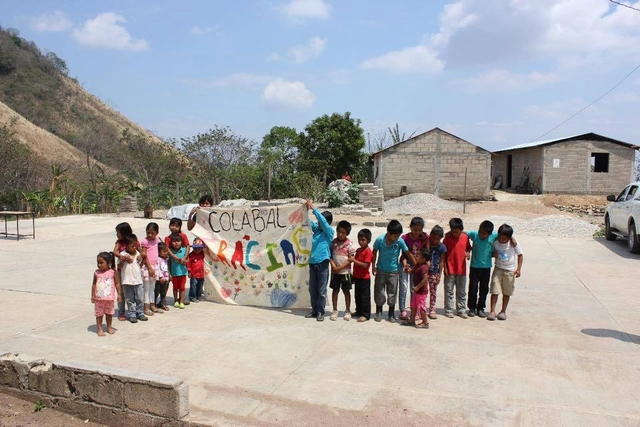
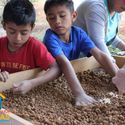
When we speak of social production, we refer to processes where community leaders are adults who represent and make decisions for their community; however, we often overlook children, who also enjoy and live in these spaces. They are the ones with limitless imagination and creativity, who create scenarios on Mars on a basketball court. They are the ones who hold the best car races in the loose sand of their backyards. They are children who, due to various family or economic circumstances, cannot write a letter, but instead express what they feel and want through the lines they draw.
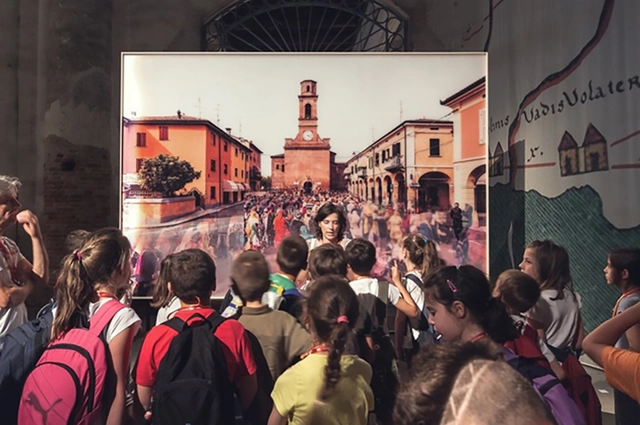

Italian law never explicitly denied women access to university. Nevertheless, their minimal presence in the 19th century—only 224 women graduated in Italy between 1867 and 1900—demonstrates how a double discrimination, based on both gender and social class, operated through an inherently elitist and dualistic educational system.

It is well known that the construction industry is one of the largest producers of CO2. Although significant progress has been made in technology and in design and construction processes, there is still a long way to go to minimize or nearly eliminate carbon emissions in the development of the built environment.
Indeed, as revolutionary as the construction industry may seem today, it remains responsible for nearly 40% of global carbon dioxide emissions, 11% of which result from the manufacturing of building materials such as steel, cement, and glass.
What are the latest trends in reducing emissions in both design and material manufacturing? How should the industry transition toward net-zero architecture? These are some of the questions we want you to help us answer.
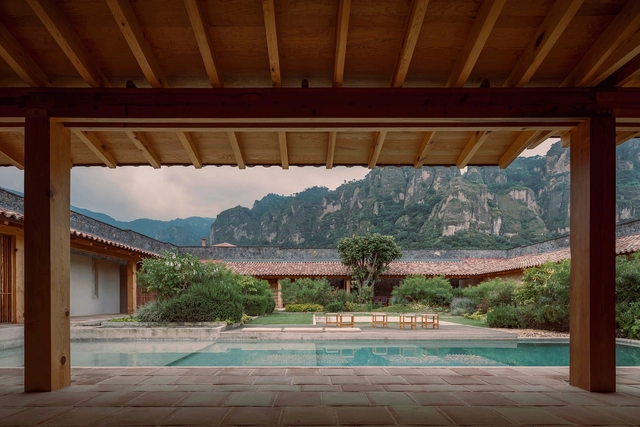
The DNA Paris Design Awards have announced the winners of the 2022 edition in the categories of architectural design, interior design, landscape design, product design, and graphic design. The results were announced at the end of June, and the awards ceremony will take place in Paris in September 2022.

"I'm an architect... now what?" must be one of the most common questions for any recent graduate holding an architecture degree. Over the years, many will find jobs in different industries that do not necessarily involve working in an office designing and building buildings.
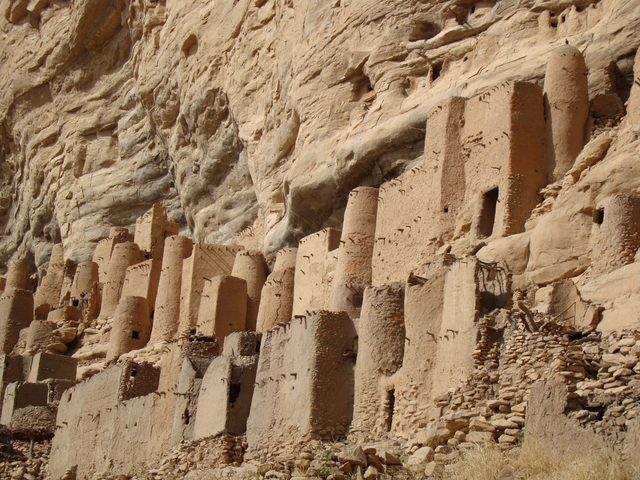
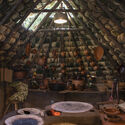
We visited “Dogon Country” in Mali (latitude 15°N) in 2008 to observe how vernacular “Dogon” architecture (a UNESCO World Heritage site) has achieved the counter-form of lived experiences. We were looking for the coherence between society and dwelling through architecture and urbanism in another dimension and another culture.
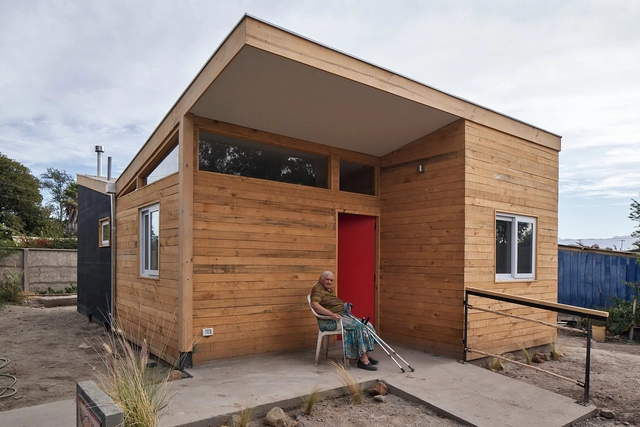
Throughout its history, CHC has participated in and supported social projects that improve the quality of life of their residents, while constantly seeking to establish new and better standards that contribute to the construction of spaces. In this particular case, the project led by architect Jaime Ovando integrates public funds through Chile's Habitabilidad Program and the Illustrious Municipality of Paine, along with private contributions from building material companies, the architecture firm, and the construction company, including CHC.
Thinking about the present and future of older adults is essential to improving the population's quality of life. According to the United Nations study on world population prospects, by 2050, it is estimated that 32% of Chile's population will be over 65 years old. According to data from the 2017 National Socioeconomic Characterization Survey (CASEN), 22.1% of older adults in the country live in multidimensional poverty. The connection between architecture and social commitment develops a strategy to combat vulnerability in this demographic.
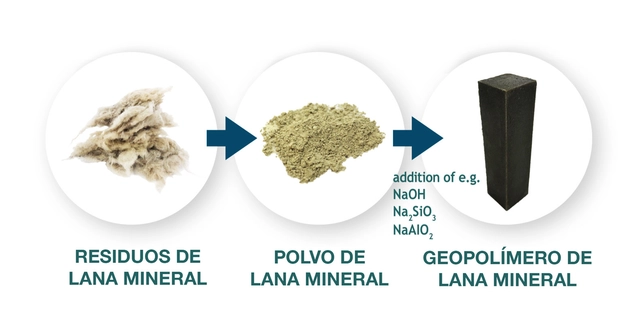
When addressing the recycling process of construction materials, several obstacles stand in the way of achieving a comprehensive and effective outcome. First, careless demolition can make the process highly complex, as materials destined for different recycling streams are often mixed together. Furthermore, not all materials can be recycled or processed efficiently, as many still require costly or overly complex processes. However, the construction industry—a major contributor to waste production and greenhouse gas emissions—has also developed multiple new technologies to improve its practices. This is where the WOOL2LOOP project comes in, aiming to resolve one of the greatest challenges in applying a circular approach to construction and demolition waste.
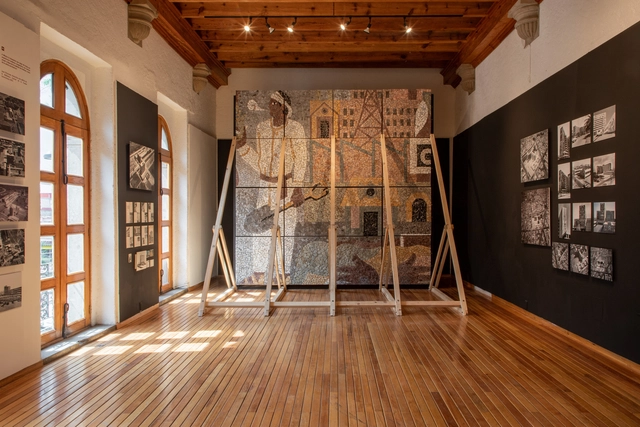
On this day 117 years ago, Juan O'Gorman—the first Mexican functionalist architect—was born, whose work marked a turning point in the architectural production of his era. He trained at what was then the National School of Architecture, where he completed and integrated his studies in architecture and engineering. Considered the father of modern architecture in Mexico, O'Gorman trained in the style of Le Corbusier and the stripped purism of Villagrán, eventually evolving toward the "New Mexican Baroque" movement. His works were characterized primarily by the use of reinforced concrete, asymmetric exteriors, and a constant search for air and light.
__2017_01.jpg?1644495131&format=webp&width=640&height=580)
The CCCB is launching the call for entries for the European Prize for Urban Public Space, a biennial competition organized to recognize and promote projects that create, restore, and improve public spaces in European cities. This honorary award—with registration open from April 20 to May 17, 2022—will recognize works completed between 2018 and 2021. Teresa Galí-Izard, an agricultural engineer, landscape architect, and professor at ETH Zurich, will chair the prize's international jury. The rules and all information regarding participation are available on the website.

This July 11 marks World Population Day, an annual event established by the United Nations Development Programme (UNDP) in 1990 to raise awareness of global demographic issues. This is a critical issue today; not only is the global population projected to reach nearly 10 billion by 2050, but the latest UN-Habitat reports estimate that, by then, two-thirds of the world will live in cities.
Every year, World Population Review assesses urban growth and the number of residents living in metropolitan areas to understand global development trends. While the list of the 20 most populous cities in the world features recurring Asian hubs like Tokyo, Delhi, and Shanghai, it also includes several Latin American metropolises such as Sao Paulo, Mexico City, and Buenos Aires. Consequently, we have compiled a list of the ten most populous cities in Latin America to understand their growth and role in the global context.




__2017_06.jpg?1644495162 "European Prize for Urban Public Space - 2018 Edition Winners. Image via Centre de Cultura Contemporània de Barcelona")
__2017_05.jpg?1644495156 "European Prize for Urban Public Space - 2018 Edition Winners. Image via Centre de Cultura Contemporània de Barcelona")
__2017_02.jpg?1644495138 "European Prize for Urban Public Space - 2018 Edition Winners. Image via Centre de Cultura Contemporània de Barcelona")
__2017_07.jpg?1644495169 "European Prize for Urban Public Space - 2018 Edition Winners. Image via Centre de Cultura Contemporània de Barcelona")
__2017_01.jpg?1644495131)