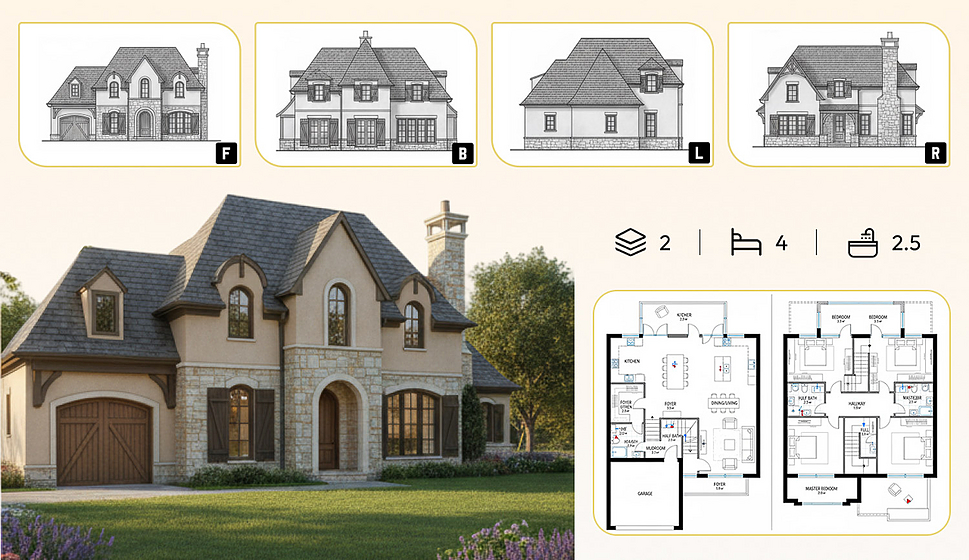
This guide covers a workflow that moves from project parameters to generated floor plans, 3D perspective views, exterior design exploration, and site context visualization, using AI tools in place of preliminary CAD and rendering work.
This guide covers a workflow that moves from project parameters to generated floor plans, 3D perspective views, exterior design exploration, and site context visualization, using AI tools in place of preliminary CAD and rendering work.
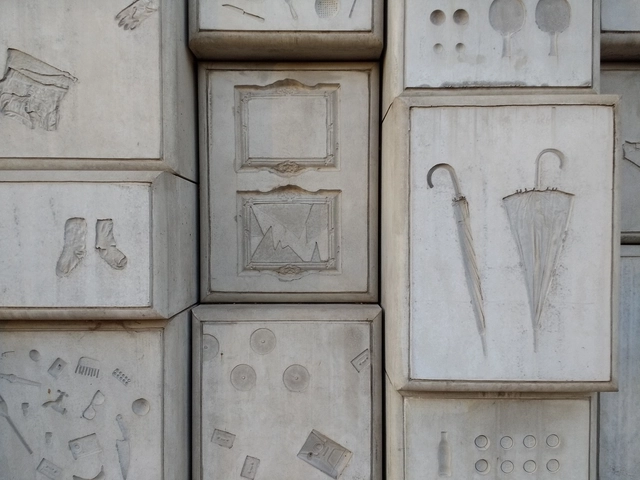
'Monumento: Humanity Behind the Concrete' is a documentary by Fernando Díaz on the construction of the National Holocaust Memorial in Buenos Aires, designed by architects Gustavo Nielsen and Sebastián Marsiglia.
The film establishes a dialogue between Holocaust survivors living in Buenos Aires and the construction of the monument, addressing the need to keep humanity's memory alive.
Watch the trailer for the documentary below.
As you know, ArchDaily has joined forces with Spotify, the world's largest music streaming platform. From the start, we have been sharing our own playlists for those moments in the lives of all architects. We have also invited architects from Latin America and Spain to share the music that inspires them, or better yet, the sounds that have shaped their careers.
In this installment of ArchDaily en Español + Spotify, we share an ad hoc playlist to close out the year: Fiesta para Arquitectos. A constantly updated playlist to get the party started... while you edit your plans.

The more hidden and remote, the greater the magic; the more land, sky, and water come into view, the deeper the mystery. To know its towns is to enter el Perú profundo, a territory spanning coast, highlands, and jungle. Alongside the vast ocean lies the coastal desert, the towering peaks of the Andes Mountains traversing the country from north to south, and the expansive rainforest harboring the source of the Amazon River. Upon this landscape rest the settlements and structures of ancient cultures. Imagine, then, how many atmospheres remain to be discovered in the most remote corners of this biodiversity. The climatic variety is proportional to the diverse typologies of its towns: towns of sorcerers, ghost towns, lost towns, floating towns, towns of ancient or forgotten languages, of musicians, of stone, of clay, of colors...
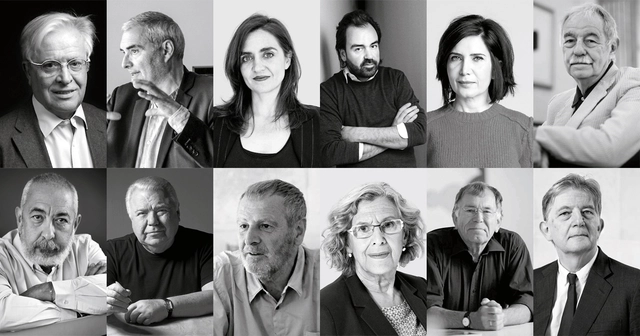
Yesterday, June 13, marked the opening of the 5th International Congress of Architecture and Society, an event presided over by King Felipe VI for the second consecutive edition. The President of the Government of Navarra, Uxue Barkos, and the Minister of Development, José Luis Ábalos, also participated in the official opening.
Architect Francisco Mangado was responsible for opening the event, which in its fifth edition will focus on cities and the challenges architecture faces in addressing urban demands. The architect from Navarra stated that “Architecture is not an isolated event of personal preferences; it is a profoundly cultural and social act, linked to the city as a reality that belongs to the common good,” adding that “the quality of architecture and the city is not a luxury, it is a right for all citizens.”
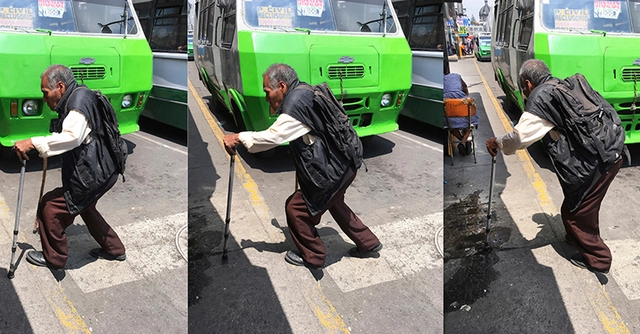

On this occasion, the Arquia Foundation Blog, alongside architect Sabrina Gaudino Di Meo, presents an article on the urban antipathy of our cities—which has unfortunately become a daily experience, a naturalized condition, and a fixture of the collective imagination. Faced with this situation, who is responsible? Where are urban planning and social policies when it comes to making our cities friendlier?
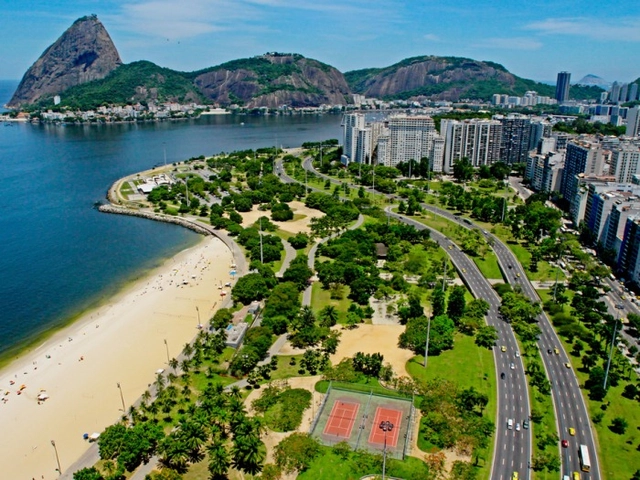
The Council of the International Union of Architects (UIA), meeting in Oaxaca, Mexico, unanimously approved on May 18 the nomination of the city of Rio de Janeiro as the UIA/UNESCO World Capital of Architecture for 2020. Securing this title is part of the program proposed by the City of Rio, with support from the Institute of Architects of Brazil (IAB), for 2020, when the city will host the 27th World Congress of Architects.
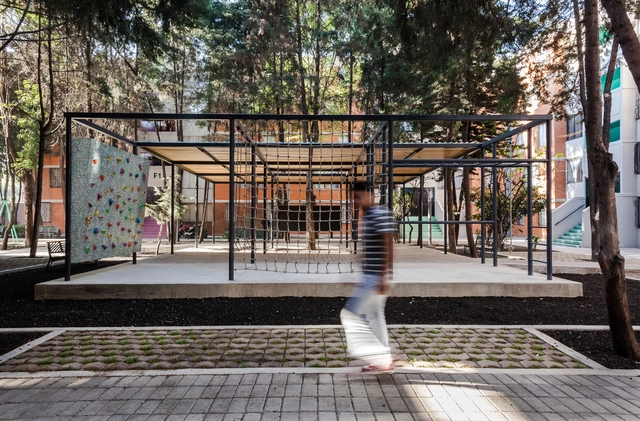
Last month, the Mies Crown Hall Americas Prize (MCHAP) announced the four finalists for the MCHAP.emerging award: the Maria Montessori Mazatlan School by EPArquitectos and Estudio Macías Peredo, the Children Village by Rosenbaum and Aleph Zero, the Embodied Computation LAB by David Benjamin, and Common Unity by Rozana Montiel Estudio de Arquitectura.
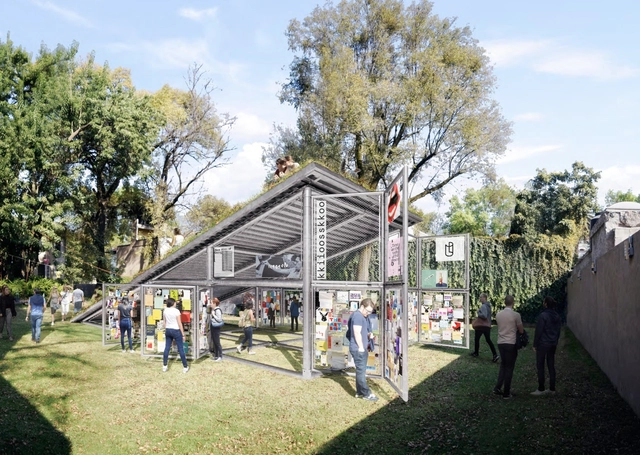
Kiosko, the Alumnos47 initiative that explores publications outside of publishing, now has a winning design for its pavilion. Following the launch of the open call last year, forty-nine proposals were received from different states across Mexico, as well as one from abroad. After a lengthy and rigorous deliberation, the jury—composed of Chus Martínez, Daniel Garza Usabiaga, Tiago Pinto de Calvalho, and Fermín Espinosa—awarded an honorable mention and selected five finalists, from which a winner was chosen.
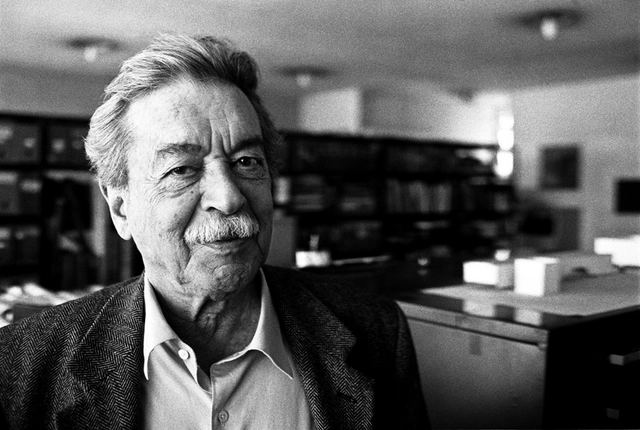
Invited by the organizers of UIA2020Rio, architect Paulo Mendes da Rocha will chair the Honorary Committee of the World Congress of the International Union of Architects, which will take place in two years in Rio de Janeiro under the theme "All worlds. Just one world. Architecture 21."
.jpg?1523848316&format=webp&width=640&height=580)
In this piece, the Arquia Foundation Blog, alongside an article by architect and educator Santiago de Molina, calls on anyone wishing to become an architect in the near future to maintain a cultivated skepticism of almost everything, to have the courage to trust nothing, and to make the effort to maintain and nourish a cultivated imagination.

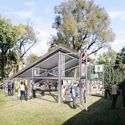
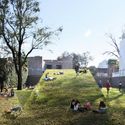
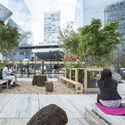
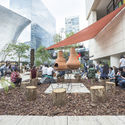
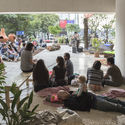
Museo Jumex presents 'Proposals for a Plaza,' a collaborative project by artists Fritz Haeg (United States, 1969) and Nils Norman (United Kingdom, 1966). This temporary installation, commissioned as part of the series 'Agora: A Blueprint for Utopia,' will invite the public to imagine and participate in an alternative vision of the museum's plaza.
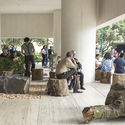
Inspired by the outdoor spaces of Mexico City, the project draws elements from public parks and the wildlife areas surrounding the city, while also integrating informal uses of open space. It features seating and sleeping areas, a kiosk, a fire pit, bleachers, and outdoor spaces designed for contemplation, gathering, resting, and play.

With the aim of promoting the care and recognition of cultural heritage, the Cultural Heritage Law Research Group of the Federal University of Ouro Preto (UFOP), the Technical Office of the National Institute of Historic and Artistic Heritage (Iphan) in Ouro Preto (MG), and the Public Ministry of Minas Gerais (MP-MG) have developed the Manual for Residents of Heritage-Listed Houses.

Researchers recently announced the discovery of the world's largest termite mound complex, located in northeastern Brazil. The total volume of excavated soil is estimated to equal 4,000 Pyramids of Giza, with the complex itself averaging 4,000 years of age and covering an estimated area of 230,000 square kilometers—equivalent to the size of Great Britain.

At the end of March, 250 students from across Latin America gathered to reflect, share, design, and build three projects in the town of Chucuito, Peru. This was the 15th edition of the Latin American Social Workshop (TSL), a workshop organized by the Latin American Coordinator of Architecture Students (CLEA) and partnered on this occasion with the Peruvian Organization of Architecture Students (OPEA).
Over ten days, the students worked intensively alongside architects Enrique Villacís (ENSUSITIO, Ecuador), Juliana López and Daniel Buitrago (Ruta 4, Colombia), Jhony Chávez (Peru), and Lucio Torres (Peru). Divided into three teams, the students and workshop leaders addressed issues related to heritage restoration, landscape, and public space, while also learning about the places, traditions, and inhabitants of the region known as the folklore capital of Peru.
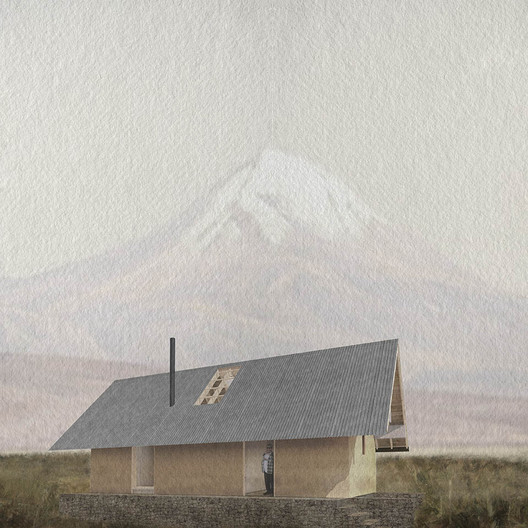
It is our duty to place human dignity at the center of the reconstruction process.
- Telar Social México
On September 19, 2017, Mexico experienced one of the strongest earthquakes in its history. Measuring 7.1 on the Richter scale, it left more than 369 casualties and 150,000 homes destroyed across five states, with Oaxaca, Morelos, the State of Mexico, and Guerrero being the hardest hit.
Ecatzingo, located southwest of the Popocatépetl Volcano in the State of Mexico, remains one of the municipalities most severely damaged by the earthquake, where 1,587 affected homes—601 of them uninhabitable—left entire families homeless.
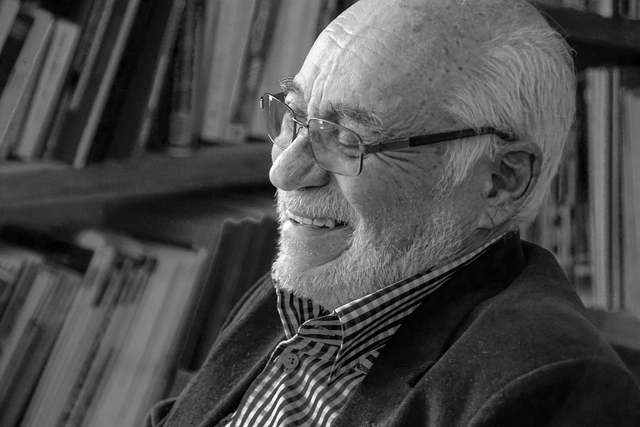
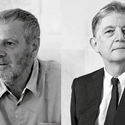
Following the passing of the prolific Ecuadorian architect Rubén Moreira (1939-2018) last Friday, July 13, in Quito, the team at Revista Trama—composed of Evelia Peralta, Rolando Moya Tasquer, and Rómulo Moya Peralta—shared the following words in tribute to the historic architect, academic, and professional association president.
We bid farewell to Rubén Moreira with deep sorrow, profoundly saddened by his passing at a time when he still had so much to ponder, develop, give, and live.
We will not forget the human being and the architect who left an indelible mark on Ecuadorian architecture. We can attest to his profound humanity; he was supportive, a loyal friend, and consistent with his ideals and convictions. We crossed paths with him on various occasions over more than 42 years, as he always sought to contribute to a more just and beautiful construction of society, cities, architecture, institutions, education, and humanity.
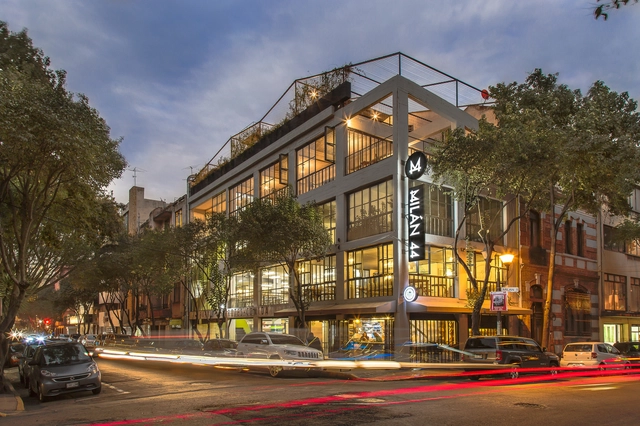
On October 13, the 2018 Archmarathon Awards concluded their fifth edition in Milan. Held at the impressive Palazzo Mezzanotte from October 11 to 13, 2018, the event featured 55 architecture and interior design projects across 16 categories, submitted by 55 studios from 23 countries and four continents. Selected by a prestigious international jury, the 55 firms were invited to present their projects to a large audience of architects, developers, and designers from around the world.
During the ceremony, the winners of each of the 16 categories and two overall winners—one for architecture and one for interior design—were announced. The selection was made by a main jury chaired by Luca Molinari, Gary Chang, Lesley Lokko, and Mexican architect Rozana Montiel, along with a guest jury comprising Massimiliano Cecconi, Cherubino Gambardella, and Evgeniya Murinets. Read on to discover the final winners in both categories.
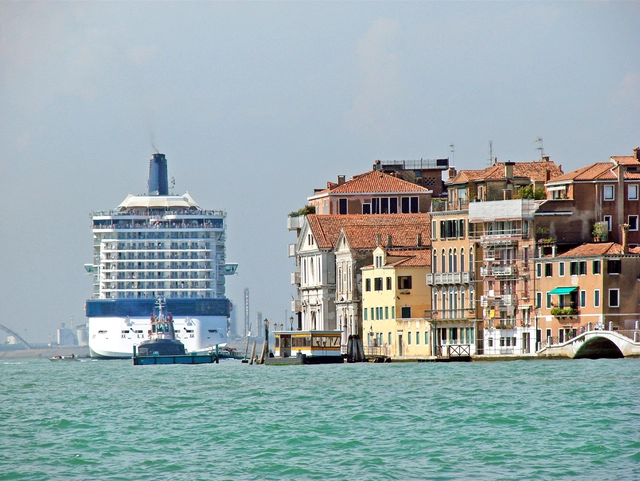
Whether from the perspective of a French tourist, the narrative of philosopher Jean-Paul Sartre, or as the starting point of Marco Polo's pioneering journeys in his Travels, the city of Venice is part of an immeasurable global literary repertoire, occupying the role of a mysterious and beautiful object that intrigues anyone who sets out to experience it. It features in art and history books when the focus is on the great works of architecture and visual arts the city holds, or when there is interest in the divergent and legendary narratives surrounding its origin. In fiction, the calm aura of its canals, the narrow alleyways, and the colors and textures of its landscape serve as a backdrop for a myriad of imagined stories.

The social initiatives of Ecuadorian architect David Regalado Ojeda in the city of Loja demonstrate a departure from the autonomous architectural project, addressing collective formal identity through a park built from recycled materials, where history is transformed into play and learning.
Artists, volunteers, and the local community collaborated on the project with zero financial investment: everything was recycled and built through community support.
Below, a few words from architect David Regalado Ojeda:
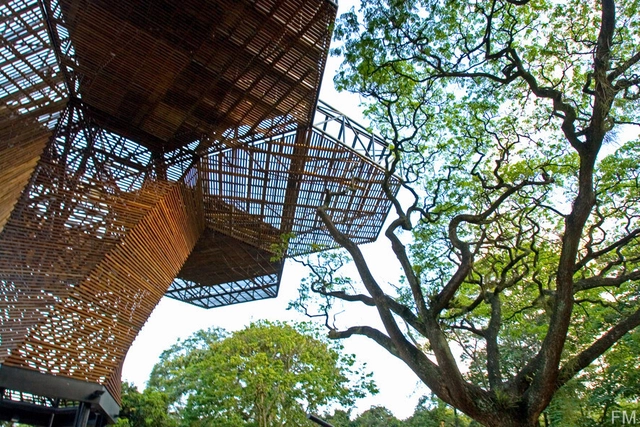
The close relationship between architecture and landscape in Latin America is undeniable. This is due not only to the region's geographical, climatic, and ecological diversity, but also to how these countries have built and shaped their cities amidst progress and setbacks. Among these ongoing achievements is a growing respect for the landscape, an architectural language tailored to its context, and solutions designed for its diverse climates.
For this selection, we have chosen 10 projects in Colombia that have successfully adapted to their landscape, both in form and construction, across both urban and rural contexts.

On September 12, Arq.Futuro and Insper will host the 2018 edition of the Arq.Futuro International Seminar - The City and the Water. As in previous editions, the event will present the Brazilian public with iconic success stories in the restoration of urban waterways and their surroundings. For this year's seminar, three cases were selected that stand out both for their urban quality and their explicit purpose of combating different forms of urban exclusion.
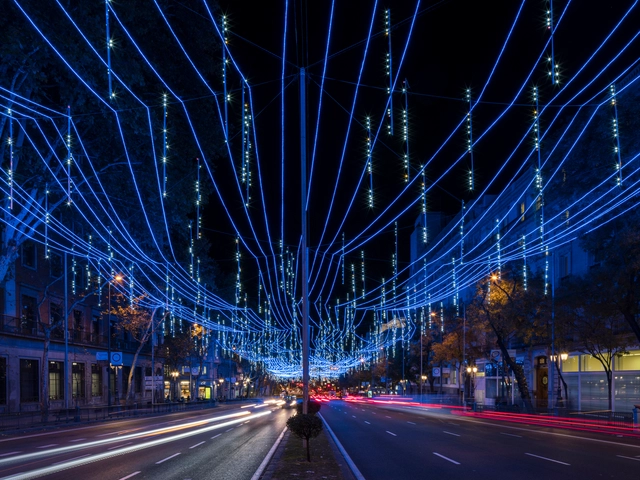
Alcalá Street was filled with light last Christmas thanks to the installation designed by the architecture studio Brut Deluxe and led by Ben Busche, commissioned by the City of Madrid.
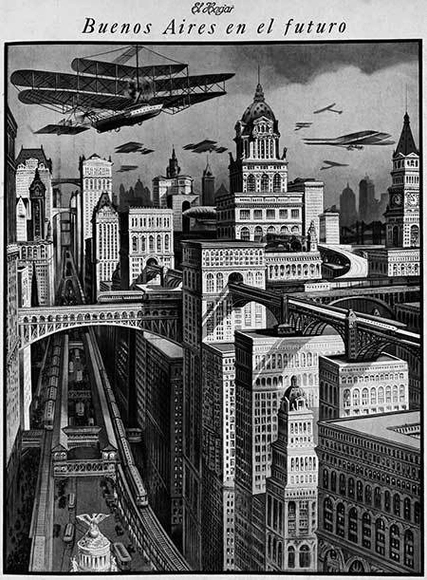
Buenos Aires, 2018. Population? Almost 3 million. High-speed maglev trains? Zero. Skyscrapers interconnected by railways? Zero. DeLoreans flying through the air? Unfortunately, zero. Transportation innovations? The Metrobus and bike lanes. In urban terms, the city seems not to have progressed at the pace once imagined.
There was blind faith in the future—a future where anything was possible, the sky was not the limit, and people could move freely above the clouds along a network of pathways connecting towering high-rises. What happened? To find out, we must travel back in time. To the past, to be precise.

Today's Google Doodle, featured on its homepage in Brazil, honors Milton Santos, a world-renowned Brazilian geographer widely celebrated for his pioneering work bridging geography and urbanization studies in developing countries. With a prolific career, Santos left a vast intellectual legacy, now compiled on a website created by his family. Organized into biographies, books, articles, research, and audiovisual materials, it keeps alive the legacy of this key figure in the fields of geography and urban studies.