On September 12, Arq.Futuro and Insper will host the 2018 edition of the Arq.Futuro International Seminar - The City and the Water. As in previous editions, the event will present the Brazilian public with iconic success stories in the restoration of urban waterways and their surroundings. For this year's seminar, three cases were selected that stand out both for their urban quality and their explicit purpose of combating different forms of urban exclusion.
First, Roberto Montezuma, professor of architecture and urbanism at the Federal University of Pernambuco, will present the Capibaribe Park project, a 30-kilometer mosaic of integrated parks and leisure areas along both banks of the Capibaribe River in the city of Recife. The park's design prioritizes pedestrian and bicycle mobility, creating opportunities for the city's population to connect more closely with their environment and, specifically, its waterways.
Next, the audience will learn about the Vida à Água (Life to Water) project from the municipality of São José dos Pinhais, in the Metropolitan Region of Curitiba (RMC), Paraná. The initiative, to be presented by Professor Tamara van Kaick from UTFPR, is built on raising citizen awareness about water pollution, utilizing educational activities focused in two local municipal schools. These activities aim to turn teachers and students into disseminators of knowledge regarding threats to the drinking water supply in the RMC, while implementing low-cost solutions for sanitation, waste collection, and recycling in the schools themselves and their surrounding communities.
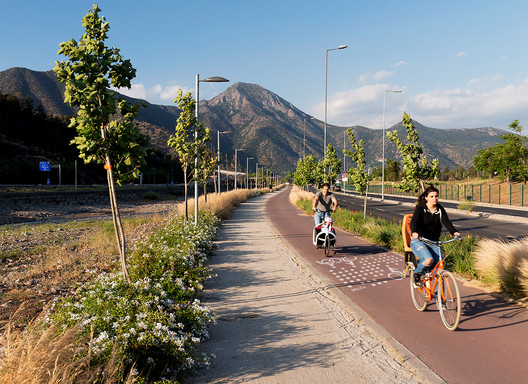
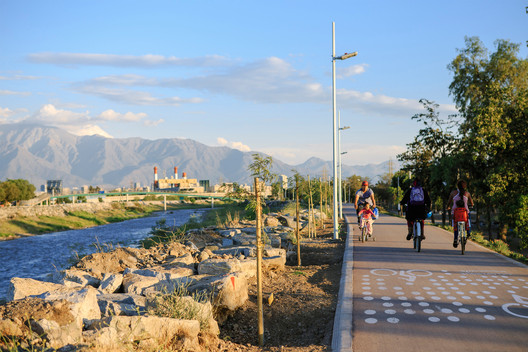
Finally, Sandra Iturriaga, from the University of Santiago (Chile), will present the Mapocho 42K – Geographical Promenade for Equity project. This initiative consists of an intervention along 42 kilometers of the Mapocho River banks crossing the Chilean capital, transforming the waterfront spaces into a continuous promenade featuring green areas, bike paths, and leisure spaces, connecting neighborhoods of different social strata and combating socioeconomic segregation.
Registration is free and must be done through this link, subject to auditorium capacity.
Field visits with the speakers
Jardim Colombo
In the Jardim Colombo neighborhood, part of the Paraisópolis complex, community leaders will personally present some of the typical water management challenges in Brazilian cities. The local stream still receives domestic sewage because the installation of the sanitation network was never completed. Houses and streets in the lower areas suffer from seasonal flooding, a consequence of both soil impermeability and the clogging of the drainage network by waste discarded irregularly by the community itself. The stream's headwaters still retain a small perimeter of preserved forest, but face constant pressure from deforestation and informal housing construction, which aggravates the silting of the waterway.
Cantinho do Céu
The redevelopment of the Billings Reservoir waterfront in the Cantinho do Céu neighborhood, located in the Grajaú district, is a milestone in the rehabilitation of areas surrounding water bodies in São Paulo. The neighborhood, situated in a low-income peripheral area, consists of self-built homes constructed in the absence of formal urban planning or basic infrastructure like paved streets, sidewalks, and sewage systems. The intervention by the São Paulo municipal government organized and upgraded the neighborhood in these essential areas, and went even further: it created a continuous strip of public space along the reservoir's edge for leisure and recreation, complete with benches, boardwalks, sports courts, and piers. Beyond serving as a public space, this waterfront fulfills two other functions: it prevents new informal settlements along the reservoir and allows residents to enjoy direct contact with the water source, raising awareness about the importance of not dumping trash or discharging sewage there.

The City and the Water Seminar
Venue: Insper – Steffi and Max Perlman Auditorium - Rua Uberabinha, no number – Vila Olímpia, São Paulo
Date: 09/12/2018, from 9:00 AM to 1:00 PM
Free registration at this link
This article was written by Romullo Baratto. The translation is powered by AI.