With the launch of ODA19, this year we celebrate the eleventh anniversary of the Obra del Año (ODA) Award, the highest accolade in the architectural world where the winners are chosen by popular vote. Starting today, Monday, April 1, and for the next three weeks, our readers are responsible for determining which projects inspired us during 2018, faithfully representing the identity of our local contexts while shaping the way architecture is practiced around the world.
Over the next three weeks, the entire ArchDaily en Español network (Plataforma Arquitectura, ArchDaily México, ArchDaily Colombia, and ArchDaily Perú) will serve as the platform to celebrate the best built architecture in Spain and Spanish-speaking countries in Latin America.
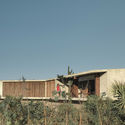
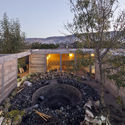
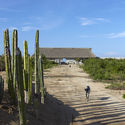
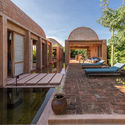
The Mexican state of Oaxaca is one of the most visited destinations in the country, drawing travelers from around the globe with its rich culinary, cultural, and architectural heritage. Located in the southeastern region of the country, it spans 93,757 km² and is divided into 570 municipalities, making it the fifth-largest state in Mexico.
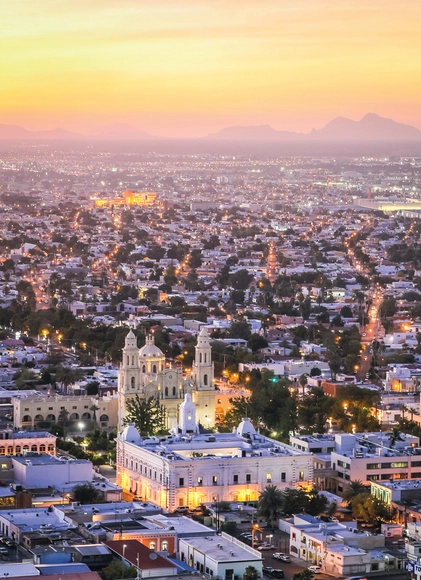
Courtesy of Felipe Vera, Diego Arcia & Andreina Seijas. ImageHermosillo, Mexico
Few may have heard of Hermosillo, a Mexican city of 850,000 inhabitants located in the middle of the desert, just 280 kilometers south of the United States border. It is a city of great strengths, but also immense challenges. In an increasingly urbanized world, cities have become platforms for innovation and change, particularly in developing countries. While megacities like Bogotá, Lima, and Mexico City struggle to distribute goods and services to their sprawling populations, intermediate cities like Hermosillo have the potential to offer a more sustainable alternative.
https://www.archdaily.com/1120492/hermosillo-the-mexican-city-that-became-a-testing-ground-for-urban-experimentation-in-the-desertFelipe Vera, Diego Arcia & Andreina Seijas
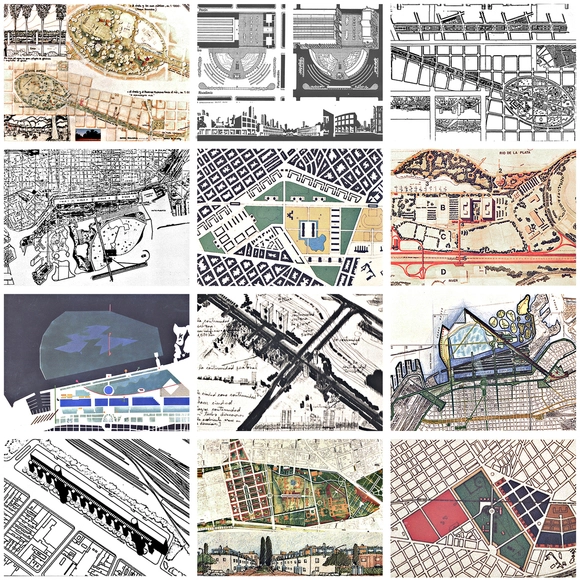
In 1986, an urban design competition was held in Argentina titled “Ideas Urbano-Arquitectónicas para Buenos Aires” (Urban-Architectural Ideas for Buenos Aires), more commonly known as “Las Veinte Ideas” (The Twenty Ideas). Organized as part of a cooperation program between the Community of Madrid and the Municipality of Buenos Aires during the mayoral administration of Facundo Suárez Lastra, this call for entries generated a high concentration of design concepts. With the participation of more than 400 architects, it yielded a total of 120 proposals for the city. Although unbuilt, these ideas hold significant theoretical and historical relevance; in many cases, they served as the seed or starting point for the development of subsequent urban projects.
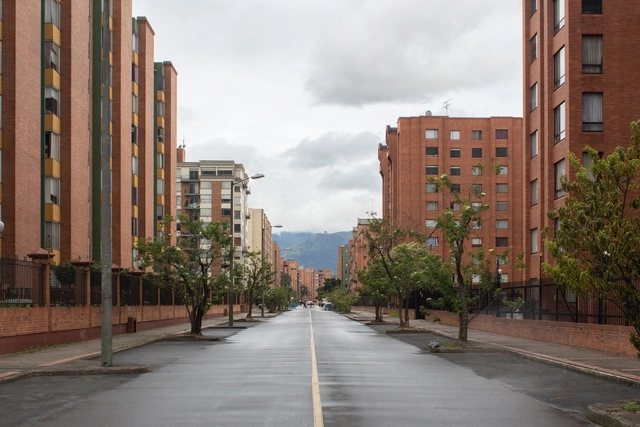
Ciudad Salitre. Foto de Santiago Beaumé, María Luisa Cervantes y Federico Chaparro. Image Cortesía de Ciudad Isla
In Bogotá, a third of all households live in gated communities. This phenomenon is a misguided application of the model idealized by post-war American suburbs, which projected an idyllic, safe, happy, and perfect life—a life where mobility prioritizes motorized vehicles, utilizing simple, replicable, and, of course, highly profitable construction models.
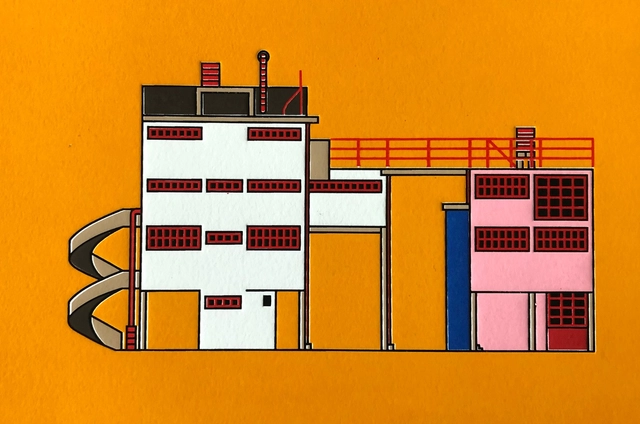
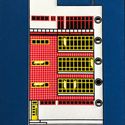
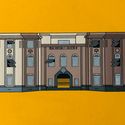
Construcciones Modernas, S.A. is a series comprising an album of popular, remembered, and forgotten buildings in Mexico City—a record and the beginning of an atlas. It is a subway line featuring all the architectural icons missing from the train cars, a tribute to the city, its modernity, and its decay.
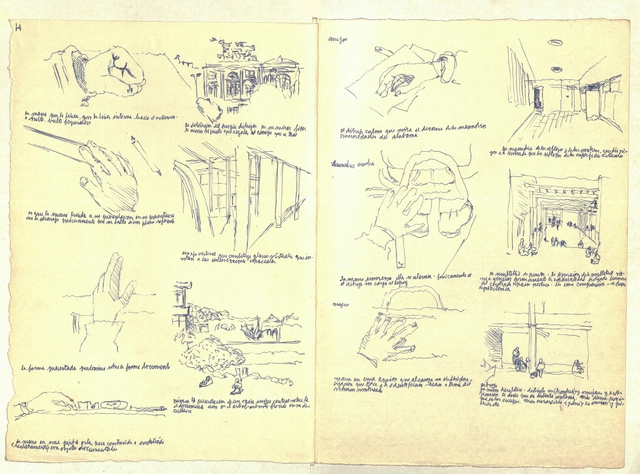
Alberto Cruz, one of the Chilean architects who re-founded the School of Architecture of the Pontificia Universidad Católica de Valparaíso and founder of Amereida and the subsequent Open City, left behind more than 2,200 notebooks and folders, 200 drawings in various techniques, formats, and mediums, and around a thousand documents when he passed away in 2013.
Five years earlier, his granddaughter, historian Sara Browne, began working with Cruz to catalog his private output. Today, this entire archive is part of the Alberto Cruz Covarrubias Foundation, a space dedicated to honoring the memory of the 1975 National Architecture Award recipient.
In this email conversation with Browne, the historian examines the challenges of conserving and digitizing this historic archive, while also reflecting on Cruz Covarrubias's legacy.
CityMakers is working with ArchDaily to publish a series of articles, conversations, and interviews with various actors in city co-production, who are behind the Barcelona CityMakers Lab 2019, an event taking place from October 14 to 20.
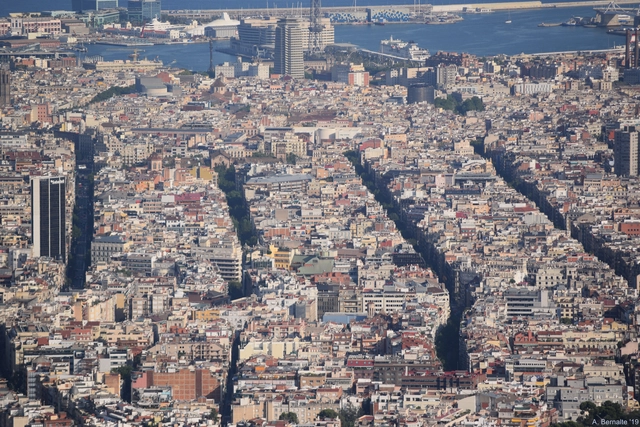
On this occasion, we feature Oriol Estela Barnet, general coordinator of the Barcelona Metropolitan Strategic Plan, who will give a MasterClass at the Barcelona CityMakers Lab 2019 addressing the concept of “a third generation of strategic urban plans: the case of Barcelona.”
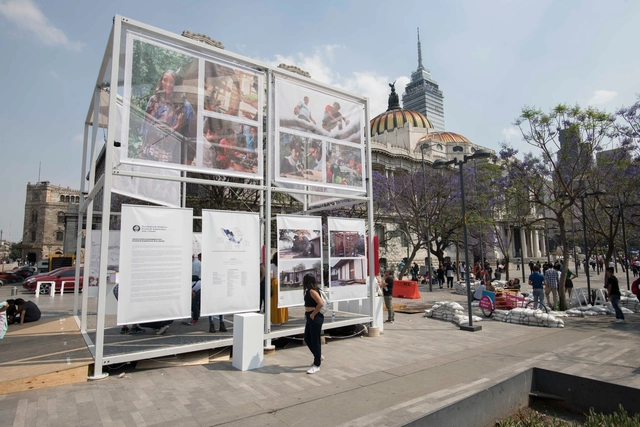
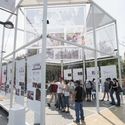
CUBO is the name of the installation created by the School of Architecture, Art, and Design at Tecnológico de Monterrey, which was presented in March at Alameda Central in Mexico City. The pavilion was designed as an open, flexible, and itinerant meeting point, hosting cultural events as well as exchanges of ideas and goods. CUBO (Urban Cell for Well-being and Opportunities) is a social innovation project that served as a stage for civic engagement, fostering participatory processes in communities through recreation, reconciliation, and learning.
The XI Ibero-American Biennial of Architecture and Urbanism (XI BIAU) recently announced the 210 selected works for its upcoming edition, which will be held for the first time in Asunción this October.
The winners of the Panorama of Works Award will be chosen from this list of selected projects, which includes the 14 Peruvian works featured below.
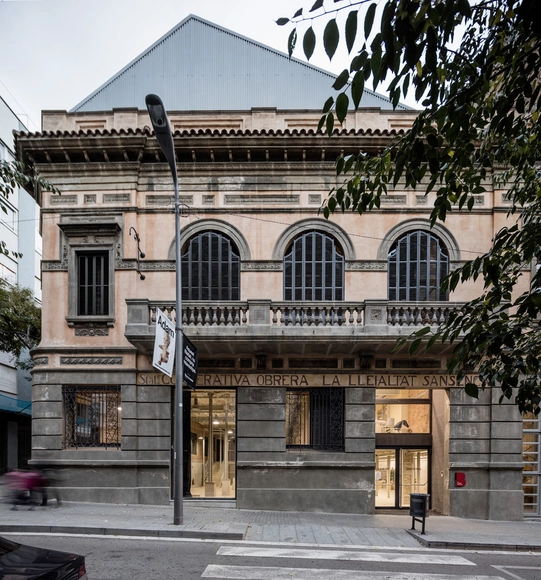
Twelve finalist projects, one honorable mention, and five winning works were announced yesterday in Barcelona, marking the results of the 4th edition of the AADIPA European Award for Architectural Heritage Intervention.
https://www.archdaily.com/1120673/these-are-the-winners-of-the-european-award-for-architectural-heritage-intervention-aadipa-2019ArchDaily Team
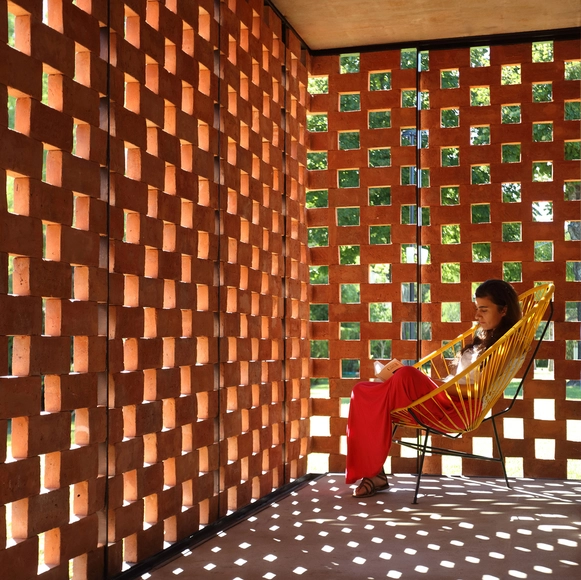
Brick is, without a doubt, the building material most widely validated by the collective imagination; from children's fables to the most experimental narratives, many have drawn inspiration from the diverse meanings shaped by its distinctive character.
So begins "Arquitecturas Argentinas con Ladrillo" (Argentine Brick Architecture), a book edited by Bisman Ediciones and co-published by the Universidad de Morón and Grupo UNICER, with the participation of the Universidad Católica de Córdoba. Conceived as a compendium, it features a meticulous selection of recently built projects in Argentina sharing a clear common denominator: the study and use of brick as a fundamental building material to create architecture.
Through various graphic resources such as floor plans, photographs, and unprecedented construction details, the book functions as a true catalog of typologies, exploring the diversity and versatility of masonry applications in the region. The volume compiles history, technique, and contemporary reference projects, demonstrating how brick has inevitably established itself as a characteristic and defining material of Argentine and Latin American architecture.
The 2019 Architecture Prize was a call for entries launched by the National Endowment for the Arts (FNA). Geared toward young architects, it aimed to highlight and showcase cultural projects built in Argentina, including museums, theaters, auditoriums, concert halls, art galleries, radio studios, cinemas, libraries, bookstores, art studios, production workshops, rehearsal spaces, and community, private, or public cultural spaces.
One of the first things I hear upon arrival is that the sixth edition of the Academic Event of the School of Architecture (EARQ) was not only organized by students, but is also part of the graduation requirements to become an architect at the Pontifical Catholic University of Ecuador (PUCE-SI). This management work, without a doubt, carries conditions that closely align with what we recognize as necessary in our discipline today.
The National Architecture and Urbanism Award, presented by the Colombian Society of Architects (SCA), recognizes projects that outstandingly showcase the finest contributions to Colombian architecture.
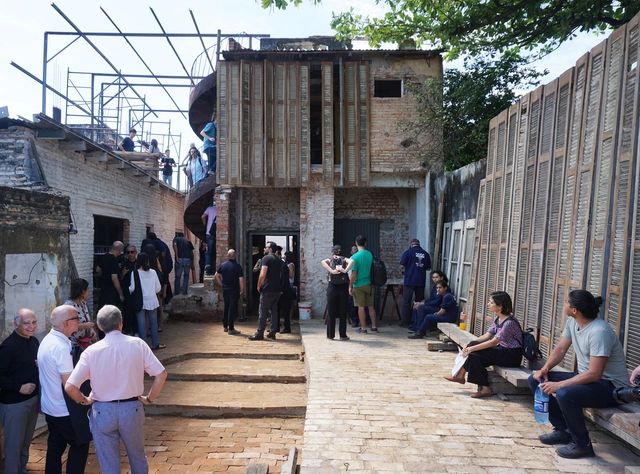
The new edition of the Ibero-American Biennial of Architecture and Urbanism (XI BIAU) poses a different challenge. This time, along the shores of the peaceful Paraguay River, the Ricardo Brugada neighborhood, known as La Chacarita—one of the oldest in Asunción's historic center—takes center stage.
Together with the residents—who also exhibited the biennial's award-winning projects in their own private homes—national curators led 13 working groups to develop proposals for the improvement and transformation of a sector historically overlooked by the city, often associated with crime and unemployment. Some of these initiatives have already been put into practice.
CityMakers is working alongside ArchDaily to publish a series of articles, conversations, and interviews with the key figures of urban co-production behind the Barcelona CityMakers Lab 2019, an event taking place from October 14 to 20.
In this edition, we feature Salvador Rueda, director of the Urban Ecology Agency of Barcelona, who will give a Masterclass at the Barcelona CityMakers Lab 2019addressing concepts of "Ecosystemic Urbanism," the foundation of a new urban model for the city of Barcelona.
Continuing the series of articles by Nikos A. Salingaros, David Brain, Andrés M. Duany, Michael W. Mehaffy, and Ernesto Philibert-Petit on social housing in Latin America, this installment explores economic alternatives to address construction costs. Review all previous publications and the new article below.
https://www.archdaily.com/1120709/financing-strategies-focused-on-the-small-scale-for-social-housing-in-latin-americaNikos A. Salingaros, David Brain, Andrés M. Duany, Michael W. Mehaffy & Ernesto Philibert-Petit
During June, Mexico City hosted one of the world's most famous workshops for the first time: Porto Academy. Held annually at the Faculty of Architecture of the University of Porto—designed by 1992 Pritzker Prize laureate Álvaro Siza—this event is the result of a deep passion for architecture and for those who believe that practice, as the exercise of the profession, is fundamental to the future of the discipline.
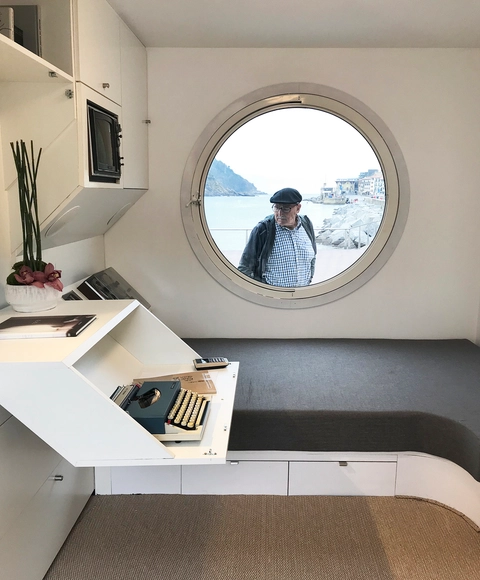
At a time when micro-housing has moved to the center of debate—driven by rapid urban densification and emerging social needs—the proliferation of micro-units such as capsule hotels in Europe has sparked conversations about the future of our cities, offering new ways to adapt to contemporary living. Against this backdrop, the MUGAK Basque Country International Architecture Biennial presented an installation titled "Nakagin 1:1," a full-scale replica of one of the capsule units from the Nakagin Capsule Tower by Kisho Kurokawa in Tokyo, Japan. Located next to the San Sebastián Royal Yacht Club, the installation overlooks one of the Basque Country's most iconic spots, La Concha Bay, allowing visitors to experience firsthand what it feels like to inhabit these micro-housing units of just 10 m2 at a 1:1 scale.
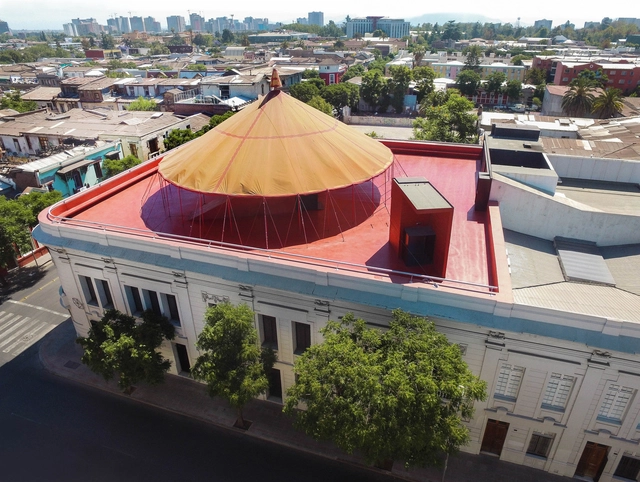
Tomorrow, Chile celebrates Cultural Heritage Day, marking two decades since its inaugural edition. This year, a wide range of buildings will open to the public, featuring free tours and activities on Saturday, May 25, and Sunday, May 26.
Below, we highlight 10 unique initiatives that promise a distinct experience.
Through the Urban Development Corporation (EDU) and the Colombian Association of Architects (SCA), Medellín launched an international competition to design a space of memory and reflection on the period between 1983 and 1994, one of the most violent eras in the Colombian city. The competition jury awarded first prize to the design team of Taller Alterno, Pequeña Escala Arquitectura, and Luis Felipe Zapata Flórez.
Read more about the project below, in the words of its designers.
Inflection. Def. A change of direction in a process or movement / A bend or angle in a flat or straight object
Oneblock proposes a record that not only investigates the uses and potential of everyday objects—and their resulting actions or spaces—but presents drawing as a tool "requiring constant updating to represent, at all times and with the utmost clarity, what it truly aims to convey, responding to the needs of society at every point along the unstoppable timeline." Read below for an in-depth look at the work in the authors' own words.
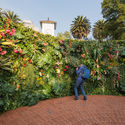
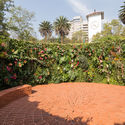
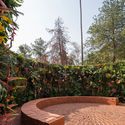
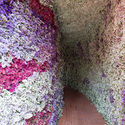
The Flower and Garden FestivalFYJA is an event held in Mexico City that brings together landscape architects, architects, artists, designers, artisans, gardeners, and students. In each edition, participants create a route featuring various activities and exhibitions, offering everyone—from experts and enthusiasts to the curious—the chance to engage with horticulture and experience the benefits of plants.
.jpg?1597424114&format=webp&width=640&height=580)
.jpg?1597424114)






.jpg?1565372350&format=webp&width=640&height=580)