Developed by researchers from the Federal Universities of Rio de Janeiro (UFRJ) and Bahia (UFBA), Cronologia do Pensamento Urbanísticois an online platform active since 2003 that brings together historical events, projects, key facts, and publications related to the history of urbanism in Brazil and worldwide.
The magazine Solidarity Housing Production: An International Overview was launched on Monday, November 25, at the opening of the National Seminar on Technical Assistance for Social Interest Housing. The publication compiles the main contributions from the event of the same name, held in July 2018. Organized by architects and urban planners Luciana Ximenes and Thais Velasco, the magazine was produced by CAU/RJ and the Observatório das Metrópoles (Ippur/UFRJ).
The second edition of the award, a partnership between the Tomie Ohtake Institute and Leroy Merlin, has extended its registration deadline. Until October 15, university students from any field can submit design projects related to product, furniture, fashion, interiors, landscape, web, graphic, and service design, among others, under the theme CIRCULAR.
The gradual transition from CAD to BIM in architecture firms worldwide, and particularly in Brazil, brings numerous benefits to the design process, from reducing the working hours spent on each project to facilitating the coordination of different disciplines.
However, to fully leverage these benefits, it is essential to have access to BIM families that meet specific design requirements. To simplify the search for this content, the online platform Família BIM offers over 800 families for free download upon registering on the website.
We can initially understand the concept of revitalization as a design practice or a socio-spatial process strategically led by specific groups associated with contemporary urban planning. The structuring of the contemporary city depends, according to Meyer (2000), on large-scale strategic urban projects. The strategic value of such projects, according to the author, hinges on their ability to trigger significant transformations in metropolitan space, enhancing its attractiveness and influence. Rather than simply offering localized and specific urban improvements, contemporary urban planning reveals itself, through the intentions of its proponents, as an instrument capable of promoting the cohesion of the metropolitan territory and organizing flows to prevent functional and spatial dispersion.
The Federal Senate has made a free e-book on the design of sustainable public buildings available on its official website. Written by Mário Hermes Stanziona Viggiano, the book presents a cultural, economic, environmental, and architectural approach to the conception and design of public-use buildings.
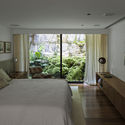
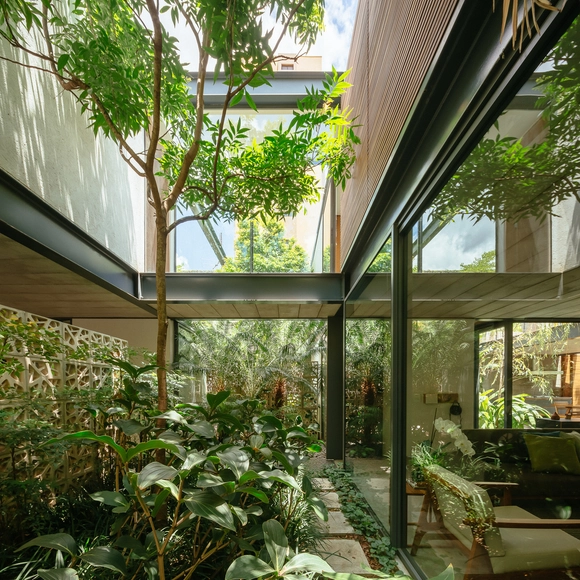
Landscape design is a fundamental component of various architectural typologies, particularly for integrating buildings with their surroundings and establishing connections between spaces. While vegetation is most commonly found outdoors, incorporating indoor gardens can completely transform a project's atmosphere.
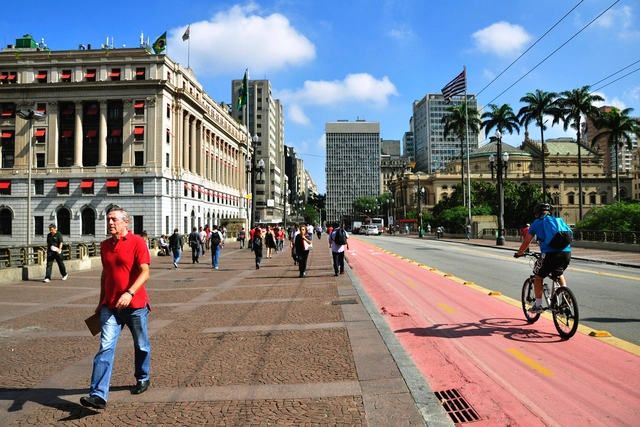
Downtown São Paulo. Photo: Mariana Gil/EMBARQ Brasil
Five Brazilians die in traffic accidents every hour. While highly critical statistics like this can spark positive reactions, they are not always enough to change reality on their own. However, knowing that in the city of São Paulo intersections concentrate more accidents per kilometer, and that these rose by 5% from 2017 to 2018, provides decision-makers with the concrete data needed to implement measures to reduce these numbers. Acting on the most dangerous intersections will save lives.
https://www.archdaily.com/1121376/how-sao-paulos-street-design-influences-traffic-accidentsWRI Brasil
The following reflections emerged from SENEMAU, the National Seminar of Model Offices of Architecture and Urbanism, which took place in Uberlândia, Minas Gerais, from August 9 to 18, 2019. This national gathering, held since 1997, brought together 12 student collectives from various cities across the country for an immersive experience focused on university outreach and the social and political role of architects and urban planners. The self-managed student gathering hosted an exhibition of works, debates on various themes, and immersive experiences in areas of interest across the city.
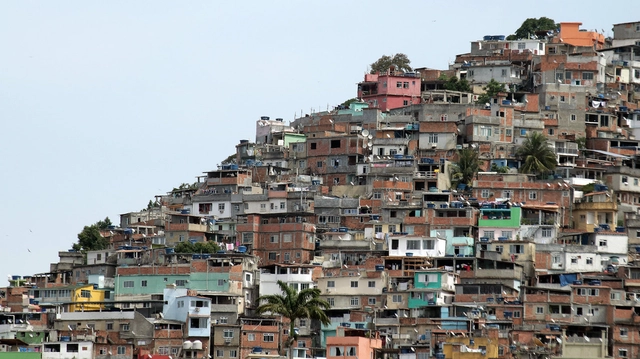
Rio de Janeiro. Image via Visual Hunt / CC BY-NC-SA
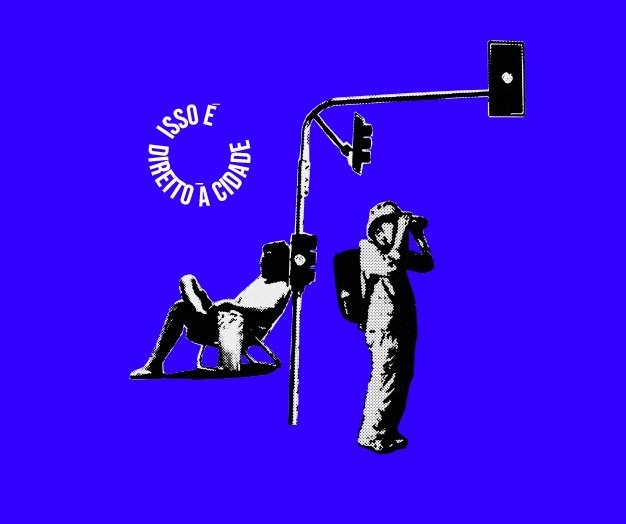
The broad scope of the term Right to the Citycan make it difficult to grasp, as its complexity demands a broader perspective on urban issues, going beyond the scope of architecture to necessarily encompass social, historical, cultural, economic, political, gender, and racial aspects. The overlapping of these—and several other—variables within the urban landscape can serve as the starting point for understanding the notion of the right to the city.
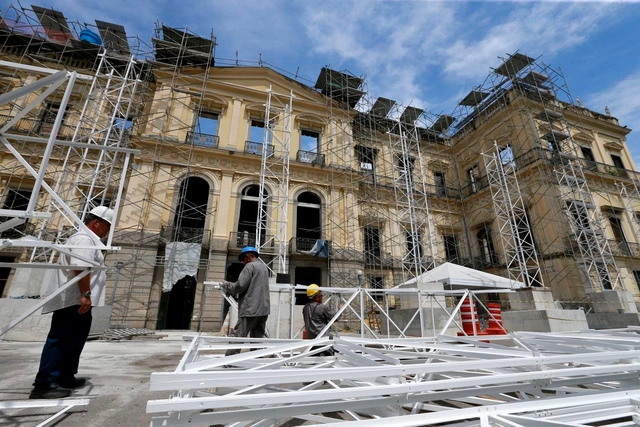
A short circuit in the museum's air conditioning unit caused the fire. Photo: Tania Rego/Agência Brasil
One year ago, on September 2, 2018, the National Museum in Rio de Janeiro, one of Latin America's most important cultural institutions, was engulfed by flames. A fire caused by a short circuit in the building's electrical wiring destroyed at least 80% of its collection, which focused on natural history and anthropology. One year later, efforts to recover artifacts and clear the debris suggest that some galleries could reopen as early as 2022, three years before the full restoration is completed in 2025.
In the popular imagination, *cortiços* (tenement houses) represented the worst of urban housing in Brazilian cities. Deeply rooted in the national culture and immortalized in Aluísio Azevedo’s classic novel, *cortiços* were depicted as unsanitary, dilapidated dwellings where disease proliferated, the margins of society lived, and landlords exploited tenants with extortionate rents.
A quality public transit system does not depend on buses alone: its overall quality is also directly linked to adjacent elements—such as bus stops. In all cities participating in the QualiÔnibus Benchmarking Group, bus stops were identified by the public as one of the most problematic components. But what can cities do to improve them?
https://www.archdaily.com/1121349/bus-stops-good-impression-or-frustration-in-public-transitMariana Müller Barcelos, Priscila Pacheco e Manon Masi
Rio de Janeiro - Samba schools from the Special Group perform at the Marquês de Sapucaí Sambadrome on the second day of parades (Fernando Frazão/Agência Brasil) - [CC BY 3.0 br (https://creativecommons.org/licenses/by/3.0/br/deed.en)]
The Unidos da Tijuca samba school has announced the theme for its 2020 Carnival parade at Marquês de Sapucaí: "Architecture and Urbanism." The choice was inspired by Rio de Janeiro's designation as the first World Capital of Architecture by UNESCO, as well as the city's selection to host the World Congress of Architects, an event organized by the International Union of Architects (UIA) that is expected to attract around 15,000 professionals and will take place in July next year.
Have you ever asked yourself this question? At first, it may seem strange to imagine that we have not always had windows in our buildings, let alone that they were sealed with a transparent material capable of allowing natural light into dark rooms or creating a barrier against the cold: glass.
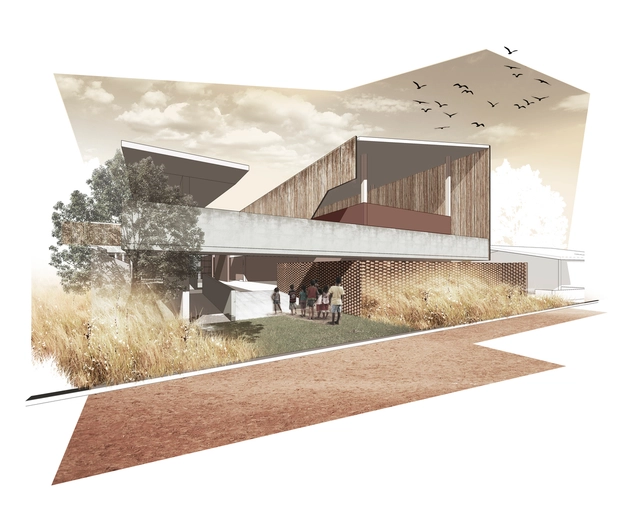
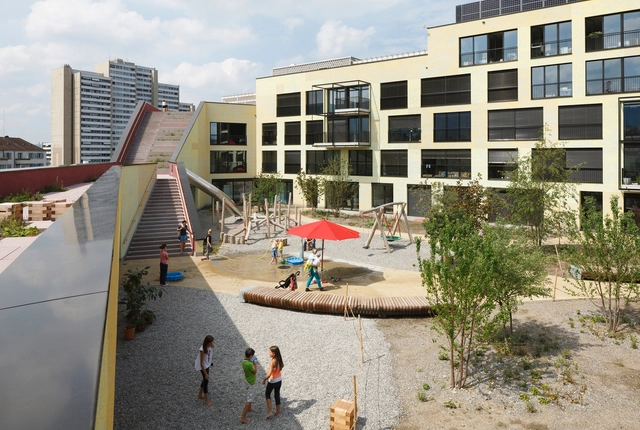
Vista a partir da rua em direção ao acesso de alunos. Image Cortesia de Coletivo de Arquitetos + Gustavo Fontes + C.U.A.C
The Pedra Furada School project responds to a demand from an institute operating in Sergipe with the goal of developing integrated solutions between technology and human processes, prioritizing education, public health, and creative economies. The school's mission is to improve educational and economic indicators in the village of Pedra Furada and its surroundings.
A desperate child screams in the middle of Dom José Gaspar Square in downtown São Paulo, pleading for them not to hurt her mother. She cries as she watches her being forcibly dragged by municipal agents from the cart where she sold fruit daily to the square's patrons. Her mother cries as well, trying to explain to the agents that the fruit and the cart were all she had to support her daughter. Moved, onlookers watch the scene and try to reason with the subdistrict officials, but they keep confiscating the goods—after all, “orders are orders.”
But what is the “order” that governs public spaces?
https://www.archdaily.com/1121328/toward-a-new-order-of-public-space-the-right-to-the-city-for-allRodrigo Faria G. Iacovini
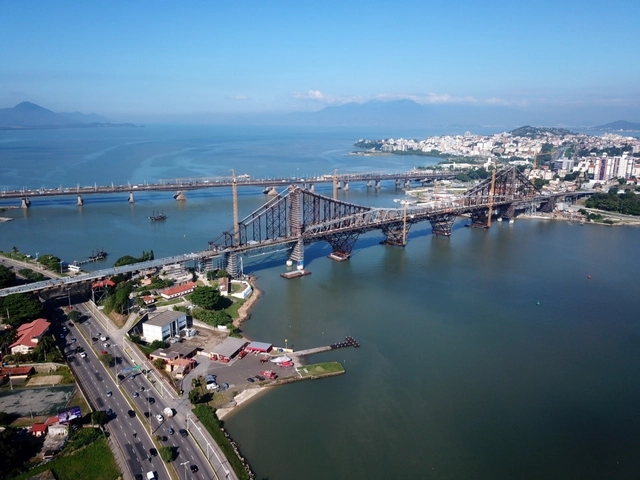
Ponte Hercílio Luz. Image Cortesia de Prefeitura Municipal de Florianópolis / Divulgação
The City of Florianópolis and the Santa Catarina State Government plan to inaugurate the first phase of the urban redevelopment project for the famous Hercílio Luz Bridge and its surroundings by the end of the year. Named Ponte Viva: Hercílio Luz Para as Pessoas (Living Bridge: Hercílio Luz for People), the project encompasses not only the restructuring of the iconic landmark as road infrastructure, but also its activation for other uses, such as sports, leisure, and culture.
Keys to facing a studio presentation or exam in the first years of architecture. Image via Facultad de Arquitectura, Planeamiento y Diseño UNR
Quacquarelli Symonds (QS) has released the 2019 edition of its annual ranking of the world's top universities in the field of architecture. This year, UCL (University College London) took the lead, a position held by the Massachusetts Institute of Technology (MIT) in the United States for the past four editions.
In Latin America, institutions from Chile, Brazil, and Mexico occupy the top three spots, respectively. See the top 10 below:
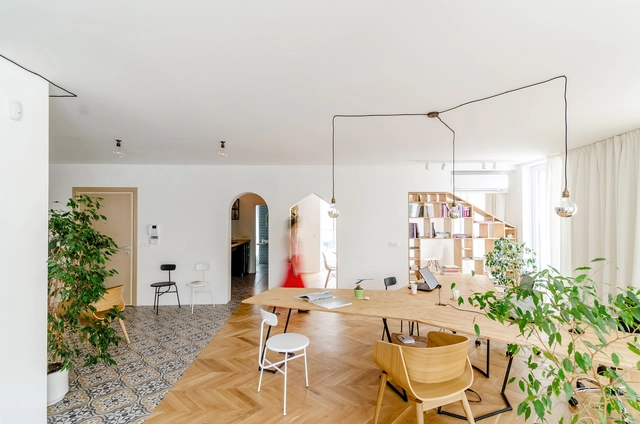
Another Space / Another Studio. Courtesy of Another Studio
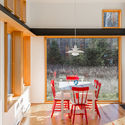
It is essential that offices, workshops, and studios are attractive not only to clients but also to employees, who spend an average of one-third of their day in these environments. A poorly designed workspace can make the workday exhausting and discouraging. To prevent this, architectural design decisions can energize the space and promote team integration, even when the footprint is limited.
The Reasons Offsite, an exhibition on modular and prefabricated architecture, was created in Portugal by the studio SUMMARY and is traveling around the world. The exhibition has been shown in Albania (at Tirana Architecture Week, in September 2018) and in the United States (at the Salt Gallery of the Boston Society of Architects, in March 2019). It now has two more editions confirmed for this year, in Edinburgh and Weimar, the latter as part of the Bauhaus centenary celebrations.
https://www.archdaily.com/1121352/the-reasons-offsite-an-immersive-virtual-reality-experience-developed-by-summaryPedro Vada
For the fourth time, we are giving our readers the responsibility of recognizing and awarding the projects that have had the greatest impact on the profession through the ArchDaily Brasil Building of the Year 2020 Award. By voting, you become part of an unbiased network of jurors recognizing the most relevant projects of the past year.
Over the next three weeks, the collective intelligence of our readers will filter through hundreds of projects from Portuguese-speaking countries—Brazil, Portugal, Mozambique, Angola, Guinea-Bissau, East Timor, Equatorial Guinea, Macau, Cape Verde, and São Tomé and Príncipe—published in 2019, selecting the best built works in Portuguese-speaking territories.
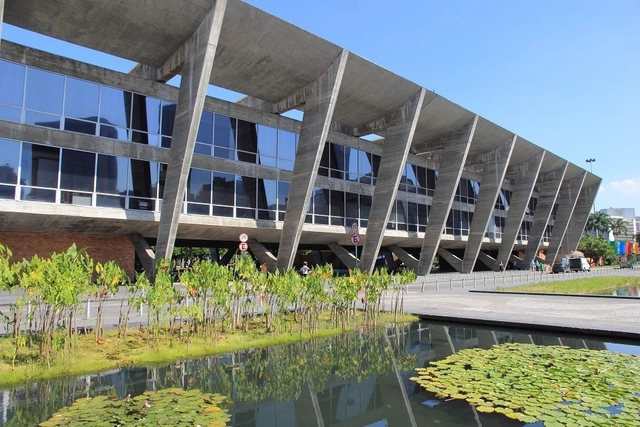
Museum of Modern Art. Designed by Rio de Janeiro architect Affonso Eduardo Reidy. Image courtesy of CAU/BR
Rio is the World Capital of Architecture. The title was awarded by the United Nations Educational, Scientific and Cultural Organization (UNESCO) on Friday morning, January 18, during a ceremony held at the organization's headquarters in Paris, and stems from the hosting of the World Congress of Architects in Rio in 2020. This is the first time a city has received this designation—established last year through a partnership between UNESCO and the International Union of Architects (UIA).






.jpg?1563299864&format=webp&width=640&height=580)
-1.jpg?1566566661 "Consolação Apartment / SOEK Arquitetura. Image © Rafael Renzo")