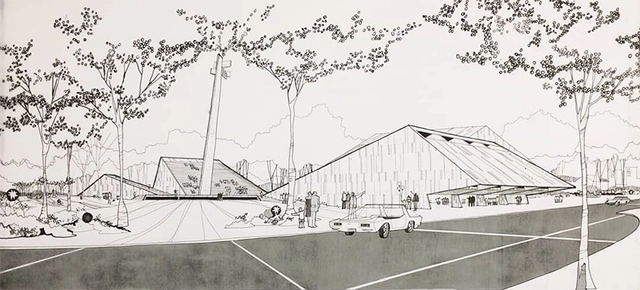
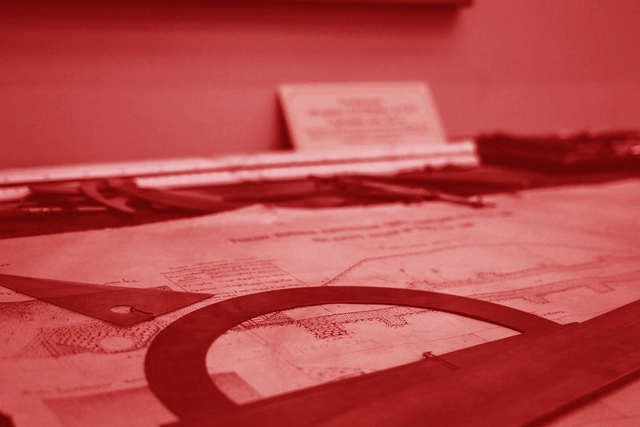
Desenhos originais do Centro de Convivência Cultural. Image Cortesia de Arquivo Fabio Penteado
The designer of large-scale projects such as the Sociedade Harmonia de Tênis club in São Paulo, the Centro de Convivência Cultural in Campinas, and Parque Cecap in Guarulhos, São Paulo architect Fabio Penteado (1929-2011), who would have turned 90 this coming June, will have his work revisited in an exhibition in Portugal.
Curated by Francesco Perrotta-Bosch, Irradiações opens on February 23 at Casa da Arquitectura, located in Matosinhos, a city in the Porto region. The exhibition will feature five radial-patterned projects developed by the architect in the 1960s, highlighting his attention to the collective and public dimensions of space.
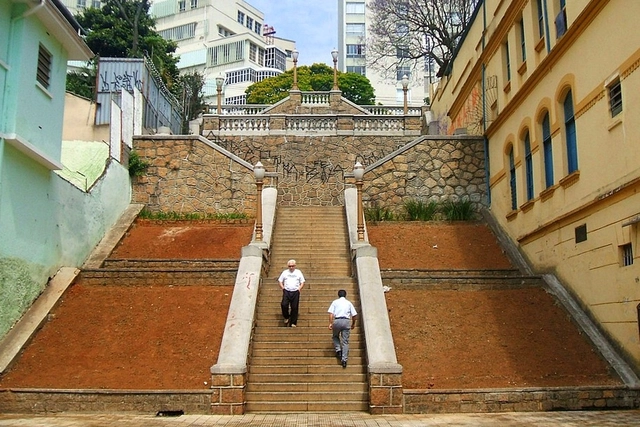
Bixiga staircase, a heritage-listed area in São Paulo. Image: Dornicke/Wikimedia
There is no doubt that preserving historical, artistic, and architectural heritage is a fundamental goal for building a just city. It is the right of all citizens, both present and future generations, to know and enjoy our collective memory and culture. However, for this to actually happen, both a discerning eye and a comprehensive vision of the city are essential.
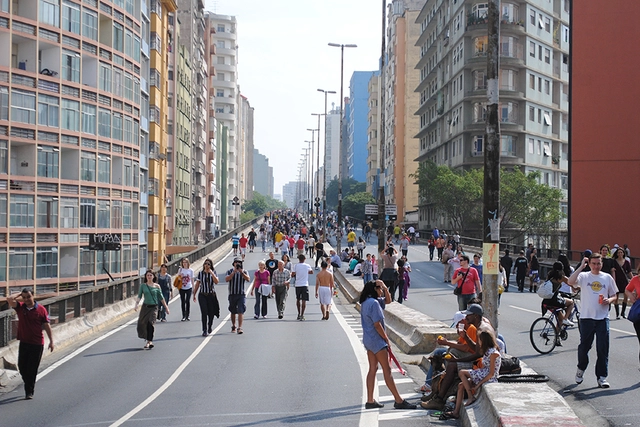
Gentrification has been one of the main points of debate regarding the project that aims to transform the Minhocão into a linear park. Image: Felipe Rodrigues
One of the most prevalent themes in current discussions about the city is gentrification. Broadly defined as "when someone different from you moves into your neighborhood," this urban phenomenon is far more complex than that, involving issues of land use, real estate speculation, public and leisure spaces, and urban planning.
One of the most controversial topics regarding professional ethics in architecture and urbanism is the so-called "technical reserve" (reserva técnica). This widespread practice refers to the payment of commissions to design professionals by construction industry suppliers and companies as compensation for client referrals or project specifications. Despite its questionable nature, this practice is adopted by many architects and has become increasingly common.
Alejandro Aravena was in Florianópolis last week, invited by the 2019 NCD Summit to speak on Social Architecture. Founder of the "do tank" ELEMENTAL, the 2016 Pritzker Laureate gave an overview of his work, spanning diverse project typologies, while highlighting the processes that led to the adopted solutions. Before his lecture, Aravena spoke exclusively with ArchDaily Brasil. Read the interview below:
An adequate system would be capable of collecting, storing, and treating all rainwater. Courtesy of CicloVivo
Cities that absorb rainwater and allow it to follow its natural course. It should be simple, yet we chose to channel our waterways, preventing nature from doing its part: absorbing and purifying. For Chinese architect Kongjian Yu, this is the key to solving one of the greatest challenges facing contemporary major urban centers: flooding.
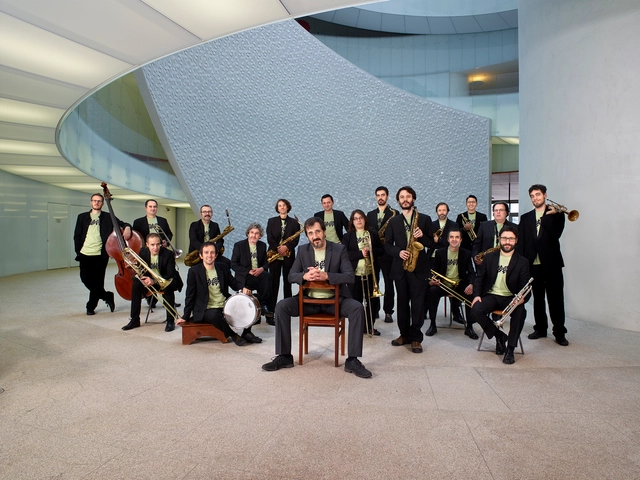
Matosinhos Jazz Orchestra. Image: Courtesy of Orquestra Jazz Matosinhos
At Casa da Arquitectura, the sounds of Brazil are heard every day at the exhibition “Infinito Vão – 90 Years of Brazilian Architecture,” but in April, this intersection of music and architecture will be further strengthened. Zuza Homem de Mello—a leading figure of jazz in Brazil, musicologist, journalist, radio host, and music producer—is the central figure of this programming, which includes the Illustrated and Musical Lecture “90 Years of Brazilian Song – 1928 to 2018,” the concert “Brazilian Music, Portuguese Musicians,” the presentation and screening of the documentary “Zuza Homem de Jazz,” and a poetic performance inspired by Clarice Lispector starring actress Camila Pitanga.
In the new episode of the Architecture and Cinema series, we talk with Janaina Pereira, a journalist specializing in cinema, and Laura Carone, an architect, set designer, and art director, about the film Inception, by British director, screenwriter, and producer Christopher Nolan. Released in 2010, the film features a stellar cast including Leonardo DiCaprio, Ellen Page, and Michael Caine, and received several awards, including Academy Awards for Best Cinematography, Best Sound Mixing, and Best Sound Editing.
Plans by the São Paulo City Hall to build a park along a section of the Presidente João Goulart Elevated Highway have been temporarily suspended. Minhocão Park, which would have occupied a 900-meter stretch between Praça Roosevelt and Largo do Arouche, was announced in May of this year and underwent a public consultation process via the Gestão Urbana SP portal.
E-scooter rider in Austin, Texas. Photo: James Cage/Flickr
Scooters are the latest trend in the new mobility landscape. You have likely seen someone riding one of these small yet agile two-wheeled vehicles in a major city. Following the explosive growth of ride-hailing apps and bike-sharing systems, it is now the turn of scooters, which logged 38.5 million trips in the United States in 2018 alone.
https://www.archdaily.com/1121964/are-the-e-scooters-taking-over-cities-safe-a-look-at-the-evidenceAlejandro Schwedhelm, Anna Bray Sharpin e Claudia Adriazola-Steil
In this doctoral thesis, architect Luciano Margotto, advised by Prof. Dr. Mônica Junqueira de Camargo, presents five lessons from architecture: Austerity, Generosity, Freedom, Public, and Spatiality. In his work, the author investigates the works of architects such as Carlos Millan, Marcello Fragelli, Eduardo Souto de Moura, Oscar Niemeyer, Vilanova Artigas, Fábio Penteado, Lucio Costa, Lina Bo Bardi, Paulo Mendes da Rocha, Brasil Arquitetura, Gabriel Guarda, Martín Correa, and Alvaro Siza. Below is the abstract of the thesis defended at FAUUSP in 2016.
https://www.archdaily.com/1122012/lessons-from-architecture-readings-through-poeticsPedro Vada
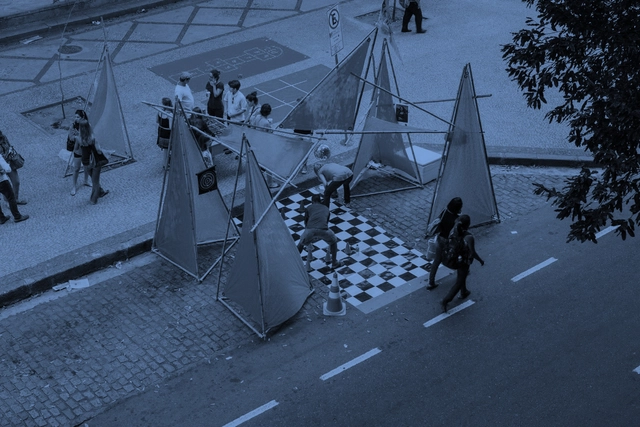
You have probably heard the term “tactical urbanism.” Though relatively recent, this approach to public space has gained visibility over the last decade, and today there are numerous examples of how to intervene in the city through a short-term, low-cost, and highly socially engaged lens. In episode #70, we chat with Rio-based architect and PhD in Urbanism Adriana Sansão, whose extensive practical work is backed by deep research on the subject. Click here to learn more!
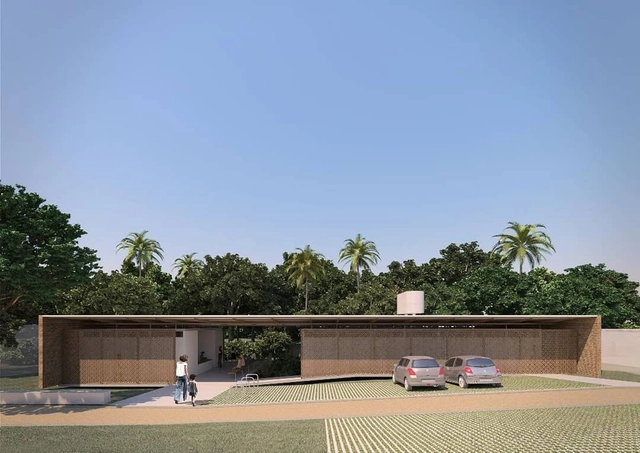
Primeiro Lugar. Image Cortesia de Prefeitura de Conde
The Municipality of Conde has announced the results of the Architecture and Urban Design Competition for the New Gurugi Basic Health Unit (UBS). More than 160 projects from across the country competed to develop an intervention proposal for an area of approximately 600 square meters, with the subsequent commissioning of the Complete Executive Project.
The edícula, also known in some regions of Brazil as a meia-água, é a small outbuilding usually constructed at the back of residential lots to provide an extra bedroom within the domestic program. Generally speaking, this space typically includes—with some variations—a bathroom, service quarters, and occasionally, integrated space at the end of a garage, in addition to the bedroom.
Plasencia Congress Center and Auditorium / Selgas Cano. ImageIwan Baan
Architects are increasingly incorporating translucent materials into their facade designs to help control interior light levels, as options like polycarbonate and U-glass, for example, allow only a percentage of natural light to penetrate the building. At nightfall, however, these materials yield an entirely different, striking effect: when illuminated from within, the buildings transform into true lanterns in the urban landscape.
Brumadinho, MG. Photo by Ricardo Stuckert / Fotos Públicas. Via Gazeta do Povo
Brazilian architecture and urbanism organizations have published a technical note regarding the failure of the Vale mining company dam in the city of Brumadinho, Minas Gerais, on January 25 of this year. Released last Friday, the document outlines ten points that comprise a preventive action strategy aimed at avoiding further tragedies and "protecting and saving lives."
Videos
Simulation of the Copan facade with the lights
In celebration of the 50th anniversary of the Stonewall Riots, the Copan will have its facade transformed into the LGBT flag. The crowdfunding campaign A Bandeiraaims to raise funds to install colored lights on the iconic brises-soleil of Brazil's largest residential building.
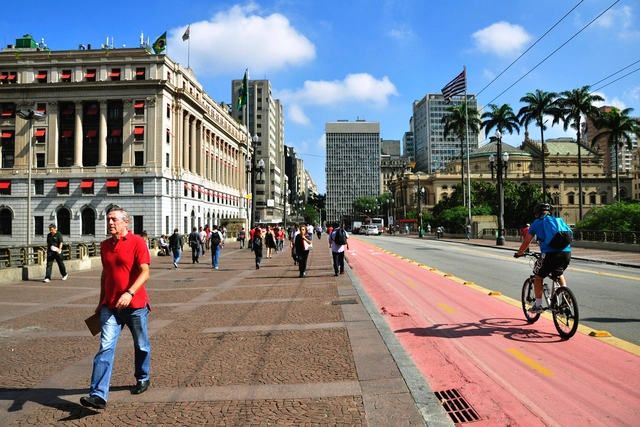
Downtown São Paulo. Photo: Mariana Gil/EMBARQ Brasil
Five Brazilians die in traffic accidents every hour. While highly critical statistics like this can spark positive reactions, they are not always enough to change reality on their own. However, knowing that in the city of São Paulo intersections concentrate more accidents per kilometer, and that these rose by 5% from 2017 to 2018, provides decision-makers with the concrete data needed to implement measures to reduce these numbers. Acting on the most dangerous intersections will save lives.
https://www.archdaily.com/1121376/how-sao-paulos-street-design-influences-traffic-accidentsWRI Brasil
The following reflections emerged from SENEMAU, the National Seminar of Model Offices of Architecture and Urbanism, which took place in Uberlândia, Minas Gerais, from August 9 to 18, 2019. This national gathering, held since 1997, brought together 12 student collectives from various cities across the country for an immersive experience focused on university outreach and the social and political role of architects and urban planners. The self-managed student gathering hosted an exhibition of works, debates on various themes, and immersive experiences in areas of interest across the city.
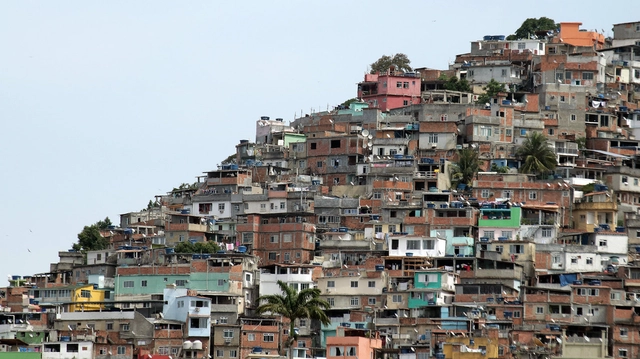
Rio de Janeiro. Image via Visual Hunt / CC BY-NC-SA
The broad scope of the term Right to the Citycan make it difficult to grasp, as its complexity demands a broader perspective on urban issues, going beyond the scope of architecture to necessarily encompass social, historical, cultural, economic, political, gender, and racial aspects. The overlapping of these—and several other—variables within the urban landscape can serve as the starting point for understanding the notion of the right to the city.
In the popular imagination, *cortiços* (tenement houses) represented the worst of urban housing in Brazilian cities. Deeply rooted in the national culture and immortalized in Aluísio Azevedo’s classic novel, *cortiços* were depicted as unsanitary, dilapidated dwellings where disease proliferated, the margins of society lived, and landlords exploited tenants with extortionate rents.
A quality public transit system does not depend on buses alone: its overall quality is also directly linked to adjacent elements—such as bus stops. In all cities participating in the QualiÔnibus Benchmarking Group, bus stops were identified by the public as one of the most problematic components. But what can cities do to improve them?
https://www.archdaily.com/1121349/bus-stops-good-impression-or-frustration-in-public-transitMariana Müller Barcelos, Priscila Pacheco e Manon Masi
Have you ever asked yourself this question? At first, it may seem strange to imagine that we have not always had windows in our buildings, let alone that they were sealed with a transparent material capable of allowing natural light into dark rooms or creating a barrier against the cold: glass.
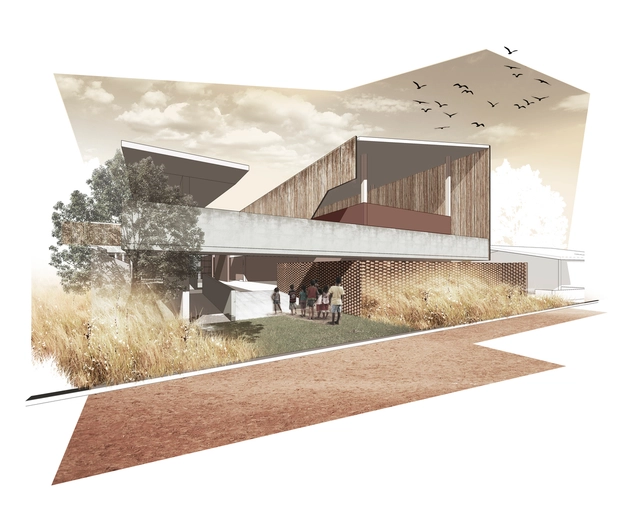
Vista a partir da rua em direção ao acesso de alunos. Image Cortesia de Coletivo de Arquitetos + Gustavo Fontes + C.U.A.C
The Pedra Furada School project responds to a demand from an institute operating in Sergipe with the goal of developing integrated solutions between technology and human processes, prioritizing education, public health, and creative economies. The school's mission is to improve educational and economic indicators in the village of Pedra Furada and its surroundings.
.jpg?1567697293&format=webp&width=640&height=580)






-U204285124265iRC-1200x800_GP-Web.jpg?1549280258&format=webp&width=640&height=580)



-1.jpg?1566566661 "Consolação Apartment / SOEK Arquitetura. Image © Rafael Renzo")