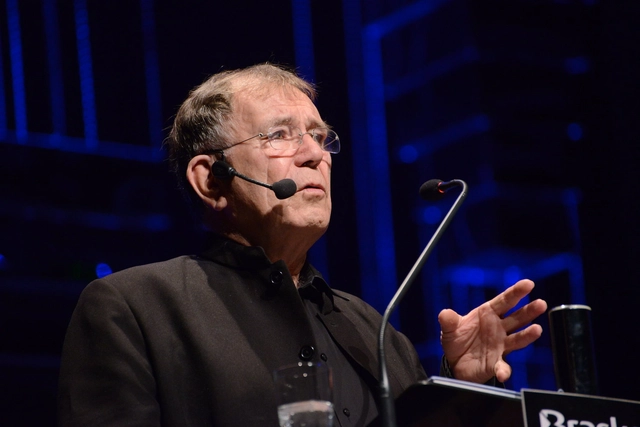
The author of more than 30 books and a champion of cities for people, Danish architect Jan Gehl and his team of around 50 professionals have worked to free the centers of cities as diverse as Moscow, Melbourne, Shanghai, and New York from cars.
The author of more than 30 books and a champion of cities for people, Danish architect Jan Gehl and his team of around 50 professionals have worked to free the centers of cities as diverse as Moscow, Melbourne, Shanghai, and New York from cars.
Romano Guerra Editora has launched a crowdfunding campaign on Catarse to reissue the celebrated book RINO LEVI – arquitetura e cidade. Based on Renato Anelli's doctoral dissertation, the book features iconographic research by a team led by Abilio Guerra and is filled with photography by Nelson Kon.
Salvador is a city defined by a geological fault that divides it into two parts: the upper city (Cidade Alta) and the lower city (Cidade Baixa). Since the beginning of its colonization, this elevation change of approximately 80 meters has shaped distinct land-use patterns across the territory, which have evolved alongside the city's growth and expansion. The local landscape, however, is not only defined by this geological fault but also serves as an expression of different layers of history. Brazil's first capital, which celebrated its 470th anniversary this year, has historically embraced diverse architectural styles and movements, including Neocolonial, Baroque, Neoclassical, Eclectic, Modern, and Contemporary.

From revitalizing degraded green spaces to hosting collaborative games, events, and workshops, there are numerous volunteer initiatives capable of transforming a city's landscape and the lives of its residents.
In addition to serving as vital forms of social participation, community collectives and volunteer-driven initiatives facilitate dialogue between public authorities and local communities. This collaboration yields numerous benefits, particularly in reshaping how we interact with our cities.
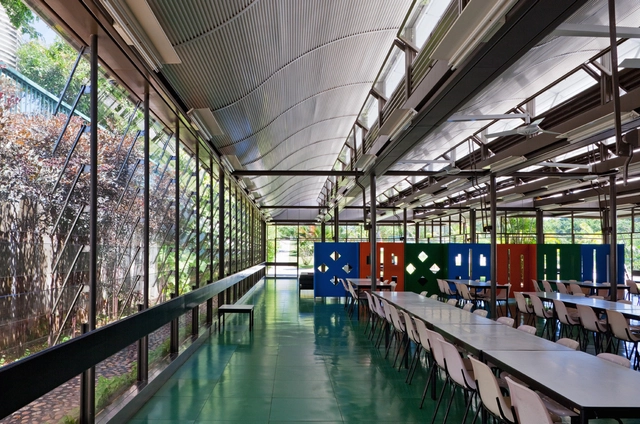
Energy-efficient projects are becoming increasingly relevant in the fight against climate change, especially considering that the building sector accounts for more than 40% of all electricity consumed in Brazil. While designing with bioclimatic strategies can be a challenge, LabEEE/UFSC, in partnership with the federal government, addressed the question of "how to achieve lower energy consumption and greater indoor comfort for users" by creating a free platform that offers various passive strategies tailored to the characteristics of each Brazilian city.
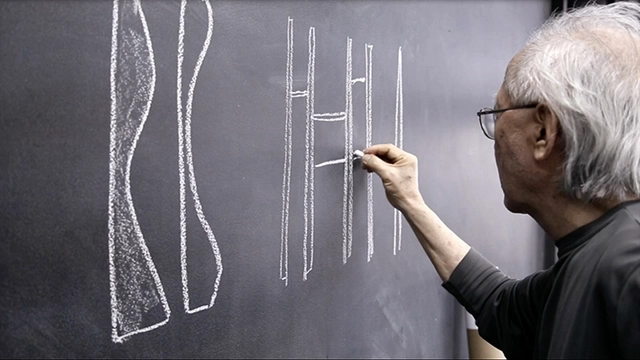
The Academia Paulista de Letras has elected architect Ruy Ohtake as its newest member, who will occupy seat number 39. The seat was previously held by fellow architect Benedito Lima de Toledo, who passed away in July of this year.

Developer Weefor has announced the results of its first open architecture competition, which aimed to select an architectural design for the company's first residential development in the city of Curitiba. The competition's grand prize winner is the firm Nachtergaele Navarro Arquitetos Associados, from São Paulo, whose project is scheduled to begin construction in the first half of 2020.

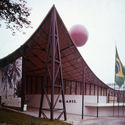
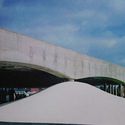
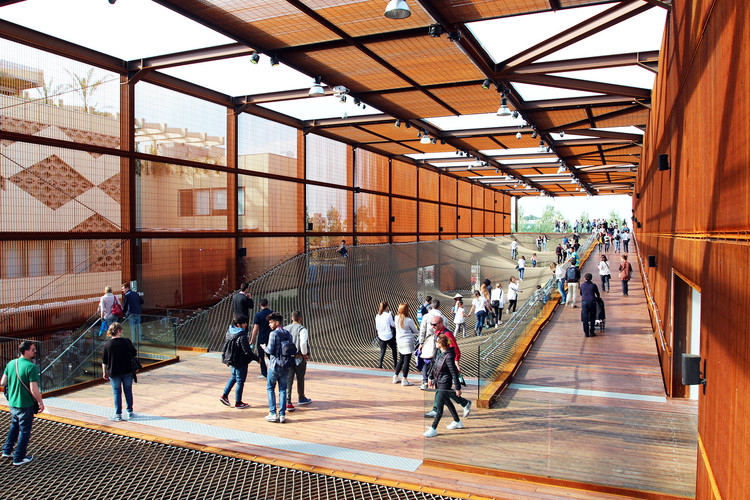
International Expositions originated in the nineteenth century, when London (1851) hosted the Great Exhibition of the Works of Industry of All Nations. This event gathered manufactured goods from various countries to showcase technological—and later, industrial—advancements, marking a moment of convergence and shared initiatives from around the globe.

An Italian architect who adopted Brazil, broke down hierarchies between the arts, and shaped a new language of modernism—merging her own radical vision with references from Brazilian culture—will be the subject of an exhibition this April at MASP. In 2020, the show will travel to Mexico and the US.
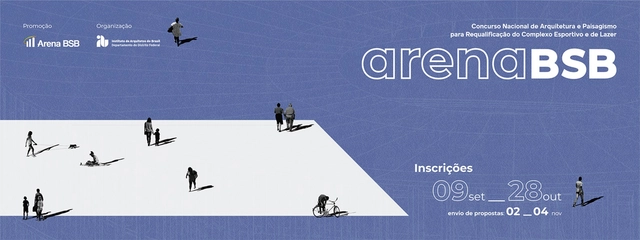
Registration is open until October 28 for the National Architecture and Landscape Design Competition for the Redevelopment of the Arena BSB Sports and Leisure Complex, organized by IAB-DF and promoted by the Arena BSB Consortium. The competition's scope encompasses part of the Northern Public Recreation Sector (SRPN), adjacent to the Mané Garrincha National Stadium, the Nilson Nelson Gymnasium, and other structures, in the Administrative Region of Brasília – RA I, in Brasília.
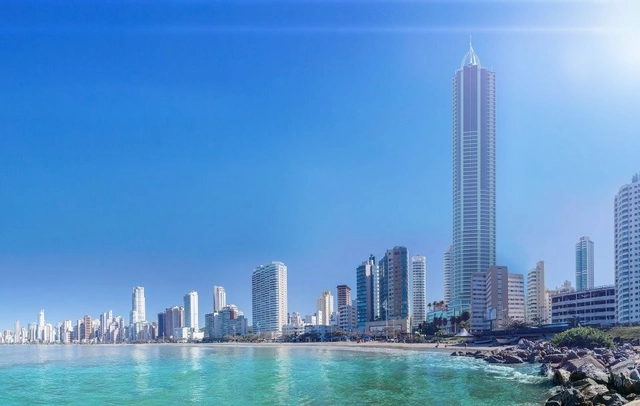
Balneário Camboriú is the city with the highest concentration of buildings among the tallest in Brazil. Most of them, however, are still under construction, making the Infinity Coast Tower—inaugurated on the 14th of this month—the country's first completed residential building to be included on this list.
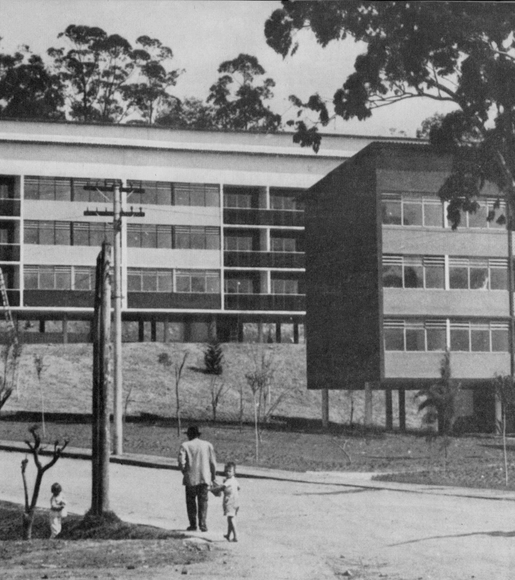
After studying civil engineering at the Escola de Minas de Ouro Preto, Carlos Frederico Ferreira returned to his native city of Rio de Janeiro and enrolled in the Escola Nacional de Belas Artes, graduating in architecture in 1935. In 1939, he was hired by the IAPI as an engineer-architect and soon rose to the position of head of the institute's Engineering Department. By 1943, having overseen the partial completion of the first major housing development, the Conjunto Residencial Operário in Realengo, he was able to begin expanding the model to other locations. The designs for Vila Guiomar in Santo André and Piratininga in Osasco, as well as the apartment building and IAPI Regional Office headquarters in Recife—all designed by him—demonstrate how, through his position, he sought to shape the direction of the institute's future developments.

Housing for the low-income urban population is a central concern for contemporary Brazilian policymakers and urbanists. Over the last few decades, by focusing on building social housing complexes in peripheral areas lacking transit and sanitation infrastructure, the state has actively contributed to worsening the problem.
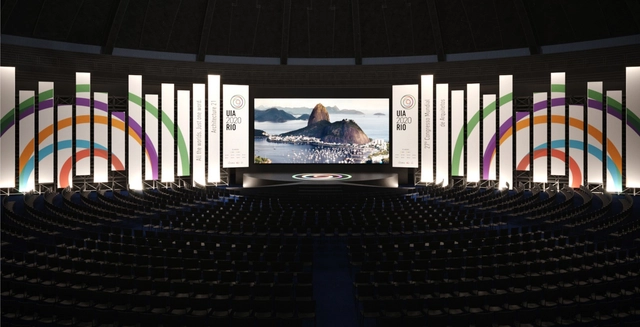
In early 2020, Rio de Janeiro will become the global stage for debates on contemporary cities and the future of urban environments. As host of the 27th World Congress of Architects, UIA2020RIO, the city also celebrates its designation as the first World Capital of Architecture by UNESCO and the International Union of Architects (UIA).
Last week, we announced the 15 finalists for the 2019 Obra do Ano, an award celebrating the best of Lusophone architecture by inviting our readers to vote for their favorite projects built in Portuguese-speaking countries. Today, we reveal the winners of ODA19.
This year, three Brazilian projects received the most votes. In addition to showcasing architectural diversity, they exemplify the public impact that architecture should deliver. Meet the three winners below!
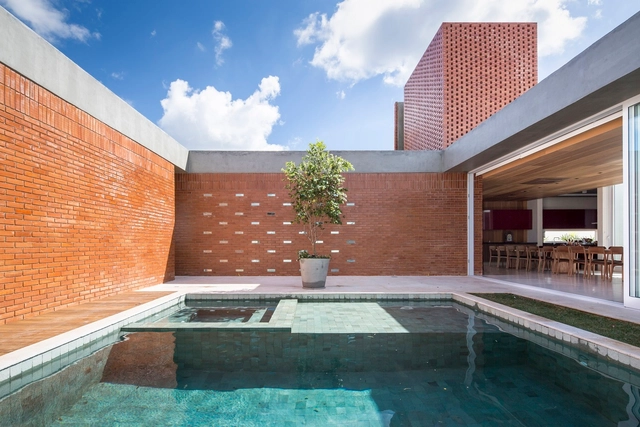
There are various ways to position a residence on a lot. It can be built along the side boundaries, set back from the rear or one of the sides, aligned with the street, or freestanding on the plot. Each strategy presents its own advantages and drawbacks. On smaller plots, introducing courtyards is an effective way to site a house, particularly for maximizing natural light and ventilation.
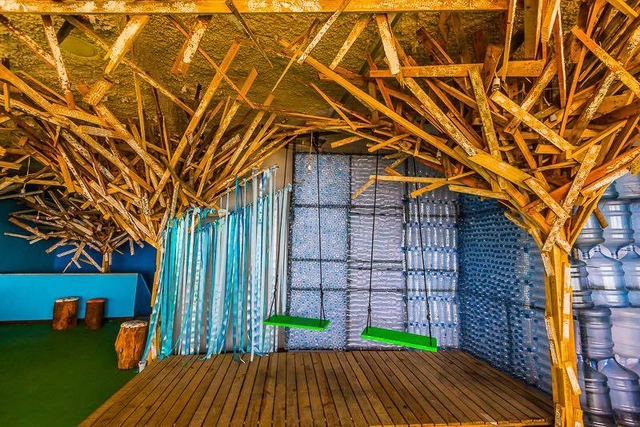
The global need to find more sustainable ways to meet new demands is one of the most compelling catalysts for the reuse of materials or structures in contemporary architecture. In the field of scenography, repurposing materials to construct stage sets has long been a reality. Professional practice in this field deals with the representation of a scene, using temporary elements designed to stimulate the spectator's imagination. In this context, the work of scenographer Renata Mota has paired repurposing with the reuse of materials—either discarded or donated—that have lost their original function, using them to craft sets for performances, exhibitions, and other events.

The governor of Espírito Santo, Renato Casagrande, signed a decree this week mandating the installation of solar energy harvesting systems in new state buildings. The law also applies to facilities constructed with state funds transferred to municipalities through agreements, accords, or covenants.
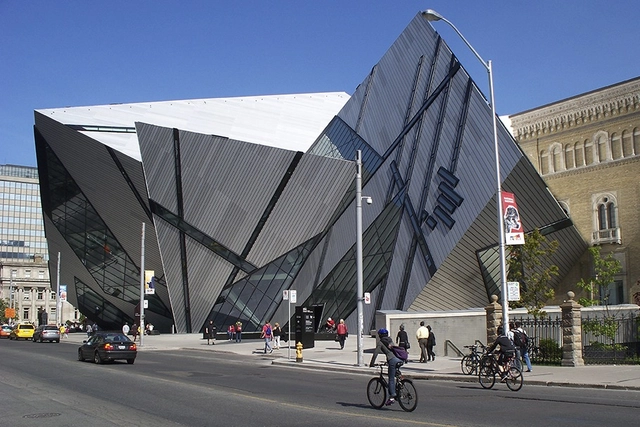
Modernism has ceased to exist as a movement in architecture and urbanism since at least the 1980s. In architecture, movements such as Japanese Metabolism and deconstructivism helped to move past the remnants of modern architecture. In urban planning, figures like Jane Jacobs and Christopher Alexander, as early as the 1960s, helped bury the premises of modern urbanism.

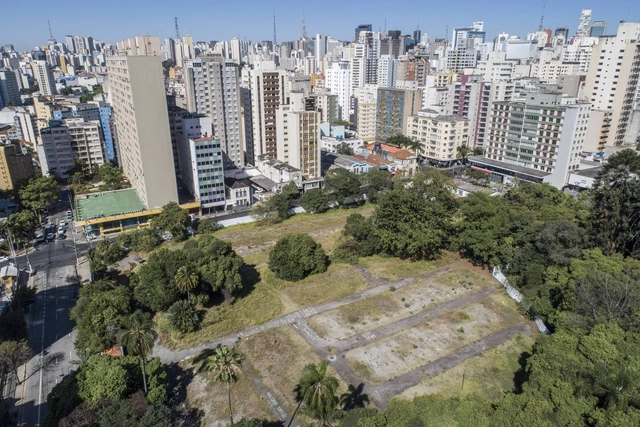
Eight months after the agreement was signed, São Paulo City Hall will finally assume ownership of the Parque Augusta site, which until now has been held by developers Setin and Cyrela. The signing of the deed will take place next Saturday, April 6, during a ceremony held on the site itself.

In recent years, we have witnessed a steady increase in the number of registered architects and urban planners across professional regulatory bodies. Within this significant pool, young architects and urban planners—meaning professionals up to 40 years old—represent a substantial share and hold a strong presence in the market. Against this backdrop, we have followed the creation of awards dedicated specifically to this demographic, and, most notably, their active participation in biennials and triennials—events aimed at driving discussions on the future of architecture.
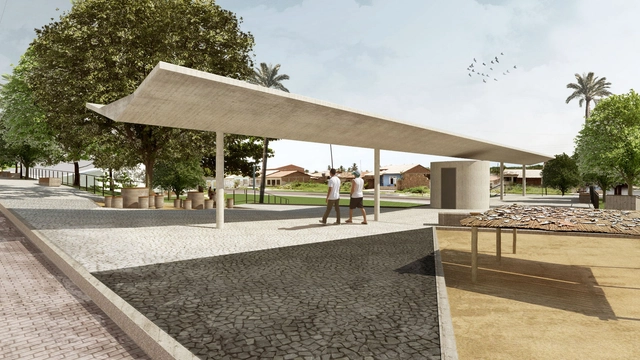
The design for a square in the village of Crasto proposes a new cultural, sports, and leisure space for this fishing community located on the southern coast of Sergipe. The project also addresses accessibility issues, interconnecting the new plaza with the pre-existing built environment.
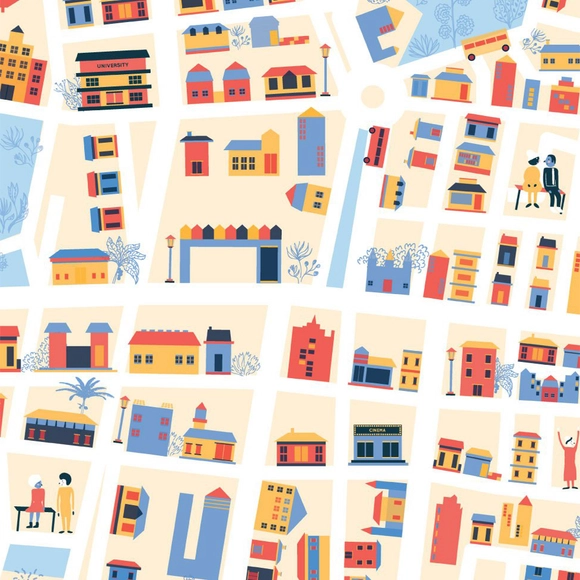
The New Urban Agenda, a document adopted in October 2016 at the United Nations Conference on Housing and Sustainable Urban Development - Habitat III, was recently launched in Portuguese by the United Nations Human Settlements Programme (UN-Habitat) office in Brazil.
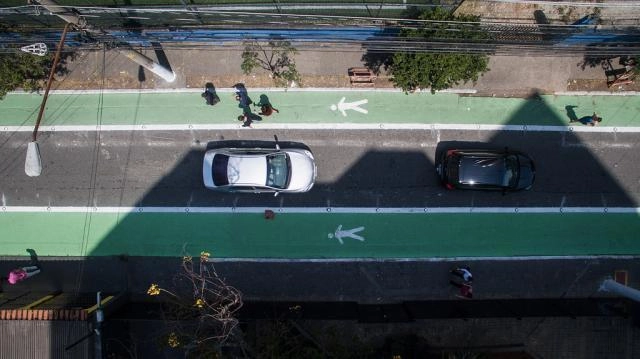
The latest Global Status Report on Road Safety from the World Health Organization (WHO) showed that over the last 15 years, the traffic mortality rate has remained stable relative to the world's population. While the fact that these numbers have not increased might sound positive, it is important to remember that this still represents the death of 1.35 million people annually, alongside 50 million injuries.