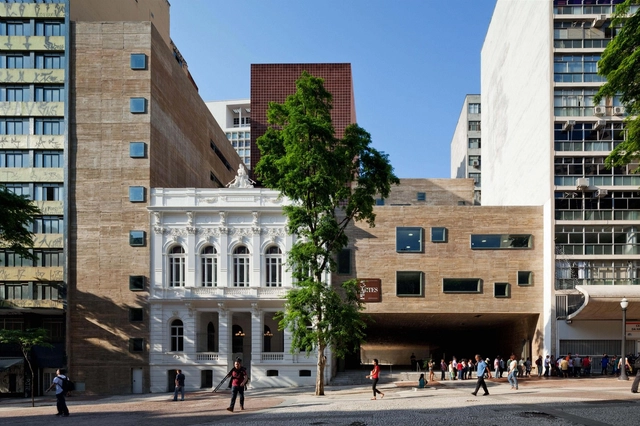
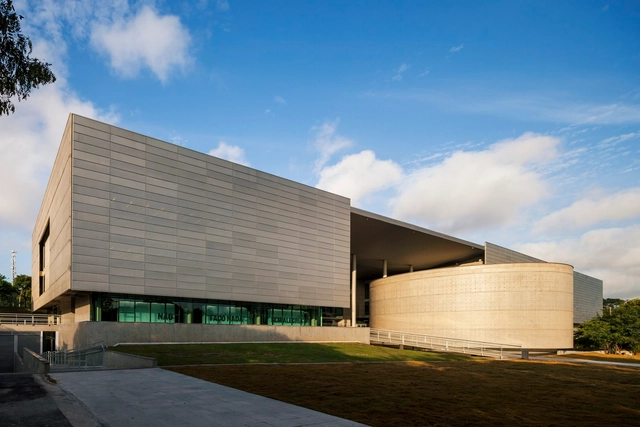
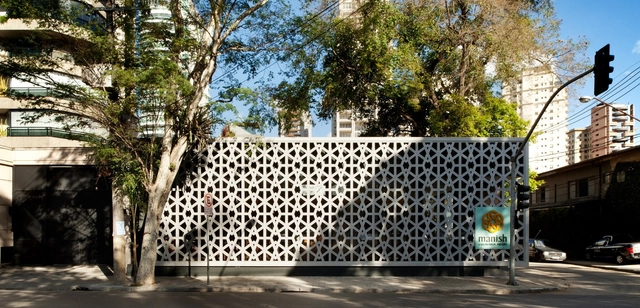
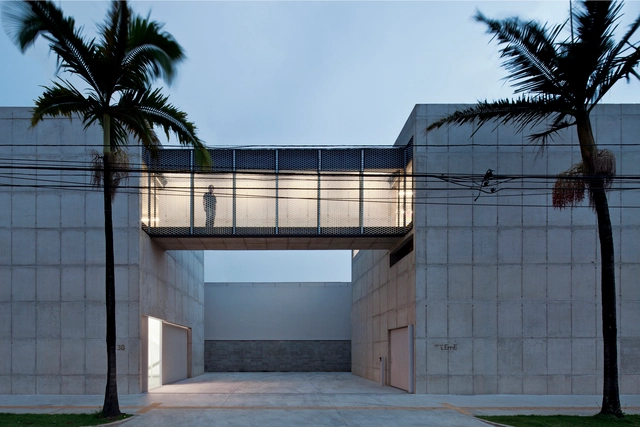
We are living through the most rapid and significant phase of urbanization in human history. By 2030, more than 60% of the world’s population - 5 billion people - will live in cities. To understand and act upon this mega trend, the New Cities Foundation hosts the New Cities Summit, the leading global platform for urban innovation and exchange. Each year, the Summit gathers 1,000 of the world’s brightest thinkers and decision-makers for action-oriented debate, information sharing and problem solving. São Paulo is the vibrant location of this year’s event. The theme this year: The Human City, placing the individual and the community at the heart of discussions on our urban future.
How will this urban planet alter the human experience? For ‘We the Urban People’, what specific issues can we grapple with today to ensure that tomorrow's metropolis is a positive place to live and work?
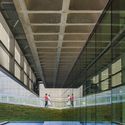
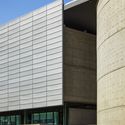
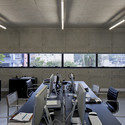
Escola da Cidade - School of Architecture and Urbanism it's on the final stage for applications for two non degree graduate courses. Since 2009 the college offers specialization courses and the successful results show the consolidation of this proposal.
The program whose main theme is “America Civilization - A Look through Architecture” is structured by the following specializations: 'Housing and City', 'Geography, City and Architecture'.
The new Água Espraiada Operação Urbana urban planning program in Sao Paulo has taken a major approach to sustainability. With this plan in action, the Rochaverá Corporate Towers, a high profile mixed residential, office, and shopping complex, is a great example. The recently built project is located at a former industrial area along the Pinheiros River Basin. This enormous 1.2-million-square-foot development, designed by Aflalo and Gasperini Architects, was built to be highly energy efficient, control water usage, cut greenhouse gas emissions, and ease traffic congestion. With the success of the mentioned project, we can begin to ask ourselves, ‘How can a development accomplish all of those objectives?’ Start with urban planning that mitigates sprawl, one of biggest threats to the planet today. More information after the break.