Subscriber Access

Copper Projects: Architecture’s Original Bling

Since its discovery in 8700 B.C., copper has been one of the most used metals in the history of humankind. It has a variety of uses from coins and weapons to statues and even architecture. One of its first architectural uses was in Ancient Egypt for the massive doors of the temple to Amen-Re at Karnak in 300 B.C.

The versatility of the material continues in architecture to this day, allowing for a variety of unique designs and uses. The innovative, efficient, and lightweight material is versatile in its use, ranging from facades to roofs, interior applications, and high tech solutions. Sustainable in its natural form, the material is 100% recycled. As the state of architecture becomes more focused on sustainability, copper becomes the ideal material for the buildings of today.

Below, we’ve selected 7 projects that use architecture's original bling.
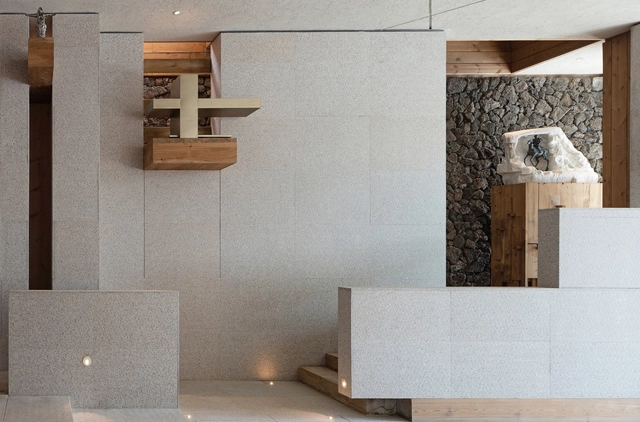
Residence Guan / V2 Design

In this project, we hope everywhere is full of the scenery, picture, light, mood and life, so very greedy to show all the content in the project, so we are very greedy to show all the content in this project.

California Approves Rule Requiring Solar Panels on New Homes

The California Building Standards Commission has approved a new rule starting in 2020 that requires all new homes built in the state to include solar panels. As the first of its kind in the United States, the new rule includes an incentive for homeowners to add a high-capacity battery to their electrical system. The move hopes to help meet the state's goal of sharply reducing greenhouse gas emissions while drawing all electricity from renewable energy sources.

Subscriber Access

10 Bathrooms To Match Your Favorite Bathbomb

With the right configuration of materials and shapes, small enclosure, such as bathrooms, have unending design potential. Progressively, architects and designers are striving to make washrooms more welcoming and attractive places for its users. Often times we will hear clients ask for their bathroom to be somewhat of a personal spa. This week we have compiled 10 compelling images of bathrooms from all over the world. Bathrooms whose materials, patterns, colors, shapes, and textures begin to tell a story. Below, photographs by Peter Clarke, José Hevia, and Erieta Attali.

Subscriber Access

Sliding Room Dividers: Flexible Spaces Made of Metal Mesh

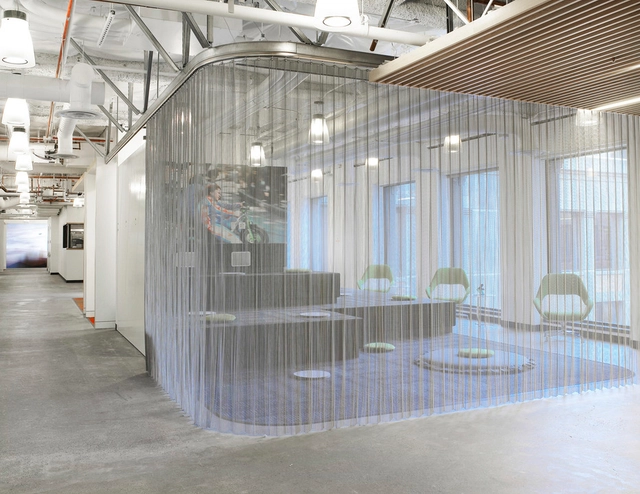
Using coiled wire fabric to divide interior spaces allows for both open and non-invasive partitioned areas. The installations add texture but maintain a soft, semi-opaque appearance. These functional room dividers are composed of coiled wire fabric woven into different thicknesses, which provide a flexible design and moldability. 

Today we will highlight its use as an operable room divider, but coiled wire fabric can also be used as a ceiling treatment, exhibit and retail displays, wall coverings, artistic elements, and much more.

Subscriber Access

How To Improve Acoustic Comfort with Perforated Cardboard Plasterboards

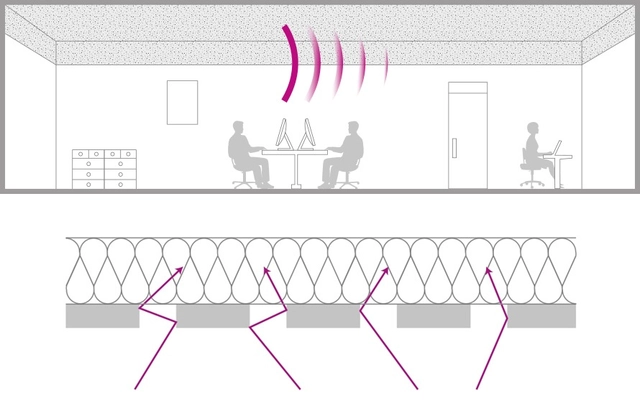
There are many ways to solve the acoustic comfort of the interior spaces we design, using materials and solutions of different prices and appearances. Perforated cardboard gypsum boards are an economical and efficient option to incorporate into projects, absorbing the sound and reducing the noise level generated by the reverberation through different patterns and shapes.

The Tallest Timber Tower in Australia Opens in Brisbane

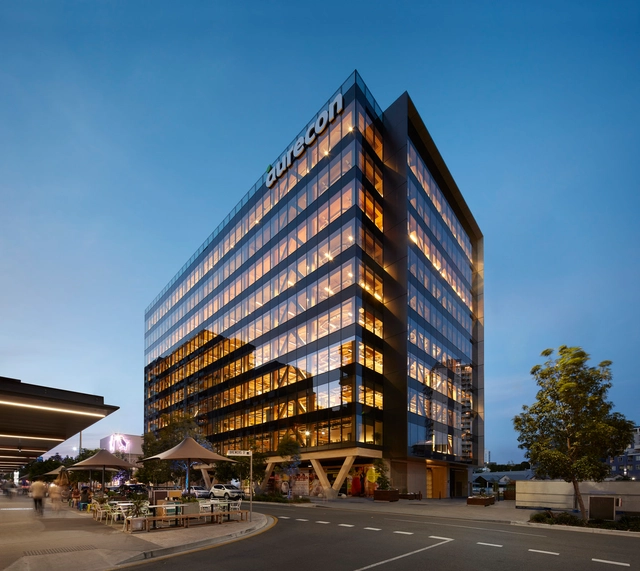
Australia’s largest engineered timber commercial building has opened in Brisbane, designed by Bates Smart. At 10 stories, and 45 meters in height, the “25 King” open plan office complex is the tallest timber structure in Australia, and “establishes new frontiers in the design of commercial buildings.

Smart Homes That Use Domotics To Improve Quality of Life

Home automation, or Domotics, is a set of technologies applied to a residence to control lighting, climate, entertainment systems, and appliances. Its systems allow for efficient management of energy consumption, security, accessibility, and the general comfort of the building, becoming an important issue to consider when designing, building, and living.

Subscriber Access

Brazilian Houses: 20 Concrete Projects in Plan and Section

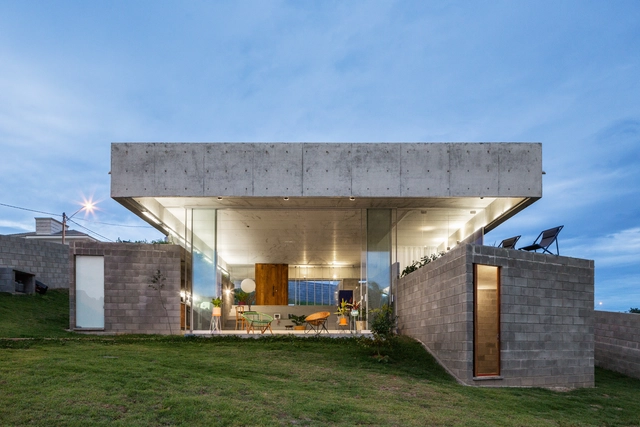
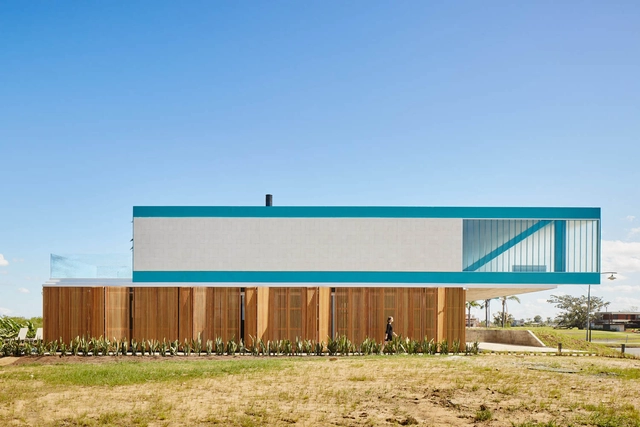
Concrete may be the material most associated with modern Brazilian architecture; high resistance to compression and, when armed, capable of assuming various forms. Its plasticity has made it a favorite material for some of Brazil's most expressive architects of the last century.

Today, it is still widely explored in the architectural production of Brazil, either for its structural robustness, ease of maintenance, or aesthetic value.

How to Make Earth Plaster in 5 Easy-to-Follow Steps

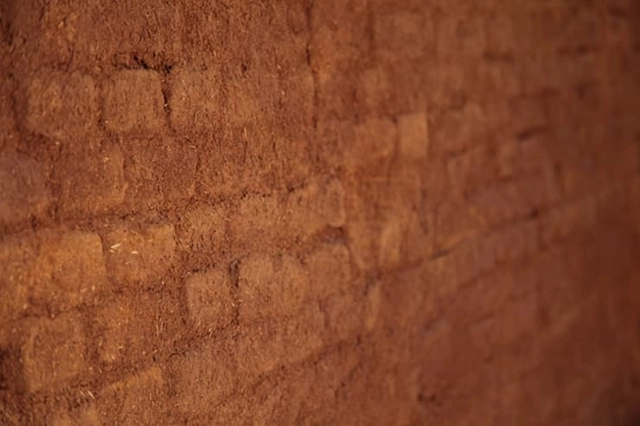
The use of earth plaster is very common in natural buildings; it is the same mixture used in adobe. Though easily made, its use is not widely known. Rafael Loschiavo, from Ecoeficientes, teaches the step-by-step method for bringing a new life to a run-down wall without the need for major renovations.

Subscriber Access

Construction Details of Zaha Hadid Architects Projects

Surely every architect has wondered how the fluid but complex forms of the architecture of Zaha Hadid Architects are brought to reality. And it's beautiful to see how an initial conceptual idea –probably drawn as a quick sketch– materializes in precise and detailed planimetric drawings.

Subscriber Access

Brazilian Houses: 15 Steel Projects in Plan and Section

Metallic elements have been used in architecture and civil construction for hundreds of years, either as decorative elements, coverings or even to reinforce masonry structures. However, it is only in the second half of the eighteenth century that the first bridges emerge whose structure was entirely made of cast iron. A century later, iron was replaced by a more resistant and malleable alloy, still used today in architecture: steel.

Subscriber Access

Brazilian Houses: 20 Examples of Wood Design

Wood is one of the oldest building materials used in architecture. Versatile, it can be used in structural solutions, coatings, partitions, fittings and, very often, in furniture. Another quality of the material is its sustainability - if well managed during planting, cutting, and treatment processes, it can be considered renewable and low carbon, adding value to the completed building.

Subscriber Access

The Go-To Guide for Bamboo Construction

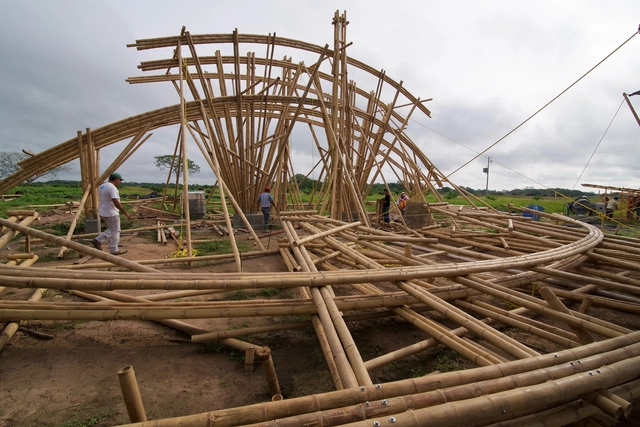
Bamboo is an ancient building material that has been used in a variety of countries and building types. A sustainable material with a unique aesthetic, it is arguably one of the greatest architectural trends of the moment.

Subscriber Access

Invisible Doors: How to Stylishly Hide the Doors In Your Projects

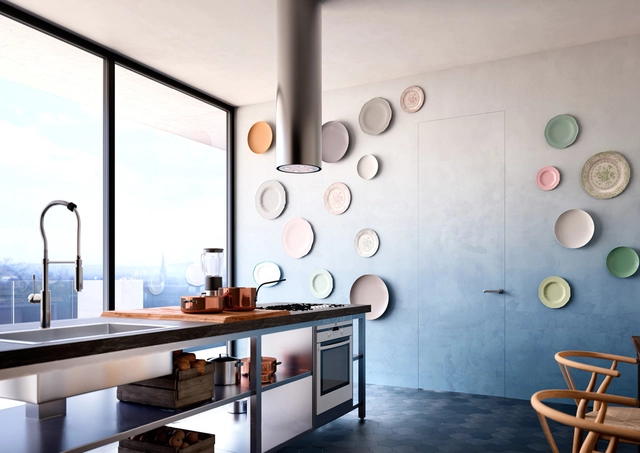
Sometimes a door can be a huge headache in a project. Think of a continuous, clean facade... having a door in the middle of it can ruin the clarity of the design. But a door need not be the traditional wood-paneled, brass-knobbed portal most of us are used to, much less an eyesore. 

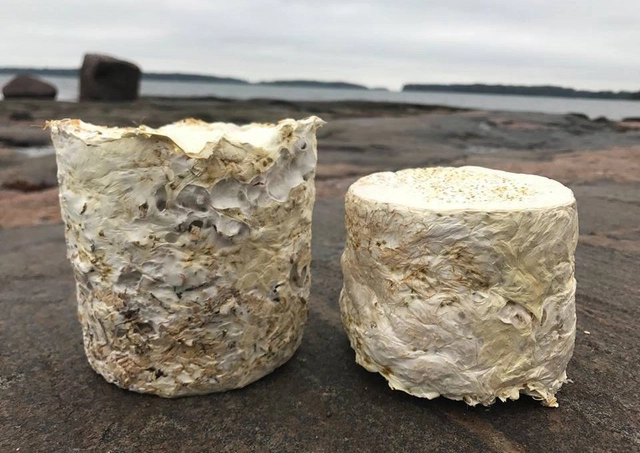
Biohm's "Vegan Insulation" System offers a Future for Green Construction

UK entrepreneur Ehab Syed has developed a mushroom-based insulation with his company Biohm, embodying techniques that are “completely natural, biodegradable and vegan.”

Subscriber Access

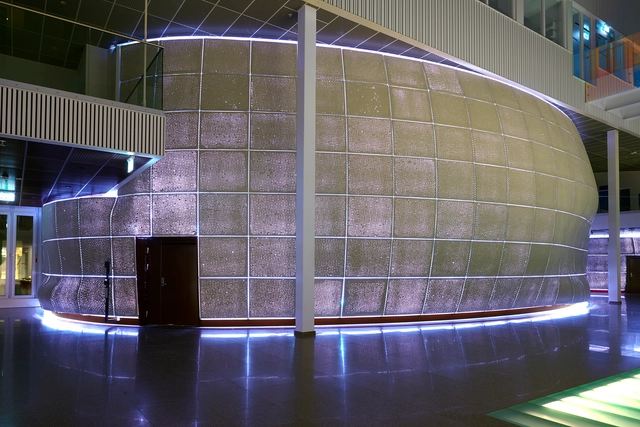
This Sound-Proof Installation was Built by Compressing Concrete and Bubble Wrap

An installation at the Karolinska Institutet in Sweden is made entirely of translucent concrete panels. Composed of concrete and bubble wrap, the site blends both high and low technology processes. This high-tech lecture hall is an amorphous space with unique acoustic qualities. 

Subscriber Access

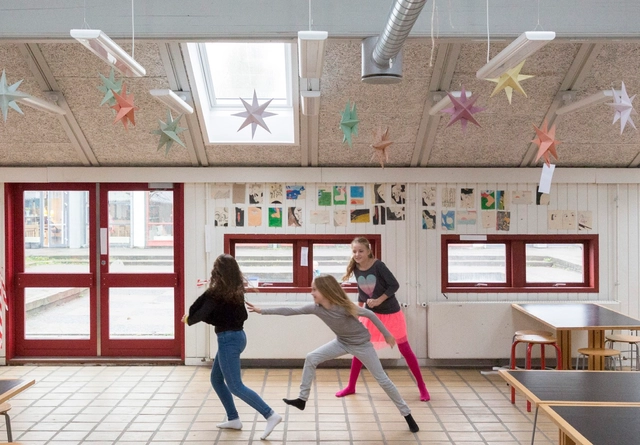
Building Better Schools: 6 Ways to Help Our Children Learn

Did you know that 64 million European children spend more time at school than anywhere else other than their home? European children spend approximately 200 days each year at their primary schools. With this information, how do we go about designing healthier classrooms that create productive learning environments? This question is perhaps more important than ever, as this will be the first time since the 1970s that Europe and the UK will see a boom in the construction and renovation of schools. What a tremendous opportunity this is for both architects and educators to rethink what an educational facility should be and how the physical environment can be designed to have a positive impact on learning.