1. ArchDaily
  2. Indigenous Architecture

Indigenous Architecture: The Latest Architecture and News

Subscriber Access

Lo-TEK: Reclaiming Indigenous Techniques to Work with Nature

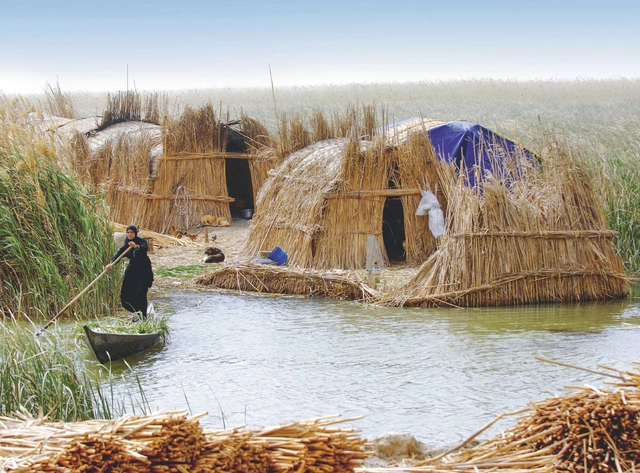
"Indigenous technologies are not lost or forgotten, only hidden by the shadow of progress in the most remote places on Earth". In her book Lo-TEK: design by radical indigenism, Julia Watson proposes to revalue the techniques of construction, production, cultivation and extraction carried out by diverse remote populations who, generation after generation, have managed to keep alive ancestral cultural practices integrated with nature, with a low environmental cost and simple execution. While modern societies tried to conquer nature in the name of progress, these indigenous cultures worked in collaboration with nature, understanding ecosystems and species cycles to articulate their architecture into an integrated and symbiotically interconnected whole.
Subscriber Access

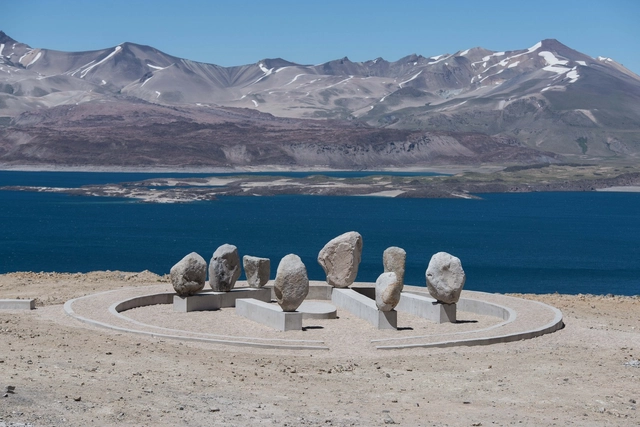
Pointing Out A Presence in the Landscape: A Commemorative Milestone Between Chile and Argentina

Pointing Out A Presence in the Landscape: A Commemorative Milestone Between Chile and Argentina - 1 的图像 4Pointing Out A Presence in the Landscape: A Commemorative Milestone Between Chile and Argentina - 2 的图像 4Pointing Out A Presence in the Landscape: A Commemorative Milestone Between Chile and Argentina - 3 的图像 4Pointing Out A Presence in the Landscape: A Commemorative Milestone Between Chile and Argentina - 4 的图像 4Pointing Out A Presence in the Landscape: A Commemorative Milestone Between Chile and Argentina - More Images+ 14

A project for the Commemorative Landmark Pehuenche Commission carried out by the recently graduated Chilean architect Antonia Ossa, is part of the series of small-scale interventions built in the Andean sector of the Maule Region, Chile, as part of the certification process of the School of Architecture of the University of Talca.

Subscriber Access

The Quilmes' City: The Architecture of Argentina's Pre-Hispanic Settlements

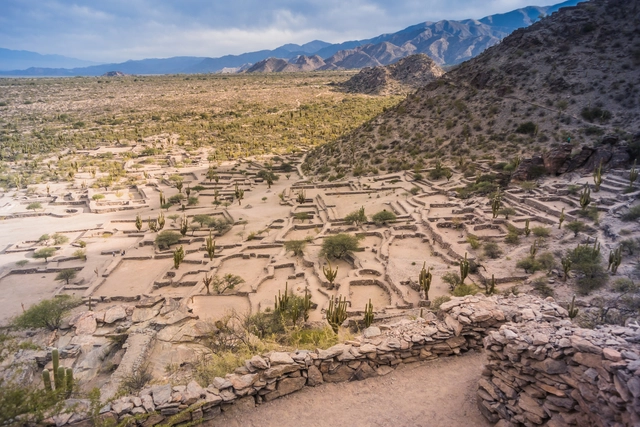
One of the most advanced civilizations in Latin America, the Quilmes people inhabited what is today known as the Santa Maria Valley in the northwestern sector of the Tucumán province, in the center of the Calchaquíes Valleys. Their city contains remnants of village life from centuries ago, giving a clear view of life in the village from generations past, including the economy, religious sites, public and private spaces, and interactions with other civilizations. At its height, the Quilmes' city had 450,000 inhabitants prior to the Spanish invasion.

These settlements, built in the Calchaquíes Valleys since approximately the 10th century, are considered to be Argentina's first pre-Hispanic cities. Even though little remains of these cities, their ruins highlight a complex history of a material and spiritual culture ripe with social and economic advancements. 

Subscriber Access

A Pioneering Exhibition Will Showcase Contemporary Indigenous Architecture

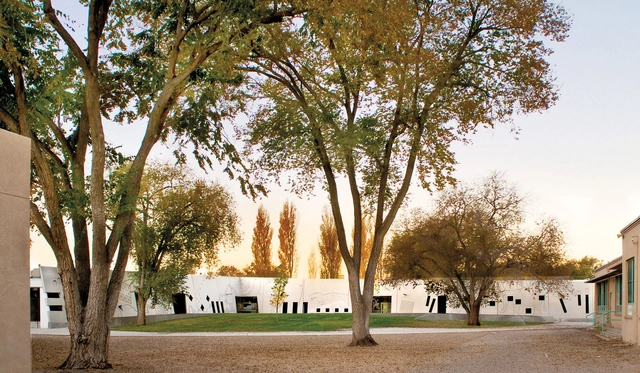
In this week's reprint from Metropolis magazine, authors Theodore (Ted) Jojola and Lynn Paxson talk about embracing “place knowing” as a process to understand building and planning, and highlight modern achievements in Pueblo architecture.

The Pueblo people of the Southwest have been stewards of their lands for millennia. In contrast to the colonial and territorial experiences of many tribal nations, the Pueblos avoided being displaced from their homelands. This prevented many of their places from being erased. As such, their ancient worldviews still remain at the core of their planning and design. Nothing is so important as their imprint on the expression of architecture, especially its form and function.

Subscriber Access

"Architecture is Vital to Native Culture": Sam Olbekson on Indigenous Design and Social Justice

Social justice begins with building understanding and community. For Sam Olbekson, Principal of Native American Design at Cuningham Group and Founder of Full Circle Indigenous Planning, community holds a deep relationship to local cultures and traditions. As a member of the White Earth Nation of Ojibwe, Sam brings the perspective of a tribal member who grew up in Native communities, both on and off the reservation. Today, he's using design to reflect contemporary social values and build for future generations.

"Architecture is Vital to Native Culture": Sam Olbekson on Indigenous Design and Social Justice - Arch Daily Interviews"Architecture is Vital to Native Culture": Sam Olbekson on Indigenous Design and Social Justice - Arch Daily Interviews"Architecture is Vital to Native Culture": Sam Olbekson on Indigenous Design and Social Justice - Arch Daily Interviews"Architecture is Vital to Native Culture": Sam Olbekson on Indigenous Design and Social Justice - Arch Daily InterviewsArchitecture is Vital to Native Culture: Sam Olbekson on Indigenous Design and Social Justice - More Images+ 11

Subscriber Access

Engineered Timber Helps Indigenous Architecture in North America to Emphasize Resilience

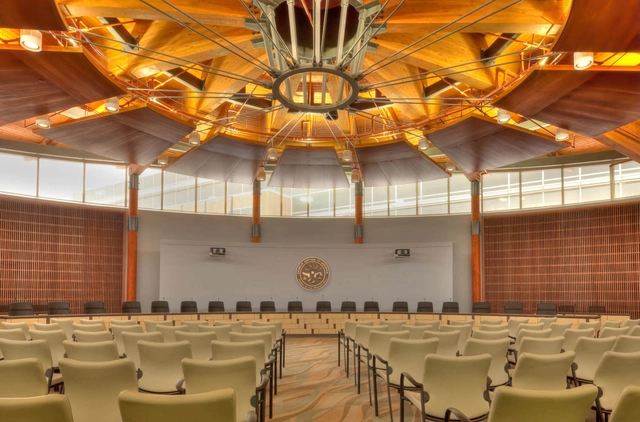
The rising popularity of mass timber products in Canada and the United States has led to a rediscovery of fundamentals among architects. Not least Indigenous architects, for whom engineered wood offers a pathway to recover and advance the building traditions of their ancestors. Because timber is both a natural, renewable resource and a source of forestry jobs, it aligns with Indigenous values of stewardship and community long obscured by the 20th century’s dominant construction practices.