1. ArchDaily
  2. Home Automation

Home Automation: The Latest Architecture and News

House Boat / Simone Micheli

House Boat / Simone Micheli - Exterior Photography, Houses, Door, FacadeHouse Boat / Simone Micheli - Interior Photography, Houses, Door, TableHouse Boat / Simone Micheli - Interior Photography, Houses, Table, Chair, LightingHouse Boat / Simone Micheli - HousesHouse Boat / Simone Micheli - More Images+ 43

Puntaldia, Italy

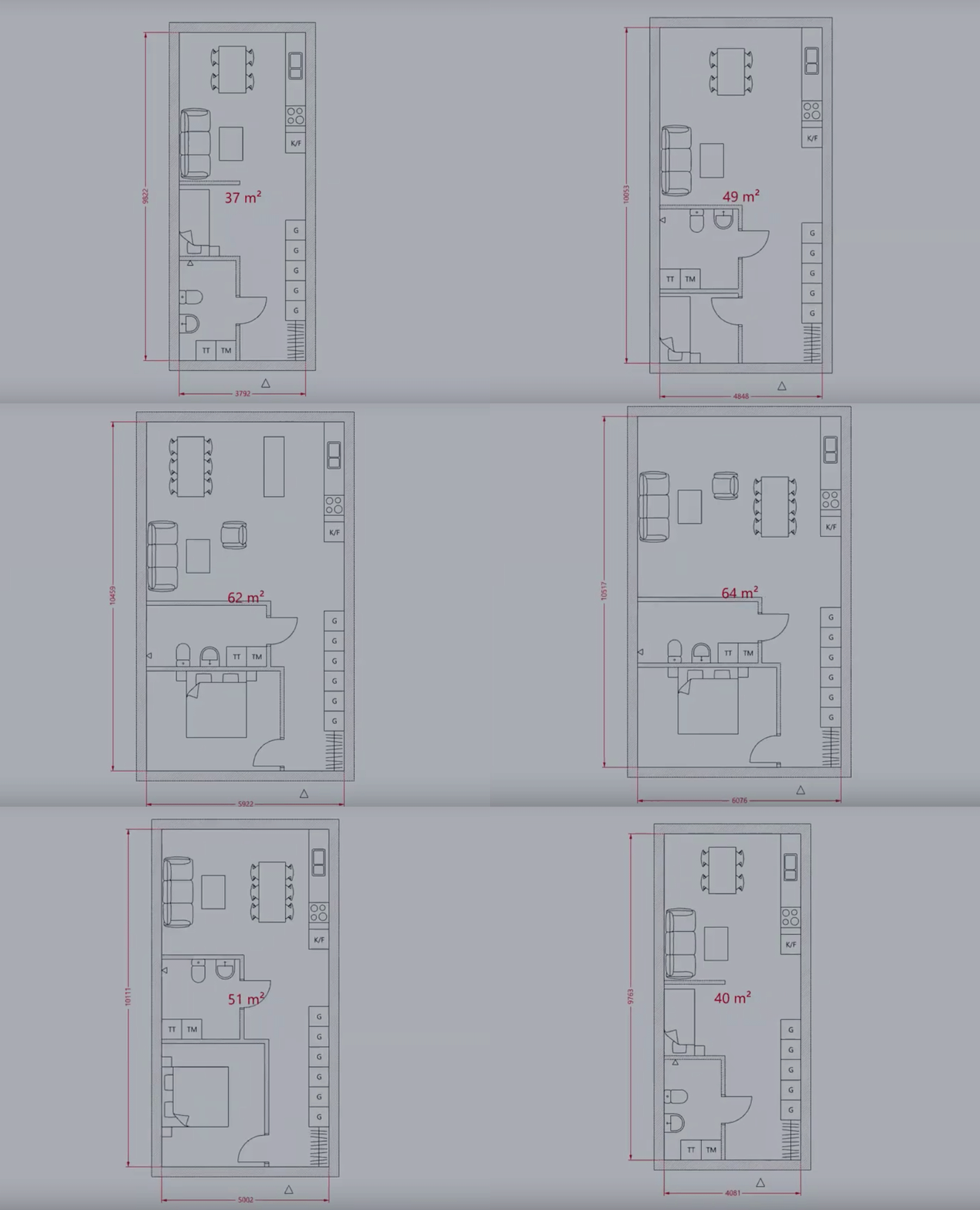
Adaptative Plans: An Algorithm That Predicts Spatial Configurations

Automation has finally reached our desks. If just a few years ago we believed that technology (including robots) could replace the work done by humans, minus the design specifications and some 'creative' aspects, we were wrong.

Higharc Startup Aims to Automate Home Design

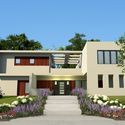
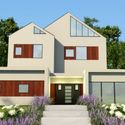
Stealth-stage startup Higharc has begun rethinking how new homes are designed and built without hiring an architect. Founded to reinvent new home design for the digital age, the company aims to make custom-fit homes accessible to anyone by automating home design and customization online. Taking on pre-made plans, the team wants to bring design back to housing options and make customization more accessible.

Higharc Startup Aims to Automate Home Design - Featured ImageHigharc Startup Aims to Automate Home Design - Image 1 of 4Higharc Startup Aims to Automate Home Design - Image 2 of 4Higharc Startup Aims to Automate Home Design - Image 3 of 4Higharc Startup Aims to Automate Home Design - More Images

Home Automation In Renovations: Is It Possible to Transform an Old Building into an Intelligent One?

Subscriber Access | 

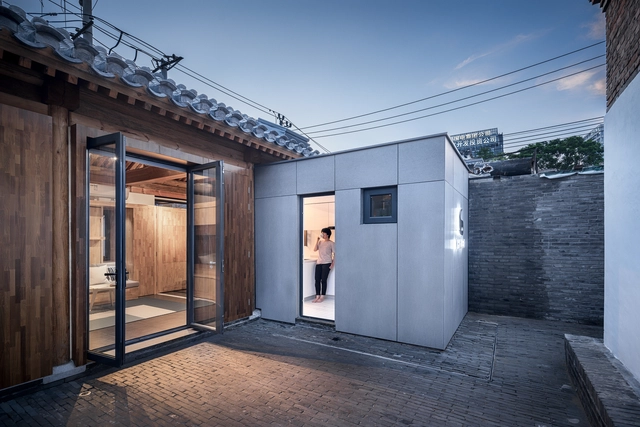
Although the ability to install home automation in a practical way is associated with new projects, it is possible to adapt previously built buildings in a relatively simple way. In both small and large renovations projects these systems can deliver automated features that responds to the requirements and needs of its users. They can also improve the habitability and comfort of its spaces, increase their security and promote long-term energy and money savings. So, what considerations must be taken into account in order to transform an regular architecture project into an "intelligent" one?

Home Automation In Renovations: Is It Possible to Transform an Old Building into an Intelligent One? - Image 1 of 4Home Automation In Renovations: Is It Possible to Transform an Old Building into an Intelligent One? - Image 2 of 4Home Automation In Renovations: Is It Possible to Transform an Old Building into an Intelligent One? - Image 3 of 4Home Automation In Renovations: Is It Possible to Transform an Old Building into an Intelligent One? - Image 4 of 4Home Automation In Renovations: Is It Possible to Transform an Old Building into an Intelligent One? - More Images+ 9

Illuminating the Future: How Bluetooth Mesh will Fundamentally Change Lighting Systems

Subscriber Access | 

Imagine light fixtures that act as Bluetooth beacons, allowing smartphones to help visitors find their way around a building. Imagine a lighting system which can pinpoint the location of people and physical assets within the building. Imagine an automation system which can use occupancy data and personal preferences to orchestrate an optimized and personalized building environment.

Smart Homes That Use Domotics To Improve Quality of Life

Smart Homes That Use Domotics To Improve Quality of Life - Image 5 of 4
© Paul Finkel

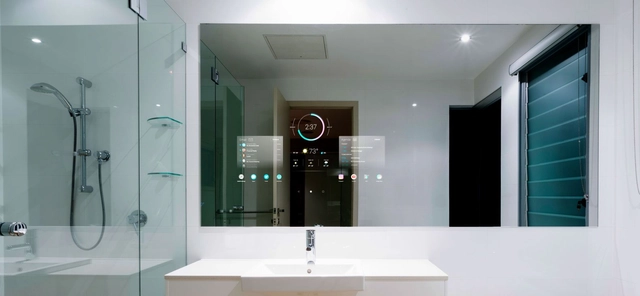
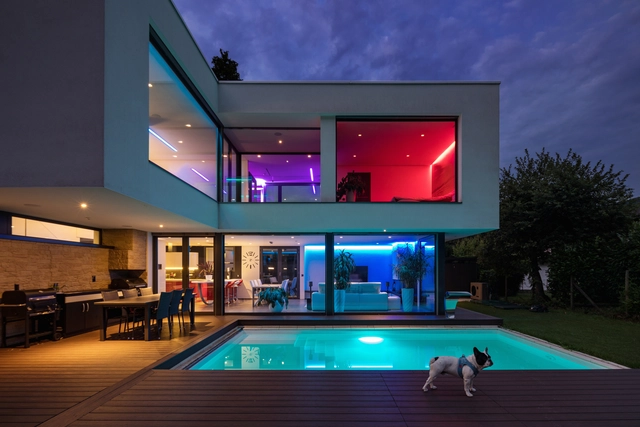
Home automation, or Domotics, is a set of technologies applied to a residence to control lighting, climate, entertainment systems, and appliances. Its systems allow for efficient management of energy consumption, security, accessibility, and the general comfort of the building, becoming an important issue to consider when designing, building, and living.

Domotic systems are based on the collection of data by sensors, which are then processed to issue precise orders to the executors, varying the environmental quality of each enclosure according to the needs of the user. The pace of current life and the technological advances we have experienced in recent years have led to new ways of living, motivating the design of homes and more human, multifunctional and flexible buildings. What was once a luxury is now a feasible and effective solution for all types of projects.

In this article, we've compiled a collection of smart homes where domotics have been used.

Smart Homes That Use Domotics To Improve Quality of Life - Image 1 of 4Smart Homes That Use Domotics To Improve Quality of Life - Image 2 of 4Smart Homes That Use Domotics To Improve Quality of Life - Image 3 of 4Smart Homes That Use Domotics To Improve Quality of Life - Image 4 of 4Smart Homes That Use Domotics To Improve Quality of Life - More Images+ 20

Will Automation Affect Architects?

According to The Economist, 47% of the work done by humans will have been replaced by robots by 2037, even those traditionally associated with university education. While the World Economic Forum estimates that between 2015 and 2020, 7.1 million jobs will be lost around the world, as "artificial intelligence, robotics, nanotechnology and other socio-economic factors replace the need for human employees."

It's not science fiction: the MIT Technology Review warns that the current debate over raising the minimum wage for fast food employees in the United States would accelerate their own automation. On the other hand, Silicon Valley personalities and millionaires like Elon Musk and Richard Branson warned that the impact of automation will force the creation of a universal basic income to compensate not only the massive unemployment that would generate these new technologies but also the hyper-concentration of the global wealth.

One advocate of this idea is the British economist Guy Standing who wrote at the Davos Forum that it "would be a sensible precaution against the possibility of mass displacement by robotization and artificial intelligence," but will automation affect architects? Will we really be replaced by robots?