1. ArchDaily
  2. Flooring

Flooring: The Latest Architecture and News

Take Off Your Shoes: 5 Floors to Experience Barefoot

Subscriber Access | 

The skin absorbs matter, and the world is contemplated, touched, heard, and measured through our bodily existence. Juhani Pallasmaa, a Finnish architect known for propagating sensory architecture, defends the notion that, unlike vision, touch is the sense of proximity, becoming a main axis by covering the entire body. It is a fact that, when speaking of touch, the first image that comes to mind is usually contact with hands. However, there are other ways to feel architecture that can be developed in projects, such as the touch of bare feet on a particular surface.

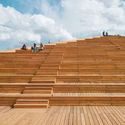
Take Off Your Shoes: 5 Floors to Experience Barefoot - Image 1 of 4Take Off Your Shoes: 5 Floors to Experience Barefoot - Image 2 of 4Take Off Your Shoes: 5 Floors to Experience Barefoot - Image 3 of 4Take Off Your Shoes: 5 Floors to Experience Barefoot - Image 4 of 4Take Off Your Shoes: 5 Floors to Experience Barefoot - More Images+ 13

Why is Terrazzo Considered One of the Original Sustainable Floors?

 | Sponsored Content

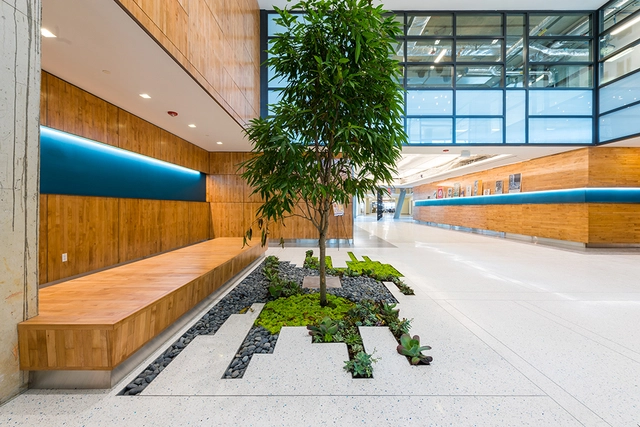
When designing an architecture project, defining the flooring is a key element in achieving the comfort, style and functionality imagined by the design team. Depending on the type of use and its requirements, architects can choose the most suitable materials, textures and finishes for each project. Terrazzo & Marble offers a sustainable option to traditional materials like wood, carpet and ceramic with Terroxy Resin Systems, which are known for their sustainability, design flexibility, durability and low maintenance.

Modernist Hydraulic Tiles: One of Barcelona’s Great Treasures

Subscriber Access | 

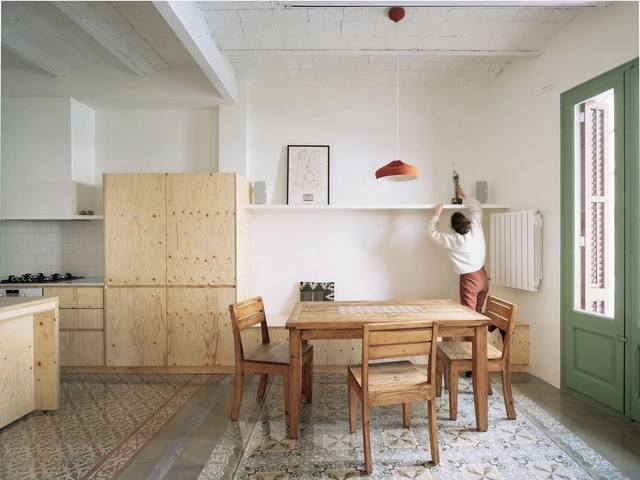
Reflecting on what the materials of the future will be like, we will talk about a material that is booming in Barcelona and which perhaps leads us to respond by suggesting that, as always, everything comes back.

For some years now, hydraulic mosaics have been back on trend, generating interest due to their high artisan value and their diverse designs, perfect for combining traditional environments with avant-garde details.

From Monumental Ruins to Lavish Interiors: 18 Projects that Prove Marble is a Timeless Material

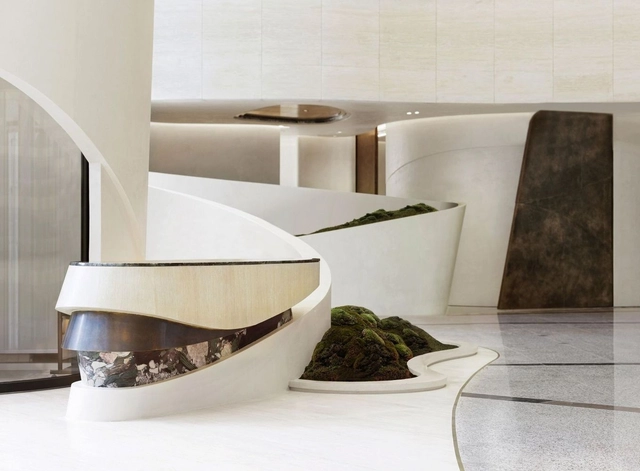
When thinking of marble, we often associate the material with ancient Greek sculptures, Classical architecture, or the Italian Renaissance. Monumental landmarks such as the St. Peter’s Basilica or the Taj Mahal, have positioned marble as an elite and timeless material that stands the test of time. And in today's conversations about the future of construction materials, amid sustainability, feasibility, and affordability, the natural stone remains high-caliber. In this interior focus, we’re taking a look at marble between the past, present, and future.

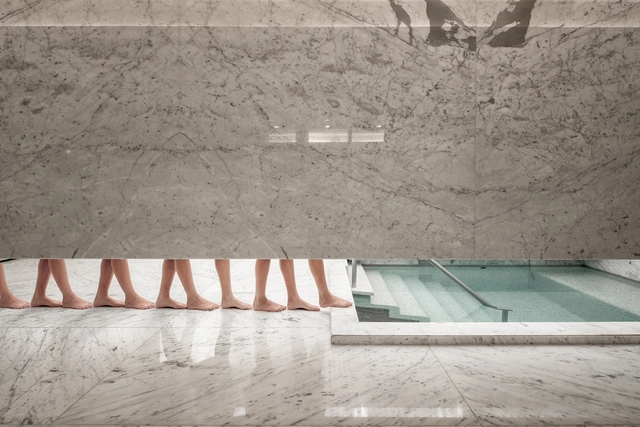
From Monumental Ruins to Lavish Interiors: 18 Projects that Prove Marble is a Timeless Material - Image 1 of 4From Monumental Ruins to Lavish Interiors: 18 Projects that Prove Marble is a Timeless Material - Image 2 of 4From Monumental Ruins to Lavish Interiors: 18 Projects that Prove Marble is a Timeless Material - Image 3 of 4From Monumental Ruins to Lavish Interiors: 18 Projects that Prove Marble is a Timeless Material - Image 4 of 4From Monumental Ruins to Lavish Interiors: 18 Projects that Prove Marble is a Timeless Material - More Images+ 23

9 Projects that Demonstrate the Versatility of Brick Floor

Often recognized as one of the most widespread constructive materials in the world, brick is, with no doubts, very versatile, low-cost and easily applied. Although it usually used in vertical surfaces, it also presents excellent properties when applied to horizontal ones, like floors.

How to Choose Pavements for High-Traffic Public Spaces

Currently, there are a multitude of pavements in the market, each with different characteristics. When designing a public space, it is essential to ask the right questions regarding requirements and functions to determine the right material for the job. To begin: Where will the pavement be installed? (Will it be protected, exposed, wet, or damp?). What level of traffic will it experience? (Light, moderate, or high?). What type of traffic will it experience? (Pedestrians, bicycles, light vehicles, or heavy vehicles?). What other factors should be considered based on preexisting conditions?

From these questions, it is possible to draw a more precise and effective profile of the "abrasion resistance" of the pavement, an important factor to guarantee the durability and efficiency of the material. Then, the aesthetic, functional, economic, and sustainable factors may be added.

How to Choose Pavements for High-Traffic Public Spaces  - Image 1 of 4How to Choose Pavements for High-Traffic Public Spaces  - Image 2 of 4How to Choose Pavements for High-Traffic Public Spaces  - Image 3 of 4How to Choose Pavements for High-Traffic Public Spaces  - Image 4 of 4How to Choose Pavements for High-Traffic Public Spaces  - More Images+ 16