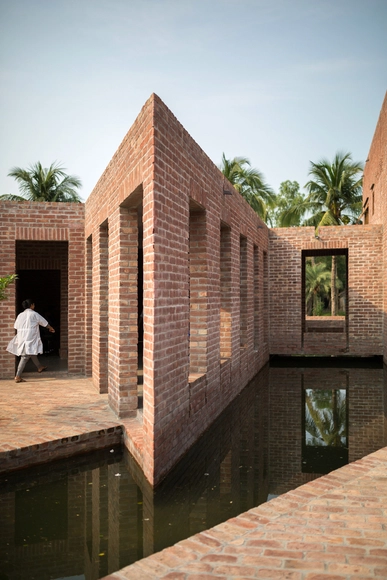
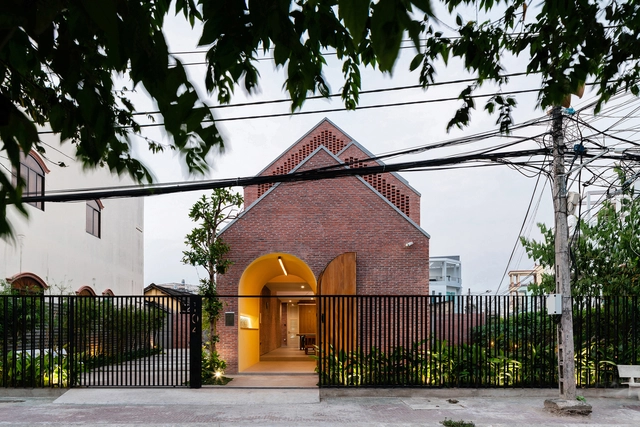
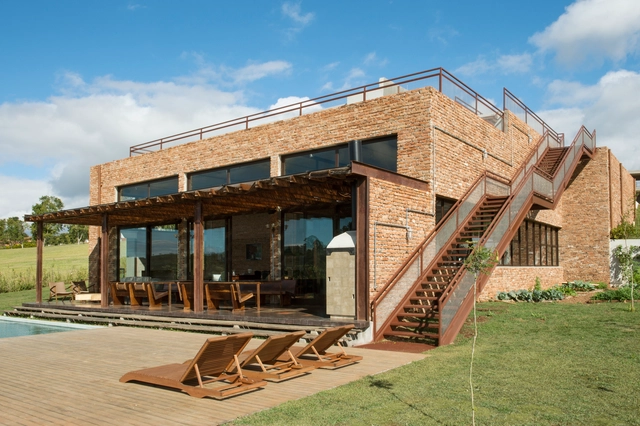
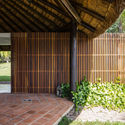
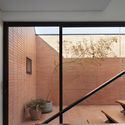
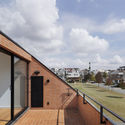
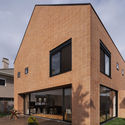
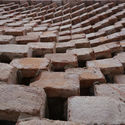
Often recognized as one of the most widespread constructive materials in the world, brick is, with no doubts, very versatile, low-cost and easily applied. Although it usually used in vertical surfaces, it also presents excellent properties when applied to horizontal ones, like floors.
Automation is rapidly becoming a normalized part of many people’s daily lives and careers, a trend which has by no means evaded the construction industry. While this increasingly pervasive technology is often considered a symptom of the contemporary 21st century, however, one automated construction technology may have a history stretching as far back as the 1960s. This technology, the bricklaying robot, has transformed dramatically since its limited realization over 50 years ago, splintering into newer, more technologically advanced variations today.
https://www.archdaily.com/928440/the-evolution-of-bricklaying-robots-changing-the-rules-of-traditional-constructionLilly Cao
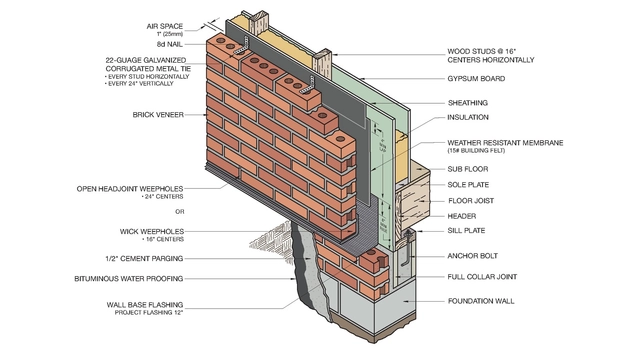
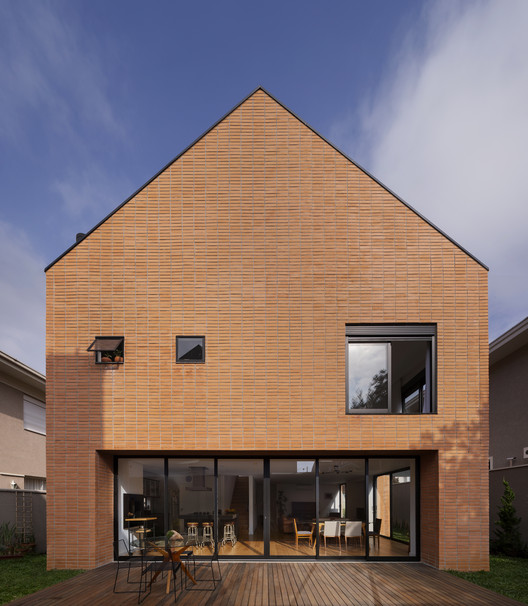
Traditionally, bricks have been used in architecture to fulfill a double function: structural and aesthetic. While they act as an effective and resistant modular solution in building structures, their faces can be exposed to constitute their architectural appearance, generating facades rich in texture and color, thanks to the iron present in the clay they are composed of.
At present, there are products that allow the attractive appearance of bricks to be merged with other structural systems, separating their functions and providing the necessary freedom of design so that the facades can adapt creatively in favor of the conditions of each project and the requirements of its users.
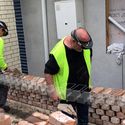
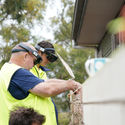
Fusing augmented reality with the physical space, Fologram seeks to facilitate the construction of complex designs (for example, parametric designs that require a series of measurements, verification, and specific care) through digital instructions that are virtually superimposed into the workspace, directing a step-by-step guide for bricklayers during the construction process.
'Research institutions and large companies are working with industrial robots to automate these challenging construction tasks. However, robots aren’t well-suited for unpredictable construction environments, and even the most sophisticated computer vision algorithms cannot match the intuition and skill of a trained bricklayer,' stated their creators.
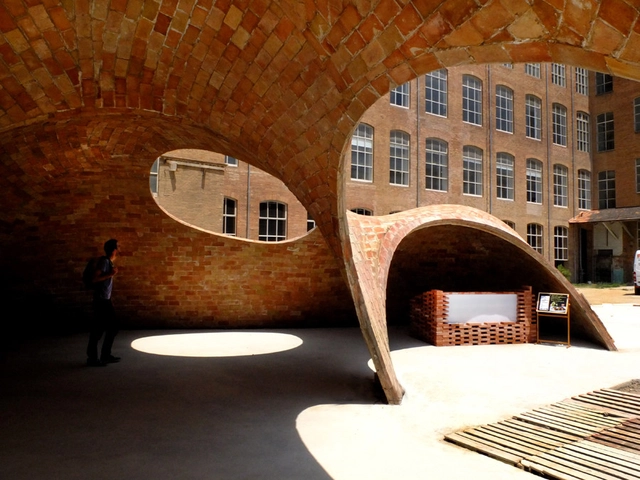
Bricktopia, by the architects of the international collective Map13, is the winning project in the "Build-it" category of the Eme3 International Architecture Festival, held on June 27-30, 2013, in Barcelona. The pavilion can be visited throughout the summer at the square of the former spinning mill Fabra i Coats in the Sant Andreu district.
This intervention sets a new square which can house different activities, both under the pavilion and around it. Public spaces for bathrooms, sun, bar and stage for enjoying the summer 2013. It is a brick domed structure that employs the traditional construction system of a partitioned vault (or "Catalan vault") computed with new digital tools for the structural optimization of the geometry.