As seen throughout architectural history, ephemeral installations and pavilions are key elements for addressing specific architectural moments and social manifestations in an almost immediate way. While some pavilions have proven so significant that they transcended their temporary nature to become permanent, exemplary expressions of a historical moment—such as the Barcelona Pavilion, designed by Ludwig Mies van der Rohe and Lilly Reich for the Barcelona International Exposition in Montjuïc—others remain documented in photographs, plans, and experiences, to be rewritten in future projects.
One of the most critical factors in architectural design is the site's specific climate. While this can present challenges in extreme conditions—requiring insulating materials to adapt to shifting environments—Mexico's privileged climate works in the architects' favor. It allows them to create microclimates and spaces that blur the boundary between indoors and outdoors.
As one of Mexico's most prominent cities and business hubs, Monterrey is situated within the territory of Nuevo León, a state in the country's Northeast region that borders Texas, defining a significant portion of the US-Mexico border. Covering just over 451.30 square kilometers with an average elevation of 500 meters above sea level, the municipality is bordered to the north by San Nicolás de los Garza and General Escobedo; to the south by San Pedro Garza García and Santiago; to the east by Guadalupe, Juárez, and Cadereyta; and to the west by Santa Catarina and García.
The National Social Distancing Campaign (Jornada de Sana Distancia) in Mexico began on March 23, 2020. However, a couple of weeks earlier, even despite the Federal Government's recommendation to continue activities as normal, social media was already filled with people choosing to replicate the European model and self-isolate. Immediately, some architecture practices decided to close their physical offices and transition to a remote work model, while others took several weeks longer. Yet, this period of social and physical (spatial) distancing is experienced differently in every household. In the months since this pandemic unfolded, it has laid bare not only the inequality in basic needs within dense urban areas but also the fragility of the social order itself. Whether at a macro or micro scale, all these experiences occur within and are influenced by the built environment, making architecture both judge and jury in this equation.
Mexico's National Social Distancing Campaign began on March 23, 2020, but a couple of weeks earlier, even as the federal government recommended continuing normal activities, social media was already filled with people choosing to self-isolate and replicate the European model. Some architecture firms immediately decided to close their physical offices and transition to a remote work model, while others took several weeks longer. However, this period of social and physical (spatial) distancing is experienced differently in every household. Over the months that this pandemic has unfolded, it has exposed not only the inequality regarding basic needs in dense urban areas, but also the fragility of the established social order. Whether at a macro or micro scale, all of these experiences occur within and are influenced by the built environment, making architecture both judge and jury in this equation.
The National Social Distancing Campaign (Jornada de Sana Distancia) in Mexico began on March 23, 2020. However, a couple of weeks earlier, despite the federal government's recommendation to continue normal activities, people on social media were already choosing to replicate the European model of self-isolation. Some architecture firms immediately decided to close their physical spaces and transition to remote work, while others took a few more weeks. Still, this period of social and physical (spatial) distancing is experienced differently in every household. The months of this pandemic have exposed not only inequality regarding basic needs in dense urban areas, but also the fragility of our social order. Whether at a macro or micro scale, all these experiences are shaped and influenced by the built environment, making architecture both a judge and a party to the equation.
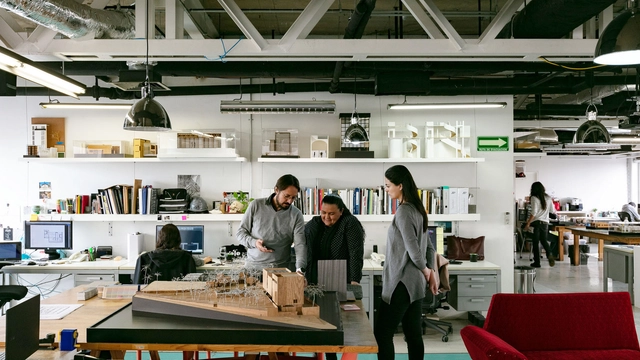
Luis Beltrán del Río García and Andrew Sosa Martínez of Vrtical. Image
The Architectural League of New York has announced the winners of the 2020 Architectural League Prize for Young Architects + Designers. Focusing on fresh talent, North America’s most prestigious award encourages the development of distinctive individuals and underlines their work.
Located in southern Mexico, bordering the state of Tabasco and sharing a border with Guatemala, the state of Chiapas is one of the most significant regions for Mesoamerican cultures like the Olmec, Maya, and Chiapanec. Consequently, some of the area's most important tourist attractions are the archaeological zones of Yaxchilán, Palenque, Chinkultic, Toniná, and Bonampak, which are crucial for understanding the construction, structural, and social processes that shaped this territory.
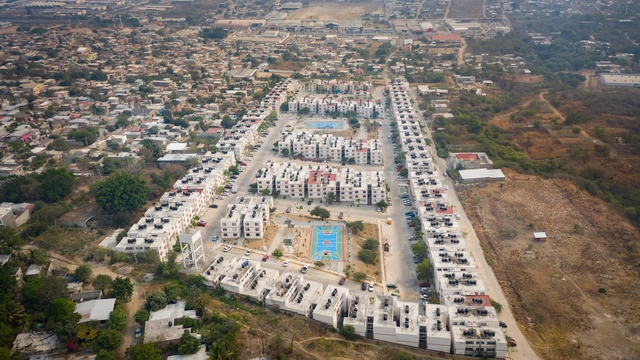
As part of an initiative by Infonavit to drive the recovery of three neighborhood parks in the city of Tuxtla Gutiérrez, Chiapas—“San Juan,” “Las Torres,” and “Canteras”—these housing developments lacked efficient infrastructure, resulting in a deteriorated urban image, high crime rates, and a complete lack of community ownership over public spaces. In response, T+E Arquitectos and Fracciona Arquitectura joined forces to transform these spaces, addressing the distinct requirements of each site.