

-
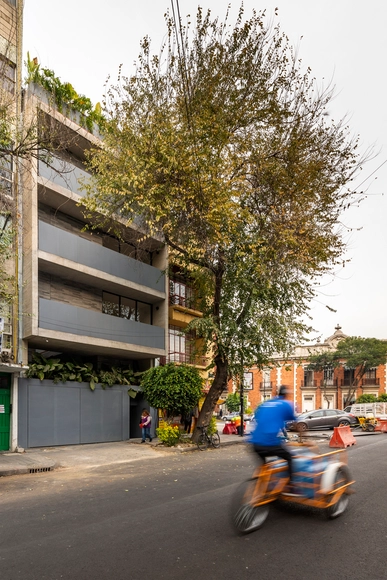
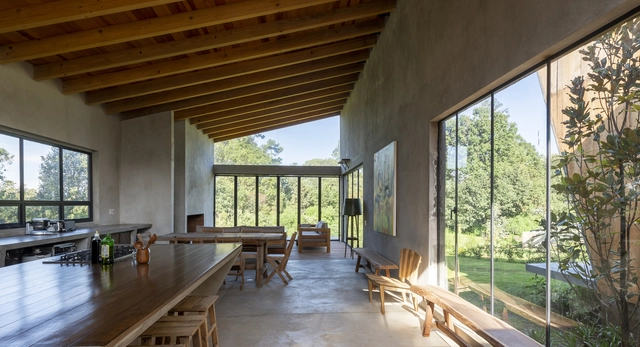
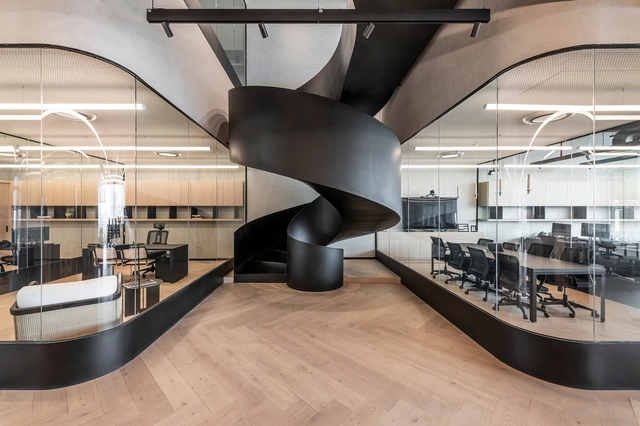
Architects: FR-EE / Fernando Romero Enterprise
- Area: 740 m²
- Year: 2020
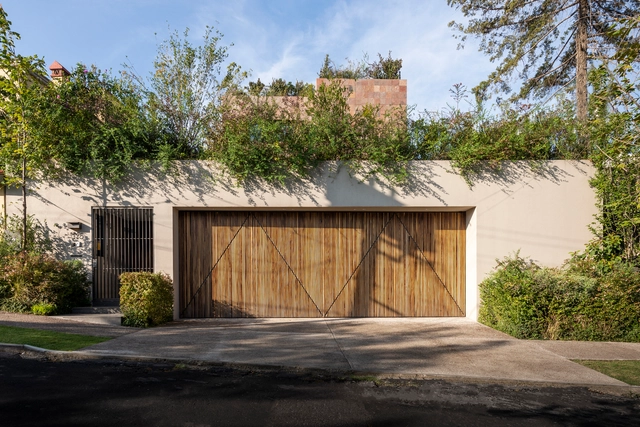
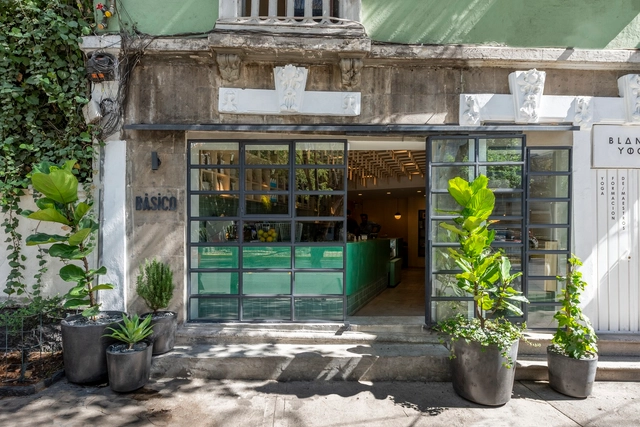
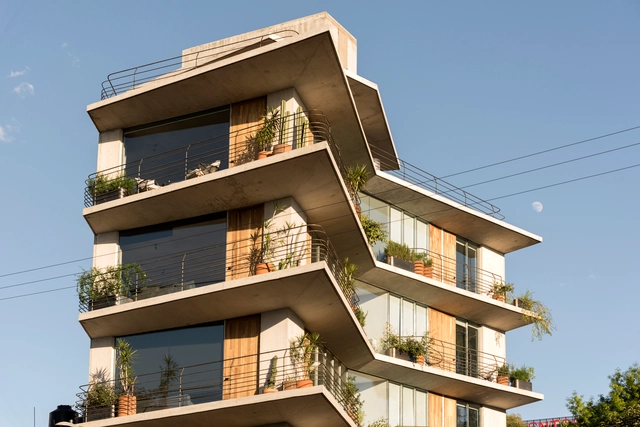
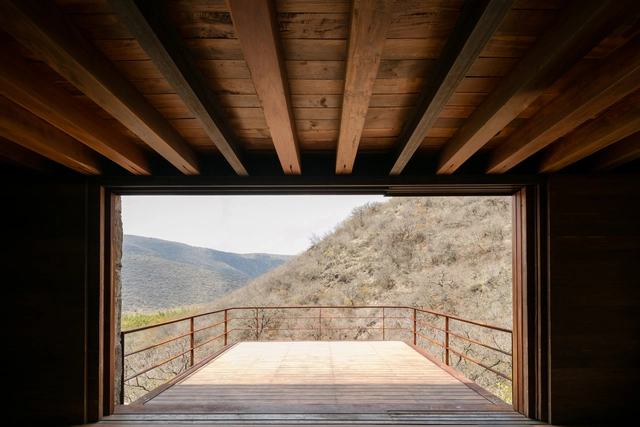
One of the most critical factors in architectural design is the site's specific climate. While this can present challenges in extreme conditions—requiring insulating materials to adapt to shifting environments—Mexico's privileged climate works in the architects' favor. It allows them to create microclimates and spaces that blur the boundary between indoors and outdoors.
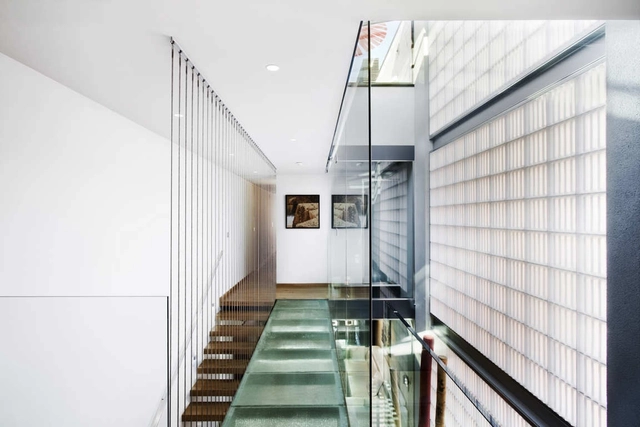
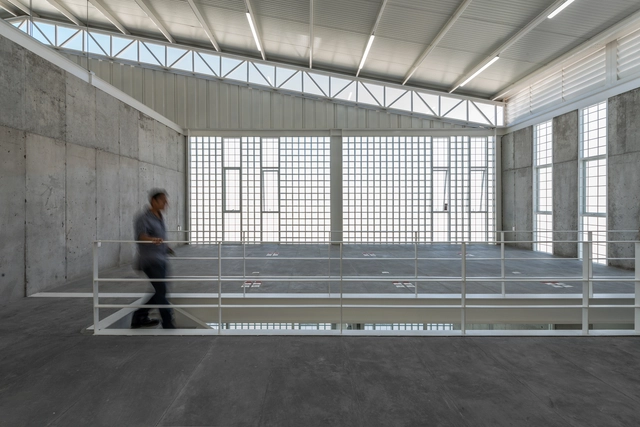
In 1977, a New York Times article by Carter B. Horsley proclaimed that “Glamorous Glass Bricks Are Booming:” once a “less than first-class” material, it was beginning to gain acceptance among architects in residential and restaurant projects for its translucence, privacy, visual interest, and sense of order. However, following the industry’s brief but widespread use of glass bricks, many now associate the material with outdated 80’s architectural styles, an aesthetic that few seem interested in reviving. Yet pioneering contemporary architects have begun using this unique material in new and distinctly modern ways, whether for sleek and minimalist bathrooms, industrial bars and restaurants, vintage residential windows, or even experimental urban facades. As Horsley stated, it appears that glamorous glass bricks are booming – again.

Coffee shops are spaces whose history dates back to the 15th century. Originating in Arab countries before the rise of Europe, they began to play an important social role, often described as taverns where significant conversations took place, deals were struck, and political debates unfolded. Over time, these spaces evolved and the concept expanded to European countries like England, France, Italy, and Germany, where they served as highly public gathering spots for merchants, politicians, scientists, academics, philosophers, and poets.
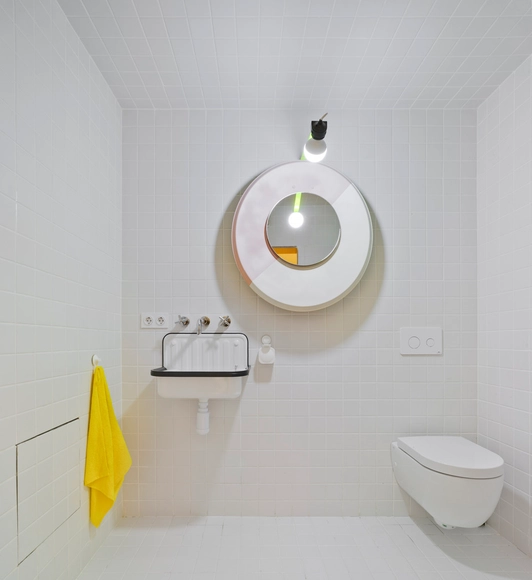
Square, rectangular, hexagonal, matte, shiny. It's hard to think of a more versatile flooring material than tiles. They're also known for their high durability, ease of maintenance and installation, and are among the most common choices for covering floors and walls, whether wet or not. Following are 10 common questions about ceramic tiles, and their answers:

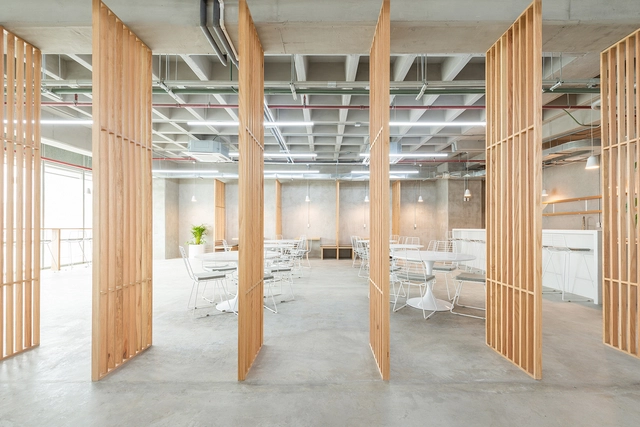
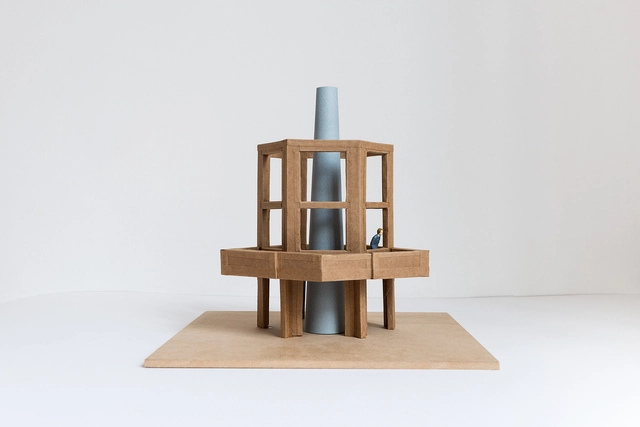
On March 31, Mexico-based firm LANZA Atelier exhibited three projects at the San Francisco Museum of Modern Art: 'Mesa Nómada', 'Shared Structures', and 'S/N (sin número).' The latter—created with support from FONCA—reclaims the city's 'Security and Citizen Participation Modules,' converting them into functional urban installations. Following the success of the exhibition, the museum has announced that 'S/N (sin número)' has joined its permanent collection. Read on to learn more about the project.
The history of Mexican photography has contributed to highlighting Mexico's presence in the world. Photographers like Elsa Medina, Lola Álvarez Bravo, Graciela Iturbide, Maya Goded, and Juan Rulfo have masterfully portrayed the life of the buildings, houses and the streets of a rapidly built, nineteenth-century Mexico.


.jpg?1614023955&format=webp&width=230&height=230&crop=true)


.jpg?1594917129&format=webp&width=230&height=230&crop=true)