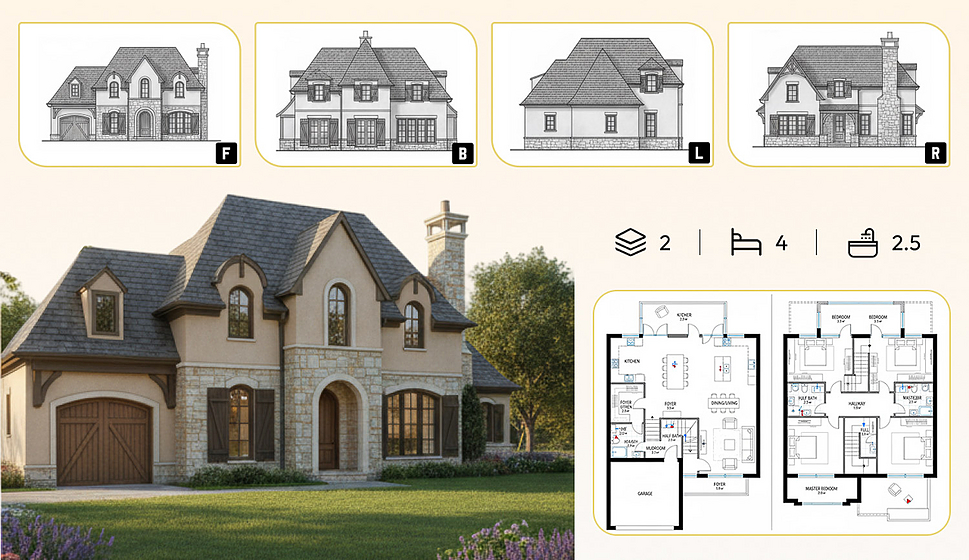
This guide covers a workflow that moves from project parameters to generated floor plans, 3D perspective views, exterior design exploration, and site context visualization, using AI tools in place of preliminary CAD and rendering work.
This guide covers a workflow that moves from project parameters to generated floor plans, 3D perspective views, exterior design exploration, and site context visualization, using AI tools in place of preliminary CAD and rendering work.

Italian Design Day (IDD), created by the Italian Ministry of Foreign Affairs and International Cooperation, reaches its sixth edition in 2022 and will be celebrated in Brazil with an online event on March 23. The event is promoted by the Italian Cultural Institutes of São Paulo (IIC-SP) and Rio de Janeiro (IIC Rio), with institutional support from the Embassy of Italy in Brasília and the Italian consular network in Brazil. The event is held in collaboration with the Istituto Europeo di Design (IED).

Streets are the foundational public spaces of cities and the ultimate hubs of convergence. Where streets meet, plazas, squares, and parks emerge. Everything flows through our streets, and their quality determines people's access to employment, education, healthcare, and leisure. Yet a brief look at major Brazilian cities reveals a clear prioritization of motorized vehicles over other modes of transport. In São Paulo, for instance, 41% of sidewalks do not meet the minimum width required by law.
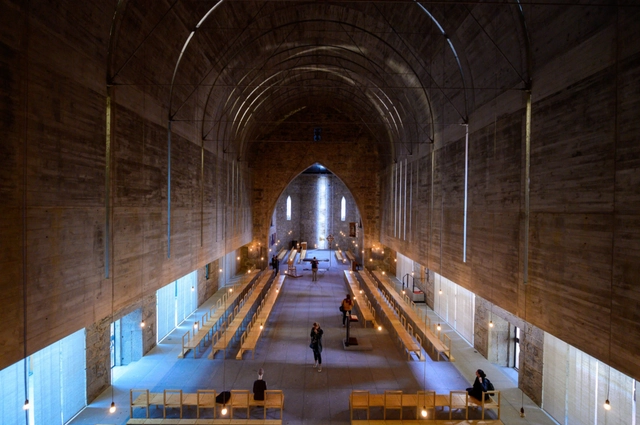
No País dos Arquitectos is a podcast created by Sara Nunes, who also runs the architectural film production company Building Pictures. The podcast aims to showcase the professionals, projects, and stories behind landmark contemporary Portuguese architecture. With just over 10 million inhabitants, Portugal is a fascinating country when it comes to this professional field, and its architectural output punches far above its population and territorial scale.
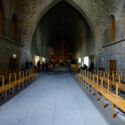
In this episode, Sara talks with architect António Cerejeira Fontes, from the firm Cerejeira Fontes Architects, about the Imaculada and Cheia de Graça Chapels in Braga, northern Portugal. Listen to the full interview and read an excerpt of the conversation below:

A small community of tiny homes has been built in Seattle, Washington, with the goal of helping homeless women transition back into stable shelter. What makes the project even more remarkable is that Whittier Heights Village was built entirely by female volunteers.
The site is tucked away between a bank parking lot and a four-story apartment complex in the Ballard neighborhood. The fenced-in lot features 16 tiny homes capable of temporarily sheltering up to 20 women at a time.
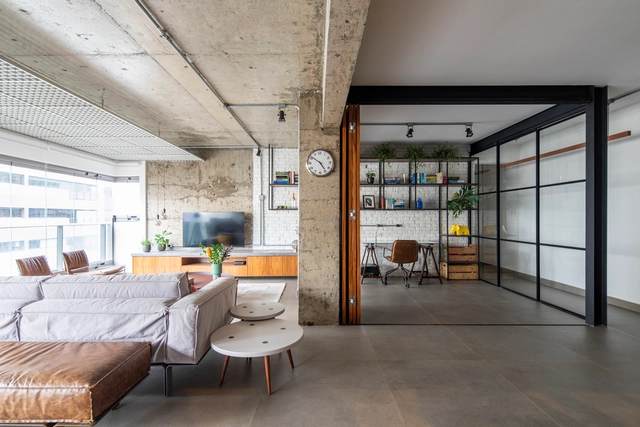

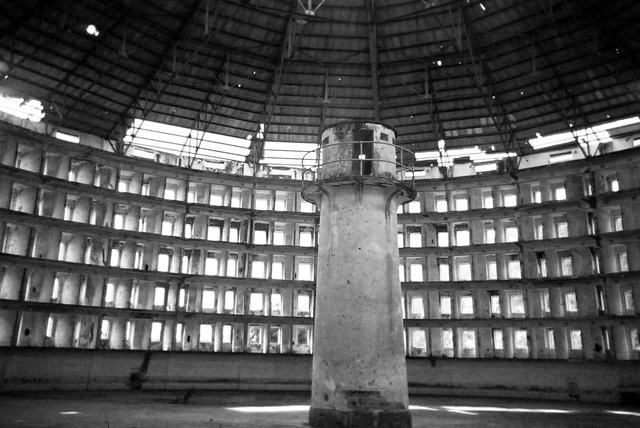
This essay seeks to call upon the field of Architecture and Urbanism to reflect on the prison. When discussing urban crises, the existence of spaces of confinement is rarely problematized as a component—or even a generator—of the issues facing contemporary cities. Yet, this essay advances the premise that they are, in fact, central to them.
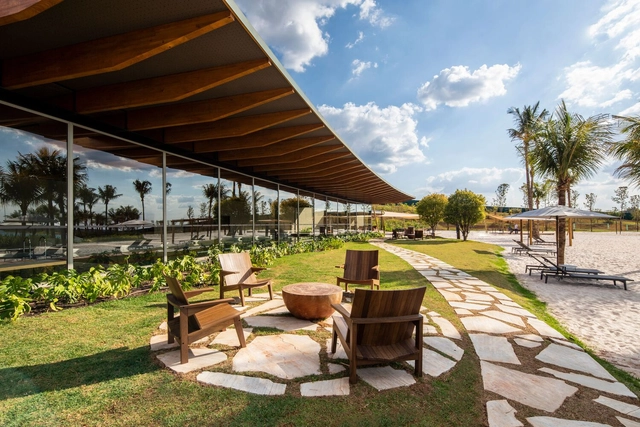
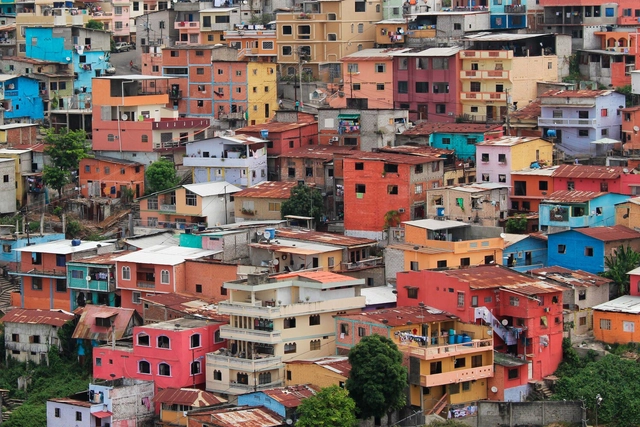
Favela Marte, located in São José do Rio Preto, in upstate São Paulo, will be the first community in Latin America to be fully powered by solar panels. The site will serve as a model for a broad project that promises to generate income and social development for its residents.
Known as Vila Itália, the community began to emerge in 2014. For several years, the residents were the target of lawsuits aimed at evicting them from the private land. A turning point came when the area was chosen to serve as a model for the “Favela 3D” project—standing for dignified, digital, and developed environments.
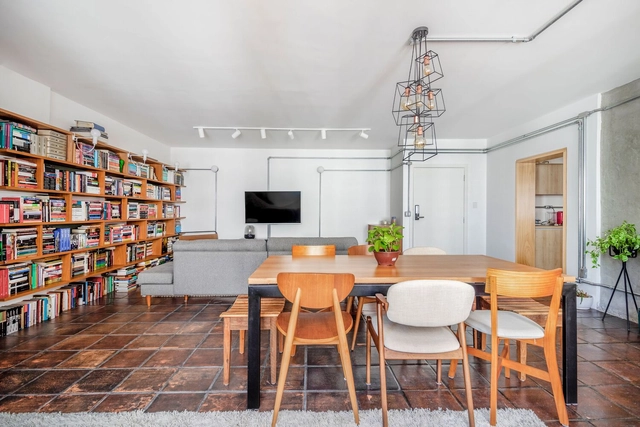
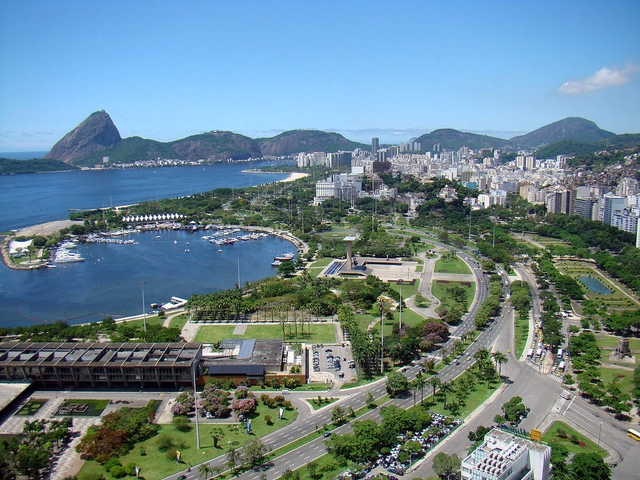
The course Architecture and City in Brazil, taught by architect, curator, and professor Guilherme Wisnik, joins the online learning catalog of the Sesc Digital platform starting March 31. Entirely free and open, the self-paced, asynchronous course allows students to watch at their own pace.
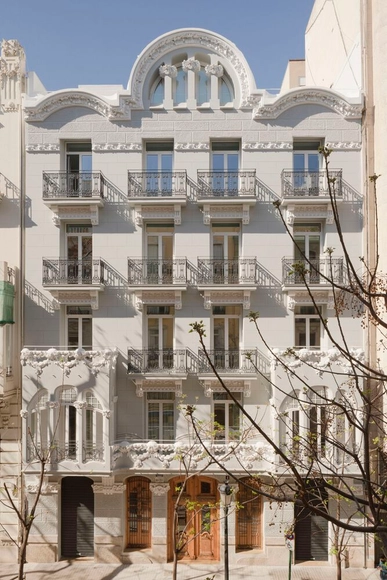
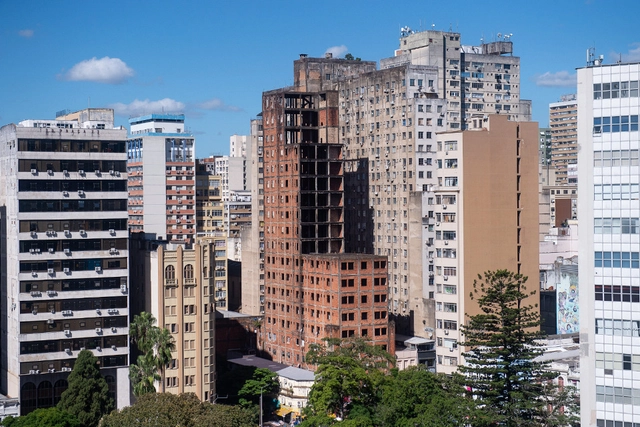
In the film Aquarius, directed by Kleber Mendonça Filho, the character Clara, played by Sônia Braga, refuses to sell her apartment—located in a condominium building—to a real estate developer. Her neighbors, on the other hand, accept the deal. In an article for Estadão, economist Pedro Fernando Nery views the case through a lens opposite to the cinematic narrative: instead of a hero resisting unscrupulous real estate capital with no respect for Recife's coastal landscape, Clara is actually the villain.
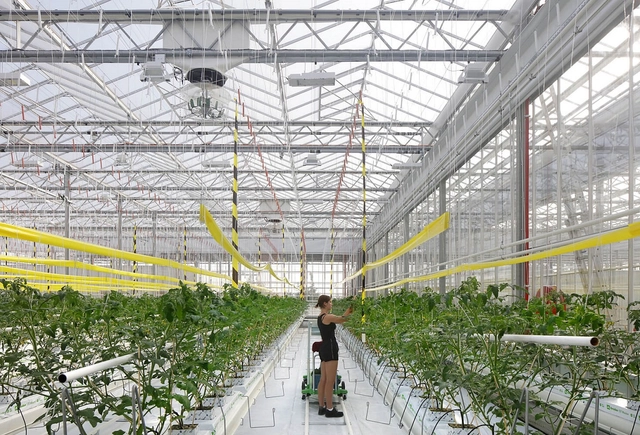
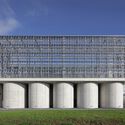
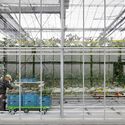
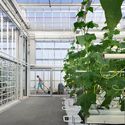
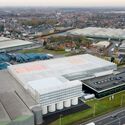
Europe's largest research center for urban food production has opened in West Flanders, Belgium. Named Agrotopia, the space is a giant greenhouse where innovative urban horticulture techniques will be applied.
Vegetables and fruit trees are being planted across the 6,000-square-meter cultivation area. The space is divided into four climate zones, allowing for the cultivation of diverse species.
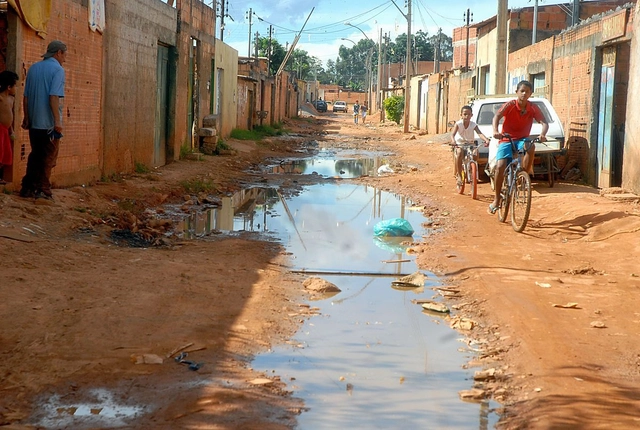
Even as 5G technology is about to launch in major cities, placing Brazil among a select group of countries with advanced technology installed, 35 million people still lack access to quality drinking water and 100 million do not even have sewage collected from their homes. Furthermore, a volume of sewage equivalent to 5,300 Olympic swimming pools is discharged into nature every day without any treatment in the country.

The Novo Rio Pinheiros Program announced the results of actions taken by the São Paulo State Government to clean up the river since 2019. According to January data from the Secretariat of Infrastructure and Environment, there has been a significant improvement in oxygenation and a reduction in organic matter in the water. In June 2019, Governor João Doria promised to clean up the river by 2022.