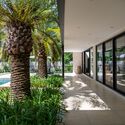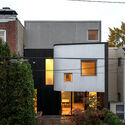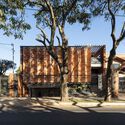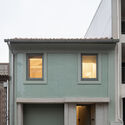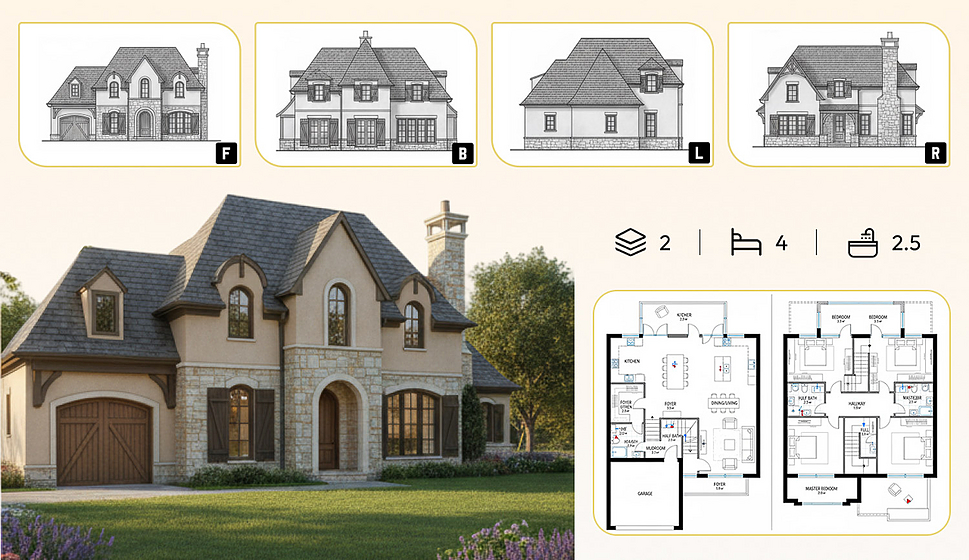
This guide covers a workflow that moves from project parameters to generated floor plans, 3D perspective views, exterior design exploration, and site context visualization, using AI tools in place of preliminary CAD and rendering work.
This guide covers a workflow that moves from project parameters to generated floor plans, 3D perspective views, exterior design exploration, and site context visualization, using AI tools in place of preliminary CAD and rendering work.
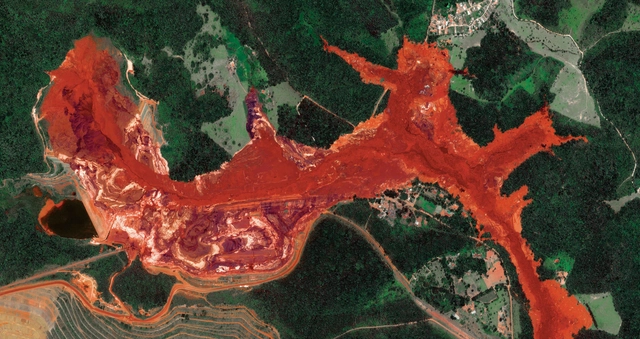
Summer in the Southern Hemisphere, particularly in the region between the tropics and the Equator, is marked by high humidity, heavy rainfall, and high temperatures. Alongside these summer storms, Brazil also contends with a series of severe events such as flooding, landslides, and dam failures. Over the years, the concentration of these events between November and March has become increasingly common. Their occurrence is directly linked to seasonal summer rains, but also to the country's ongoing economic activities.
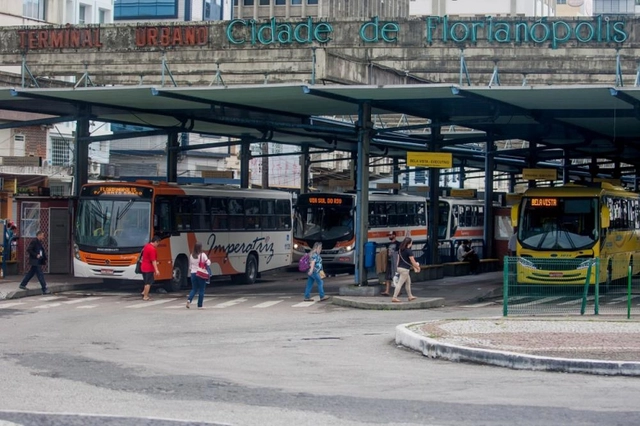
Starting today, Florianópolis residents will receive a one-real discount on bus fares paid during off-peak hours. Additionally, to facilitate short-distance travel, the City of Florianópolis is offering a 50% fare discount on six neighborhood lines. These benefits apply to all municipal transit cardholders.
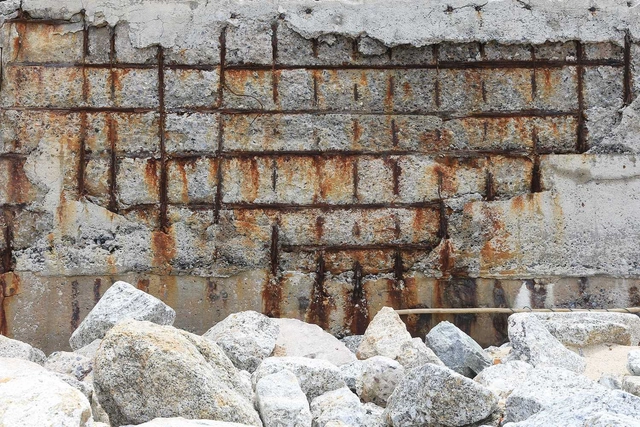
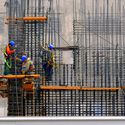
Reinforced concrete is the most widely used building material in the world. In Brazil, the nation's greatest architectural icon, Oscar Niemeyer, was passionate about the material, claiming it was the only one capable of giving shape to his sinuous curves.
Builders love concrete, making it the most widely used construction material in the world–but the production of the cement used in most concrete accounts for 8% of global greenhouse gas emissions.
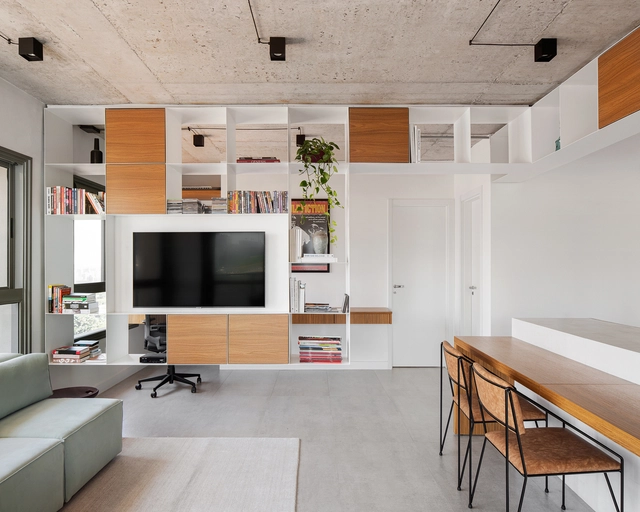


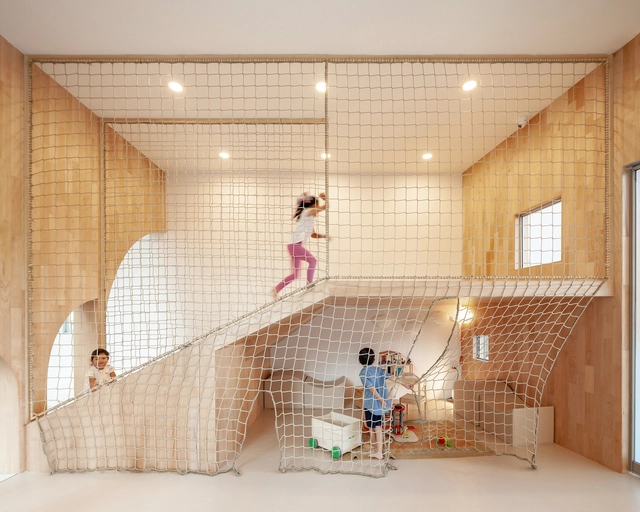
Whether or not they grow up to be architects, the fundamental skills that drive design and architecture can offer immense benefits to our children. The way children grow up to think, behave, solve problems, and create can be immeasurably enhanced by teaching them to think like architects from an early age.
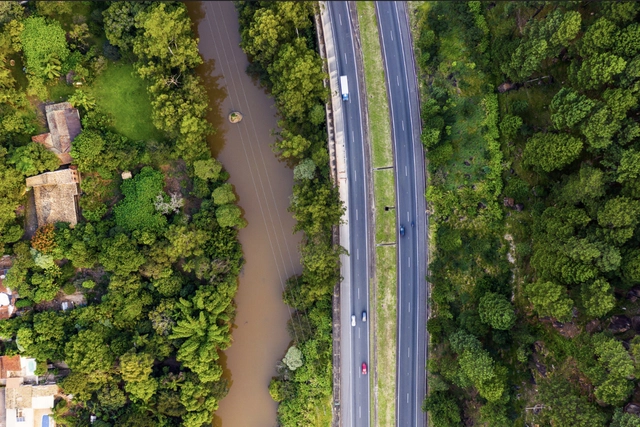
Will 2022 place Brazil on the path toward the economic transition needed to meet climate goals and keep the long-term target of net-zero emissions by 2050 viable? There is still a window of opportunity for the world to limit warming to 1.5°C, but countries' lack of ambition so far has made this scenario increasingly costly to achieve. Each passing year adds urgency, and science has made it clear that decisions made this decade will define the planet's climate balance.
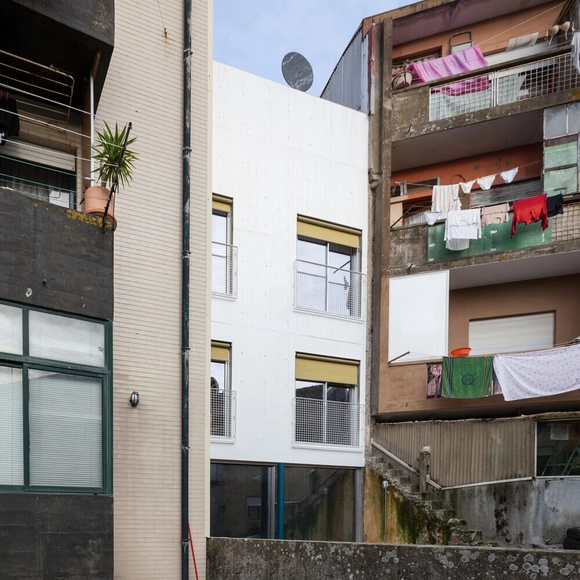
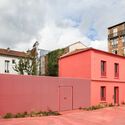
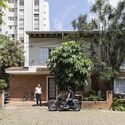
Facades are the calling card of any building, shaping visitors' first impressions of the space they are entering. They are also the part of a building most exposed to the elements and street pollution, requiring periodic maintenance. This article offers practical tips to guide you when renovating the front of your home.

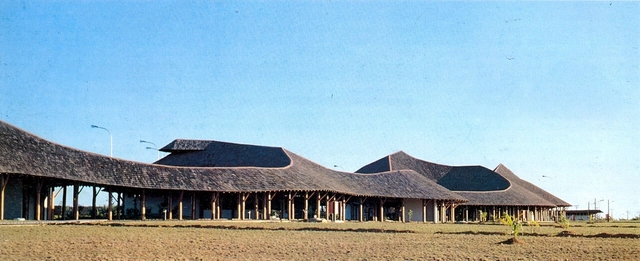
Severiano Porto was honored today with the 2021 Global Award for Sustainable Architecture, organized by the Cité de l’Architecture et du Patrimoine, a French institution dedicated, among other things, to organizing events focused on heritage and architectural education. Porto, who passed away in 2020, had his work represented by Professor Marcos Cereto, a professor at the Federal University of Amazonas, and is the first Brazilian to receive the honor.
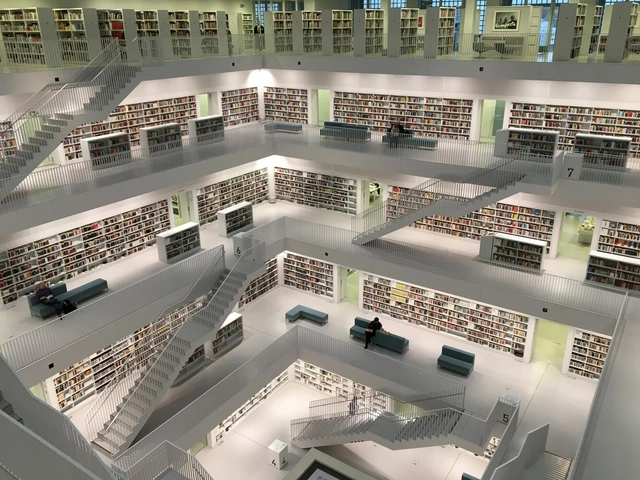
CAU Brasil is developing an Interactive Database for its Education and Training Commission. The project aims to collect, systematize, and qualitatively and quantitatively use data on education, training, research, and outreach activities in Architecture and Urbanism.
To develop this technology, CAU Brasil has launched a special bidding process to hire a software development startup. The estimated budget is R$ 100,000.

The live session "Urban Area Recovery: An Interdisciplinary Vision" will be presented by Professor Maria Rita Muzzi and moderated by architect Rubens do Amaral. Organized by the Graduate Program in Landscape Architecture, IEC/PUC Minas.
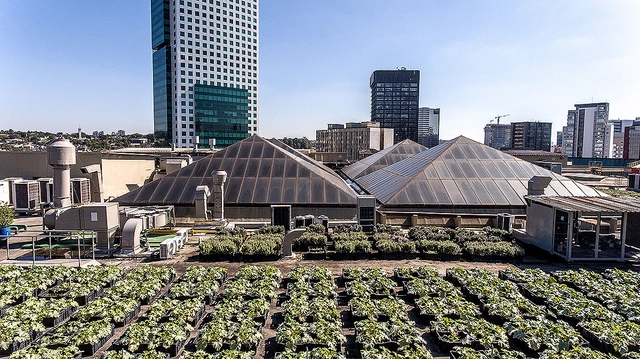
Aiming to find an environmentally friendly use for approximately 164 tons of organic waste generated monthly in its food courts, Shopping Eldorado in São Paulo has invested in the Telhado Verde (Green Roof) composting project since 2012. The initiative transforms food waste into organic compost, recycling more than 30% of the waste generated by the establishment.
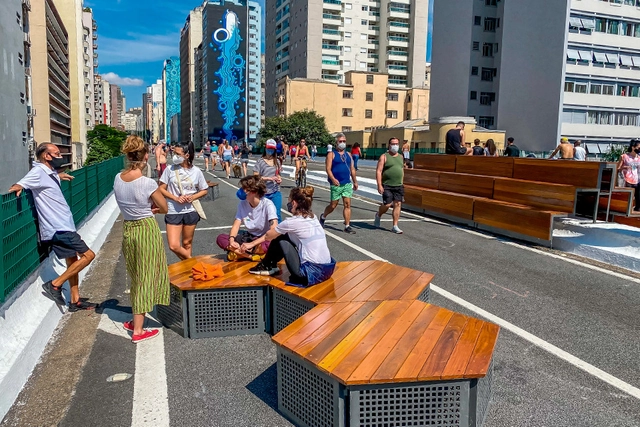
Departing from the 20th-century logic that shaped most cities, deprioritizing cars in urban development and reducing their designated street space does not worsen congestion. On the contrary, reclaiming road space by reducing vehicle lanes prompts a shift in transit habits. People increasingly opt for sustainable alternatives—such as walking, cycling, or public transit—which significantly reduces the volume of private vehicles.
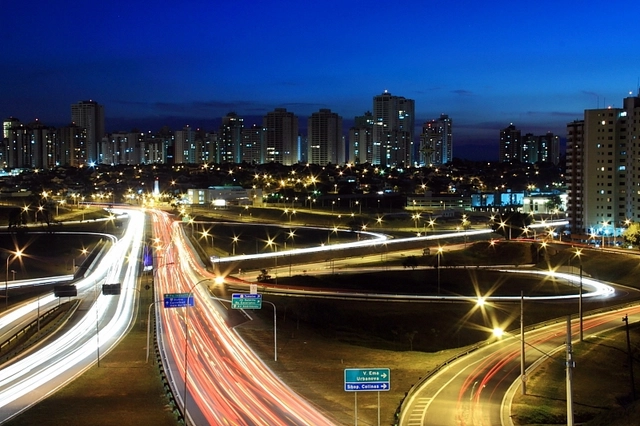
This article begins with the premise that cities are not neutral spaces. Territories, much like architecture, urbanism, literature, culture, and politics, are conditioned by the values of a given society at a specific point in time. Consequently, the configuration of these spaces is shaped by societal values—in this case, those of a patriarchal, racist, and capitalist society. As a result, this lack of neutrality in the production of urban space leads to different ways in which cities are used and experienced by their inhabitants. These unique experiences, in turn, are deeply intertwined with issues of social class, race, and gender.

The design for what was then called the Ministry of Education and Public Health was developed during 1936 by a team comprising architects Oscar Niemeyer, Affonso Reidy, Jorge Moreira, Carlos Leão, and Ernani Vasconcelos, under the coordination of Lucio Costa. At the request of the then-Minister Gustavo Capanema and with guidance from Le Corbusier, the team of young Brazilian modernists was tasked with giving a national identity to the building that would become one of the greatest icons of Brazilian architecture, in direct opposition to the dominant aesthetic of the time. The decision not to commission the original design, which had won the public competition held for this purpose, is just one part of this incredible story.
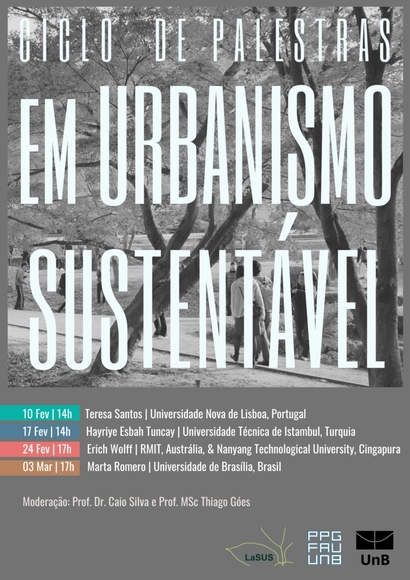
The Sustainable Urbanism course within the Graduate Program (PPG) at the Faculty of Architecture and Urbanism (FAU) of the University of Brasília (UnB) is pleased to invite you to discuss key premises of urban sustainability as applied to cities and communities.