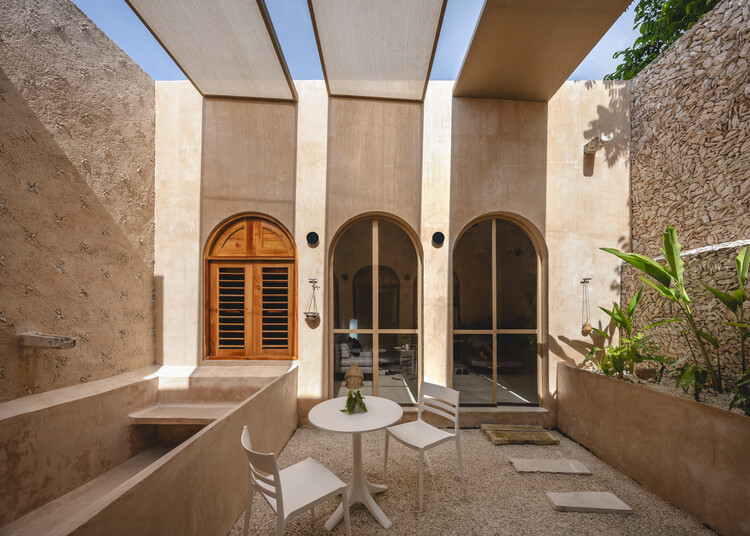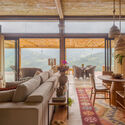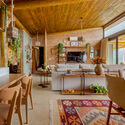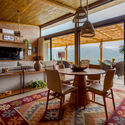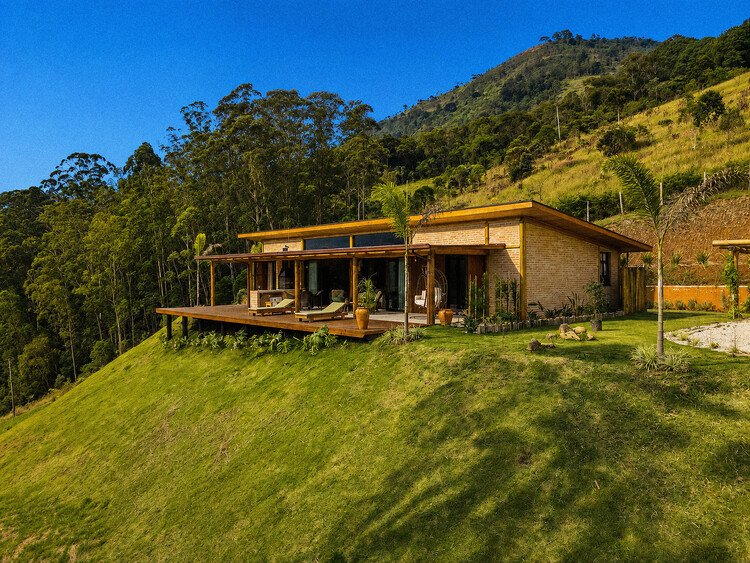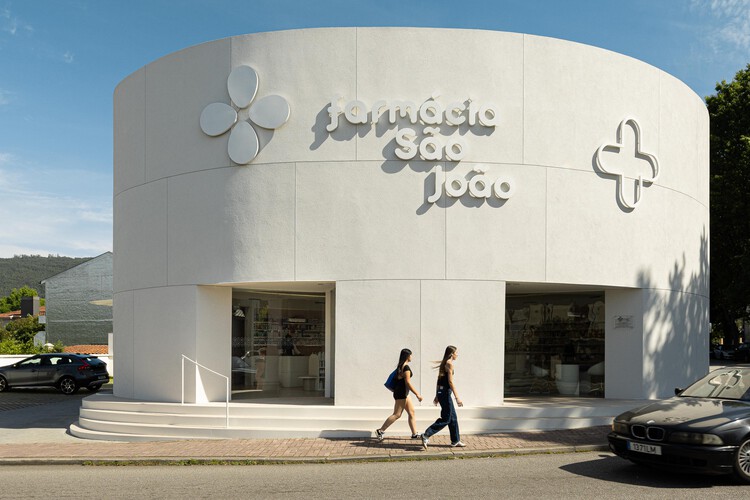
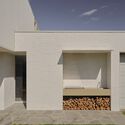


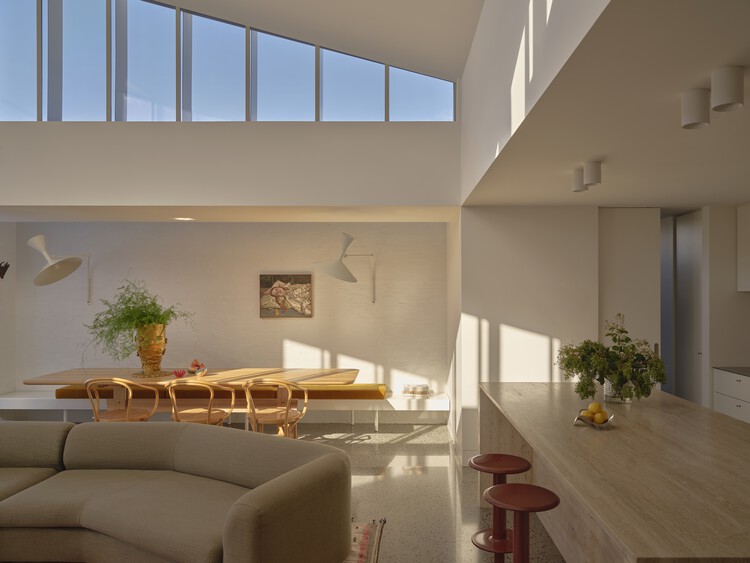
-
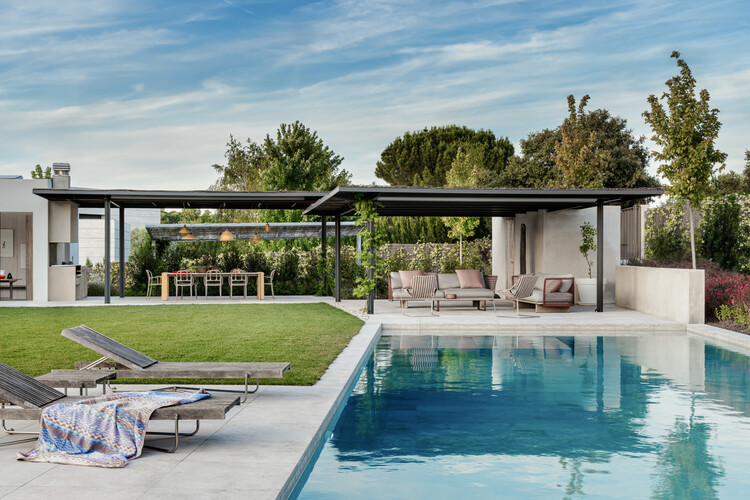
Architects: Studio Ceravolo
- Area: 270 m²
- Year: 2024
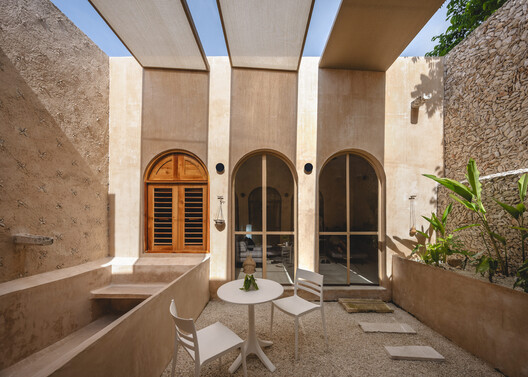
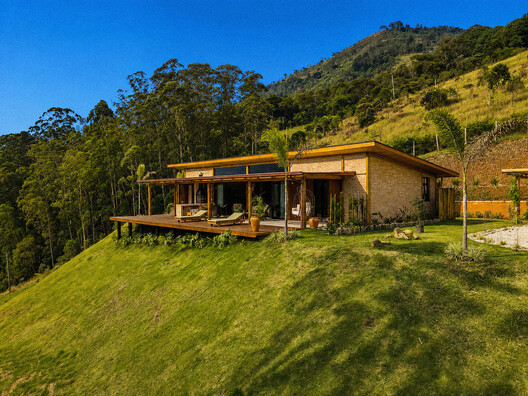

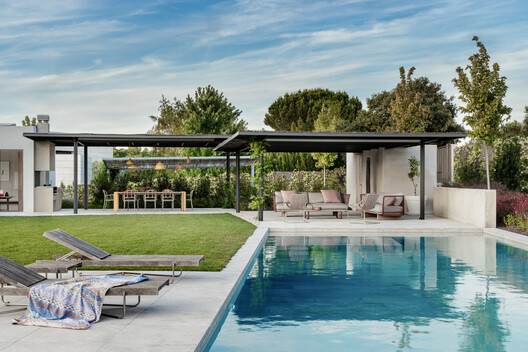

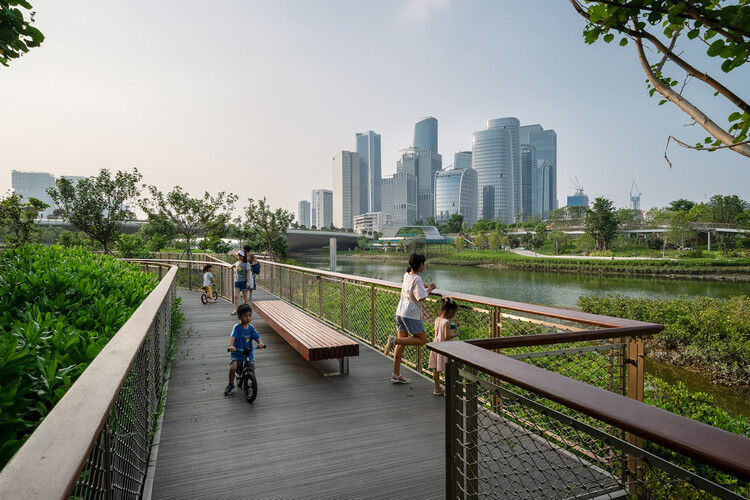
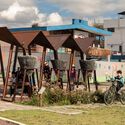
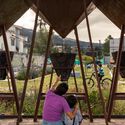
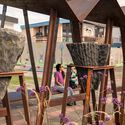
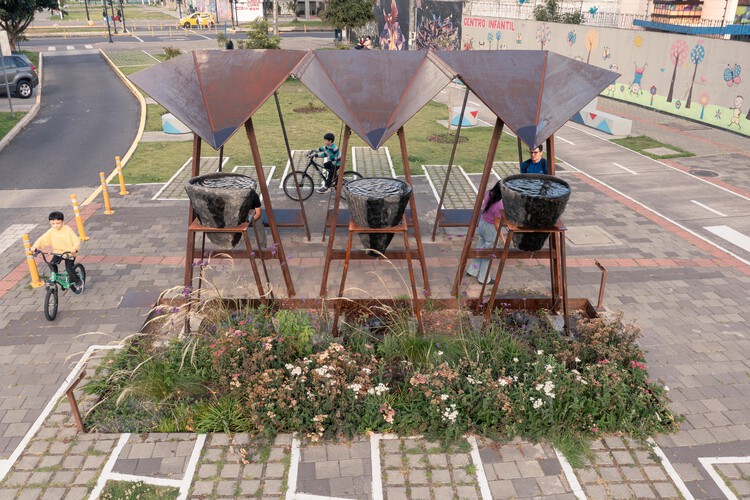
Nature-based solutions are a primary strategy for contemporary climate adaptation and urban ecological resilience, embraced by cities regardless of their geography or climate zone. Green roofs, urban forests, bioswales, expanding tree canopy, protected wetlands, and permeable landscapes are featured prominently in municipal adaptation plans. These interventions are deployed across neighborhoods, distributed through street networks, and measured by hectares restored, trees planted, stormwater retained, or temperatures reduced. This shift expands the role of ecology within cities, establishing environmental elements as infrastructure systems and providing planners with a grounded framework for integrating natural systems into urban development.




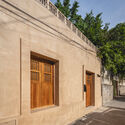
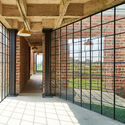
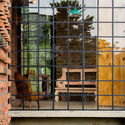
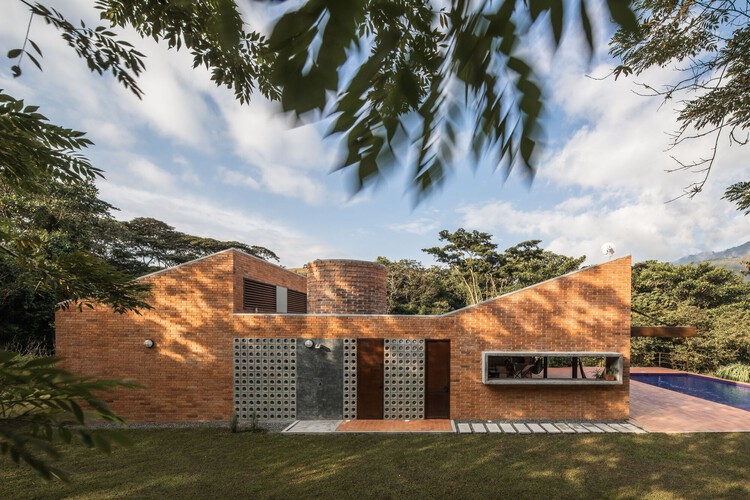
Brick is one of Colombia's most widely used materials, helping its local architecture stand out globally. This is due to the excellent quality of the clay found in several regions of the country. In addition to cladding most of the buildings that define Bogota's urban landscape, the material is used in all its forms, from adobe to floor tiles in rural homes.
Relatively close to the capital are the iconic artisanal brickworks that have supplied the materials defining Colombian architectural trends, as was the practice of architect Herbert Baresch, who even had custom brick formwork designed for his concrete columns, and whose adobe bricks were manufactured by local artisans directly on the construction sites. This material seems destined never to become obsolete; on the contrary, technological advancements continue to reveal new methods of application. Below are 12 examples of houses that employ it as an exposed surface.

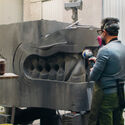
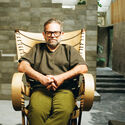
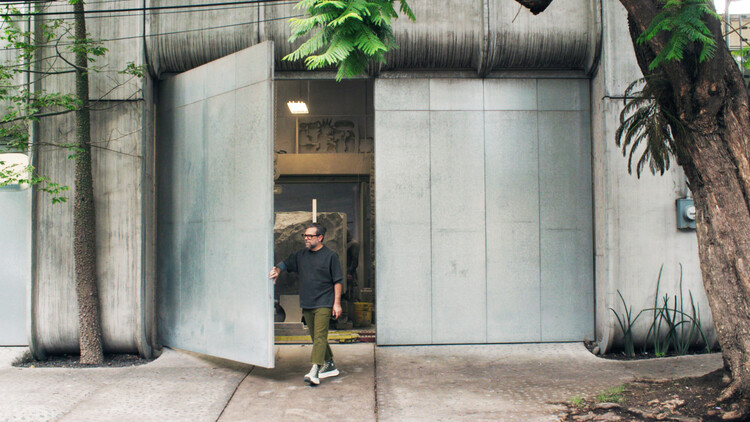
Mexican sculptor Pedro Reyes has developed a multidisciplinary practice that spans sculpture, architecture, social engagement, and activism. Trained as an architect, Reyes approaches sculpture as both a material and a collective process, combining traditional stone carving with participatory projects that address contemporary social issues. His work frequently explores transformation, whether through physical materials or community action, positioning sculpture as a tool for reimagining social realities. In a 2025 interview with Louisiana Channel, Reyes discusses the influence of architecture on his artistic practice, the concept of "social sculpture," and the importance of preserving craft traditions in an increasingly automated world.