


-
Architects: AR Arquitetos
- Area: 290 m²
- Year: 2020
-
Manufacturers: Padrão Móveis

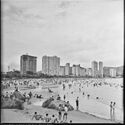
In the 1970s, buildings along the waterfront of Santos, in São Paulo, began to tilt, sparking curiosity among residents and visitors alike. This phenomenon can be seen as the result of rapid and unregulated urbanization, manifesting as a technical issue in the buildings' construction.
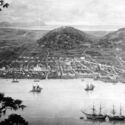
Santos, one of the largest cities on the São Paulo coast, with an estimated population of over 430,000 (IBGE 2020), located in the Baixada Santista metropolitan area near the city of São Paulo, was one of the first settlements to be established after Portuguese colonization in the 16th century. Prior to this, however, its territory was dominated by the Atlantic Forest biome and inhabited by Indigenous peoples, such as the Guarani Mbya and Tupi-Guarani.
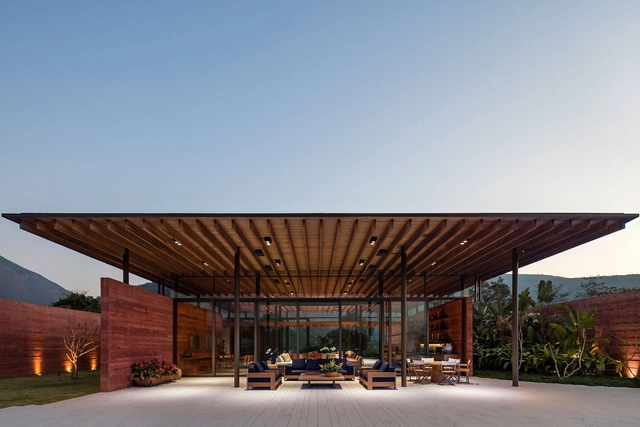
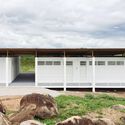
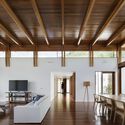
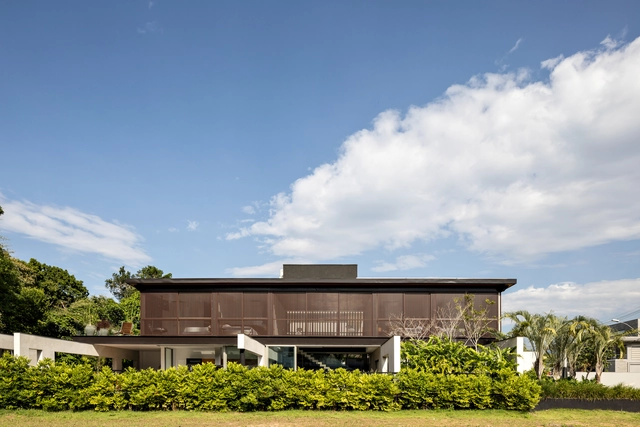
Shade and continuous ventilation are some of the benefits that an elevated roof can provide. This is a climate control strategy that provides cooling and combats humidity, which is why Brazilian architects often opt for this solution when dealing with the tropical climate.

According to the Brazilian Photovoltaic Solar Energy Association (ABSOLAR), in February 2021, Brazil reached the milestone of 500,000 distributed solar photovoltaic generation (DG) consumer units, with the majority of installations (73.6%) located in residential properties. The association points out that, of the total consumers, small businesses represent 16.6%, followed by the rural sector and industry, at 7% and 2.4%, respectively. To supply these 500,000 units, 400,000 solar systems have been installed.

Eight organizations working toward Brazil's sustainable development are joining forces to promote Nature-Based Solutions (NBS) as a strategy to mitigate the effects of climate change in cities, address urban challenges, and make cities more resilient.
The term is relatively recent and still little known to the general public in the country. However, the concept, established by the International Union for Conservation of Nature (IUCN), is simple: to promote interventions inspired by healthy ecosystems to address urgent societal challenges, especially in large metropolises. Water scarcity, flooding, biodiversity loss, health issues, and rising sea levels are some of the challenges that can be tackled by viewing nature as part of the solution, generating environmental, social, and economic benefits.
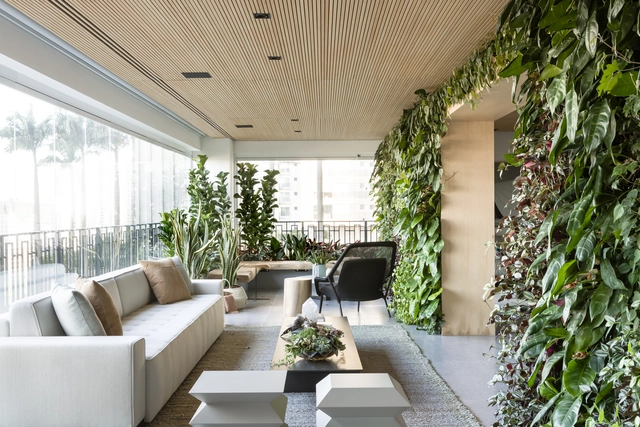
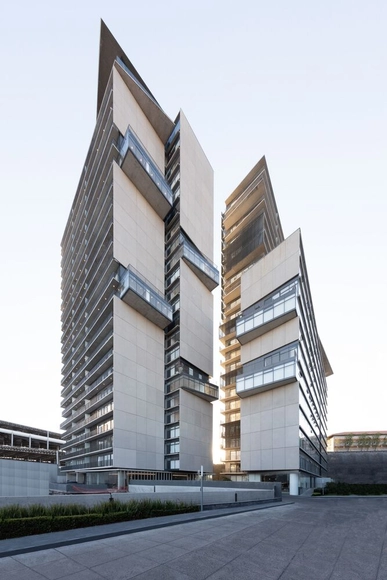

No País dos Arquitectos is a podcast created by Sara Nunes, who also runs the architectural film production company Building Pictures. The podcast aims to profile the professionals, projects, and stories behind leading contemporary Portuguese architecture. With just over 10 million inhabitants, Portugal is a fascinating country when it comes to this professional field, boasting an architectural output that punches far above its population or territorial scale.
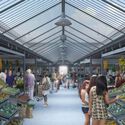
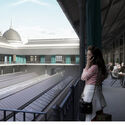
In this week's episode, Sara talks with architect Nuno Valentim about the rehabilitation of the Bolhão Market. Listen to the interview and read the transcript of the conversation below:

.jpg?1621255553&format=webp&width=640&height=580)

The relationship between mental health and architects, particularly architecture students, is not a new concern. In a world where stress is one of the greatest challenges of the century—affecting over 90% of the global population according to the World Health Organization (WHO)—the field of architecture and its practices, both academic and professional, have normalized stress and anxiety as intrinsic to the profession. However, recent student surveys reveal deep dissatisfaction with this reality, which has only been exacerbated by the pandemic. Is it time, therefore, to reassess institutional practices and push for a cultural shift?

Today, May 18, is International Museum Day, celebrated under the theme "The Future of Museums: Recover and Reimagine." Amid the pandemic landscape imposed by COVID-19, some museums have reopened with major restrictions, while many others have remained closed. Regardless, these institutions have begun to reconsider their models and redefine their role in society. In this sense, the pandemic catalyzed a shift in exhibition formats, bringing new solutions and innovations to the public, such as virtual tours.

In 2019, to mark its founding anniversary, Belo Horizonte received a gift in the form of an architectural competition. The national contest sought preliminary technical studies for the requalification of the historic and landscape heritage of Bernardo Monteiro Avenue.
This heritage site, characterized by a dense grove of large, leafy Ficus trees, was affected by infestations of the so-called "ficus whitefly." This caused defoliation and dried branches, severely compromising many of the trees, damaging the area's historical-cultural identity and public character, and forcing the relocation of the craft, flower, food, and antique markets that once operated there.

Marcelo Ferraz, founding partner—alongside Francisco Fanucci—of Brasil Arquitetura, an office that has garnered numerous national and international awards in recognition of projects that are deeply sensitive to their site, yet essentially contemporary, is this week's guest on Arquicast.
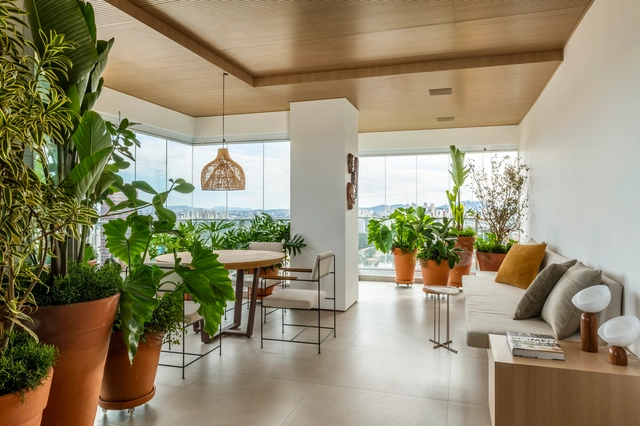
.jpg?1621447793&format=webp&width=640&height=580)
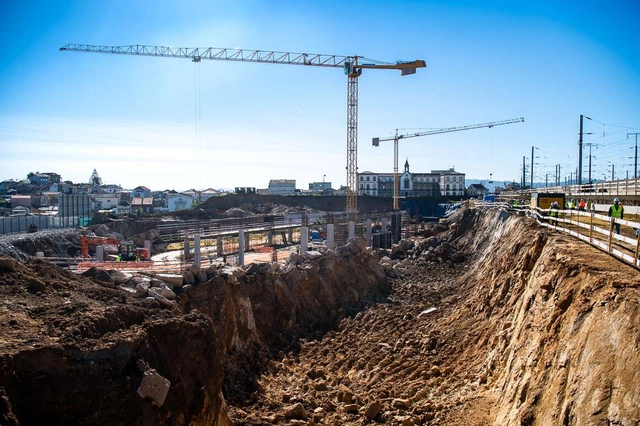
With the goal of introducing the architects, projects, and stories behind landmark Portuguese architecture, Sara Nunes, from the architectural film production company Building Pictures, launched the podcast No País dos Arquitectos, where she talks with leading figures of contemporary Portuguese architecture.
In this week's episode, Sara talks with Nuno Brandão Costa about the Campanhã Intermodal Terminal project in Porto. You can catch up on other interviews from the No País dos Arquitectos podcast and read the transcript of the interview with Costa below:


.jpg?1620957681)
.jpg?1620957693)
.jpg?1620957624)











.jpg?1621255553)






.jpg?1621447793)