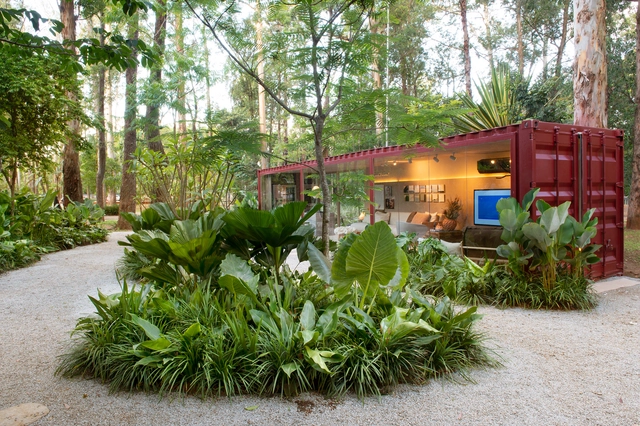

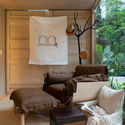

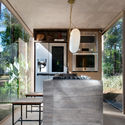

-
Architects: Suite Arquitetos
- Area: 30 m²
- Year: 2020
-
Manufacturers: GRAPHISOFT, Florense

For the fifth time, we are giving our readers the responsibility of recognizing and awarding the projects that have made the greatest impact on the profession through the ArchDaily Brasil Building of the Year 2021 Award. By voting, you become part of an unbiased network of jurors recognizing the most relevant projects of the past year.
Over the next three weeks, the collective intelligence of our readers will filter through hundreds of projects from Portuguese-speaking countries – Brazil, Portugal, Mozambique, Angola, Guinea-Bissau, East Timor, Equatorial Guinea, Macau, Cape Verde, and São Tomé and Príncipe – published in 2020, selecting the best built works in the Portuguese-speaking world.
From hundreds of works published in 2020, readers will choose their favorites, with the 15 most-voted projects moving on to the second stage of the Award.
The 2021 Building of the Year Award is presented by Dornbracht, an internationally renowned company for kitchen and bathroom products.

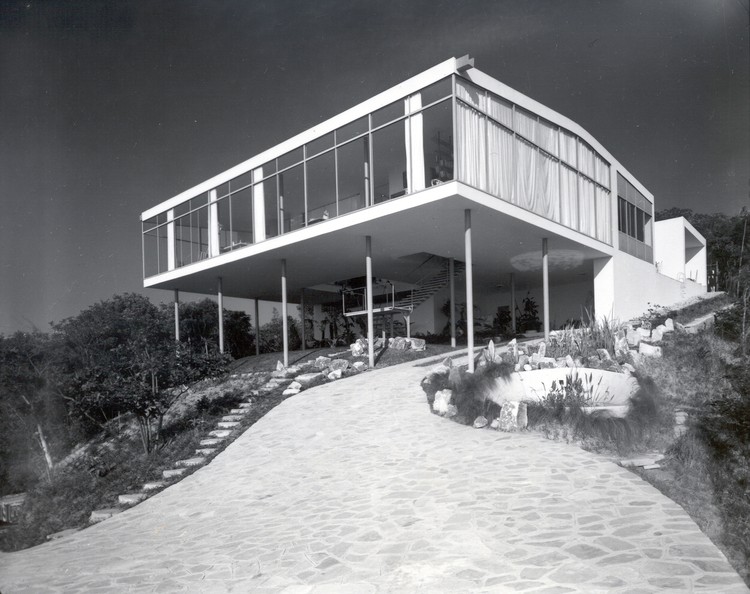
When we think of the residential designs of Italian architect Lina Bo Bardi, the immediate image that comes to mind is her private residence in São Paulo (1951)—more precisely, the image of its glazed social pavilion, captured from a low angle. This perspective further dramatizes the contrasting relationship between that light, suspended orthogonal volume and the steep natural slope of the terrain.
I would venture to say that no other work of Brazilian architecture is as well-known from a single photograph. This image, which has illustrated nearly every publication on the architect since the building's completion nearly 70 years ago, and which indeed justifies its famous moniker, the “Glass House,” exposes the unequivocal modern condition of this project—or, at least, the portion revealed by the angle of this celebrated photograph: a transparent, prismatic volume suspended on slender pillars set back from the edge of the floor slab and, consequently, free-standing within the elevated space.
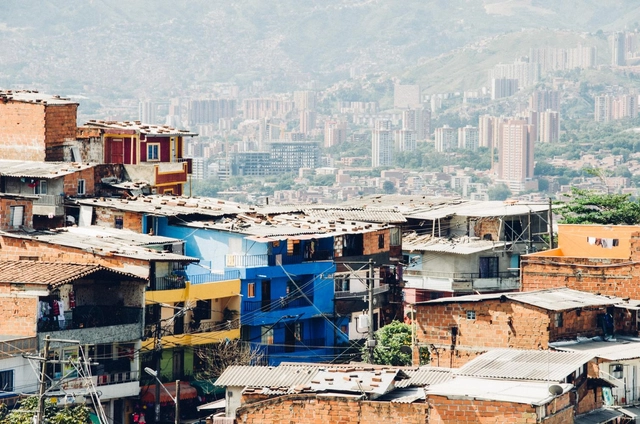
According to architect Alejandro Echeverri, Medellín has successfully promoted the idea that it has undergone a process of profound inclusion and urban transformation. Every year, the city receives countless visitors who, according to the Colombian architect, seem more convinced than the residents themselves that the city has found answers to its socio-spatial challenges. Working with the National University of Colombia and families affected by the armed conflict between late 2014 and early 2016, I observed the nuances between the progress the city achieved through direct intervention in vulnerable territories and the challenges that persist alongside rising socioeconomic inequality.
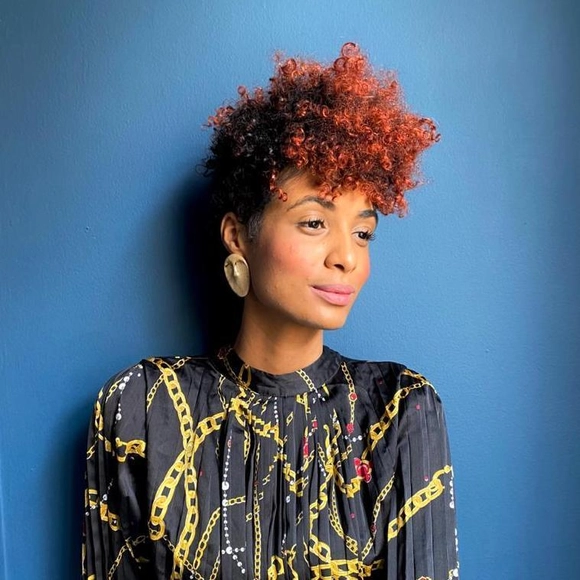
How do you explain the importance of hiring an architect to the general public? In the thirteenth episode of Betoneira, the guest is Stephanie Ribeiro, who shares how she tackled this challenge when given the opportunity to host the show Decore-se on GNT. The conversation revolves around the hits and misses of communication between architects and clients.

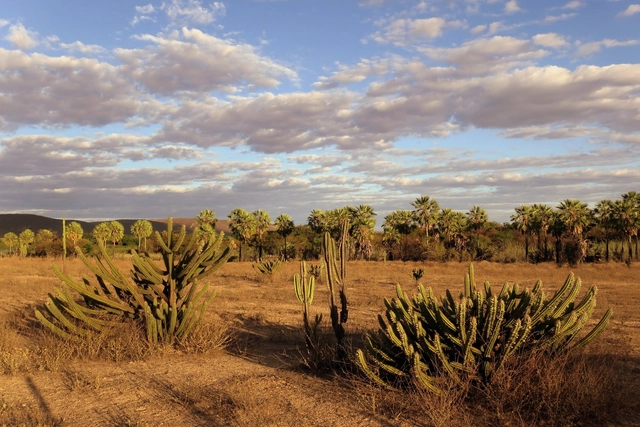
With nearly fifty thousand plant species—over half of which are endemic, meaning they only occur naturally here—Brazilian flora is among the most diverse and richest in the world. This data is featured in the country's largest and most comprehensive virtual botanical library, Flora do Brasil 2020, developed by the Rio de Janeiro Botanical Garden.

The word heritage (or patrimônio in Portuguese) comes from the Latin “patrimonium”, a combination of the words pater (father) and monium (a suffix indicating condition, state, or action). This etymology reveals the term's connection to the concept of inheritance—that which is passed down from generation to generation.
Once understood as an individual and private concept, over time – more precisely during the interwar period –, the concept of heritage acquired a broader scope, eventually being applied to various fields.

With one of the best higher education systems in the world, the Netherlands offers annual scholarships for Brazilians through the Orange Tulip Scholarships program. Applications for the 2021/2022 academic year are now open for undergraduate, postgraduate, or MBA students.
More than 20 Dutch universities participate in the program, offering scholarship options for courses in the fields of Arts, Biological Sciences, Health, Exact Sciences, Technology, and Humanities, including some focused on architecture and urban planning – all taught in English.

The technical assistance law is a planning and legal transformation tool that could bring the practice of architecture and urbanism closer to the people and places where its absence is most felt: in neighborhoods within vulnerable territories. In doing so, it would help provide access to decent housing and guide best practices to ensure resources are used effectively and precisely. To discuss the subject, Arquicast speaks with Coletivo Arquitetos da Favela and ATOS Colaborativos.

The Indigenous Peoples Memorial was conceived as an integral part of the revitalization project for Parque das Hortênsias, a former zoo in Taboão da Serra. The timber-structured pavilion pays homage to the indigenous architectures and cultures of Brazil through their organic ways of settling, caring, being, and existing.
In 2016, by mayoral decree, the park ceased to function as a zoo, and its animals were carefully relocated. The Municipal Government then designated that in 2019 this 48,000-square-meter public facility—featuring lush forest, natural springs, and water bodies—would undergo a meticulous revitalization process.
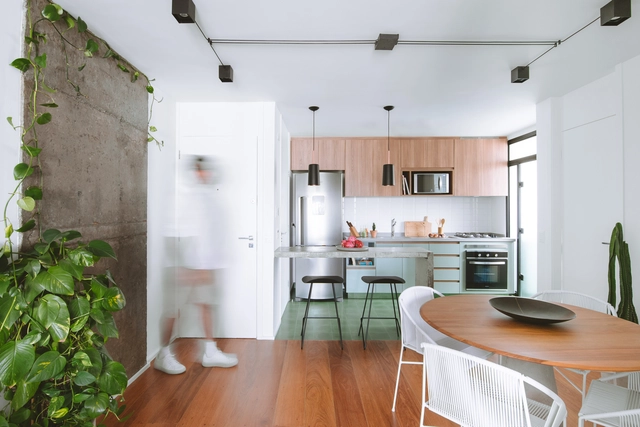

The University Council of the São Paulo State University (Unesp) has decided to award the title of Doctor Honoris Causa to Adélia Borges, a curator, journalist, and critic active in the field of design. The initiative for awarding the degree came from the Department of Design at the Faculty of Architecture, Arts and Communication (FAAC) on the Bauru campus. In its justification, the Council stated that the title was awarded “for her work as a critic and curator with a significant contribution to the research, dissemination, and promotion of Brazilian Design on both the national and international stages, demonstrating deep knowledge of the field and a broad socio-political and cultural vision.” The official ceremony will take place on March 8, 2021, International Women's Day, at 2:30 PM, and will be broadcast on the TV Unesp YouTube channel.

In the words of Eduardo Costa and Sonia Milani, this architect “has established himself as an architectural photographer and is today, without a doubt, one of the few who can translate the words, drawings, and concepts of architects into images, particularly those with whom he shares the same ideas.” This time, Arquicast brings us the extensive experience of architect and photographer Nelson Kon in a conversation of rare honesty and deep insight into the personal experiences of this great Brazilian artist. An architect who is also dedicated to photography, as well as an admirer of Nelson's work, Manuel Sá joins the conversation, helping us understand what makes Nelson Kon a point of reference for different generations of architects and photographers worldwide.
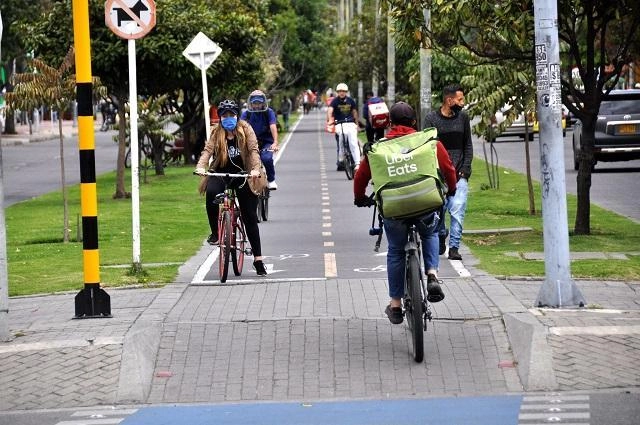
When the Covid-19 pandemic broke out, concerns over virus transmission on public transit prompted many to opt for alternative mobility options—chiefly, cycling. Bicycles gained popularity for both recreation and transport, a trend especially evident in the United States, Mexico, Colombia, Germany, and France. In France, Germany, and the United States, the weekly average of bicycle use increased by 4%, 7%, and 20% respectively compared to 2019 figures.

International Women's Day has been celebrated worldwide since it was officially recognized by the UN in the 1970s. Broadly speaking, this date symbolizes our historical struggle as women to achieve equality with men.
In the spirit of these celebrations, as a woman and an architect, I wanted to present an overview of women's professional trajectory in architecture—particularly in Brazil—highlighting the discrepancies that persist in the field to reinforce the struggle that International Women's Day represents. This is both a call to action and a personal reflection, as well as an appeal for collaboration, urging everyone to recognize their own position and, above all, our place as women in shaping our country's architectural landscape.
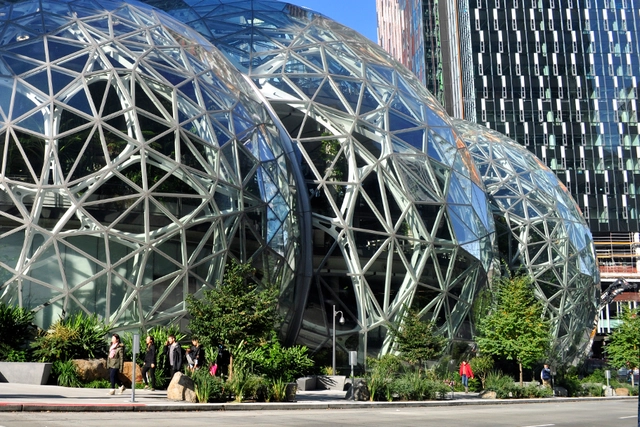
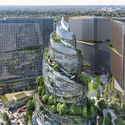
While the corporate world debates remote work, Amazon has decided to double down on physical offices. Earlier this year, the company announced plans for its new headquarters in Arlington, Virginia. The building complex will be anchored by a spiraling structure more than 100 meters tall, dubbed the Helix. In addition to 260,000 square meters of office space, there will also be 10,000 square meters of public space, including an amphitheater, a market, restaurants, and plazas. The choice of location, in the heart of the Washington, D.C. metropolitan area, stands in contrast to companies like Apple and Facebook, which built their closed-off headquarters in the suburbs.


"The image provided by Brutalism, an architecture of sensual extremes, is often an extraordinary and unfamiliar experience for the city explorer. There can be something aggressive and a bold vocabulary (...) in the expressive palette that displays the truth of its materials and a disdain for the frivolous." This is how Simon Phipps [1] describes the fascination that Brutalist works still hold for us today. Yet, what does it mean to think about this architecture in 2021?