This guide covers a workflow that moves from project parameters to generated floor plans, 3D perspective views, exterior design exploration, and site context visualization, using AI tools in place of preliminary CAD and rendering work.
This guide covers a workflow that moves from project parameters to generated floor plans, 3D perspective views, exterior design exploration, and site context visualization, using AI tools in place of preliminary CAD and rendering work.
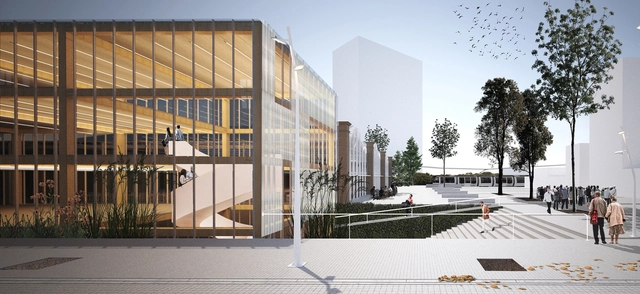
Organized by the Association of Architects of the Province of Buenos Aires – District I – and promoted by the Municipality of La Plata, the Provincial Ideas Competition “La Plata Technology District Convention Center” aims to stimulate the urban transformation of a highly potential area of the city, creating a space for creativity, technological innovation, and connection between government, academia, businesses, and institutions. Sponsored by the Argentine Federation of Architecture Organizations (FADEA), it seeks to improve citizens' quality of life, foster the competitiveness of small and medium-sized businesses, and enhance the efficiency of public administration.
The jury awarded first prize to architects Valentín Ayala, Rodrigo Ballina Benites, Luciano Del Valle, and Agustina Ronconi, members of the firm Paralelo Colectivo. Read more about the project below.
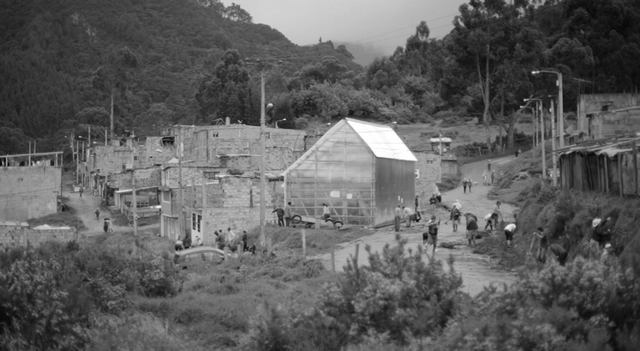
This article by Ana López Ortego (Colectivo Arquitectura Expandida) is a collaboration with Colectivo RE and was originally published on August 2, 2020, in the second edition of Huevo de pato, a publication that aims to share thoughts and experiences as a strategy toward democratizing knowledge and action.
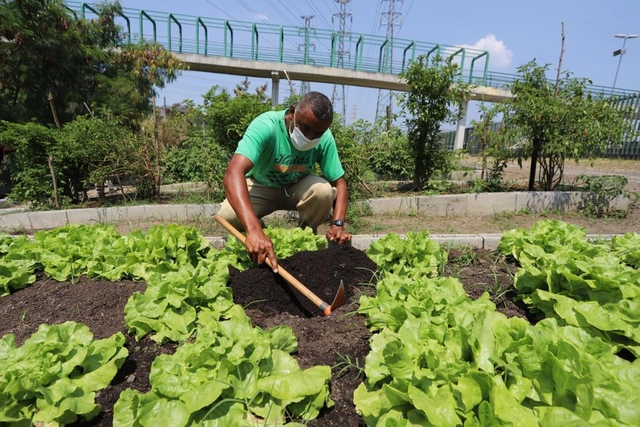
The Rio de Janeiro City Hall has announced the expansion of vegetable farming on municipal land along the Madureira Park railway line. In 2022, the area will host what is set to become the world's largest urban garden, covering 110,000 square meters.
The primary objective is to generate income and food security for 50,000 low-income families per harvest by 2024. The initiative will also establish a green corridor of vegetables running along Madureira Park to Guadalupe, in partnership with Embrapa and the utility company Light, as part of the crops will be located under the company's power transmission towers.
Peripheria Films has shared the first episode of its documentary series "Se vende" (For Sale), a production that examines the impact of tourism and real estate development on the Costa del Sol (Málaga).
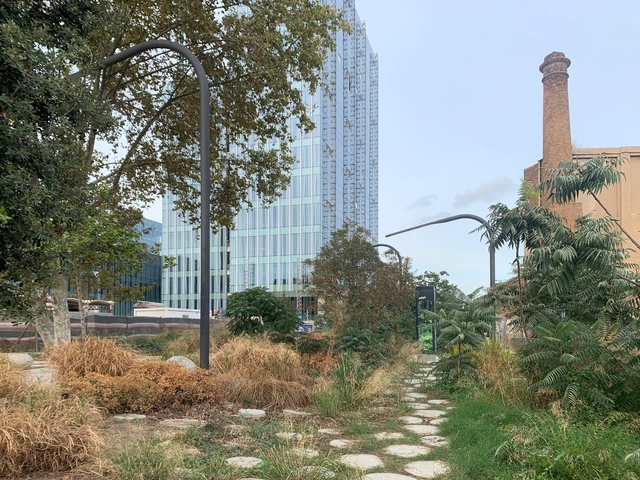
Citymakers is working with ArchDaily to publish a series of articles, conversations, and interviews with the different actors involved in co-producing the city behind the Citymakers Barcelona Lab 2021—a program whose next edition will run from November 8 to 12. For this installment, Víctor Torres, director and co-founder of CityMakers, presents his article "Re-naturalizing the City."
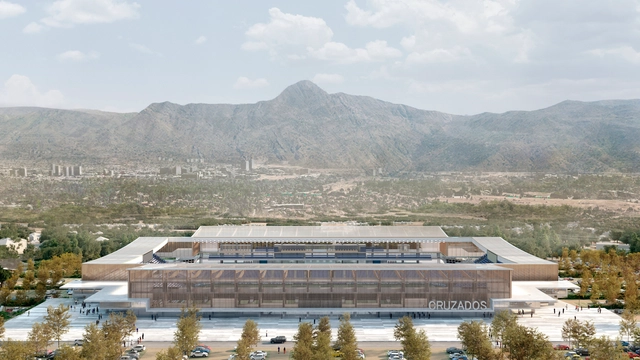
The Spanish architecture firm IDOM was selected by Cruzados through a competition to modernize the San Carlos de Apoquindo Stadium of Universidad Católica de Chile.
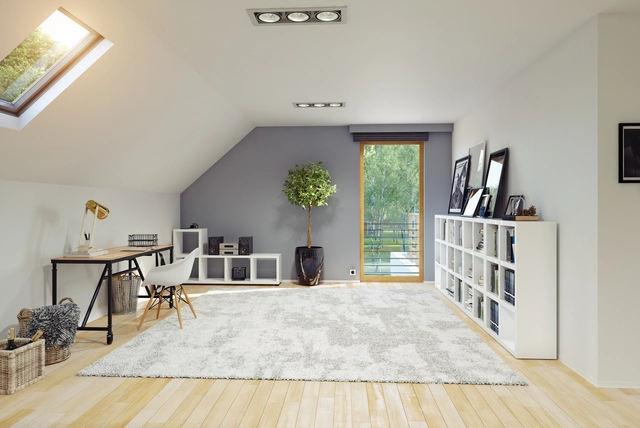
Inadequate living conditions in a building trigger discomfort and even physical pathologies in humans. Scientific experiments have shown that a lack of concentration and even everyday accidents are influenced by both high and low indoor temperatures. And while thermal sensitivity varies from person to person—depending on their clothing, gender, habits, and age—the basic principles behind thermal comfort are universal. Thermal comfort is primarily determined by air temperature and humidity. In this regard, the human body seeks to maintain a near-constant core temperature of 37°C, continuously exchanging heat with the environment.
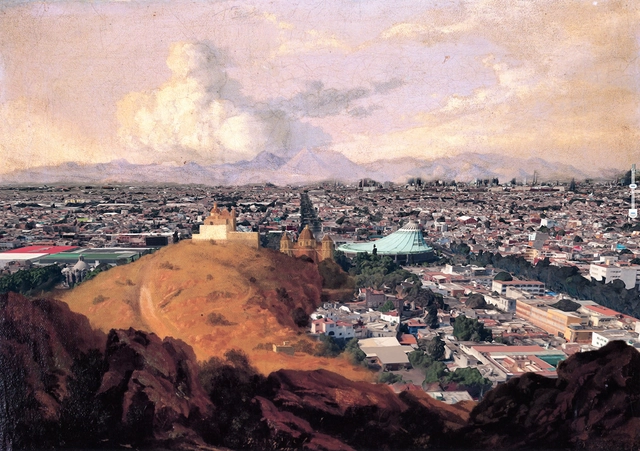
The history of painting in Mexico has a deep legacy that extends far beyond oil on canvas, as some of its most prominent figures found diverse intersections with other disciplines to develop their capacity to observe—and, above all, to construct scenes that told a specific story of their time and context. Numerous figures have elevated Mexico's reputation, positioning it as one of the countries with the greatest cultural and artistic wealth, including Frida Kahlo, Diego Rivera, Rufino Tamayo, Dr. Atl, Emilia Ortíz, and Mathias Goeritz, among others.

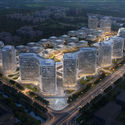
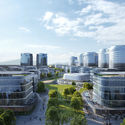
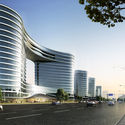
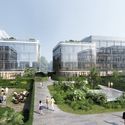
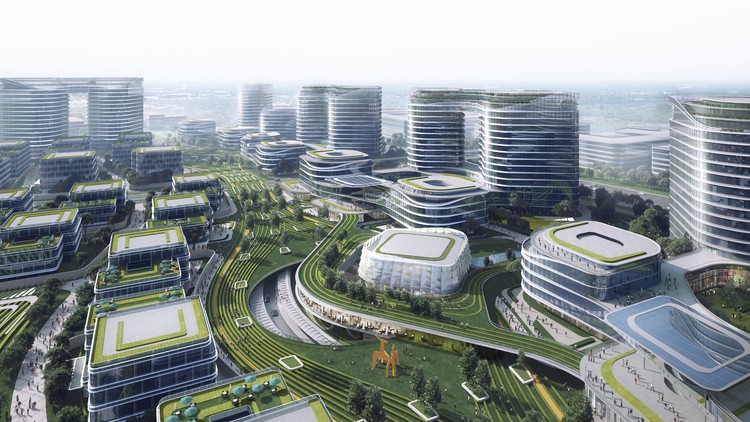
Construction recently commenced on a prominent internet company's industrial park in Hangzhou. Serving as a central hub in the enterprise’s digital ecosystem, the project will offer a one-stop office and commercial park experience for its network partners. Guided by a deep understanding of the client's vision, the design team took the corporate spirit of "shared connectivity" as their starting point, reflecting seamless partnership and brand identity through a unique master plan and architectural form.
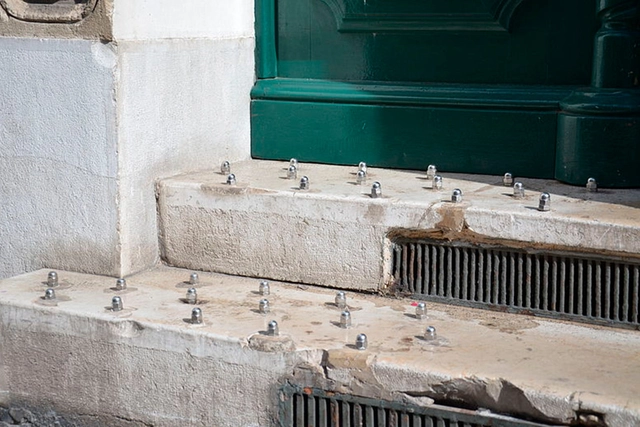
Benches with dividers and uncomfortable shapes, sharp stones under overpasses, fences surrounding plazas and gardens, walls with metal spikes, buildings without awnings or with timed water drippers, electric fences, and barbed wire. The elements and materials used to deter people from public spaces are numerous, ultimately shaping how individuals experience cities and interact with one another. Hostile architecture—a term encompassing all barriers and urban designs that seem to say “don’t make yourself at home,” as reporter Winnie Hu of The New York Times defines it—is part of the reality in most cities worldwide, sparking growing debate over the impact of these measures, particularly on social media.
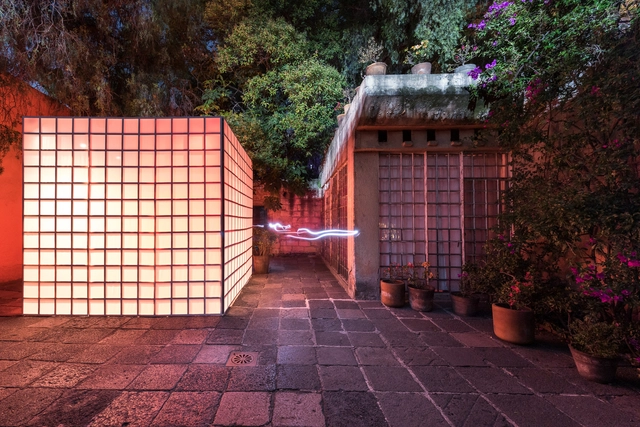
While the work of Mexican architect Luis Barragán is globally recognized and studied for its invaluable commitment to the architecture of his time and context—and, above all, built upon deeply harmonious and poetic foundations that connect with a deeply personal quest in "cosmic solitude, with Mexico as the temporary home he lovingly accepts," as the Pritzker Prize Jury described it when honoring him in 1980—until recently (and even before the launch of the Barragan Foundation website), understanding the full spectrum of Barragán's place in architectural history was somewhat difficult, as several of his works have remained private (or difficult to access) for years.
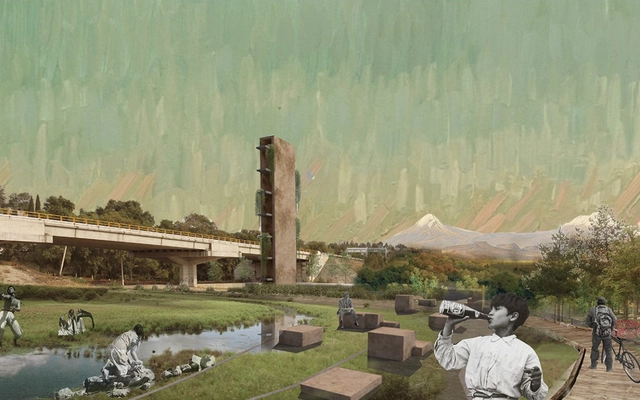
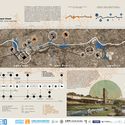
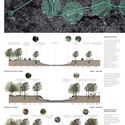
The Mexican Association of Urbanists, through its Tlaxcala chapter, called for entries for the Conceptual Preliminary Design Competition for the "Parque Integral Zahuapan 10." The competition was aimed at multidisciplinary teams in the fields of architecture and urban planning, with the goal of presenting proposals and conceptual ideas to develop a park along the banks of the Zahuapan River and revitalize its surrounding areas.

This week, we feature job openings at two Shanghai-based design firms: ARIZON Design and atelier tao+c. Specializing in different scales and themes, both practices are active across various architectural sectors and are looking to recruit like-minded architects to join their teams.

Choosing high-performance BIM software is key to developing efficient projects by automating tasks that traditionally consumed time in conventional design workflows—such as documentation, calculations, analyses, and other repetitive processes.
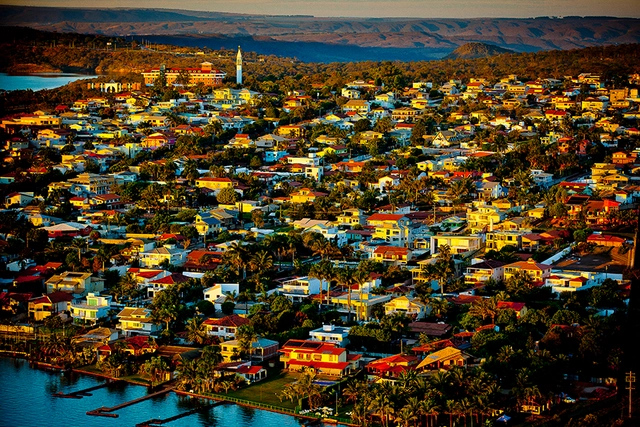
At the time of writing this article, Brazil is facing the most severe humanitarian crisis in its history—not merely a “health crisis,” as is commonly described. By April 30, 2021, the COVID-19 pandemic had claimed 411,854 lives in the country, and only in recent days has the moving average of deaths begun to cool down once again—after reaching a peak of 3,125 in April.
Epidemiologists, microbiologists, and infectious disease specialists note that the impact of the pandemic on Brazilian cities is highly idiosyncratic: each has unique conditions to consider before we can attempt any generalizations. Furthermore, underreporting is estimated to be high (with actual cases potentially being ten times higher), a figure that also varies from city to city. Nevertheless, with these caveats in mind, what does the overall picture reveal?
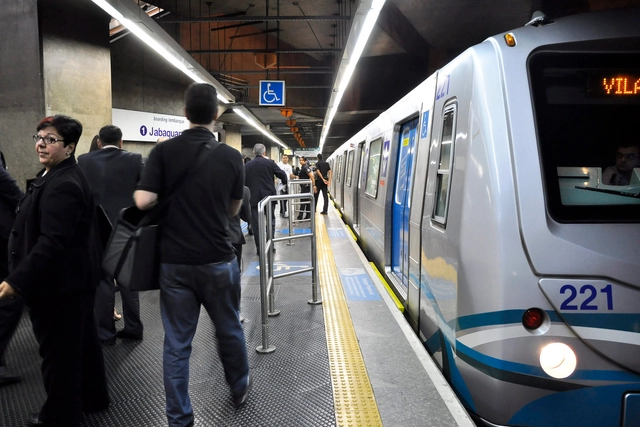
“How much does a subway line cost?” is a question frequently asked when discussing high-capacity rapid transit solutions for Brazilian cities. However, the cost of implementing rail projects varies enormously across different global geographies.
For example, a rail line in New York costs about twenty times more per kilometer than one in Seoul, reaching a budget of $6.4 billion for a segment of just 2.6 kilometers in the second phase of the Second Avenue Subway in northern Manhattan. Geographical factors, or even the high built density of the American metropolis, are insufficient to explain such a massive disparity in construction costs.

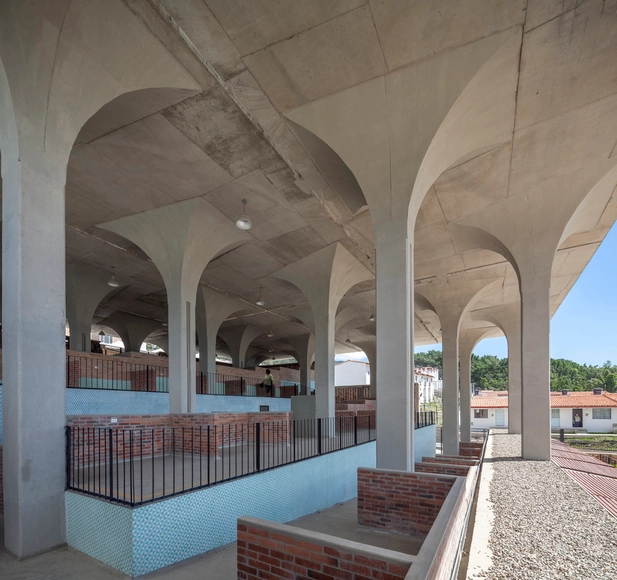
Receiving architectural recognition typically reflects best practices. This is the case for Niro Arquitectura + OAU, who have won the Building Of The Year 2021 award in the commercial architecture category with the Gramalote Market Square. This demonstrates that this pair of young Colombian practices is on par with internationally renowned firms such as Álvaro Siza, MVRDV, Heatherwick Studio, or Foster + Partners.
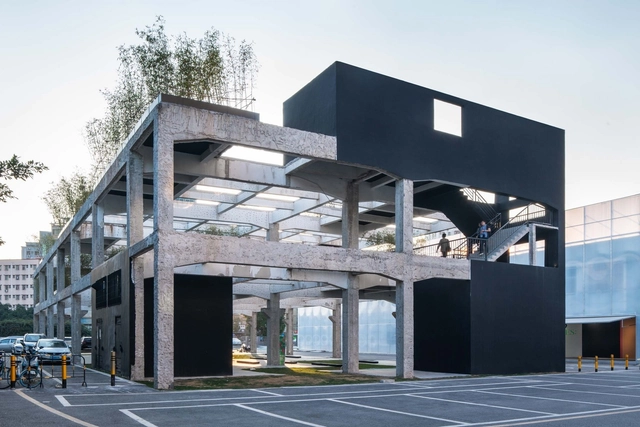
As a member of the Urban Design Expert Committee of the Ministry of Housing and Urban-Rural Development, I strongly urge an immediate increase in architectural and urban design fees. This is a matter of utmost urgency, for several key reasons:
1. The current fee structure is a relic of China’s era of rapid, large-scale incremental construction, when design work focused primarily on spatial capacity and fees were strictly tied to project scale. Today, however, almost all cities have entered the era of existing urban stock. Moving forward, as the focus shifts to urban renewal, design work can no longer be mass-produced. Instead, architects must tackle an immense volume of bespoke, custom-tailored projects. Consequently, traditional fee metrics are completely out of sync with the actual workload;
2. The flaw in traditional fee calculation methods is that when project scales shrink and design complexity increases, the upward adjustment coefficients for fees remain far too low. This is especially true for small-scale projects and renovations, which are incredibly time- and labor-intensive. Architects are essentially working at a loss, driven solely by passion. This leads to the absurd reality where years of design fees might not even equal the cost of a single tree. It is truly tragic when human value is deemed worth less than material objects;
3. While the state encourages urban design—the essence of which is fostering urban diversity—achieving diversity requires architects and urban designers to invest significantly more time and labor into custom, site-specific solutions. Without a fee mechanism adapted to this level of customization, how can we support their creative work? While passion might sustain a single project or a brief moment, only a proper mechanism can ensure fair and sustainable practice. The so-called "cookie-cutter" urban landscape is, in reality, the product of a cookie-cutter fee structure.
In short, transforming Chinese cities begins with raising design fees!
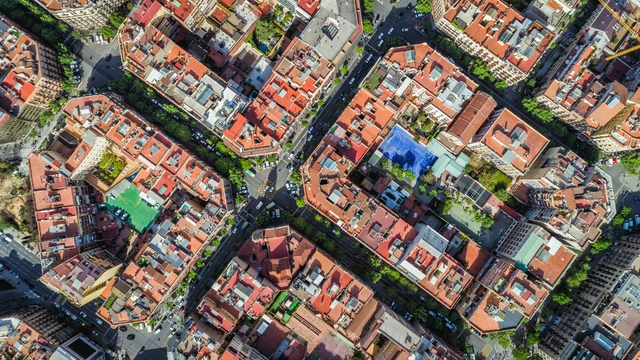
ArchDaily is working with CityMakers to publish a series of articles, conversations, and interviews with the various actors in urban co-production behind the Barcelona CityMakers Lab 2021, an event taking place from November 8 to 12.
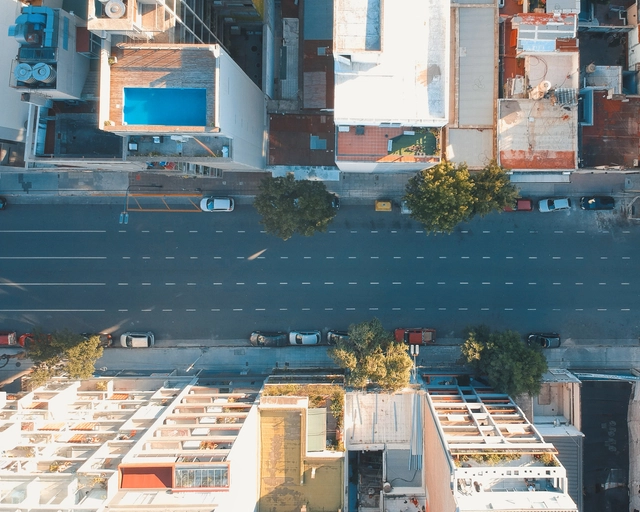
Outbreaks of contagious diseases can exert a long-term influence on urban design—many have undeniably shaped the way modern cities look and operate. Parks, wide streets, and even the bathrooms in our homes are a significant legacy of past cholera outbreaks. Today, these features are so deeply embedded in our daily lives that they are considered basic elements of modern cities. Over generations, cities have recovered from the initial shock of contagion and rebuilt public trust after periods of uncertainty.
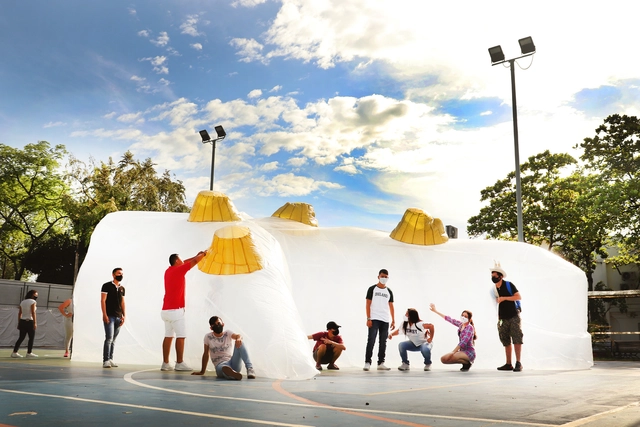
The project “Artificial Topographies: Between the Real and the Unreal” by the architecture studio Ciudad Portátil won the 2021 CLAP Ibero-American International Design Awards for best commercial exhibition or ephemeral architecture design. This temporary intervention arose from the need of a group of students at Corhuila University to carry out practical labs for their Topography course, since these activities were restricted to the university campus for biosecurity reasons—specifically, in this case, on a concrete slab within the sports complex.
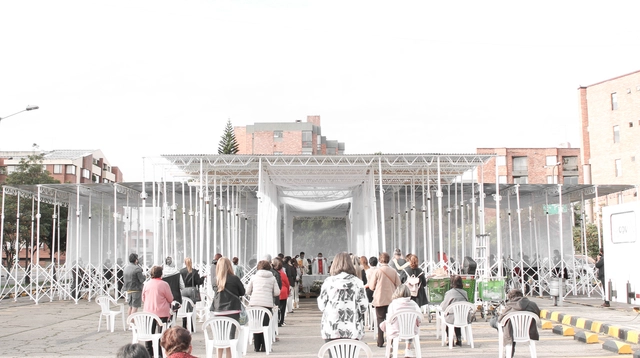
Construction shores, which typically support formwork for pouring concrete, have been used to structure a temporary chapel in Bogotá. These elements, usually relegated to construction processes, combine with zinc sheets and exposed structural trusses to define the project's spatial experience. Designed to be mobile, the chapel can be easily disassembled, ensuring its components can be reused in future projects.
Discover the project, born from a collaboration between SCA and Colab-19, designed to meet the desire of Bogotá's faithful to celebrate Easter.
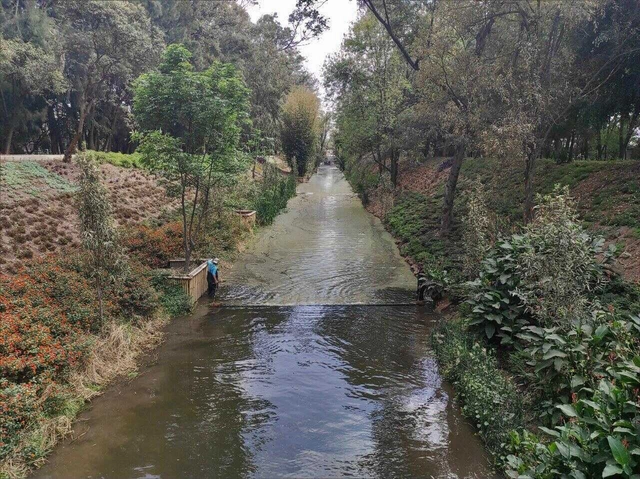
The restoration, rehabilitation, and recognition of urban rivers and canals must be integrated into state and federal policies, going beyond the mere practical use of the resource. In many developing nations, including Mexico, water-related challenges are heavily concentrated in cities, driven by the haphazard urban growth of recent decades.