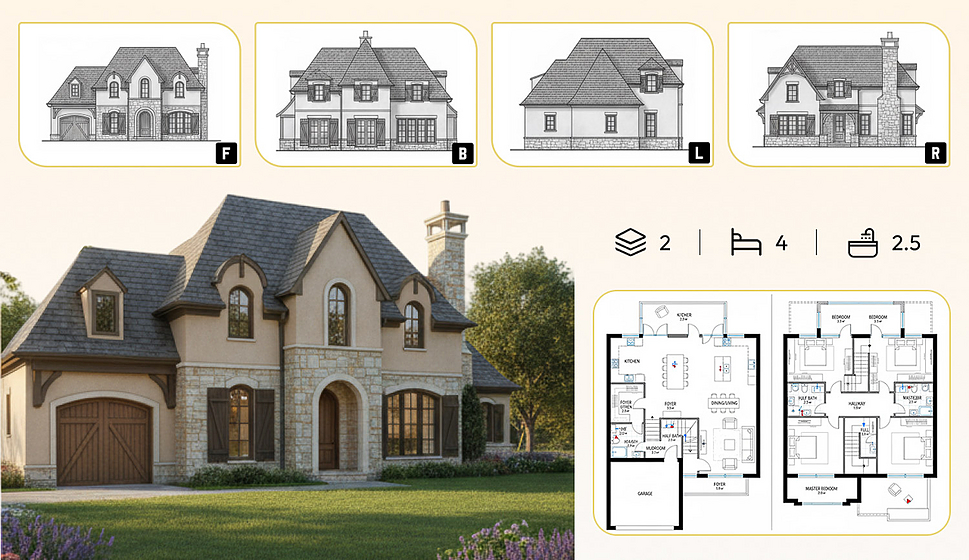
This guide covers a workflow that moves from project parameters to generated floor plans, 3D perspective views, exterior design exploration, and site context visualization, using AI tools in place of preliminary CAD and rendering work.
This guide covers a workflow that moves from project parameters to generated floor plans, 3D perspective views, exterior design exploration, and site context visualization, using AI tools in place of preliminary CAD and rendering work.

As part of an initiative by architects and urban planners to mark the 50th anniversary of the founding of Cancun in Quintana Roo, Mexico, two comics have been released to portray the history of Cancun's Foundational Zone. Created by Pablo Landa of Landa + Martínez and David 'El Dee' Espinosa, this work explains the origins of the city's urban layout, as well as the history behind Cancun's Foundational Zone, to help understand its sustainable, pedestrian-friendly origins that promote community life.
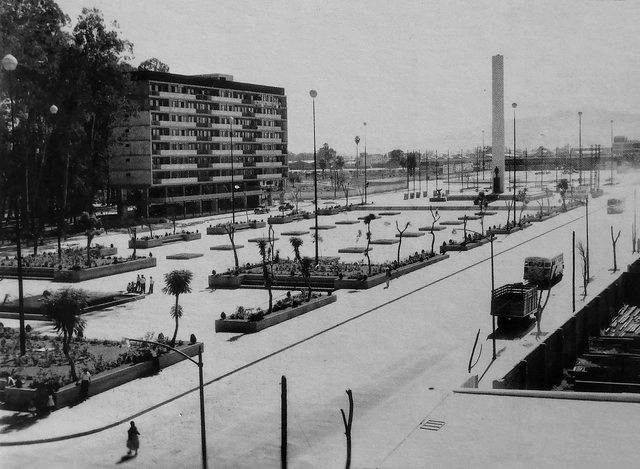


This article is part of a collaboration with the website coolhuntermx and was originally published under the title "Julio de la Peña, the architect who built half of Guadalajara."
The moniker of having “built half the city” is often an exaggeration when discussing architects with a large volume of work. However, in the case of Julio de la Peña, the claim is not so far-fetched. This is true not only because of the sheer number of his projects, but also due to how iconic they are for Guadalajara.

On Wednesday, December 16, Panel Rey brought together architects from across Mexico for its fifth annual New Year's toast in Monterrey, Nuevo León. This year, a special recognition was presented to architect Bernardo Hinojosa, who has an impeccable career of more than 46 years in the profession, with more than 1,750,000 square meters of planned projects spanning commercial, office, educational, sports, urban, industrial, and residential architecture.

With the emergence of COVID-19, we have had to adapt to living differently than we were used to, which has been directly reflected in our working style. Where and how do we work today? A large portion of the workforce has transitioned to working from home, where feasible. While comfortable for many, for others it has meant a radical shift, bringing new spatial and resource requirements. For architects, engineers, builders, and contractors, this challenge has been particularly complex, as much of their work involves handling large, high-cost devices.
In this article, we present 3 innovative solutions that replace the traditional, bulky plotter, allowing us to print in large formats from our own homes.

Yesterday, the Mayor's Office of Bogotá shared on social media the first images of the Santa Clara Hospital renovation, which is part of the San Juan de Dios hospital complex in the Antonio Nariño district. They also announced the signing of the start-of-work agreement for its construction and renovation.
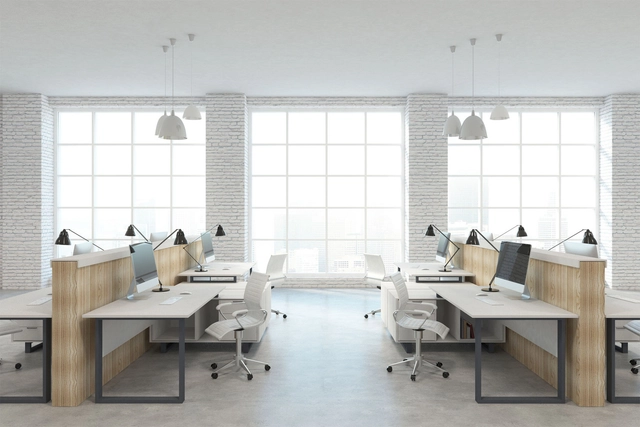
COVID-19 will likely change the way we live and work for an extended period. In this landscape, organizations have been seeking short-, medium-, and long-term solutions to guarantee their staff a safe return to work. Protecting the health of employees exposed to contact in the workplace requires implementing biosecurity strategies, social distancing, occupancy limits, cleaning, and disinfection. This article explores preventive measures recommended by HID Global, based on the application of identification technologies.

Historically, architecture is a discipline that for many years was a male-dominated territory, until in 1939, María Luisa Dehesa became the first Mexican female architect. Yet, despite the perception that gender parity has been achieved in the education of architects in Mexico, the concept of masculinity (which can be exercised by both men and women) continues to permeate architecture. This is reflected in design processes, in the figure of the "unreachable architect," in a sense of competitiveness, in hierarchical structures, and, in the most unfortunate cases, in the notion that women design interiors while men design *real* architecture.

Architect and curator Paula Monroy, in collaboration with Diego Montoya, presents an interview with National Architecture Prize winner Miguel Lawner, conducted during the XXI Bienal de Arquitectura y Urbanismo de Chile 2019. The common good and the political dimension of architecture are among the key themes explored in this conversation.

Slate 1 CAU+Plural, composed entirely of women architects and urban planners, received 11,568 votes in the election for CAU/SP, held on October 15. The election, which recorded the highest turnout of architects and urban planners in the history of the Council of Architecture and Urbanism of São Paulo, marked the first time a single slate garnered nearly 40% of the valid votes.
In an unprecedented achievement, the slate secured the majority of seats in the Council, winning 49 plenary seats. Out of 77 total seats, 52 will be occupied exclusively by women. Thanks to this strategy, the next term will see a 77% female composition—with 54 titular members and 66 alternates, respectively. This effectively reverses the previous composition, where 76% of the state council was represented by men.

Last week we announced the 15 finalist projects for the Building of the Year 2020 award (Obra del Año), which since 2008 has celebrated the best built architecture in Latin America and Spain, calling on our expert jury—that is, you, the readers—to choose your favorite completed buildings.
Today, the day has come to announce the winners of ODA2020.
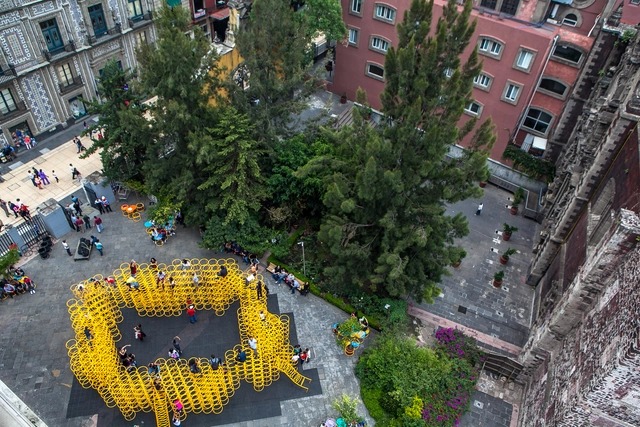
Mexico's National Social Distancing Campaign began on March 23, 2020, but a couple of weeks prior—even as the Federal Government recommended continuing activities as normal—social media was already filled with people opting to mirror the European model and self-isolate. Right away, some architecture firms decided to close their physical offices and transition to remote work, while others took a few more weeks to make the shift. However, this period of social and physical (spatial) distancing is experienced differently in every household. Over the months that this pandemic has unfolded, it has exposed not only inequalities regarding basic needs in dense urban areas, but also the fragility of the social order itself. Whether on a macro or micro scale, all of these experiences occur within and are influenced by the built environment, making architecture both an arbiter and an active participant in this equation.

La Parleta is a project by the Ecuadorian architecture and construction collective EseColectivo, which gathers "highly valuable reflections, anecdotes, and experiences surrounding the profession." Below, we share some of their thoughts alongside their fourth episode, "Post-Apocalyptic Architecture."
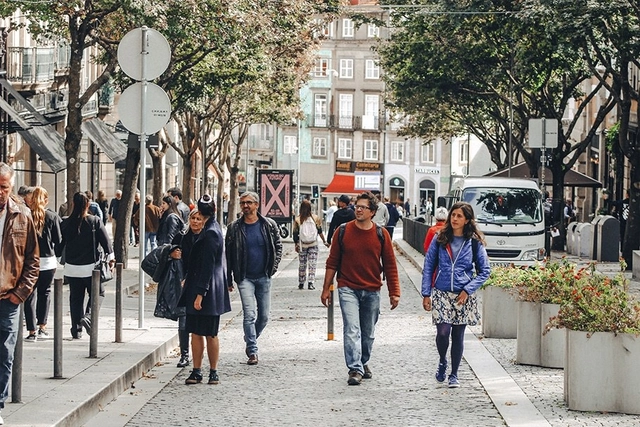
Street safety goes far beyond policing and lighting. While these factors may be important in certain contexts, community engagement and building social capital are key to making cities safer. “Feeling safe is crucial for people to embrace urban space,” says Jan Gehl.
The student collective Post_Arq from the Leopoldo Rother Architecture Museum at the Universidad Nacional de Colombia has shared with us an interview with Sebastián Serna Hosie, a Bogotá-based architect and member of Taller de (S) and Ciudad Isla. This is part of a series featuring seven Colombian architects, including prominent figures such as Santiago Pradilla, Lorenzo Castro, and Fernando de la Carrera, whose interviews will be released on their channel.

At the same rate that the real estate development industry aggressively intervened in the most favorable areas of the city valley—backed by state approvals and concessions, supported by massive banking resources, and employing top individual talent trained at public universities—popular settlement neighborhoods grew proportionally across complex topographies, receiving minimal institutional support, completely devoid of financial backing, and with negligible, residual, if not non-existent, technical assistance.
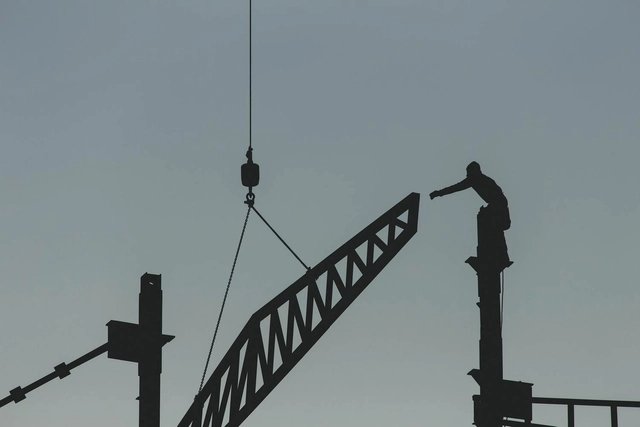
The Inter-American Development Bank (IDB) recently published a practical guide for sustainable buildings, public spaces, and construction sites in Brazil. Authored by Esperanza González-Mahecha, Livia Minoja, Lucas Rosse Caldas, and Clémentine Tribouillard, the publication aims to simplify access for public and private managers to practical information on how to incorporate sustainability elements into projects, whether buildings (such as housing or public facilities) or public spaces.
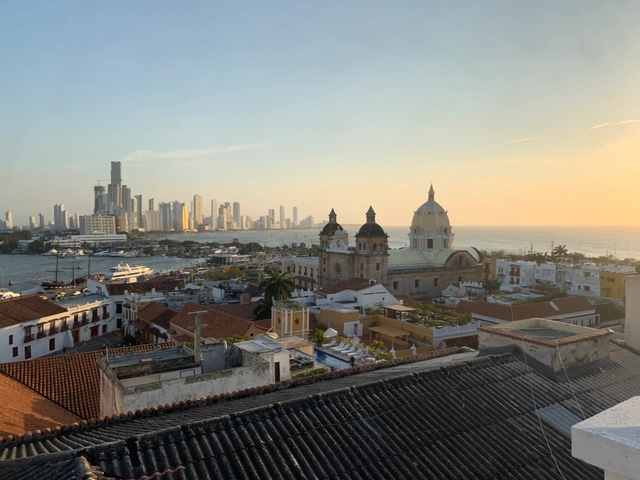
When we visit an urban destination—or perhaps a rural one as well—can we truly say we know it? A brief vacation in a tourist destination might give us an impression of what a place "is." However, this is a far cry from reality, as tourism has always manipulated the impression left on visitors, obscuring the actual lived experience of the place.
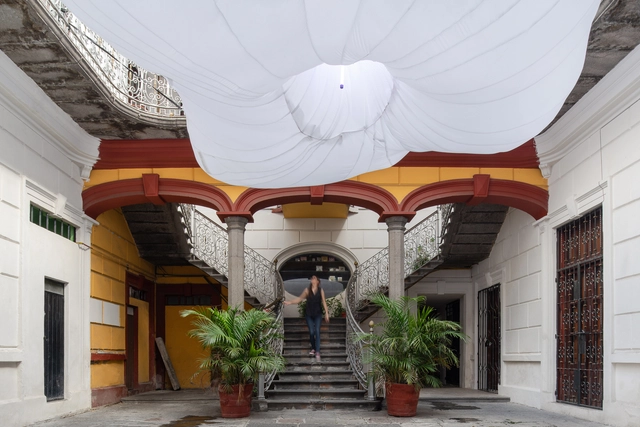
The city of Puebla, located in the central highlands of Mexico, is particularly well-known for its street layout and its predominantly Baroque architecture. A UNESCO World Heritage Site since 1987, it hosts a broad cultural dynamic centered on the preservation of built heritage and its appreciation from afar, as if it were a museum piece. Consequently, on our daily commutes, we notice the monumentality of its facades, while most often overlooking what lies behind the large wooden doors: what we have called “the heart of the Poblano home.”
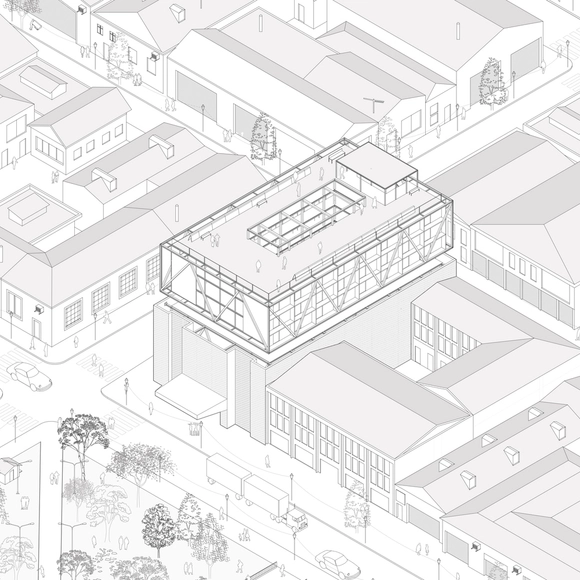
Centered on the theme “Integrated Housing, Sustainable Communities,” the 2020 CAP Steel Design Competition for Students has recognized projects that promote the understanding of steel as a material, research into its vast potential, its technologies, and its multiple uses and applications in construction, developed within an appropriate architectural and structural framework.
Out of 26 preliminary projects submitted by 15 different universities, first place went to a team of students from Universidad Andrés Bello (Santiago), while second place went to students from Universidad Católica de Chile, and third place to students from Universidad Austral.
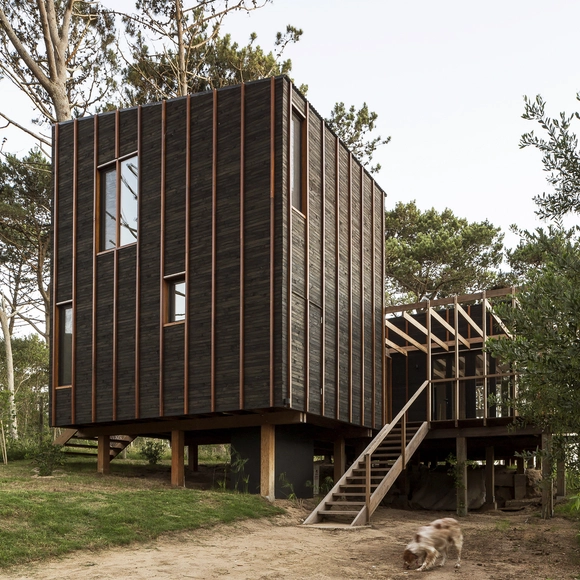
FRAM arquitectos is an Argentine architecture firm founded in 2011 in the city of Buenos Aires. With a body of work focused on small- and medium-scale single-family homes designed and built in both Buenos Aires and the province of Río Negro, they have explored the complexities of domestic living, engaged in material research of various kinds, and tackled challenging commissions with minimal dimensions and tight budgets. Alongside this, they have actively participated in consecutive provincial and national competitions, seeking to expand their design scope and deepen their study of larger-scale programs.
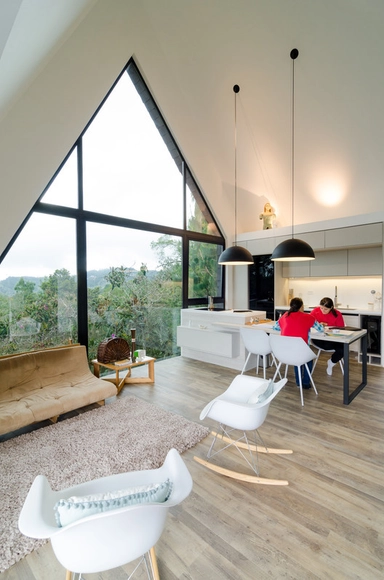
Within residential spaces, architects choose to give more or less prominence to certain areas of the program, depending on client preferences. While some prefer to prioritize more intimate spaces, others lean toward social areas—with the kitchen being a primary example.
Although the pragmatic function of a kitchen is to serve as a space for preparing food, there are few homes where it does not also double as a gathering place. Even in traditional dwellings like the Mapuche *ruka*, a central hearth is used both for cooking and for heating, conceptually evoking the same welcoming atmosphere as integrated urban kitchens. Today, fire is managed through stoves—with a strong modern shift toward induction cooktops for their safety and precise temperature control. Nevertheless, the core domestic principle remains the same, and contemporary architecture has allowed the kitchen to once again integrate seamlessly with daily activities and social zones.
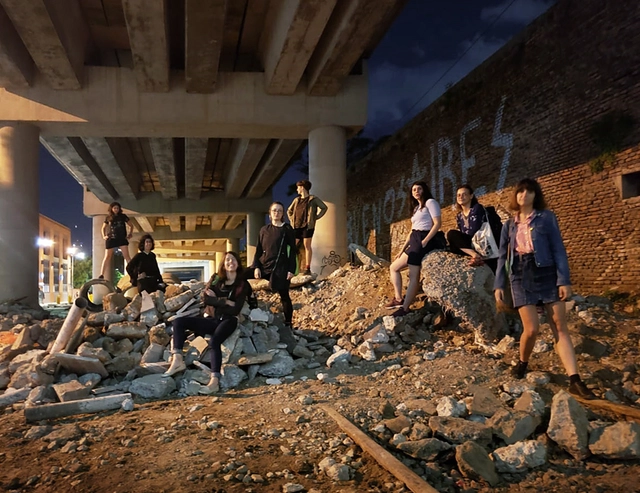
Observing the reality of our built environment allows us to recognize that certain identities are not represented by existing models and scales. Unsurprisingly, these voices have been conspicuously absent from the planning and construction processes of cities and their architecture. Their desires, ways of being, and modes of inhabiting the world have been excluded and rendered invisible. This prompts us to rethink: Which voices are legitimized in urban debates, and for whom is the city designed?
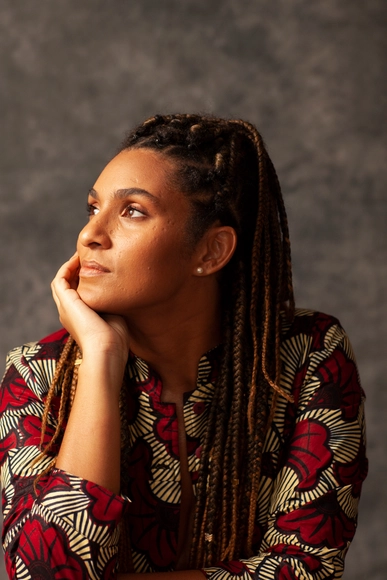
Architect Gabriela de Matos, creator of the Arquitetas Negras project, was named Architect of the Year by the Rio de Janeiro Department of the Institute of Architects of Brazil (IAB-RJ). Alongside her, IAB-RJ also honored the Oswaldo Cruz Foundation (Fiocruz) during an online event held this week to announce the winners of the 58th Annual Awards and the 37th Architect of Tomorrow Award.
Dedicated to exploring the intersection of race, gender, architecture, and the city, Gabriela highlighted in her speech the importance of recognizing that "although the field of architecture and urbanism is still elitist and racist, it is precisely the training of architects and urban planners who view architecture as a social tool that can help bridge the gaps and inequalities in our society."
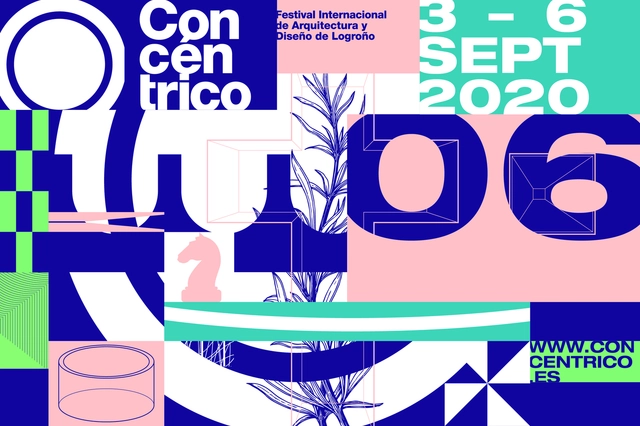
The renowned International Architecture and Design Festival of Logroño, Concéntrico, will hold its sixth edition—rescheduled due to the COVID-19 pandemic—from September 3 to 6, 2020. The festival invites reflection on 'the urban' and the contemporary city.