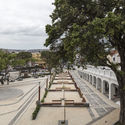
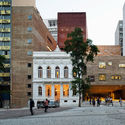
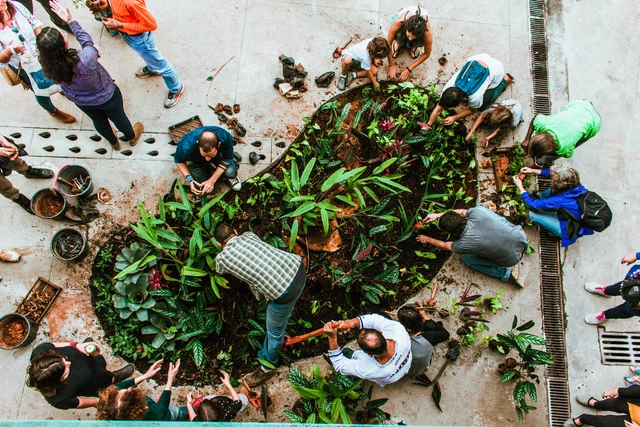
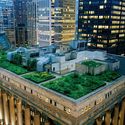
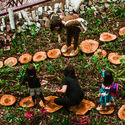
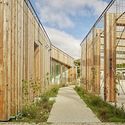
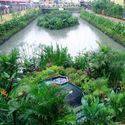
Image from the Technical Manual of Urban Afforestation of Salvador
In 2017, the city of Salvador, Bahia, established its Urban Afforestation Master Plan and, as part of this initiative, released a comprehensive guide for anyone wishing to plant in urban spaces.
Which species are most suitable and how to plant trees on sidewalks are some of the questions answered in the document. Although titled the “Salvador Technical Urban Afforestation Manual”, the guide can be used by residents of any city, especially those living in the Atlantic Forest biome.
It is impossible to discuss Amazonian architecture without mentioning Severiano Porto. The Minas Gerais-born architect was key in shedding light on the potential of that climate and context when integrated into design practice. Yet Amazonian architecture is not defined by Porto alone; indeed, many contemporary examples deserve attention for their careful selection of materials, ingenious application of vernacular techniques, or the sophistication achieved with limited resources.
Architect Carlos Alberto Maciel is the fifth guest on Studio Casa, an interview series produced by Casa da Arquitectura - Portuguese Center for Architecture. With a master's degree and a PhD in Design Theory and Practice from the School of Architecture at the Federal University of Minas Gerais, where he teaches design, Maciel is a founding partner of Arquitetos Associados, a collaborative studio based in Belo Horizonte.
Cortesia de GOAA - Gusmão Otero Arquitetos Associados
As architects, we set out to reflect on domestic spaces, which have taken center stage during the quarantine we are all currently experiencing. Drawing from our own experiences, our reflections aim to shed light on feasible improvements to the well-being of at least some of the metropolis’s residents, joining many other initiatives currently rethinking the city and housing.
https://www.archdaily.com/1123988/a-time-to-rethink-the-building-strategies-for-rooftops-facades-and-ground-floors-during-the-pandemicBeatriz Dias, Clara Troia, Guido Otero e Ricardo Gusmão
Structure created using BIM and parameterization. Photo by Chris Palomar, via Unsplash
Circular economy principles have also been increasingly applied to the architecture and construction sector. However, technical and even cultural barriers still persist during the building design process. To address this challenge, several tools can be used to streamline the workflow, enable faster and more accurate assessments, and analyze how different design strategies can yield environmental, economic, and social gains.
Escola da Cidade, through its postgraduate program Geography, City, and Architecture, hosted Peruvian architect Juan Carlos Doblado for a series of lectures. The architect presented his architectural work, some of the key influences on his career, and contemporary Peruvian architecture, while also exploring themes related to teaching in the architecture department at the Universidad Peruana de Ciencias Aplicadas (UPC), where he is a professor. Students Alline Lais Nunes, Carolina Lyra, and Adelí Palacios, invited by the Scientific Council of Escola da Cidade (EC), interviewed him on several of the topics covered during the lectures.
https://www.archdaily.com/1123839/landscape-geometry-and-materiality-in-peruvian-architecture-an-interview-with-juan-carlos-dobladoEscola da Cidade
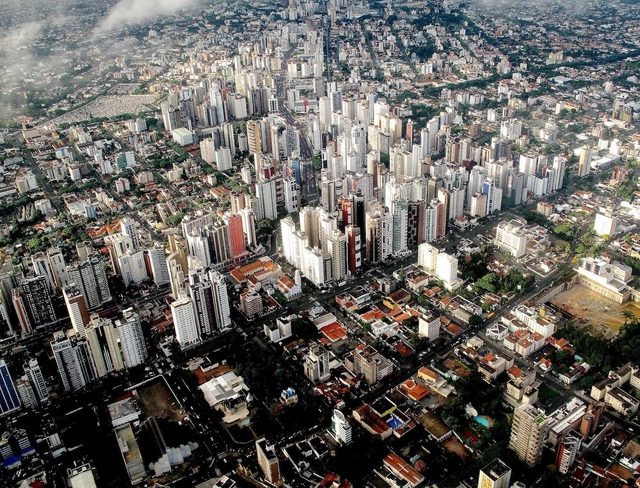
Central region of Curitiba. Image by Francisco Anzola, via Flickr. License CC BY 2.0
One of the main objectives of this website is to disseminate ideas that enable cities to have more affordable housing. There are several indicators that can be useful in observing and analyzing a city's housing market, such as the price-to-income ratio, which we covered in a previous article. While no single indicator is perfect, they can provide guidance regarding the scale or direction of a given real estate market.
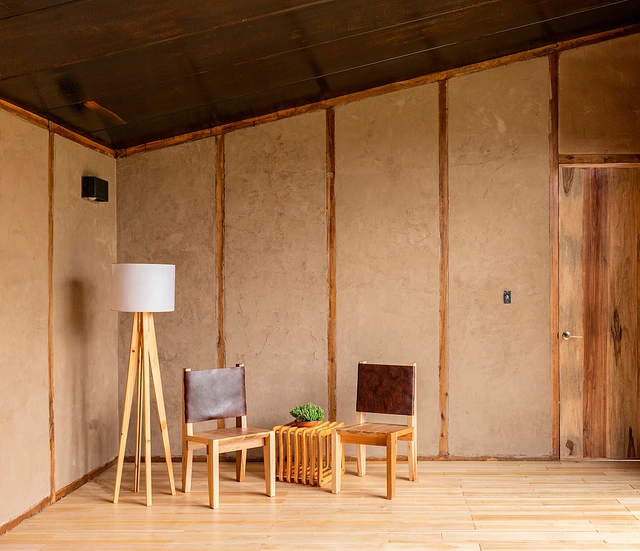
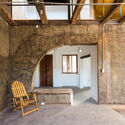
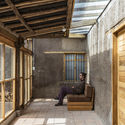
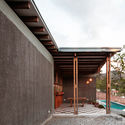
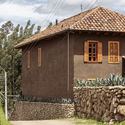
Earth is a material that has been used for building since time immemorial. Its low environmental impact and the variety of techniques available for working with it have enabled its enduring relevance in architectural projects worldwide. Whether using rammed earth, wattle and daub, earthen wall systems, or adobe structures, various contemporary projects rework and reinterpret these traditional methods to shape their spaces.
Photography researchers and enthusiasts now have another major tool at their disposal. The Photography Book Database (BDLF) has just been launched: a bibliographic reference platform exclusively dedicated to photography books. Conceived by photographer and researcher Leonardo Wen, the project began development in 2018 with funding from the Federal District's Cultural Support Fund.
In a home, the bathroom is undoubtedly the most intimate and private space. Or at least, it used to be. Synonymous with relaxation, this room is increasingly being explored by architects, gaining significant prominence and design importance. While once limited to a sink, toilet, and shower, it has now given way to veritable bathing sanctuaries, redefining its use and becoming an experiential space. With this in mind, the concept of closed "boxes" with minimal openings is giving way to new possibilities—and, above all, to the outdoors, as the integration with nature is achieved through generous openings that incorporate the surrounding landscape.
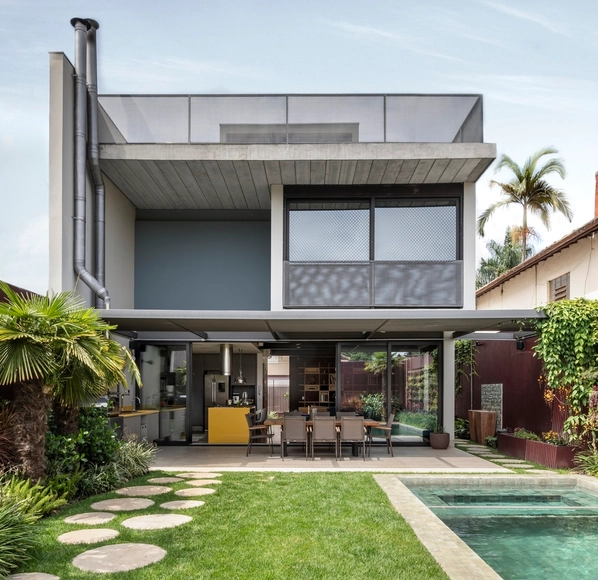
Historically associated with factories and industrial buildings in general, exposed building services have increasingly been adopted in other typologies in recent years, including residential architecture. Conduits, plumbing, and other elements used in building systems—long relegated to the background, concealed behind walls and ceilings—can actually serve as key features of an architectural concept.
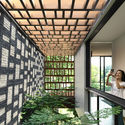
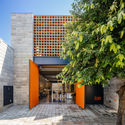
These architectural elements are used for different reasons almost everywhere, because they have a visual permeability that promotes the much desired dialogue between interior and exterior, which most architects seek, while being able to maintain the privacy of the users of a building. However, in tropical climates, they gain even greater importance as they allow constant natural ventilation, shade areas with large amounts of sunshine, and provide natural lighting and thermal comfort.
We inhabit a world scarred by history and mistreated by us—a humanity that insists on detaching itself from and subjugating the nature to which it belongs. In the fast-paced rhythm of global capitalism, we have actually forgotten ourselves, forgetting that we possess our own gaze, which ultimately leads to forgetting the world itself.
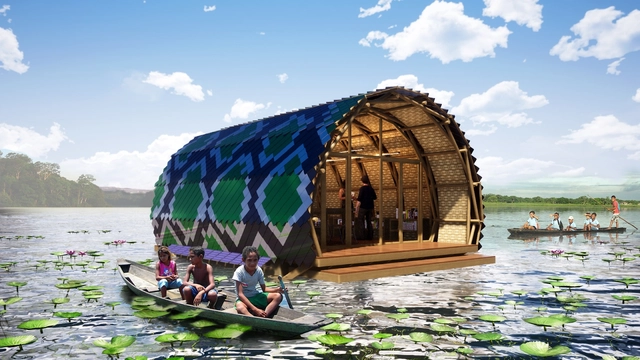
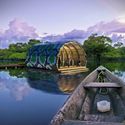
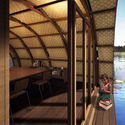
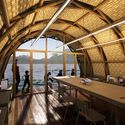
Atelier Marko Brajovic recently shared the design for a Floating Community Library on Lake Mamori, in the Amazon Rainforest. Developed in close collaboration with the local community, the project aims to become a benchmark for sustainable construction and environmental education.
Videos
Cities like Paris were renovated and upgraded in the 19th century under the pretext of tackling diseases. Photo: Alexus Goh/Unsplash
Cities and epidemics share an intricate relationship. Throughout history, cities have emerged as breeding grounds for the spread of disease. Yet, as economic, social, and cultural hubs primed to connect ideas and develop solutions, they have historically responded to epidemics with innovation. Still, urban improvements—such as sanitation, water supply, the creation of parks and open spaces, and better transit—have often been accompanied by the replication of precarious conditions on the periphery.
https://www.archdaily.com/1123496/urban-planning-and-epidemics-how-diseases-of-the-past-transformed-citiesFernando Corrêa, Luis Antonio Lindau, Henrique Evers e Laura Azeredo
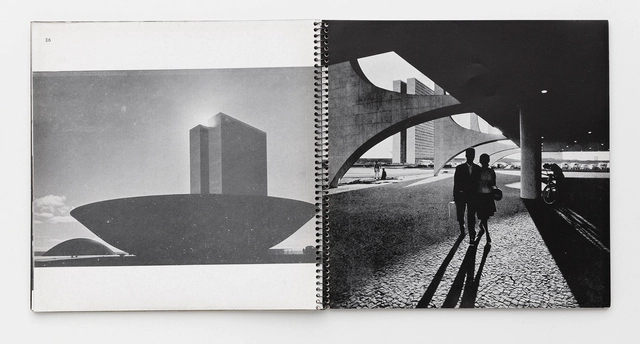
When considering architecture as a tool of impact on public life, there is an extensive history of cases to draw from, which undoubtedly includes the relationship between architects and the State across various contexts. From landmark examples, such as the urban planning and architectural design of Brasília, to more contemporary demonstrations of the virtues of this collaboration, the civic vocation of design is expressed in its most explicit form through these types of programs. Designing projects with such implications also means confronting the fact that the client does not present the traditional demands of a typical commission, but rather represents collective interests and the effective stewardship of the public realm. This offers a major opportunity for professionals in the field to devise ways to foster and strengthen democratic values within society.
Like the flight of a bird, a summer rain, ocean tides, lightning during a storm, or a prolonged drought, natural phenomena occur every day without our noticing. Yet, some draw more attention, such as volcanic eruptions, earthquakes, the emergence of a new virus, or major floods. Even so, if they occur in an uninhabited region and do not cause significant material damage, they remain merely natural phenomena. If, however, they strike populated areas, causing deaths, injuries, production disruptions, major financial losses, and displacement, only then are they considered natural disasters.
https://www.archdaily.com/1123696/architectures-impasse-in-sheltering-people-affected-by-disastersJoão Carlos Souza
The urban drainage infrastructure in most cities, particularly in Brazil, is already obsolete, making its expansion and adaptation crucial. However, this requires a new model of stormwater management that considers long-forgotten ecological aspects. In recent years, the concept of urban ecology has gained traction as a path toward developing regenerative, more resilient cities. These have been called eco-cities or biocities—terms that vary from author to author but share a common focus on nature-based solutions and ecological relationships.
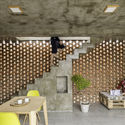
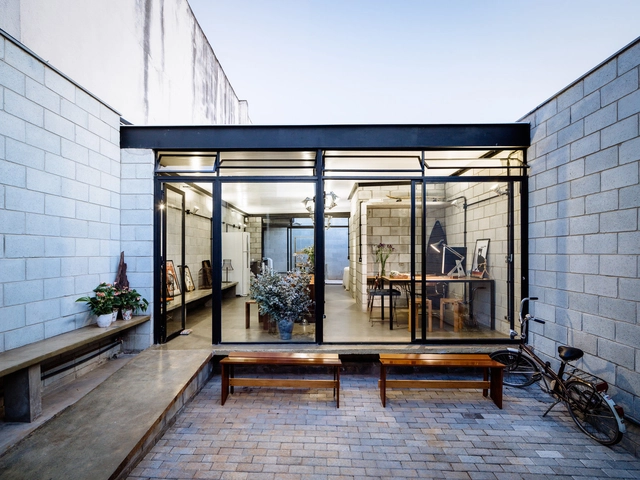
Concrete blocks are building units primarily used in the construction of walls and partitions, serving either structural or enclosure functions. As a low-cost, precast material that is commonly left exposed, it is often chosen for projects aiming for economical, fast, and practical construction without requiring highly specialized labor.
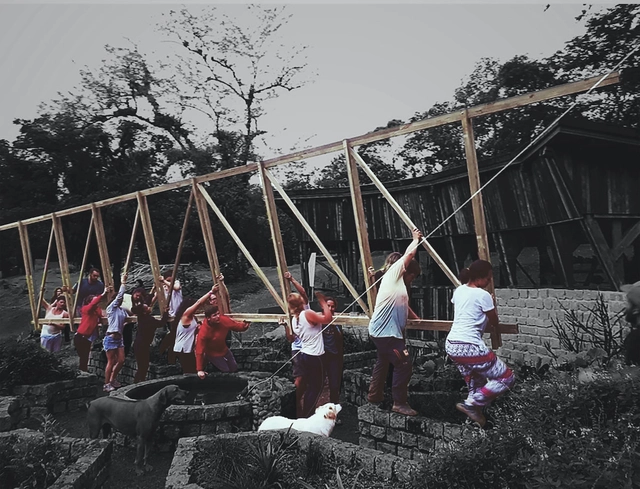
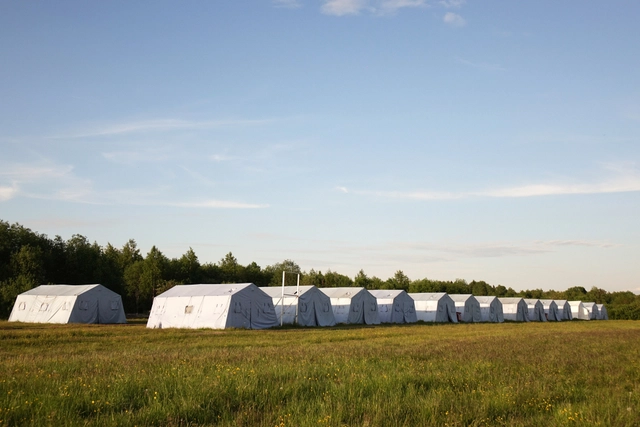
Following a natural disaster, architecture plays a fundamental role not only in rebuilding damaged structures but also in providing comfort and security for those affected. Successful post-disaster architecture must address both the immediate need for short-term shelter and long-term reconstruction and stability. With this in mind, we have compiled four examples of post-disaster architecture, ranging from built prototypes designed for rapid assembly to unbuilt proposals whose solutions stand out for their efficiency.
Celso Sim, artistic collaborator of Teatro Oficina, is the seventh guest on Studio Casa, an interview series produced by Casa da Arquitectura - Portuguese Center for Architecture. As a filmmaker, he directed, wrote, and edited the 2018 feature film Penetrável Genet, which derives from the work created for the 10th São Paulo Architecture and Urbanism Biennial titled Penetrável Genet/Experiência Araçá, which occupied a cemetery in the city of São Paulo for 40 days.
In this week's debate hosted by Escola da Cidade, Guilherme Wisnik talks with Nuno Ramos, a painter, draftsman, sculptor, writer, filmmaker, set designer, and composer who holds a degree in philosophy from the University of São Paulo.
Elisabete França, a public administrator dedicated to implementing urban development, housing, and urban mobility programs, is the eighth guest on Studio Casa, an interview series produced by Casa da Arquitectura - Portuguese Center for Architecture.
Elisabete França has distinguished herself over the last few decades through her work promoting and disseminating architecture, curating several national and international exhibitions, and coordinating conferences and specialized publications. She holds a PhD from FAU Mackenzie and is a professor in the Architecture program at the Armando Alvares Penteado Foundation (FAAP).
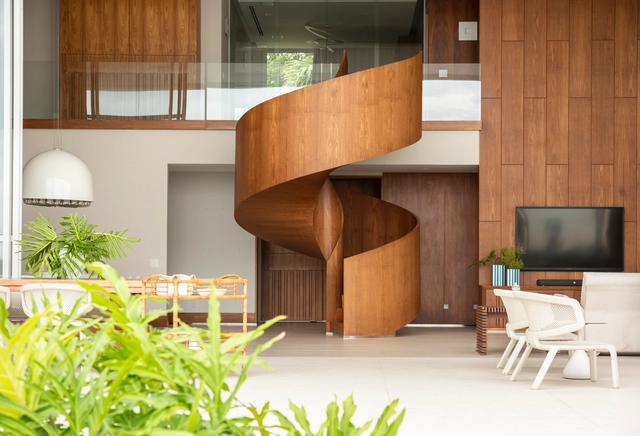
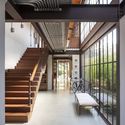
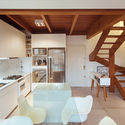
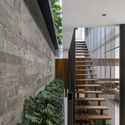
Staircases made of wood can offer a unique character to each project, thanks not only to the different configurations they can occupy in a space, but also to the variations in color and texture provided by different wood species and cuts, as well as the various ways of arranging the treads.

.jpg?1588366232&format=webp&width=640&height=580)