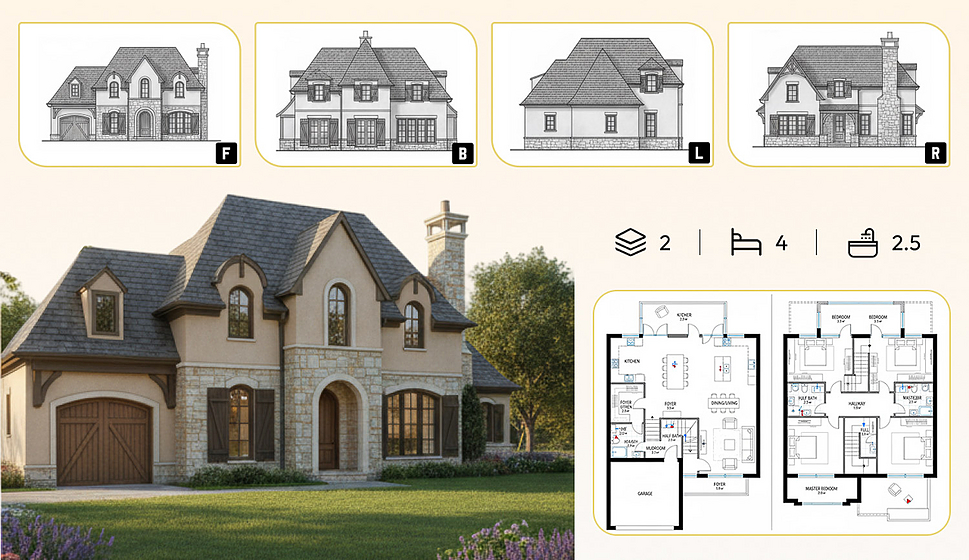
This guide covers a workflow that moves from project parameters to generated floor plans, 3D perspective views, exterior design exploration, and site context visualization, using AI tools in place of preliminary CAD and rendering work.
This guide covers a workflow that moves from project parameters to generated floor plans, 3D perspective views, exterior design exploration, and site context visualization, using AI tools in place of preliminary CAD and rendering work.
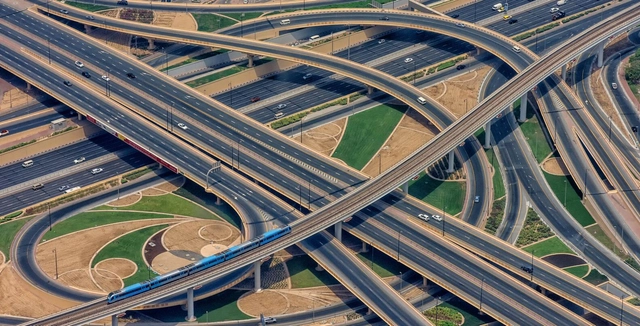
“A city built for speed is a city built for success.” This phrase, attributed to Le Corbusier, one of the most influential urbanists of the 20th century, condenses one of the most significant social developments of that era.
Mobility is a central aspect of shaping the social fabric. According to Eduardo Bericat, Professor of Sociology at the University of Seville, every form of society implies a system of mobility. Consequently, transformations within this system entail anthropological changes of immense significance.
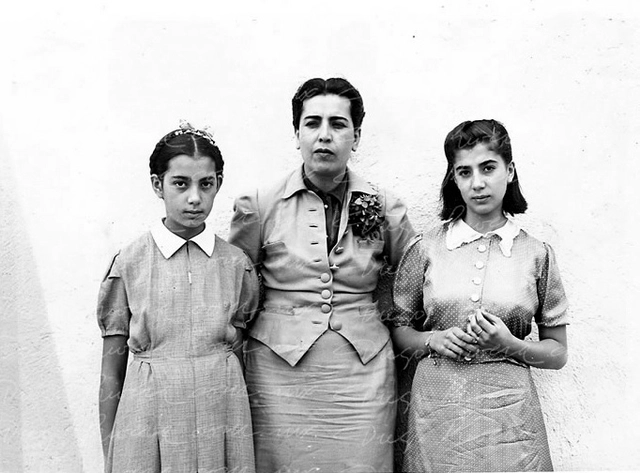
Writing about the participation of women as architects or in the construction industry is complex. Today, we are well aware of award-winning, highly recognized contemporary women architects; yet, looking to the past reveals a dark and solitary landscape.


From figurative panels depicting historical scenes to modernist abstract geometric compositions, ceramic tiles have been a constant presence across different styles and eras of Brazilian architecture over the centuries. Today, composition possibilities are vast, stemming not only from how the pieces are arranged—be it randomly or in structured patterns—but also from the wide range of colors and designs offered by manufacturers.
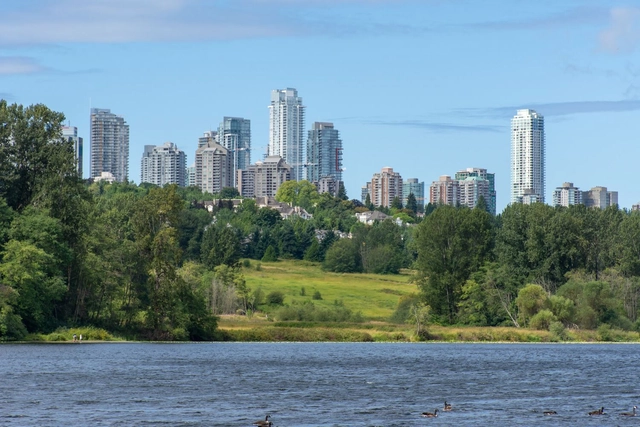
A UN survey revealed that in 2018, approximately 55% of the world's population lived in cities. This figure is projected to reach 60% by 2030. If urban centers are to become home to so many, evaluating these spaces and ensuring quality of life is essential – a challenge when considering population density and the impact of such large numbers.
Yet, urban living does not have to mean being cut off from nature, surrounded by gray and concrete. Green cities are proof of this. While life in urban centers poses a series of challenges, it also presents an opportunity to find solutions that transform these spaces, fostering significant and necessary societal change.
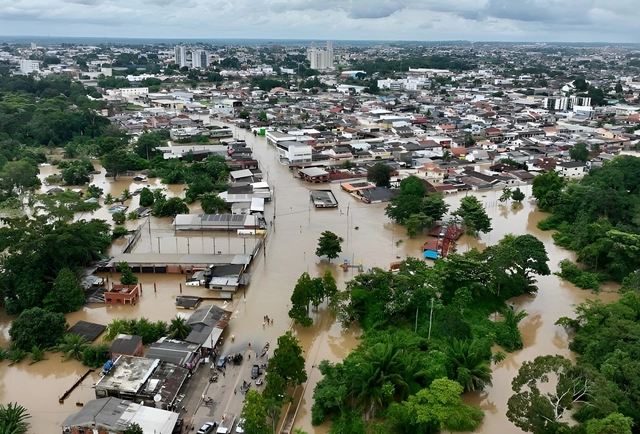
The past week brought chaos and despair to thousands of Brazilian families living in the country's North and Northeast regions. Heavy rains hit cities in Pará, Maranhão, Acre, and Amazonas, flooding hundreds of homes while others were completely destroyed by currents.
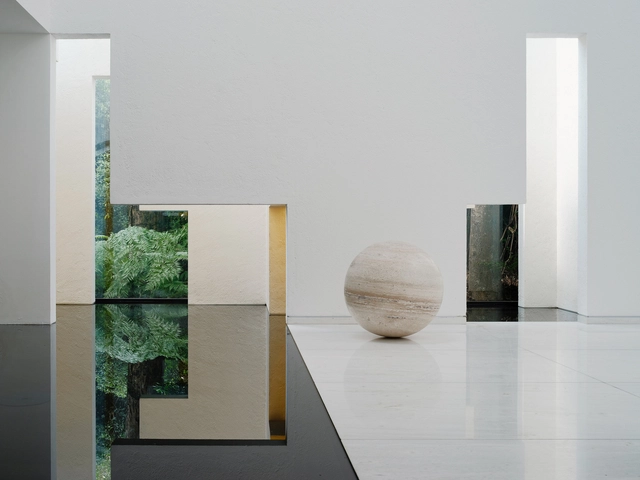
From fire in caves to street lighting in cities, lighting has evolved steadily alongside technological advancements—and in recent years, it has begun to change even more significantly due to a growing awareness of its impact on the environment and human health. Today, automated LEDs are commonplace in workspaces and homes, improving both energy efficiency and well-being and comfort. Meanwhile, public squares and streets are increasingly integrating sensors and software configurations to enhance safety and mobility. With the global urban population projected to reach 68% by 2050, urban lighting will undoubtedly become an even more critical factor to consider.
However, to make the most of these opportunities, we must view lighting as part of a holistic vision and work together to create better solutions. What does the future of lighting look like? We posed this question to our readers. After reviewing a vast number of comments and opinions from construction professionals, students, and architecture enthusiasts alike, it was surprising to find so much common ground and shared visions. There is a clear consensus on the importance of going a step beyond the status quo without increasing light pollution—while being more mindful of all living things. Discover the main perspectives below.
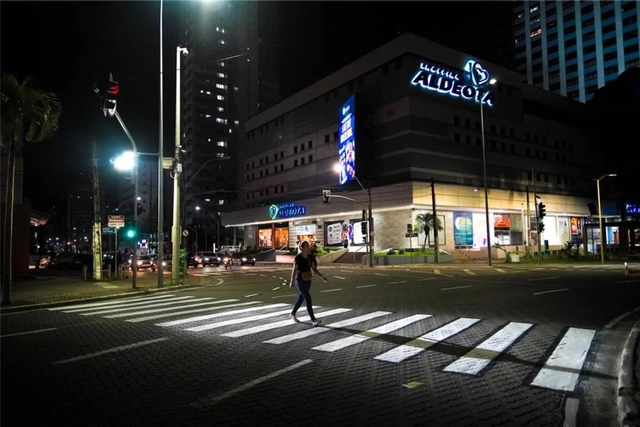
Fortaleza, the capital of Ceará, has just implemented an intelligent lighting model for crosswalks. Installed at the Praça Portugal roundabout, in the middle of the intersection of two of the city's major roads, the system could help reduce traffic accidents.
Powered by artificial intelligence, the system is capable of detecting human presence based on movement. When the dynamic lighting is activated, light beams track pedestrians from the start to the end of the crosswalk. The light improves driver visibility, especially at this specific location, where vehicles navigate a curve.
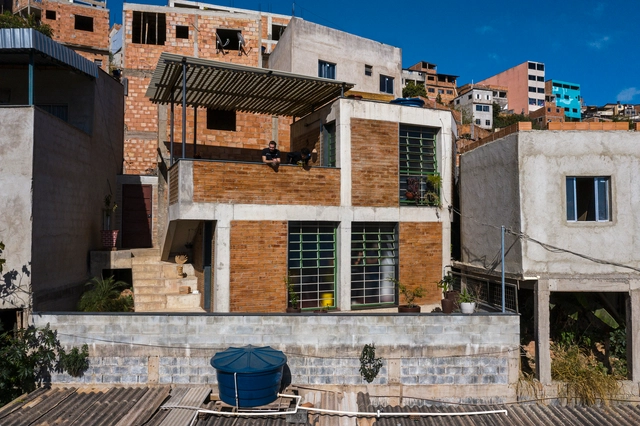
Reflecting on contemporary housing is perhaps one of the most compelling and relevant undertakings of our time. In a rapidly changing world—where technology advances at a breakneck pace, populations grow, and resources become increasingly scarce—it is vital to reconsider how we live and how we can do so better.
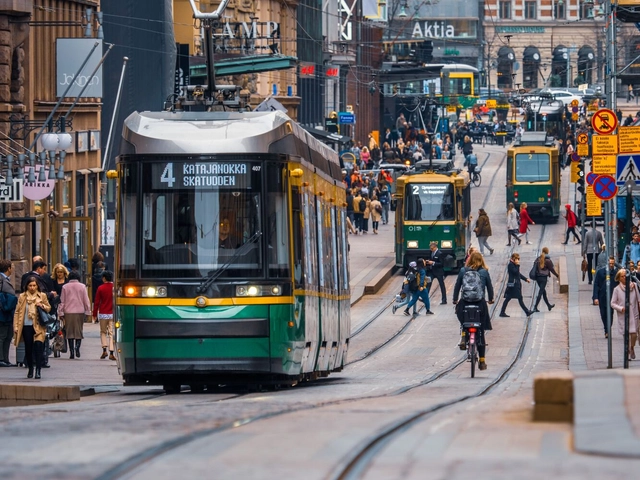
Transportation connects us. It is how we get to school and work, visit our families, and access grocery stores and healthcare services. It is also how we ship and receive goods and services. As economies and populations grow, so does the need for efficient, accessible, and sustainable transportation options.
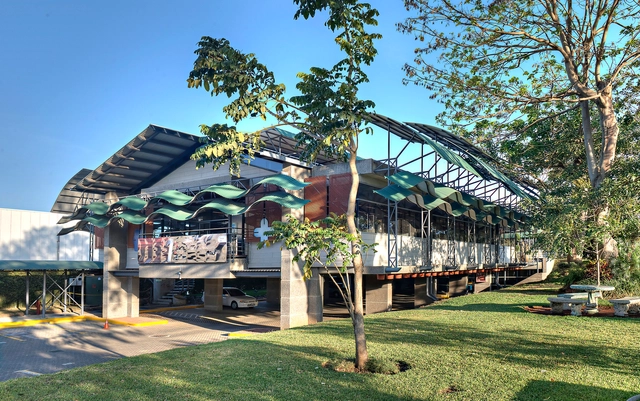
Moving from a country with four distinct seasons to a tropical climate in 1973 was a transformative life experience; in the practice of architecture, it required adapting to a completely new reality. Engaging with the customs and habits of the life that welcomed us, alongside the vernacular architecture we encountered, signaled that our design methodology had to change in order to integrate this new world, with its unique climate and way of living.
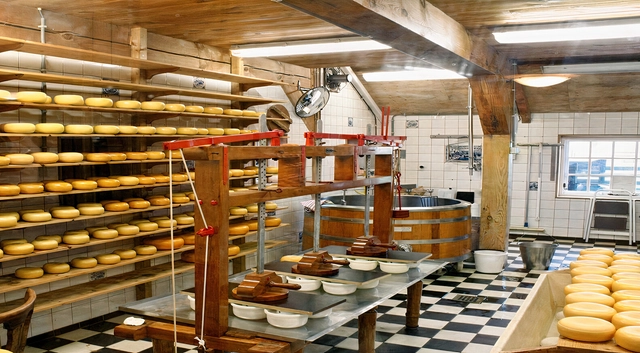
On Wednesday (29), the National Institute of Historic and Artistic Heritage (Iphan) formally presented the nomination of the Artisan Minas Cheese-Making Practices to the Representative List of the Convention for the Safeguarding of the Intangible Cultural Heritage of Humanity, through the Permanent Delegation of Brazil to UNESCO (Brasunesco). The list comprises intangible cultural assets that are considered representative of global cultural diversity and require protection and appreciation.
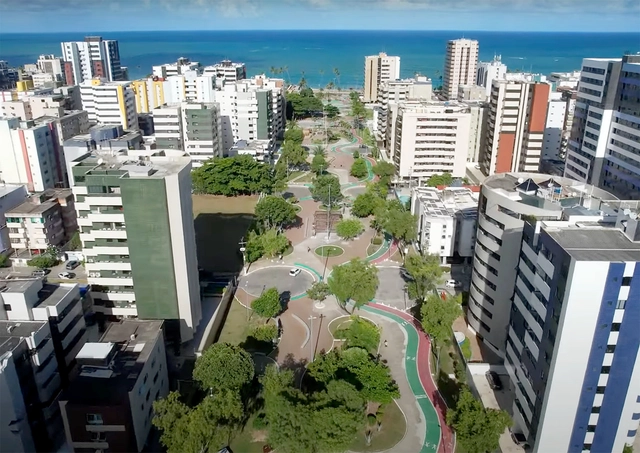
This is not the first article to address this, nor will it be the last. Numerous studies and pieces have pointed out the inconsistency of promoting car-centric urban policies as mobility solutions. I myself wrote in 2021 about the need to stop building overpasses and claiming they will solve mobility issues. Recently, however, Maceió’s Municipal Transport and Traffic Department (SMTT), a local government agency, launched a public consultation to gather feedback on opening streets within the city's largest linear park, the Vera Arruda Corridor. The proposal aims to improve "mobility" and "traffic flow" in an area that "suffers" from rush-hour congestion.
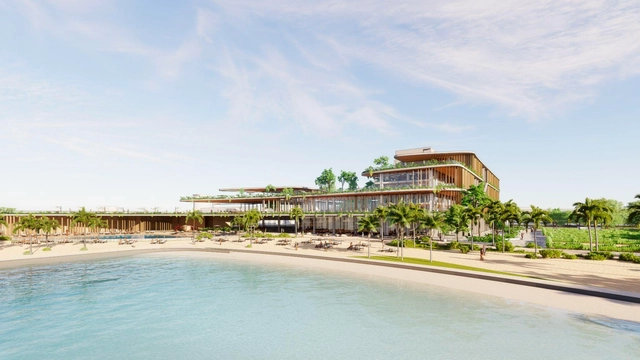
Surfers in São Paulo will no longer need to travel to catch a wave. Scheduled to open in 2025, Beyond The Club is a sports and wellness complex featuring an artificial wave beach. Designed by the firm aflalo/gasperini arquitetos, the club will feature, in addition to the wave pool and sandy beach, a sports complex with beach tennis and tennis courts, a gym, a spa, an indoor skate park, and three restaurants.
The club will occupy the site of the former Hotel Transamérica, located near Marginal Pinheiros in the city's south zone, which was designed by the firm's first generation in the 1980s.
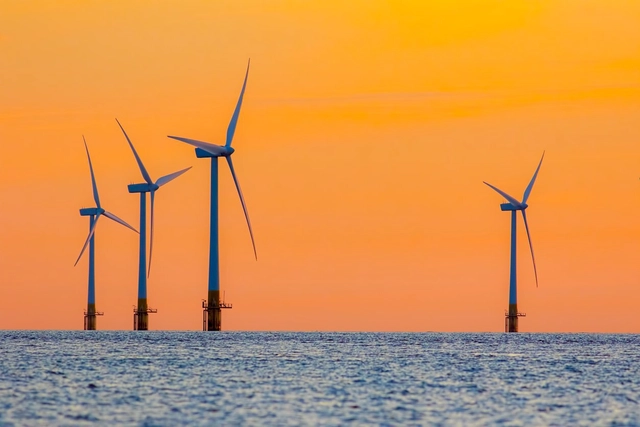
As of February this year, Brazil has 890 wind farms installed across 12 states. These facilities represent 25.04 gigawatts (GW) of installed capacity in commercial operation, benefiting 108.7 million people.
Of this total, 85% are located in the Northeast region. According to the Brazilian Wind Energy Association (Abeeólica), by 2028 Brazil will have 44.78 GW of installed capacity of this energy source, whose share in the national energy mix currently stands at 13.2%. Today, wind power already accounts for 20% of the energy generation needed by the country.
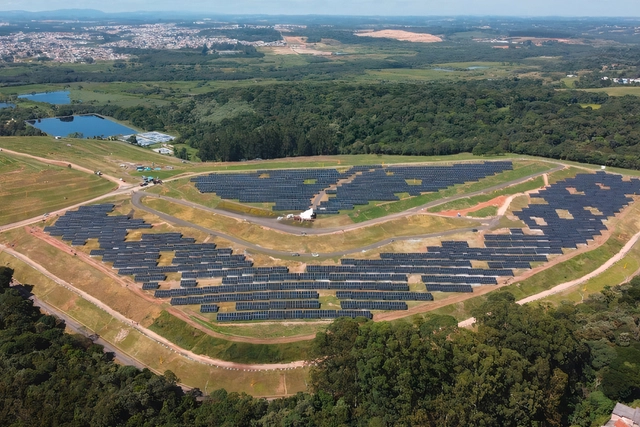
A solar power plant built on top of the Caximba landfill, which was decommissioned in 2010, is the new symbol of Curitiba. Nicknamed the “solar pyramid” due to its shape, the plant has an installed capacity of 4.55 megawatts (MW) and was inaugurated last Wednesday (29) during the city's 330th anniversary celebrations.
The project is part of “Curitiba Mais Energia,” one of the city's initiatives to combat and mitigate climate change by producing renewable energy. The municipality will reduce the emission of 2,000 tons of CO2 into the atmosphere, helping meet the city's greenhouse gas reduction targets.
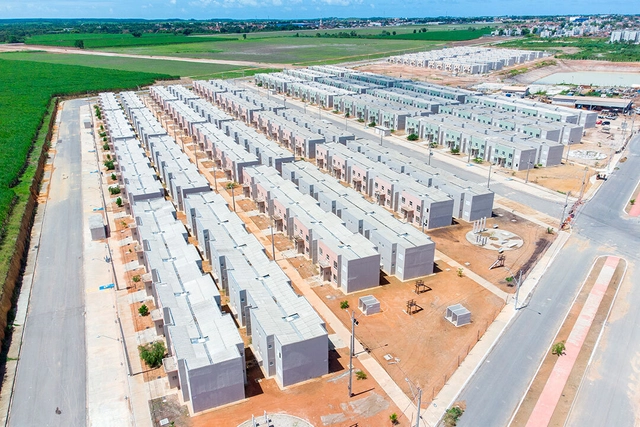
Celso Carvalho's article, recently published in Carta Capital magazine, offers important reflections on the Minha Casa, Minha Vida program, as well as the need to promote changes to its strategy. Carvalho points to the high cost of urban land as an obstacle to providing Social Interest Housing (HIS) in the most valuable neighborhoods of Brazilian cities—the so-called "land knot" (nó da terra). In short, Carvalho argues that the new MCMV should:
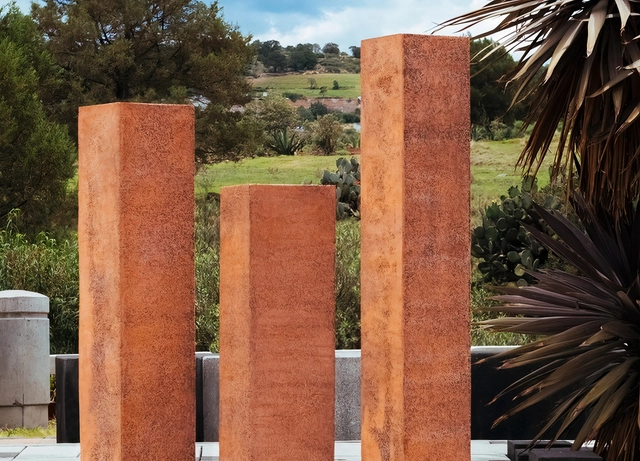
To develop materials that meet the needs of the future, it is important to consider the challenges of both the past and the present. Concrete, a widely used construction material, has maintained its basic composition since its modern conception in the 19th century with the invention of Portland cement by Joseph Aspdin. Highly valued for its strength and cohesion, concrete has become one of the most widely used materials in the world. Driven by its technical and aesthetic characteristics, architects have erected landmarks such as the ECLAC building and the Palmira Chapel, which have become milestones of contemporary architectural production. Today, however, such performance characteristics are no longer the sole criteria for weighing a material's value, given the pressing need to develop materials with a sustainable focus. Indeed, the concrete industry releases a high volume of pollutants into the atmosphere, accounting for approximately 8% of global CO₂ emissions.
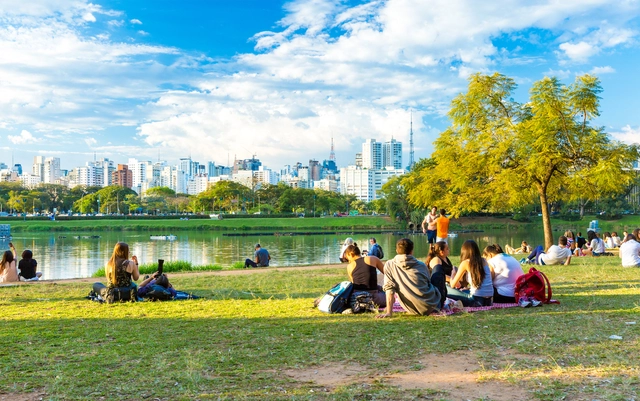
Earlier this month, the Viva o Verde SP project was launched. The result of a partnership between the São Paulo Municipal Government and UN-Habitat (United Nations Human Settlements Programme), the initiative is set to guide new municipal public policies aimed at improving the quality of green public spaces.
Initially, improvements will be proposed for 111 parks across the city of São Paulo. The goal is to achieve equity in the spatial distribution and accessibility of public green areas. “This will be an ongoing effort, not just to expand the number of parks. They will conduct diagnoses starting with ten main parks, followed by a batch of 80 parks, eventually reaching all 111 parks, identifying the specific improvements that need to be made,” said Mayor Ricardo Nunes.
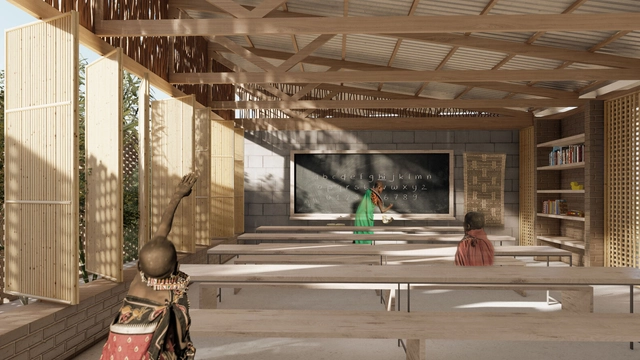
Architectural competitions have long been used to select the best designs in a viable, fair, and democratic manner, regardless of their purpose. In Brazil, the Institute of Architects of Brazil (IAB) stands out, having represented the country's architects for over a century and strongly advocating for the popularization and formalization of competitions as the primary method for commissioning public works—whether for architecture, urban planning, or landscape design. These competitions ensure that public authorities contract the best project, rather than simply the cheapest, which is common in price-based competitive bidding.
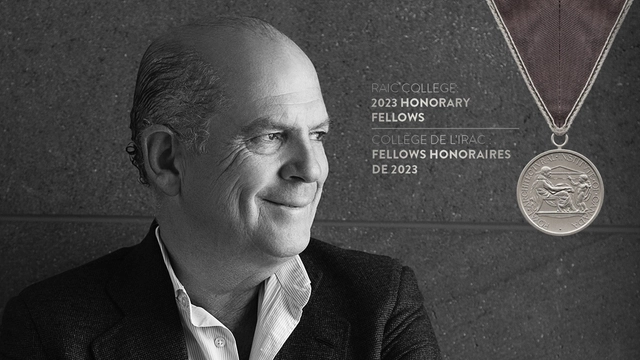
Through a press release, Mexican firm Sordo Madaleno Arquitectos has announced that architect Javier Sordo Madaleno Bringas has been named an Honorary Fellow of the Royal Architectural Institute of Canada (RAIC). He is one of four selected professionals, alongside David Hughes, Tokunbo Ómisorè, and Sumayya Vally, who have significantly influenced the practice of architecture worldwide, exemplifying the tremendous impact that architects have not only on the built environment but also on public life and the world around them.
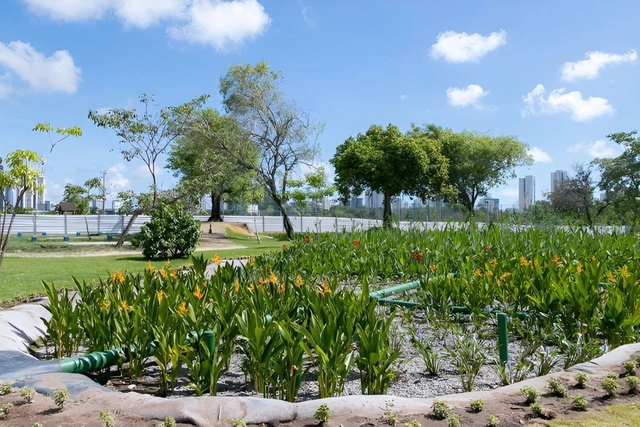
A nature-based solution to clean up a tributary of the Capibaribe River will be implemented in Recife, Pernambuco. Known as filtering gardens, the system consists of a group of native aquatic plants that will filter the mouth of the Cavouco Stream. Considered a sustainable and low-maintenance technology, the filtering gardens will be installed along the section where the stream flows through Caiara Park in the western zone of the capital, where about 10% of the polluted water flow will be treated.
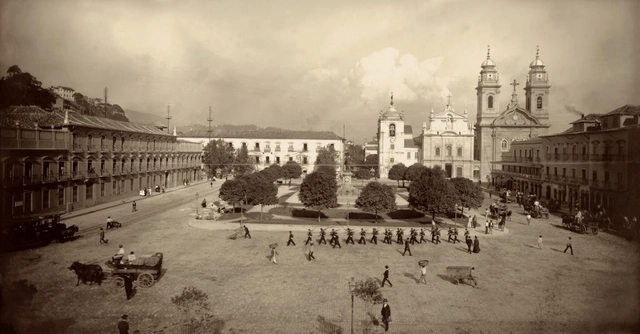
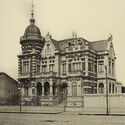
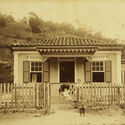
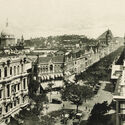
Joining numerous national and international institutions that already make portions of their collections available in the public domain, the Instituto Moreira Salles (IMS) is now providing free access to a selection of its photographic and iconographic archives.

Unoccupied spaces within the city are typically viewed as conditions lying somewhere between problem and potential. It is partly the role of architecture and urbanism to thoughtfully mobilize these spaces within the urban context. With these issues in mind, the firm Vazio S/A proposes the activation of spaces deemed residual in the urban landscape or in specific contexts, drawing on the potential that vacant spaces offer.
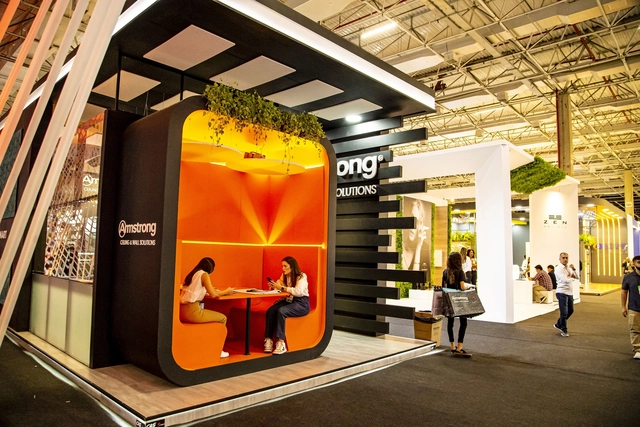
Jazz bars around the world were the subject of illustrations by architect Jose Ricardo Basiches and provided the theme for the booth designed for the Armstrong brand, conceived and built to foster real sensory experiences within the exhibition hall. Well-known for his freehand drawings on napkins and various unconventional surfaces, Basiches says he never leaves home without a pen in his pocket. "For me, drawing is more than a hobby. It is a way of experiencing the environment I am in," the architect adds. These illustrations permeated many elements of the booth during Expo Revestir 2023, particularly the acoustic wall and ceiling panels, presenting the idea that Design + Acoustics can stem from a fresh perspective shared by architects and acoustic consultants regarding existing market products.